
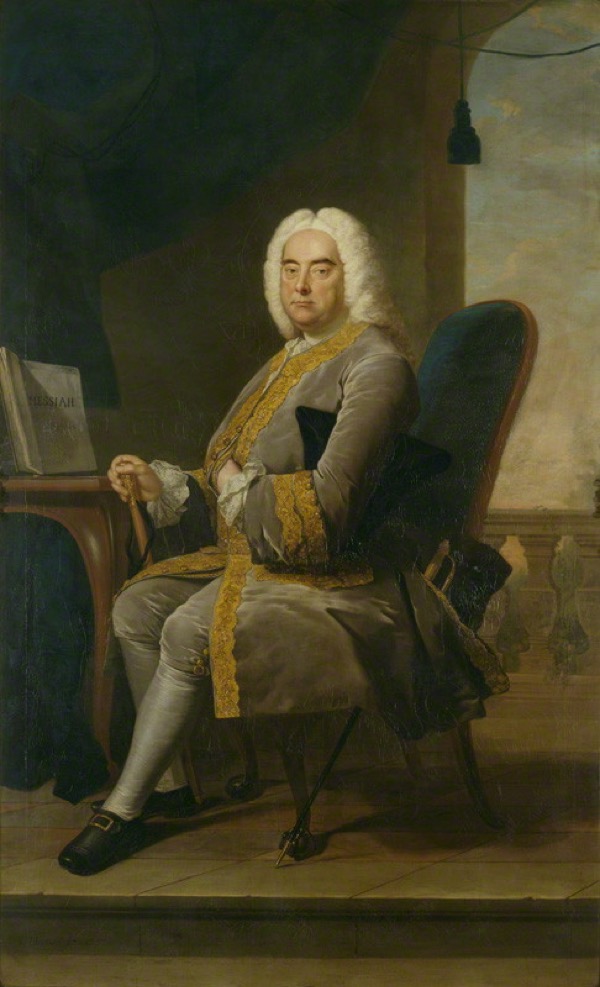
In the summer of 1741, George Frideric Handel sat down at his desk in London and began setting a biblical text to music. Twenty-four days later, he was finished. The score he produced – 260 pages, 53 movements, running nearly
Articles
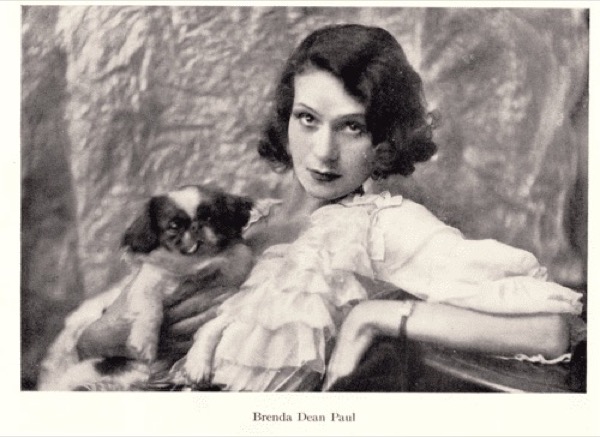
Poldowski is one of the more elusive figures in late Romantic music. Over the course of her life and career, she was known by many names, including Régine Wieniawski, Irène Wieniawska, and Lady Dean Paul. However, she has entered music
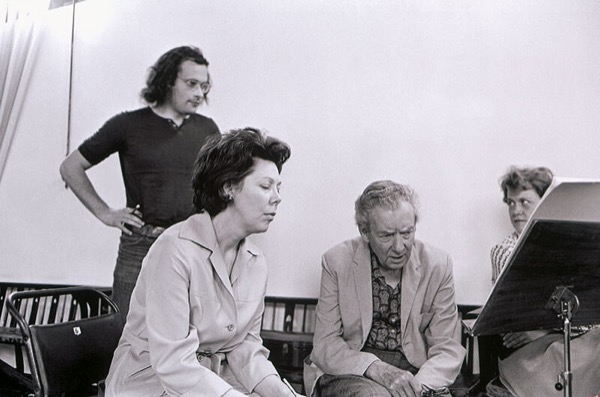
Dame Janet Baker was born on 21 August 1933 in Hatfield, Yorkshire, England. One of the most distinguished mezzo-sopranos of the 20th century, her radiant expressiveness and total absorption in her singing provided the foundation for subsequent generations of female
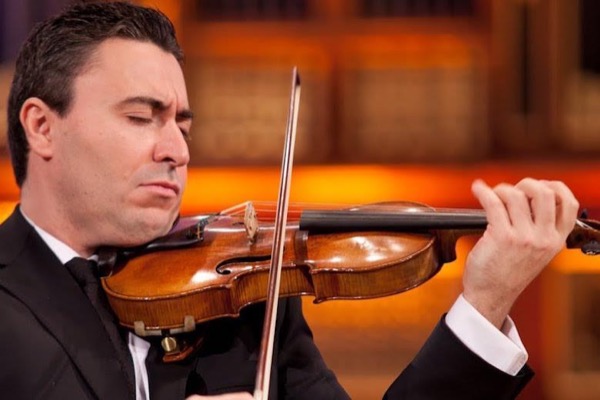
Some commentators hail Maxim Vengerov, born on 20 August 1974 in Novosibirsk, as “the greatest living string player in the world today.” While such claims must be approached with caution, Vengerov constantly seeks new means of creative expression. He freely
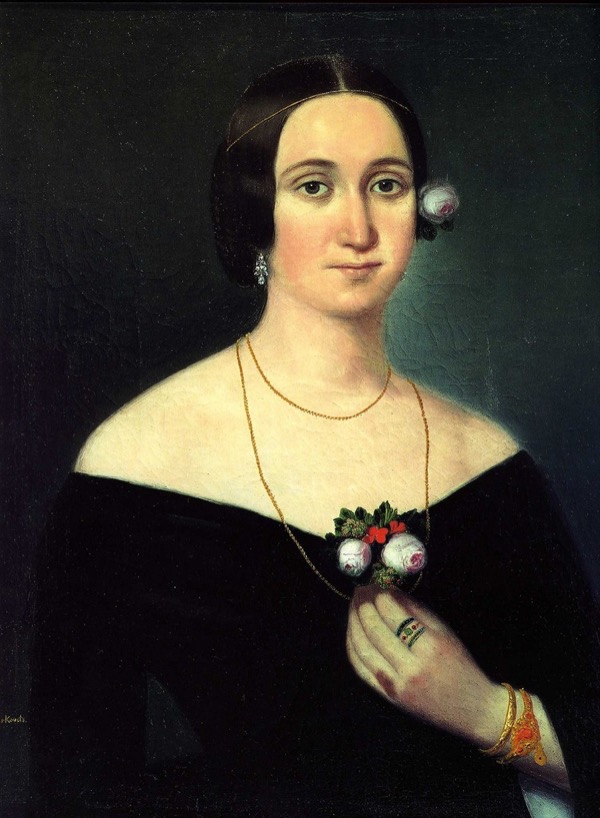
In the 19th century, Giuseppina Strepponi was one of the most famous sopranos in the world. She starred in the premieres of operas written specifically for her voice, supported her widowed mother and sisters with her earnings, and used her
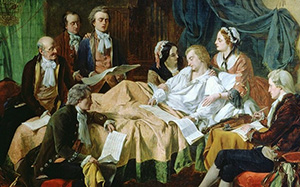
Mozart died on 5 December 1791, at thirty-five years old. He is buried in an unmarked grave, and his Requiem was unfinished. These are the facts most people know. What’s less often told is how much he accomplished in the
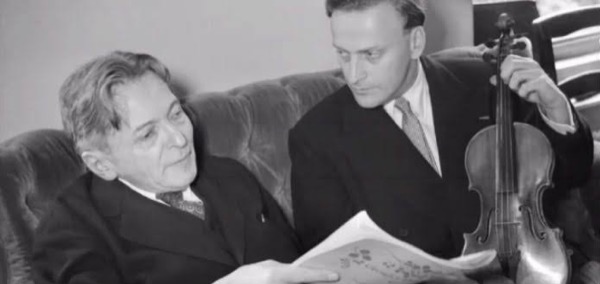
George Enescu (1881-1955) and Yehudi Menuhin (1916-1999) shared one of the most profound teacher-student relationships in twentieth- century classical music. In fact, Enescu’s mentorship continued for decades, guiding Menuhin’s entire approach to music and to life. As Menuhin said about
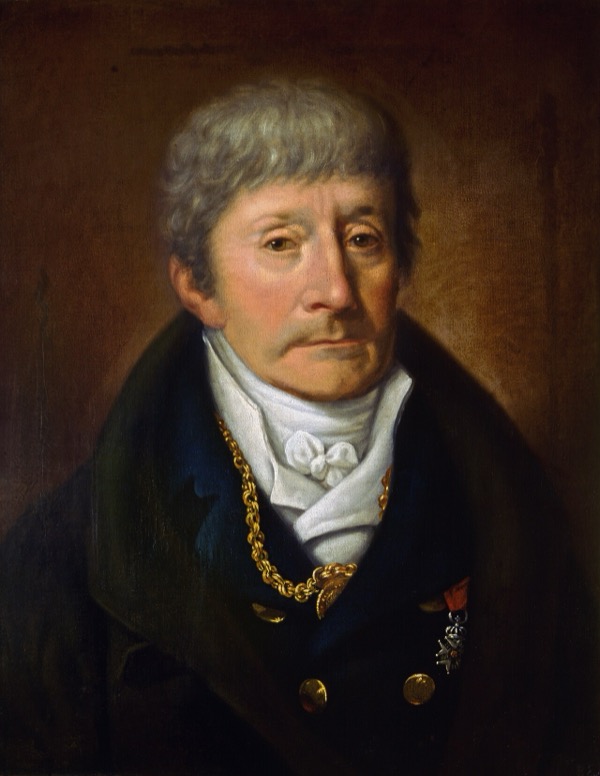
Antonio Salieri’s reputation has long been marred by a narrative that casts him as a jealous rival who poisoned Wolfgang Amadeus Mozart. Unsupported by historical evidence, the two composers shared a professional relationship marked by mutual respect. In fact, Salieri