
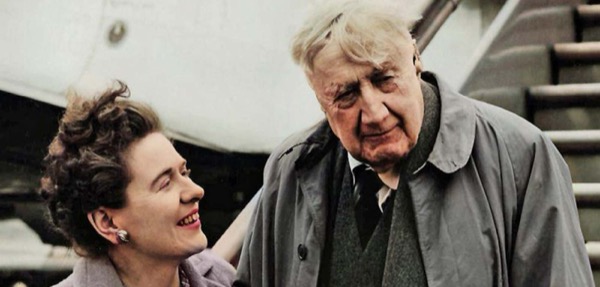
Ralph Vaughan Williams remained creatively active into old age. Between 1954 and 1958, he composed four songs to poems by his second wife, Ursula Vaughan Williams. Possibly intended as two separate song cycles, they were assembled and published posthumously under
Articles
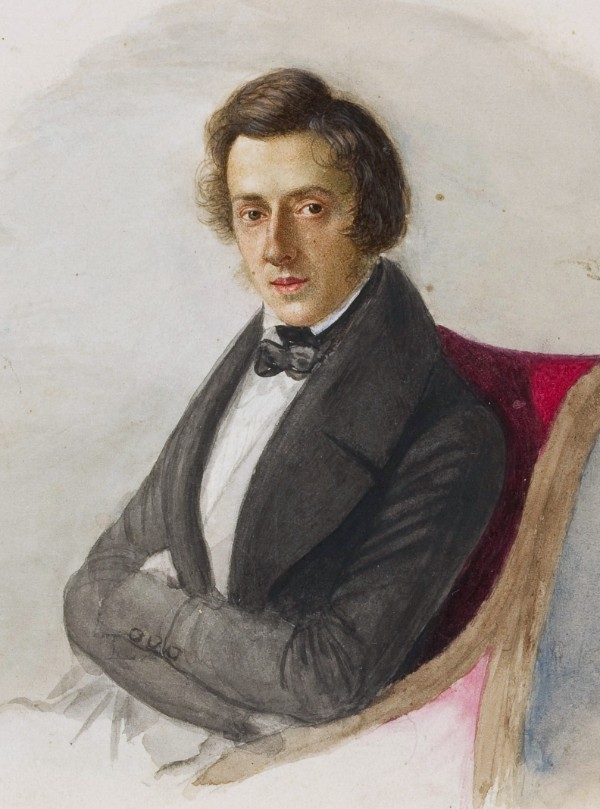
Frédéric Chopin, arguably the most famous pianist in classical music history, suffered from stage fright and performance anxiety. In March 1830, when he was twenty years old and preparing to leave his beloved hometown to make his name beyond Poland,
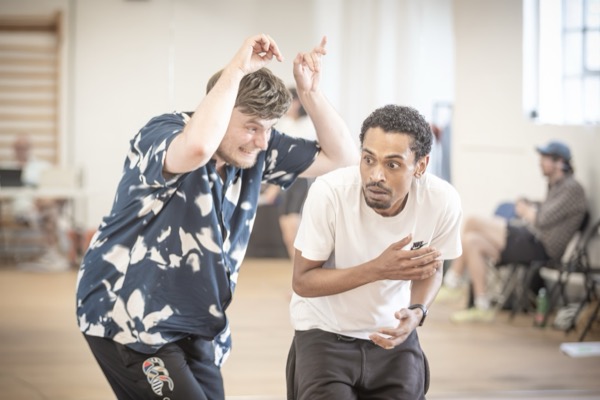
Vache Baroque co-founding music director Jonathan Darbourne delves into the supernatural sounds and music of their new production with Out of Chaos. ‘This music crept by me on the waters’ (Shakespeare’s The Tempest, Act 1, Scene 2) Spoiler alert –
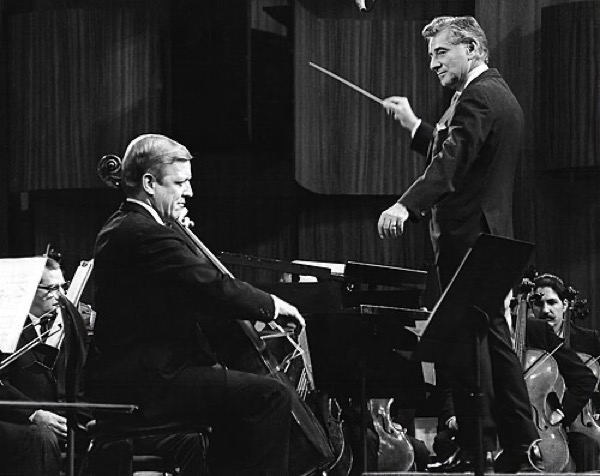
Can you name the longest-running series of family concerts of classical music in the world? If you grew up in the second half of the 20th century, this is probably not a really difficult question. The answer, of course, is

George Li, born on 24 August 1995 in Boston, Massachusetts, grew up in a family of music lovers. His parents had immigrated from China, and the family frequently attended concerts in the Boston area. Classical music has been part of
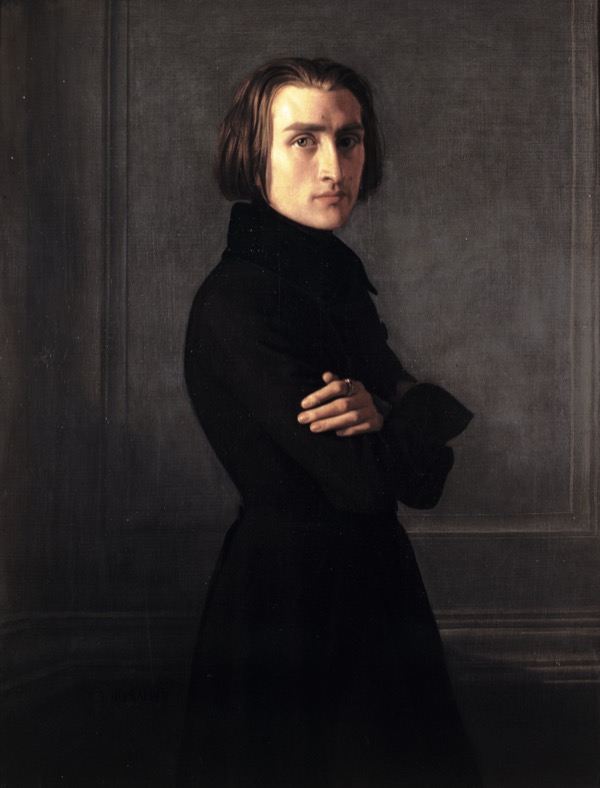
Franz Liszt was many things: the most celebrated piano virtuoso of the nineteenth century, a prolific composer, a conductor, a teacher, and a Catholic abbé. He was also a prodigious letter-writer, and his correspondence reveals a mind that was restless,
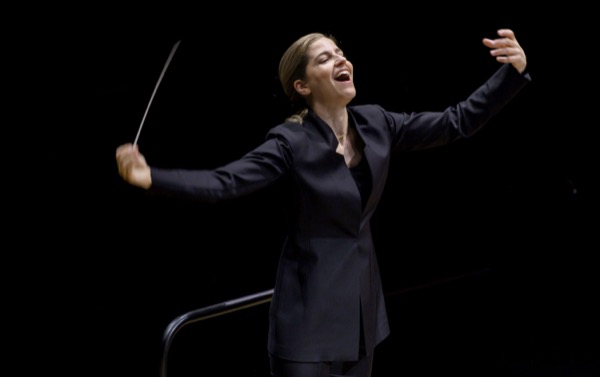
Conductor Karina Canellakis was born and raised in New York City in a family of musicians. She entered the Curtis Institute of Music, where she studied both violin and conducting. She later studied conducting at the Juilliard School. She spent
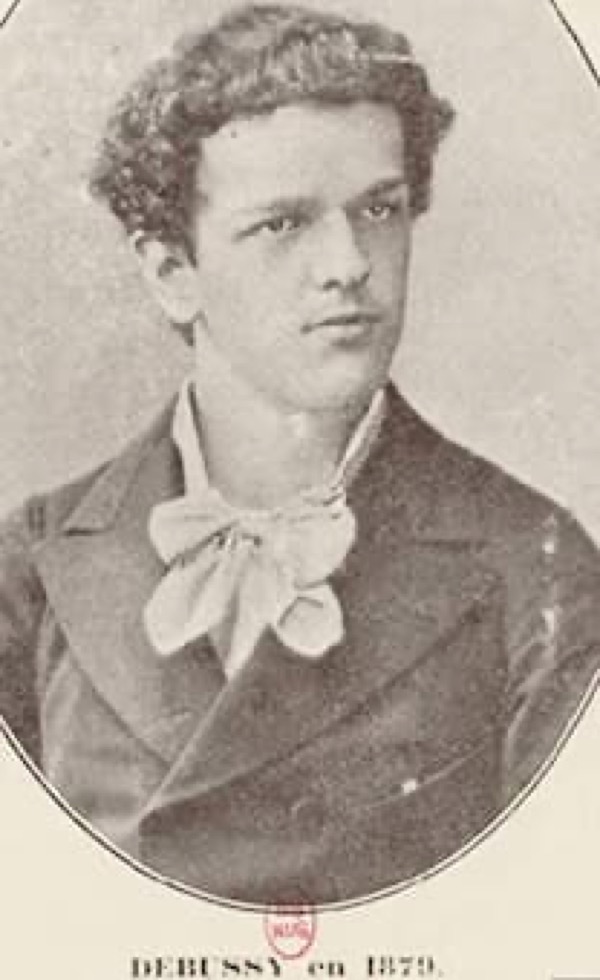
In a career lasting the better part of forty years, Claude Debussy composed nearly ninety art songs, also known as mélodies. He was not especially well educated in literature, but his mélodies became a vehicle for the development of a