
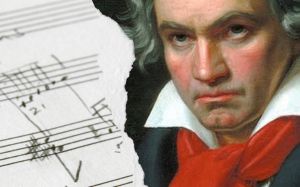
Ludwig van Beethoven is one of the most famous composers who ever lived – but how much do you really know about him? Beyond his iconic symphonies and the legendary deafness, he lived a life full of mystery, heartbreak, and
Articles
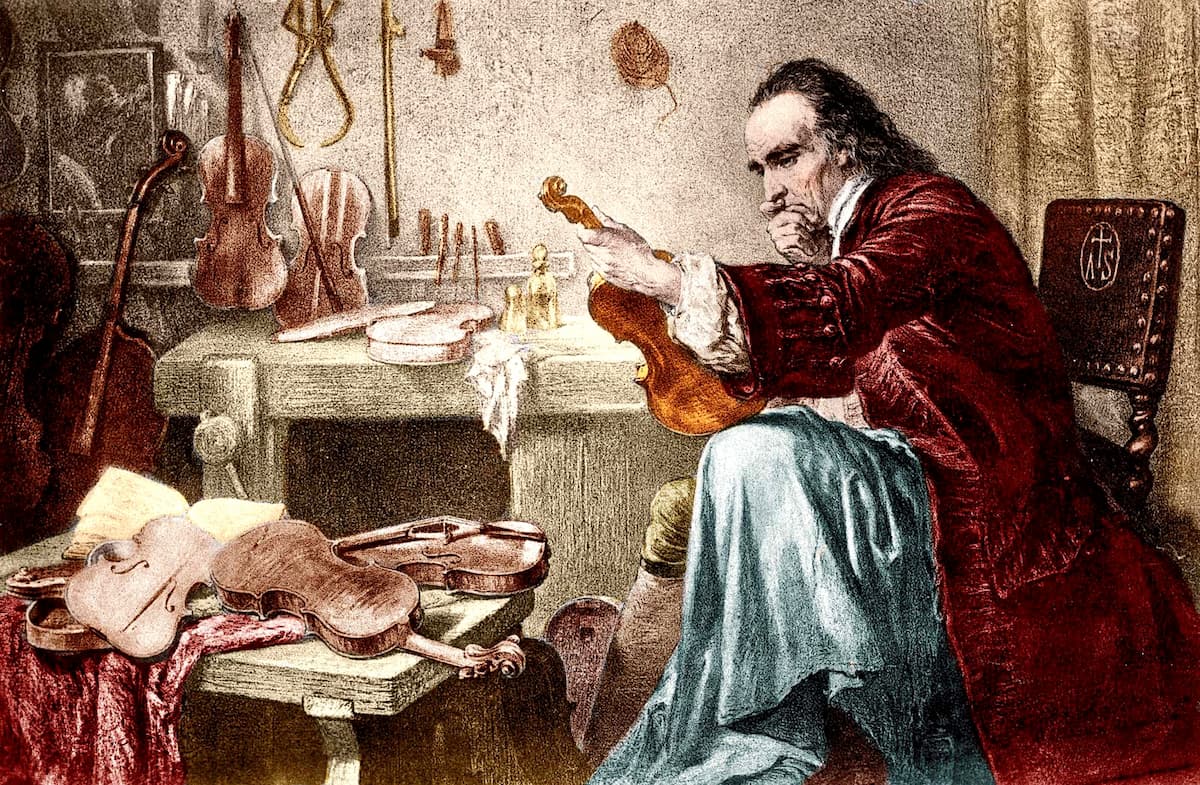
Stradivari violins may be the most thoroughly analysed musical instruments ever made. We have taken photographs and videos of them. We have put them into CT scanners and under electron microscopes. We have scientifically analysed the wood cell by cell,
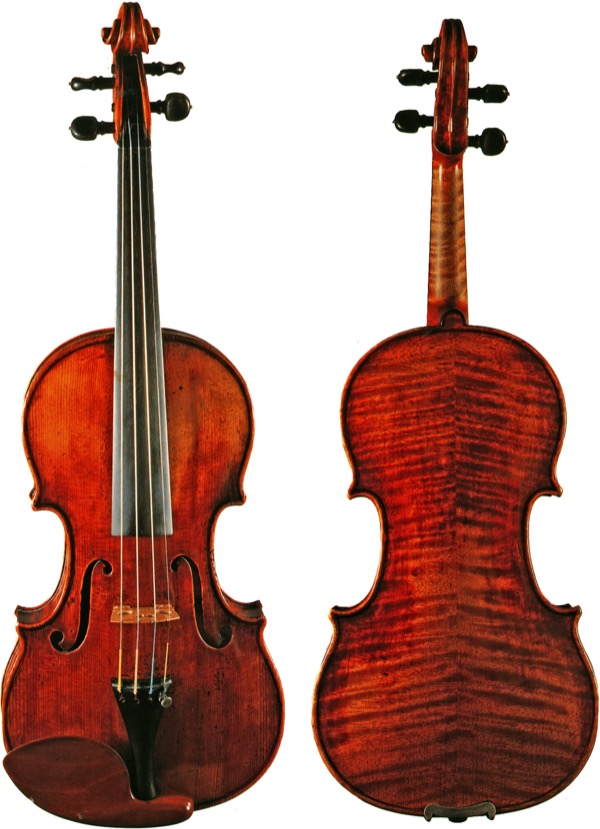
In the world of string-instrument making, the 17th-century masters from Cremona, Stradivari and Guarneri, top the list. They made not just violins but also violas, cellos, and guitars, which have become legacy instruments passed down from generation to generation. To

In July 2020, a Japanese pianist named Hayato Sumino sat down at his piano to record a video for his YouTube channel, Cateen. In it, he performs “Twinkle Twinkle Little Star” seven times in a row. Each time he ups

When we think of the world’s great pianists – names like Liszt, Horowitz, and Zimerman – we imagine packed concert halls, thunderous applause, and glamorous virtuosity. But behind the scenes, many of these musical legends shared their lives not just
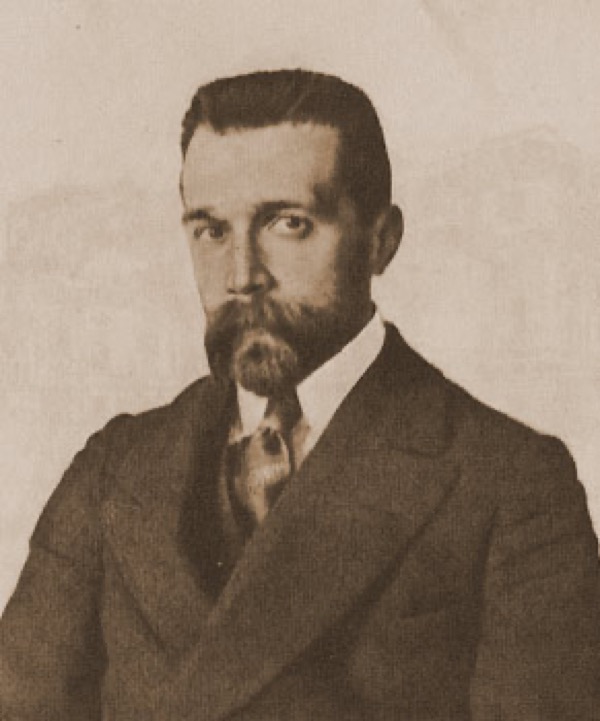
The prolific Russian-Soviet composer Nikolai Myaskovsky (1881-1950) is sometimes referred to as the “Father of the Soviet Symphony.” Throughout his career, ranging from pre-Revolutionary Russia to the late Stalin era, he composed a total of 27 symphonies. In terms of
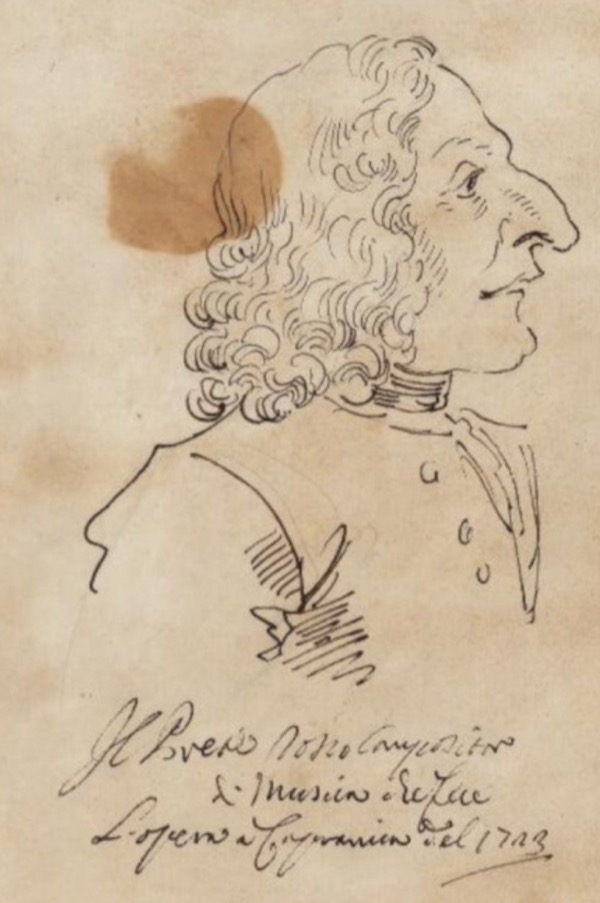
Antonio Vivaldi is one of the most famous composers who ever lived. And yet, for most music lovers, he remains a mystery. We know the Four Seasons. We may even know a concerto or two beyond that. But the man
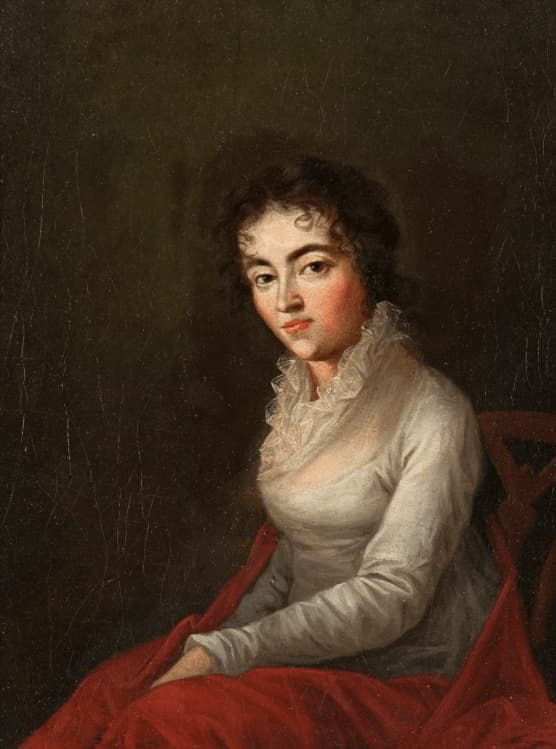
On the morning of 5 December 1791, composer Wolfgang Amadeus Mozart died in Vienna at the age of 35. He had only been ill for two weeks. His widow Constanze was 29 years old. She had been at his bedside