
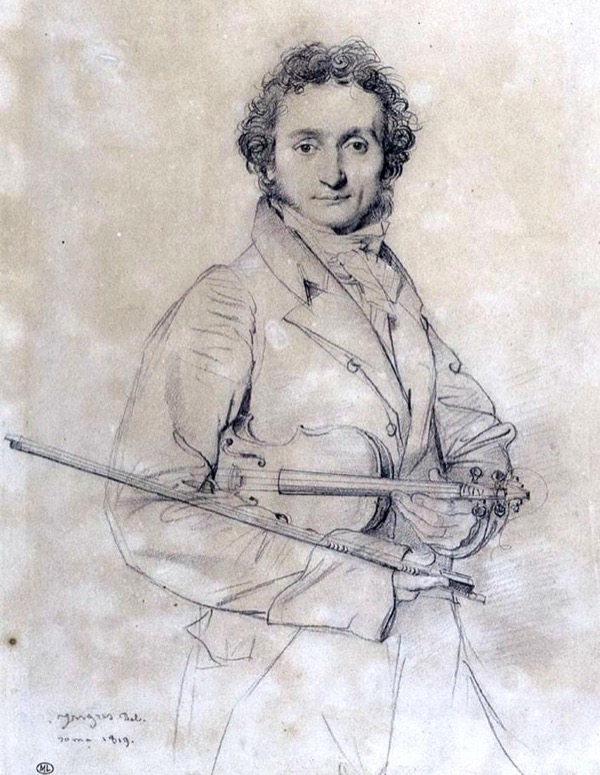
A major turning point in Niccolò Paganini’s life came in the summer of 1825, when his illegitimate son, Achilles Paganini, was born. His relationship with Achilles’s mother was, for all intents and purposes, over by the time the baby arrived,
Blogs
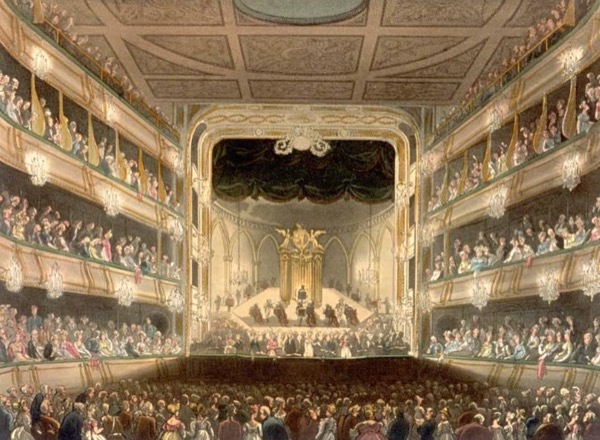
Between 1710 and 1740, Handel composed over thirty Italian operas specifically for the competitive London stage. Among these monumental achievements, Ariodante stands as a crowning masterpiece from the late period of his operatic career. The origins of Ariodante trace back
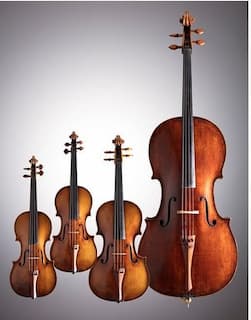
Over the past few centuries, the idea of what a string quartet is – and what it can be – has been rewritten again and again. It began as an outgrowth of four-part sonatas and took generations of experimentation before
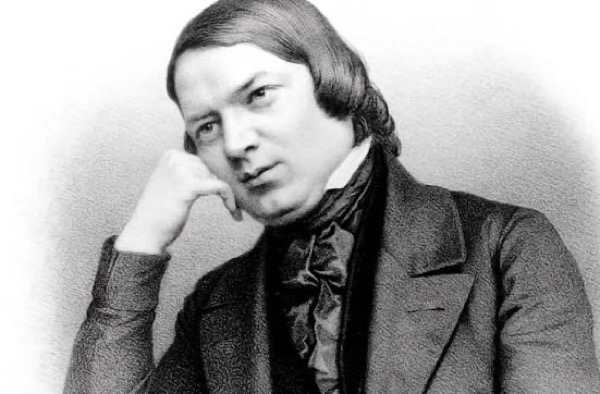
“Play always as if in the presence of a master.” Robert Schumann At first glance, Schumann’s advice can sound intimidating. It conjures the image of a formidable teacher, standing or sitting beside the piano, listening closely and ready to pounce
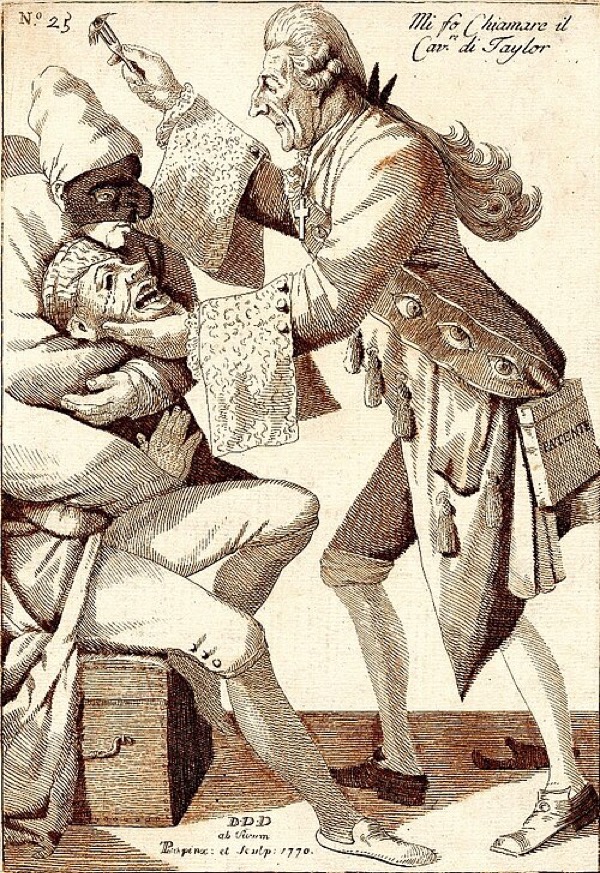
Chevalier John Taylor operated on two of history’s greatest composers and left both blind. Today we’re looking at the story of their doctor: John Taylor, a travelling showman who rolled into town in a coach painted with eyeballs, performed surgery
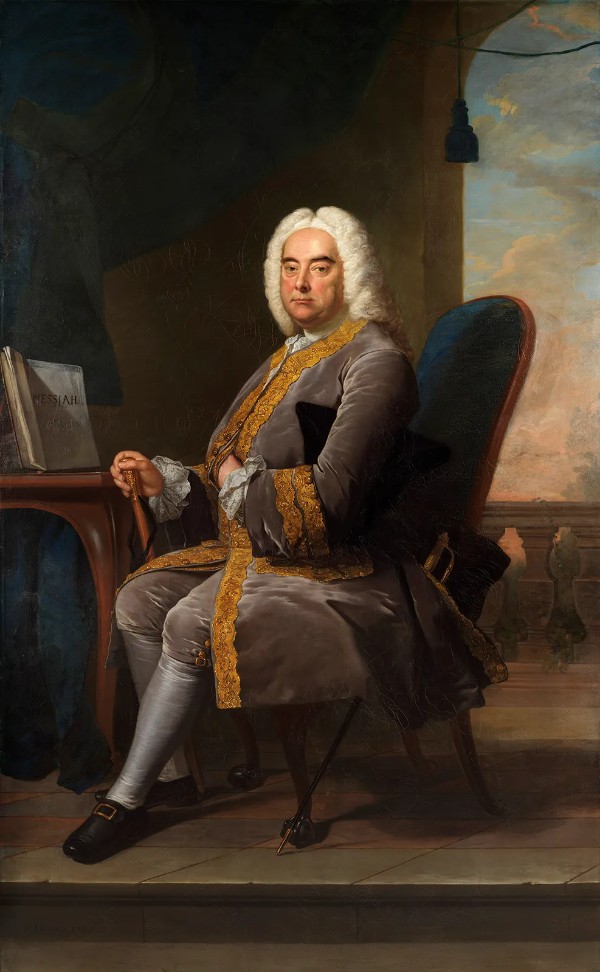
Handel myths have circulated for centuries, and generations of music lovers have believed them. But the truth is more complicated. No, Handel didn’t compose Messiah with superhuman speed. No, the king didn’t stand at the world premiere when he heard
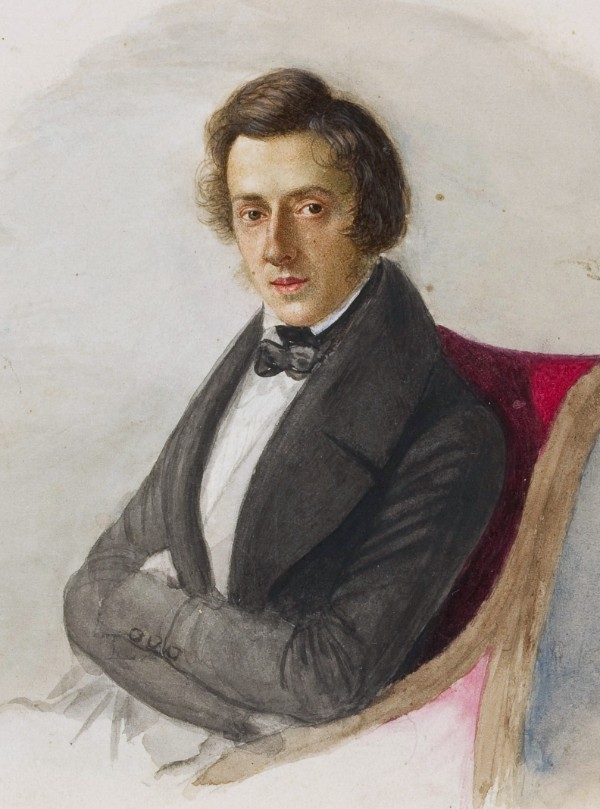
Frédéric Chopin’s death on 17 October 1849 was not sudden. It was the end of a long, slow, painful decline. During the final year of his life, he gave his last public concert, signed his will, and stopped taking new
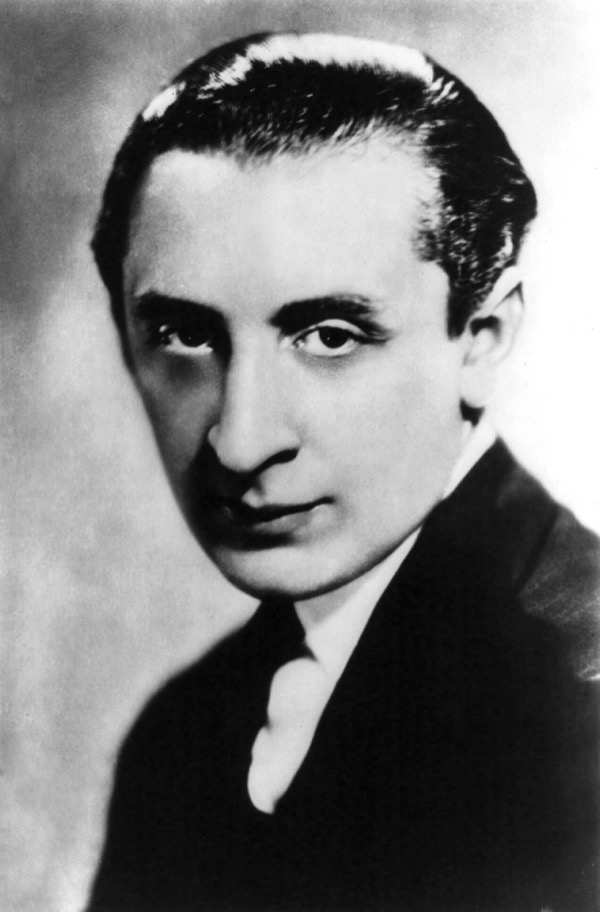
Compared to their pop-star brethren, classical musicians’ love lives are usually deemed irrelevant to what happens onstage. But of course, that doesn’t mean classical musicians don’t have love lives. Generations of male pianists have had private lives shaped or concealed