
Alongside composer Ralph Vaughan Williams and collector Cecil Sharp, Gustav Holst (1874-1934) was a key figure in the early 20th-century English folk song revival. This movement was part of a process in which the English identity became located in an
Holst
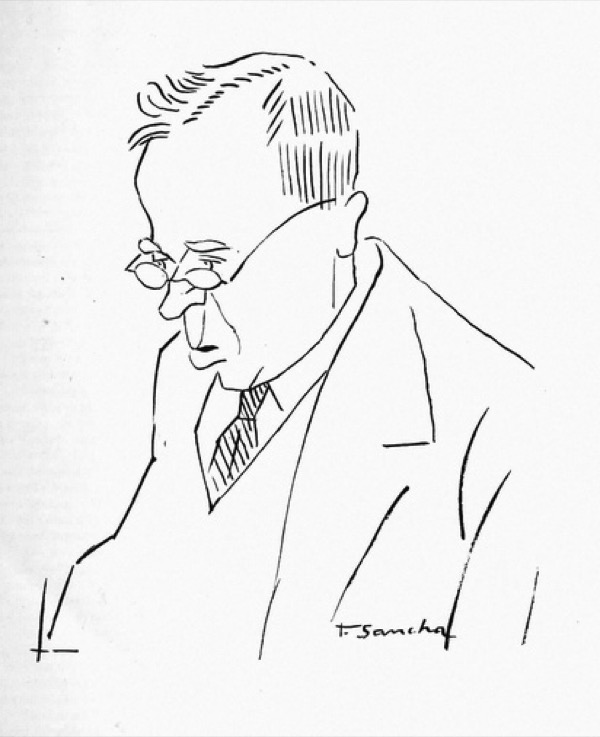
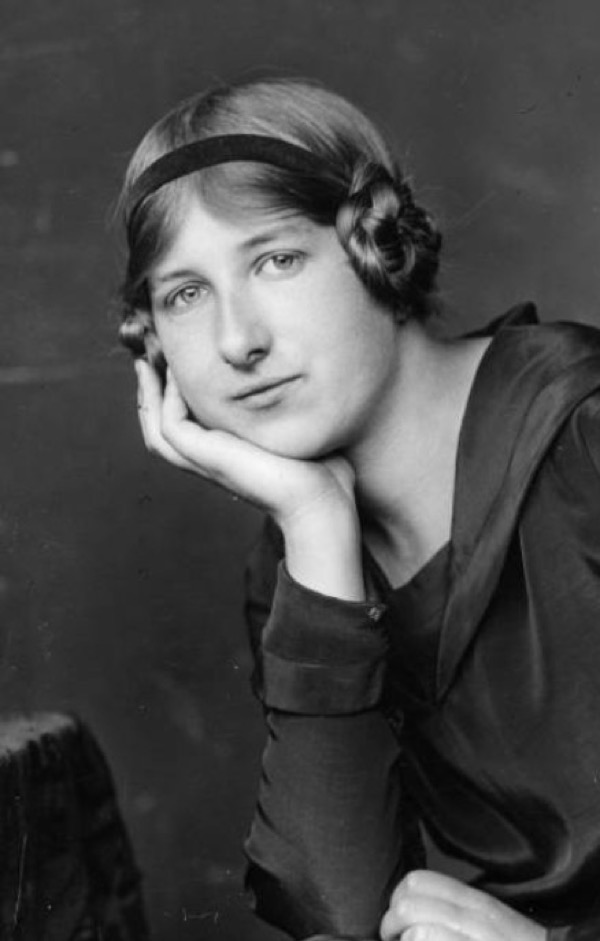
It is never easy to be the child of a great composer. Many children wilt under the pressure of being related to a genius: look at what happened to Mozart‘s failed composer son, Franz Xaver, or Robert and Clara Schumann‘s
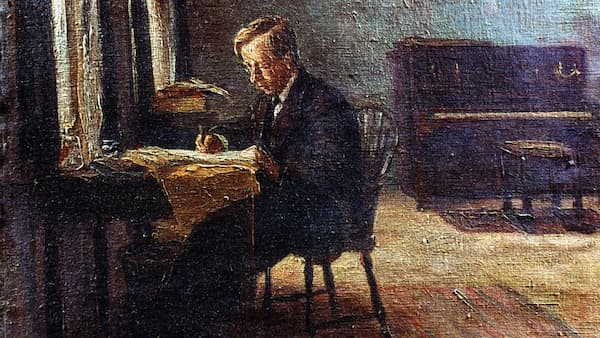
A significant aspect of Gustav Holst’s (1874–1934) compositional oeuvre was informed by his engagement with non-Western musical traditions, philosophies, and cultural motifs. This interest in the exotic was not merely a superficial appropriation but a deeply intellectual and spiritual exploration,

2024 marks the 150th anniversary of Gustav Holst, born in Cheltenham on 21 September 1874. He devoted his life to teaching and composition, crafting nearly 300 works in a variety of genres including orchestral music, chamber music, brass and military
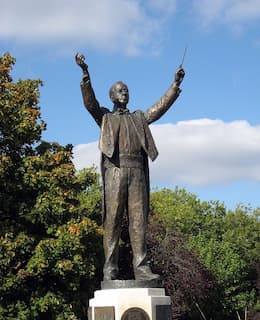
Gustav Holst’s reputation had been steadily growing during the years before World War I, and in 1917 “he composed the choral and orchestral Hymn of Jesus, perhaps the most characteristic and original work of his maturity.” His true breakthrough, however,
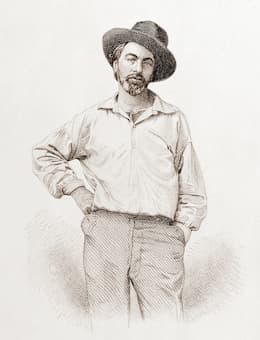
The American visionary poet Walt Whitman (1819-1892) was one of the transitional writers between transcendentalism and realism and his works reflect both points of view. He is considered the ‘father of free verse’ and his non-sectarian poems and his views
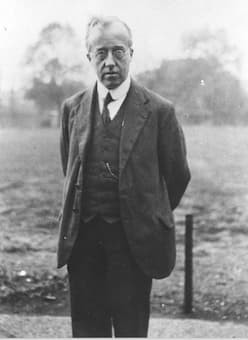
The English composer Gustav Holst was born in Cheltenham on 21 September 1874. His father Adolph von Holst was an excellent pianist and organist, and he was musically active in his local community. He married his piano student Clara Lediard,
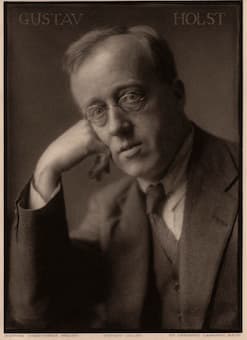
Named not for the cathedral but for the girls’ school in Hammersmith where he was music master for nearly 30 years, the St Paul’s Suite by Gustav Holst provided the students with a beautiful piece that was all their own.