
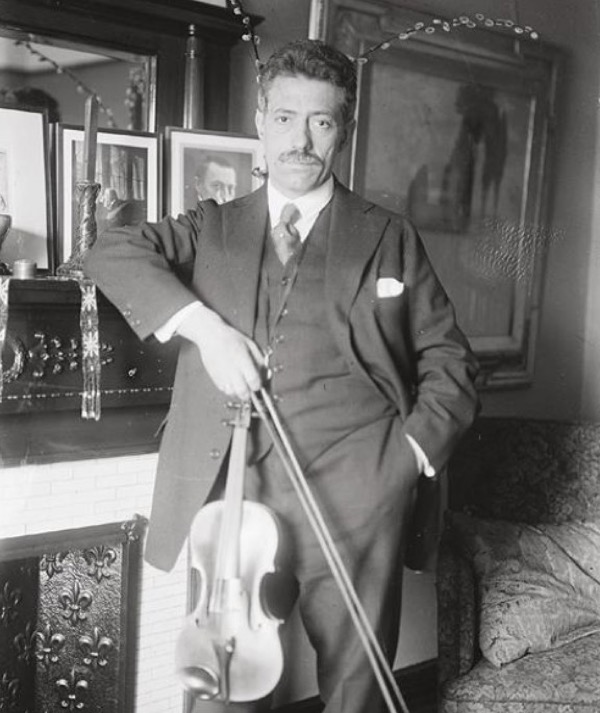
Violinist Fritz Kreisler (1875–1962) was one of the best violinists of his generation. He also enjoyed composing – but he was reluctant to fill his programs with his own works. He solved the problem early in the 20th century by
Blogs
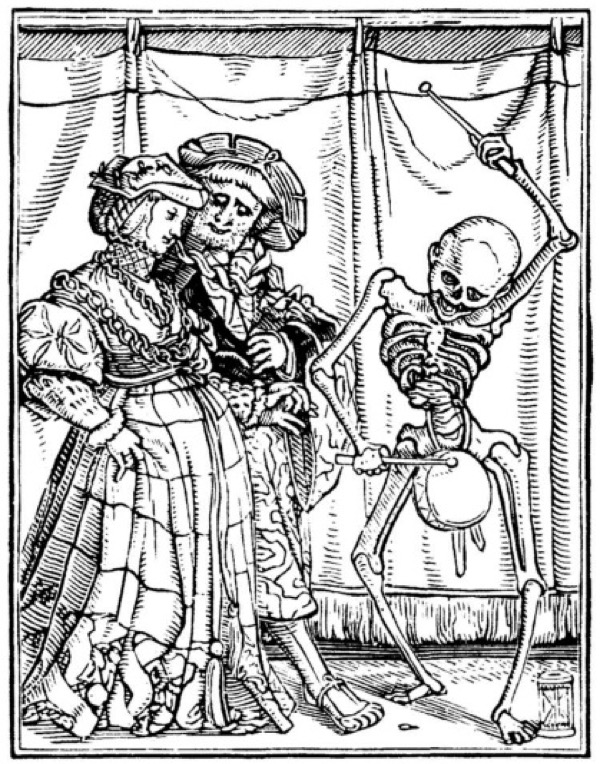
Orchestras love to program Saint-Saëns’ Danse Macabre around Halloween. But you can celebrate the season all month with other dances of death—no candy corn required. From Berlioz’ hallucinatory Sabbath to Saint-Saëns’ skeletal waltz—by way of Liszt and Mussorgsky—here are four
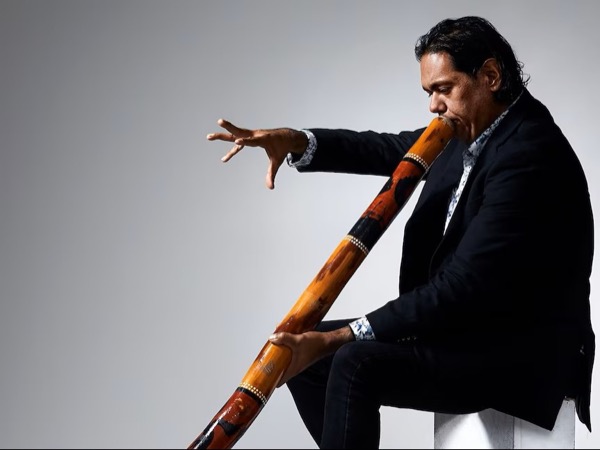
One of the oldest instruments we know is the flute. Bone flutes date from the European Upper Palaeolithic era (50,000 to 12,000 years ago). Made from bone and ivory, end-blown flutes with finger holes have been discovered in Germany and
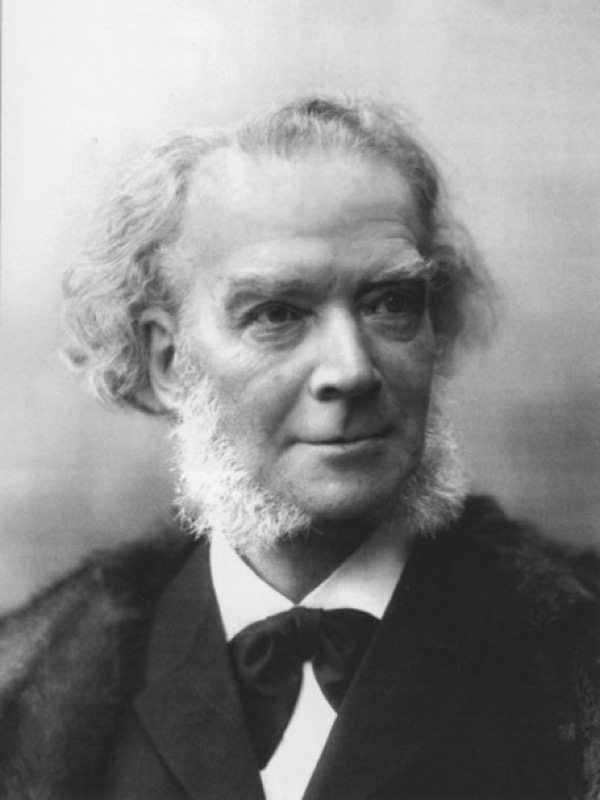
In our previous episode on forgotten Romantic piano concertos, we discovered unexpected and wonderful music by Moscheles, Benedict, Holbrooke, Bennett, and Villiers Stanford. These much-neglected nineteenth- and early twentieth-century piano concertos and concertante works have been brought to light in
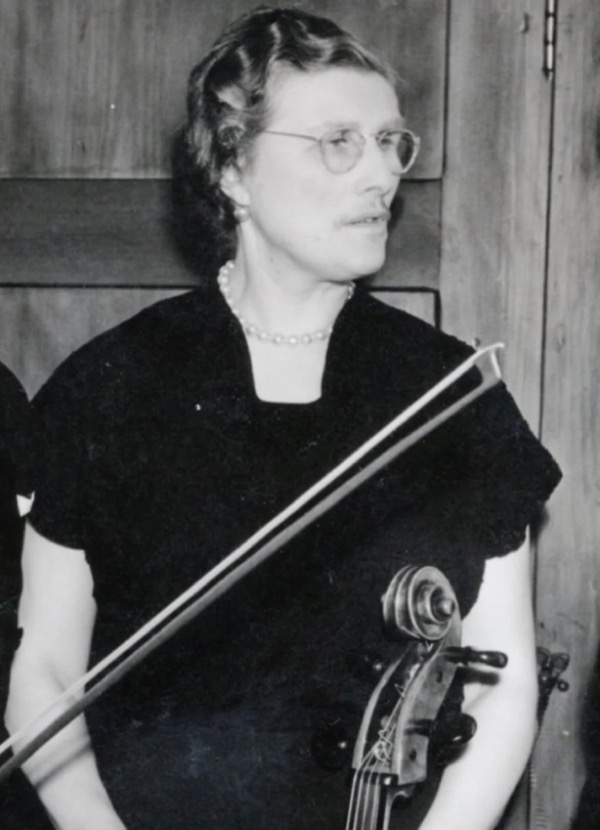
Between 1902 and 1918, seven girls were born who would go on to remake what a career in cello could look like. One inspired one of the century’s greatest cello concertos; another, some of the best solo cello suites. Yet
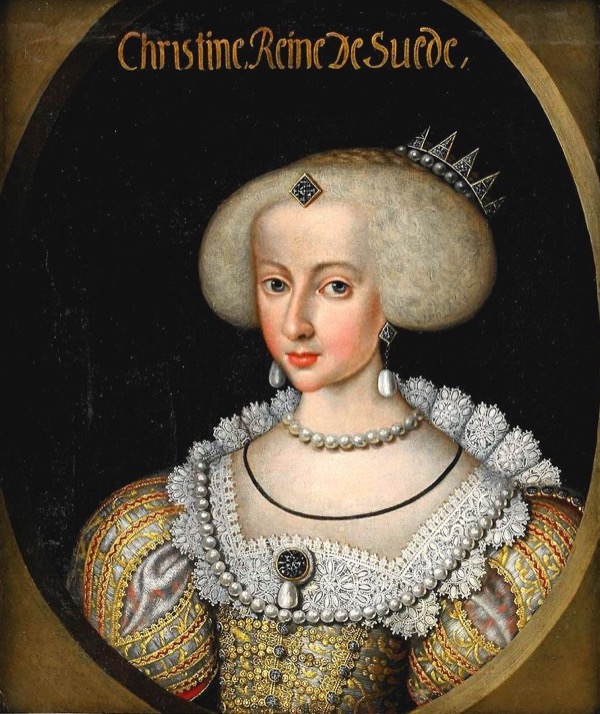
Queen Christina of Sweden, born in Stockholm in 1626, stands as one of the most intellectually fierce and unconventional figures in European history. Inheriting the crown at just six years old after her father, King Gustavus Adolphus, died in battle,
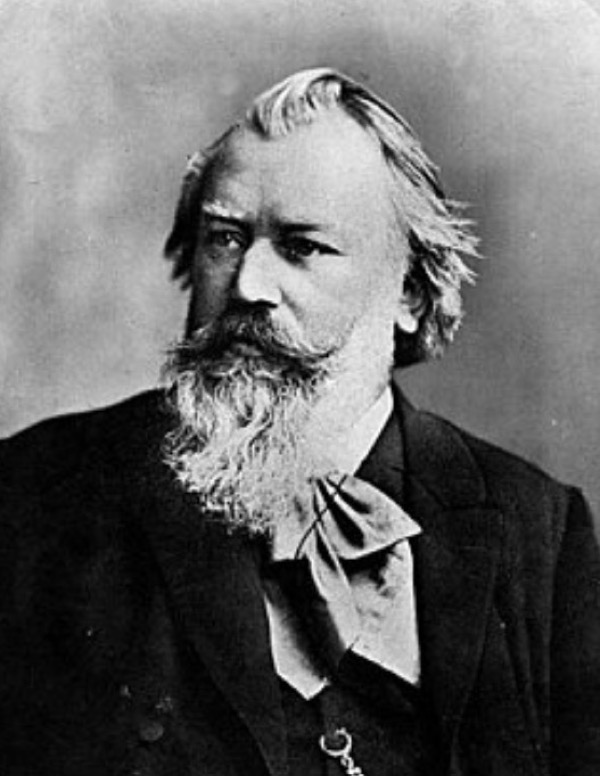
Johannes Brahms has one of the most mythologised biographies in classical music. He’s remembered as a scarred teenager in brothels – a friendless conservative shackled to old forms – a bearded misanthrope who couldn’t stand women. Some of that image
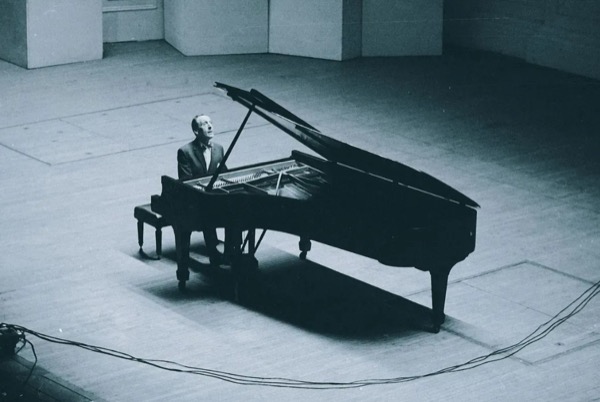
All seven careers on this list stopped for years, sometimes decades – for wildly different reasons. Vladimir Horowitz suffered from nervous exhaustion. Leon Fleisher and Murray Perahia lost the use of their hands. Ivo Pogorelić withdrew from the stage after