
Antonio Vivaldi is one of the most famous composers who ever lived. And yet, for most music lovers, he remains a mystery. We know the Four Seasons. We may even know a concerto or two beyond that. But the man
Vivaldi
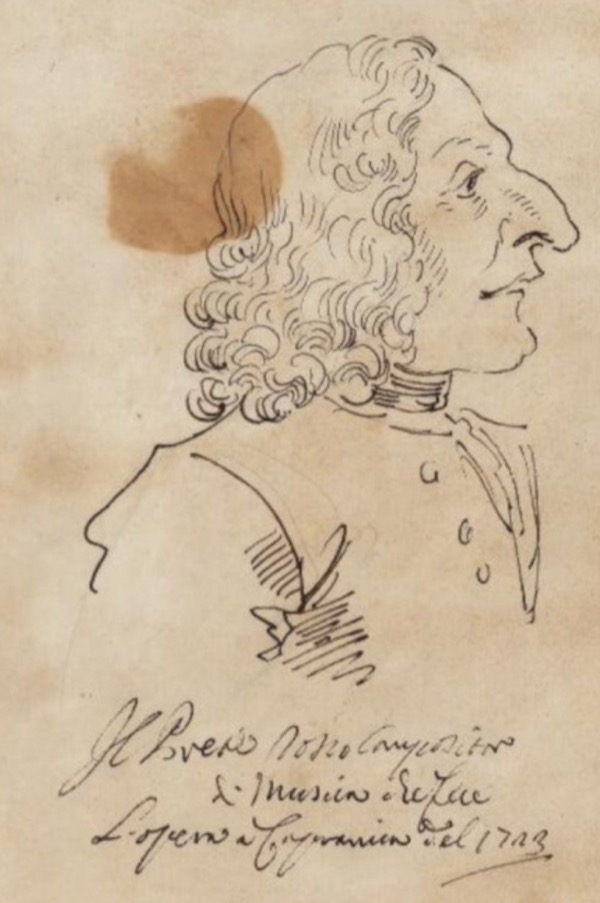
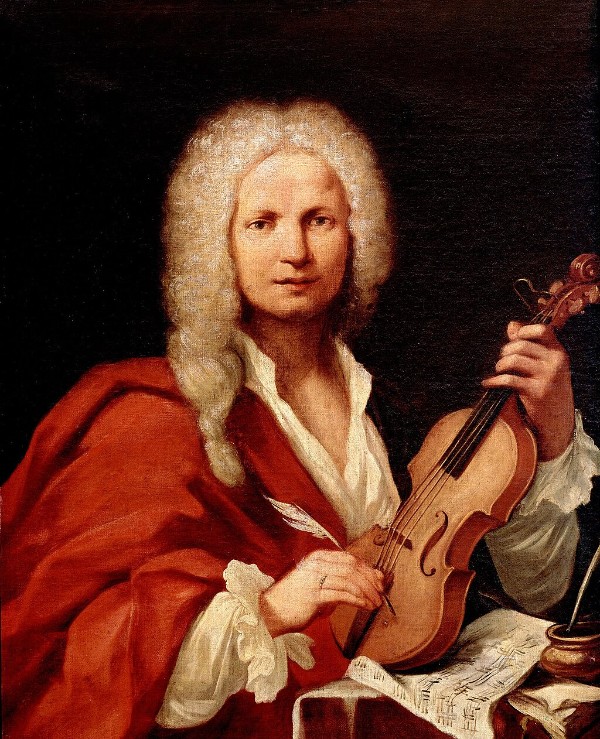
Antonio Vivaldi wrote roughly 500 concertos over the course of his career. You probably know four of them. True, the Four Seasons are among the most beloved pieces of music ever written – and rightly so. But Vivaldi’s genius extended
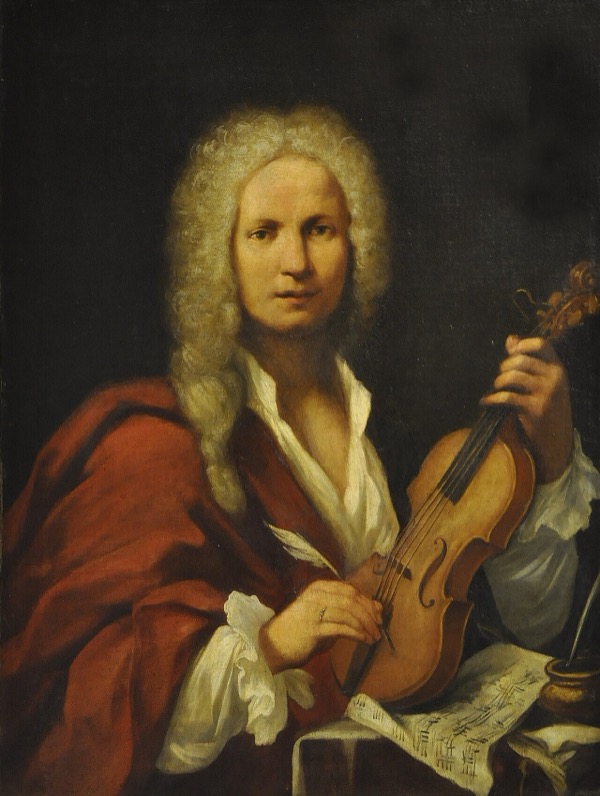
What is the most iconic work by Antonio Vivaldi (1678-1741)? That’s easy, as just about everybody knows his Four Seasons. What makes these four concertos special is the accompanying descriptive sonnets, which provide the poetic narrative. Yet, beyond the composition

Few works in Western classical music have achieved the global reach of Antonio Vivaldi‘s The Four Seasons. Written around 1720 and endlessly reinvented ever since, these four concertos have become a gateway to classical music for countless listeners – especially
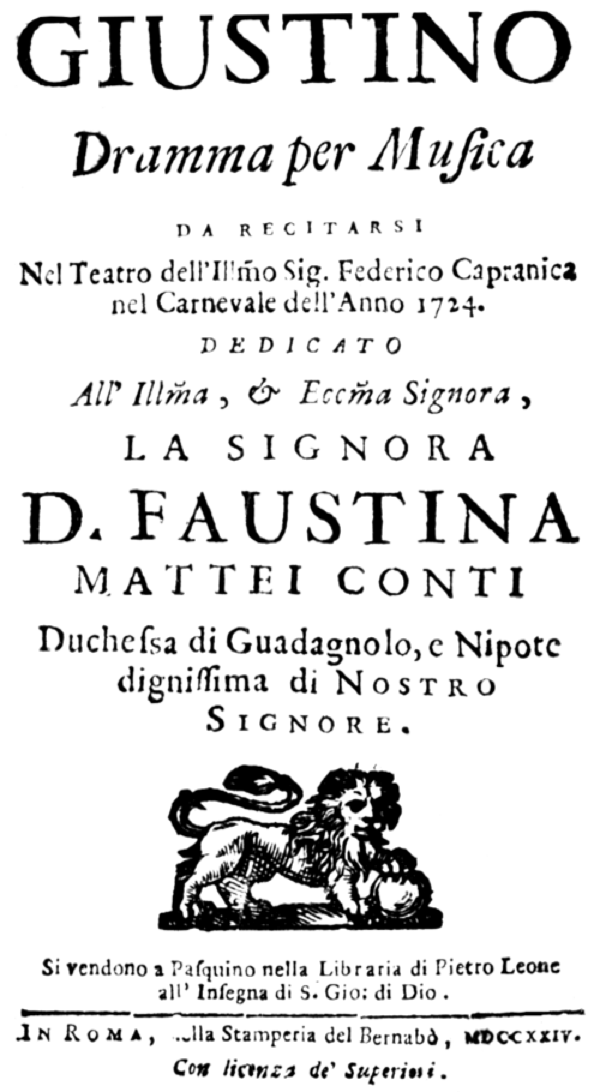
I. A Peasant’s Ambition in the Eternal City When Antonio Vivaldi arrived in Rome for the 1724 Carnival season, he was a composer determined to conquer the prestigious and notoriously fickle Roman opera market. His weapon of choice was Il
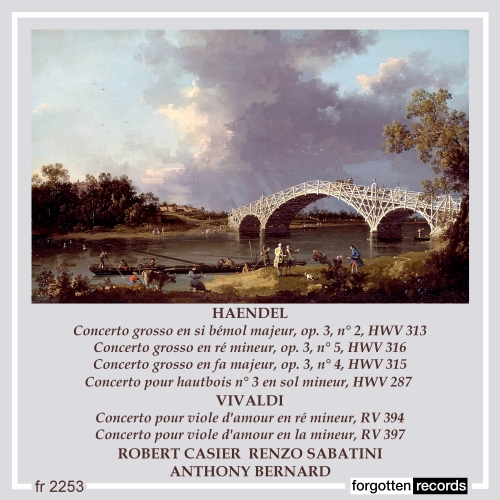
The viola d’amore was not your average viola – instead of the regular 6 strings, it had an additional 6 strings that were not bowed, but which vibrated when the main strings were played. These sympathetic strings, as they were
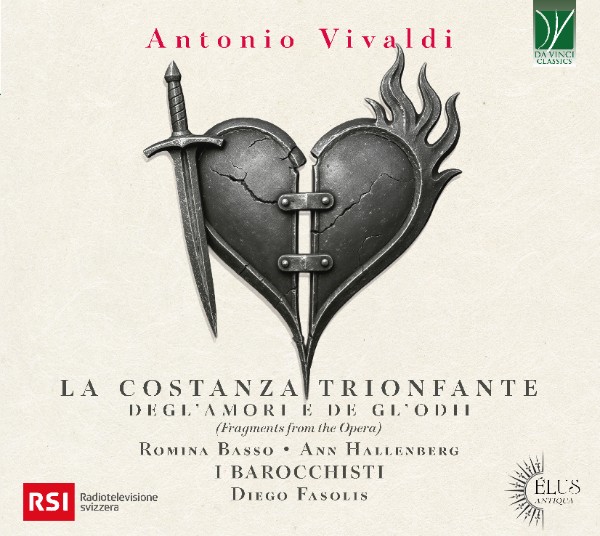
The Carnival Season in 1715 was a time of great uproar – not only for the two months of the Carnival season but also because Europe was in a time of change. In France, Louis XIV had just died, leaving
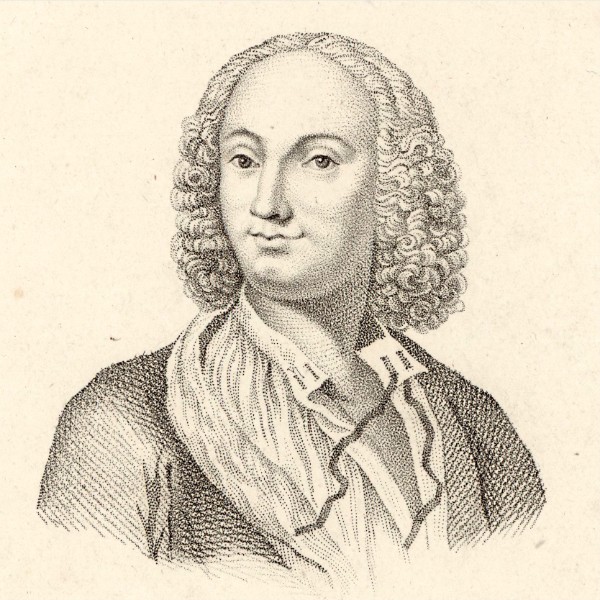
Antonio Vivaldi (1678–1741), known as the “Red Priest” due to his fiery hair and brief priestly career, stands as one of the most influential composers of the Baroque era. The most original and influential Italian composer of his generation, Vivaldi