In the long line of great Russian composers, Alexander Glazunov (1865-1936) occupies a curious place. Neither as fiery as Mussorgsky nor as emotionally raw as Tchaikovsky, Glazunov was a master of craft.
His music radiates a refined elegance that blends Russian nationalism with the polished forms of European Romanticism. This delightful duality emerges most prominently in his seven string quartets. These wonderful pieces offer a clear window into his musical soul. It is a soul that cherished tradition, revelled in melodic beauty, and wove Slavic spirit into this intimate medium.
The Glazunov string quartets were composed between 1881 and 1930 and showcase his ability to craft works that are both deeply Russian and universally accessible. The “Mighty Handful” initially dismissed chamber music as too academic, favouring operas and symphonies to carry the weight of Russian identity.
However, Glazunov took the genre seriously and crafted a series of quartets that stand as some of the most significant Russian contributions to the form. As we just celebrated Glazunov’s birthday on 10 August, let’s sample his subtle interplay for four strings.
Alexander Glazunov: String Quartet No. 3 in G Major, Op. 26
Slavonic Spirit
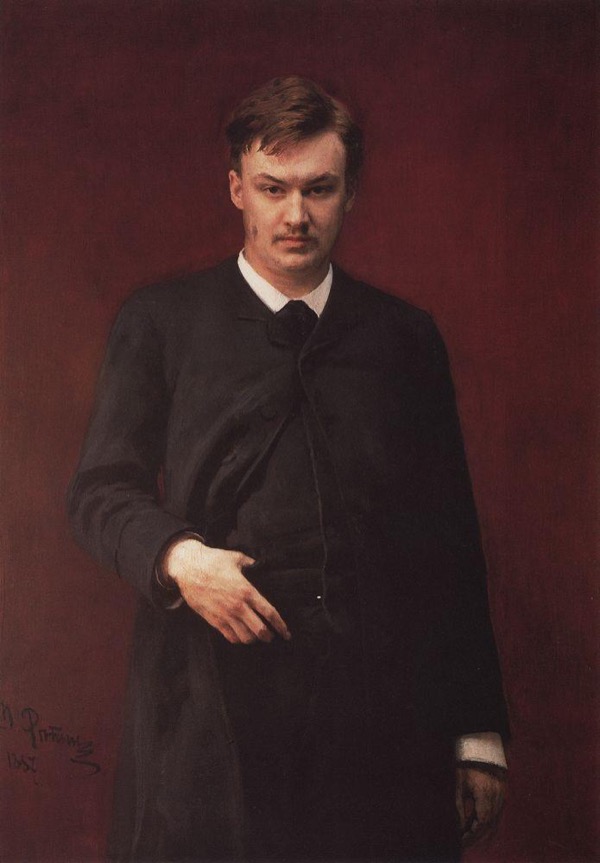
Alexander Glazunov (by Repin)
Glazunov’s String Quartet No. 3 is affectionately called the “Quatuor Slav.” It is a vibrant gem in the composer’s catalogue, bursting with the spirit of his homeland and the finesse of a craftsman in his early twenties. This is not just music but a window into a world of village dances, soulful chants, and heartfelt melodies that feel like they’ve been sung for generations.
The opening movement marked “Moderato” sets the tone with a melody that feels like a gentle stroll through a Russian countryside. It’s lyrical and slightly wistful, as if recalling a distant memory. This sentiment does not linger very long, as a second theme bounds in with pizzicato chords adding a playful sparkle.
The “Interludium” presents a slow and chorale-like melody that carries the weight of Russian Orthodox hymns. “Alla Mazurka,” as you can imagine, becomes a strutting folk dance but with a distinctly Russian flair. The finale, “Une fête Slave,” is where Glazunov pulls out all the stops. It’s a festival in full swing, clinking glasses, laughter, and fiddles playing late into the night.
The “Quatuor Slav” is simply a delight to listen to. It doesn’t demand deep analysis to enjoy but rewards those who lean in with its layers of emotion and craft.
Alexander Glazunov: String Quartet No. 1, Op. 1 (Moscow Philharmonic Quartet)
Youthful Exuberance
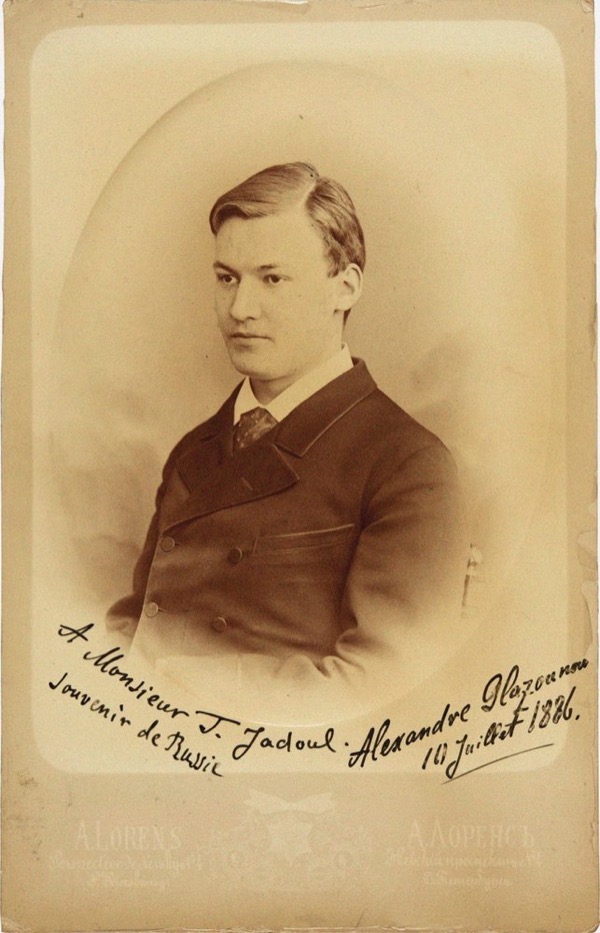
Alexander Glazunov (St. Petersburg)
Glazunov’s String Quartet No. 1 was written when he was just 16. Composed under the guidance of Rimsky-Korsakov, it reveals a young composer already in command of the quartet medium. To be sure, this work captures the vibrant spirit of the Russian National school at its peak.
Dedicated to Madame Ludmilla Schestakov, sister of the legendary composer Mikhail Glinka, the piece is a love letter to Russian musical heritage, weaving Slavic melodies with a polished, almost Germanic craftsmanship. From the opening “Andantino moderato,” which gently unfurls into a buoyant “Allegro moderato,” Glazunov’s melodies dance with cheerful optimism, their accompaniments laced with distinctive fifths that evoke an exotic, oriental flair.
The lively “Scherzo” bursts forth with brisk energy in the spirit of Schumann, while the slow “Andante” presents a folk-like melody wrapping listeners in a warm embrace. Rhythmic vitality abounds in the “Finale,” with the strings creating a rich, conversational texture.
This is a remarkable work for a teenager, as he balances melodic and rhythmic exuberance with structural finesse, producing a charming testament to his prodigious talent.
Alexander Glazunov: String Quartet No. 5 in D minor, Op. 70
Maturity and Refinement
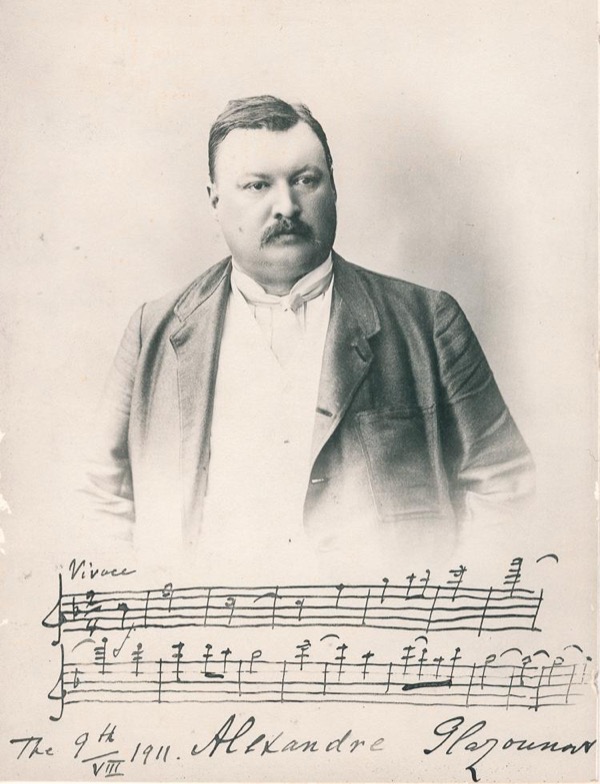
Alexander Glazunov
The String Quartet No. 5 is often cited as one of Glazunov’s most sophisticated quartets. Its rich textures and emotional depth mark a high point in his chamber music. Composed in 1892, this work radiates maturity and emotional depth while retaining the vibrant charm of his earlier years.
Composed in the shadow of personal and professional pressures, this quartet reflects a more introspective Glazunov, one who had absorbed the influences of Tchaikovsky’s lyricism and Wagner’s harmonic richness while staying true to his Russian roots.
The opening “Allegro” sets a dramatic tone, its brooding main theme in D minor pulsing with restless energy, contrasted by a tender, almost nostalgic second theme. This isn’t sunny optimism but a soulful exploration of light and shadow. A lighter, more playful touch emerges in the “Scherzo,” and the heartfelt “Adagio” is a deeply expressive, wordless song. Once again, the “Finale” bursts forth with vigour, its folk-inspired themes galloping forward, yet tempered by moments of reflective calm.
Engaging and meticulously crafted, the Fifth Quartet is a testament to Glazunov’s evolution, inviting listeners to savour its emotional depth and revel in its Russian soul.
Alexander Glazunov: String Quartet No. 7 in C Major, Op. 107, “Hommage au passé” (Shostakovich Quartet)
Farewell and Nostalgia
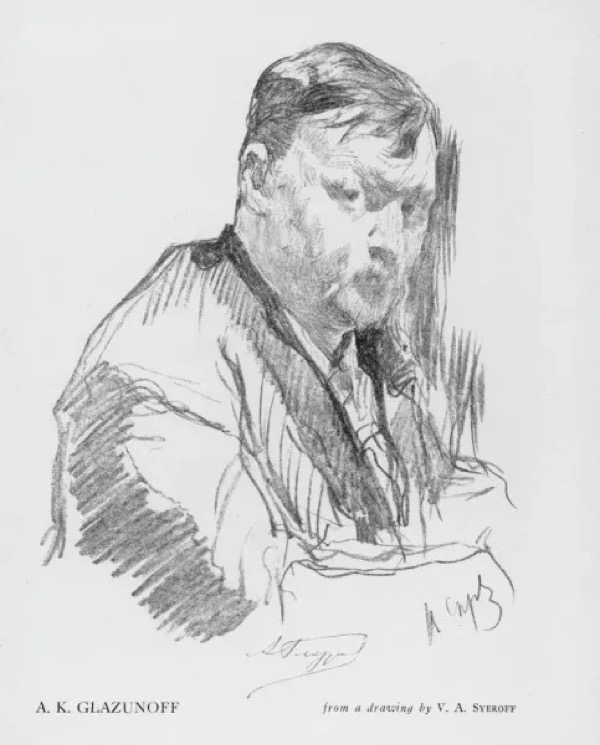
Alexander Glazunov
Alexander Glazunov’s String Quartet No. 7 was composed in 1930, and it is the radiant capstone to his chamber music legacy. It was written during a period of personal and political upheaval as he grappled with life in exile in Paris. This work, premiered in 1930, brims with a reflective warmth and a bittersweet nod to his Russian roots, tempered by the cosmopolitan polish of his later years.
The opening “Allegro” unfolds with a serene yet spirited theme, its lyrical sweep infused with Slavic melancholy. The interplay between the instruments is seamless, their voices weaving a tapestry of conversation that feels both intimate and expansive. The “Scherzo” sparkles with a playful elegance, while the “Andante” is a soul-stirring gem, its hymn-like melody carried by the first violin over a softly pulsing accompaniment.
The concluding “Allegro” bursts forth with a robust, almost festive energy, its themes infused with a folkloric vigour that recalls the spirit of his earlier works yet refined by a lifetime of craft. The movement races to a triumphant close, balancing exuberance with poignant restraint.
Engaging and heartfelt, this is Glazunov’s most reflective composition, a vibrant and soulful farewell that captures the essence of a composer who never lost his love for melody and home.
Alexander Glazunov: String Quartet No. 2 in F Major, Op. 10
Maturing Sophistication
Alexander Glazunov’s String Quartet No. 2, composed in 1884 when he was just 19, pulses with the youthful vigour and melodic richness that defined his early genius. Fresh off the success of his First Quartet, Glazunov poured his burgeoning mastery into this work, blending Russian folk influences with the refined elegance of Western chamber music.
The opening “Allegro moderato” sweeps in with a bright, singing theme, its buoyant optimism tempered by subtle harmonic shifts that hint at the emotional depth beneath the surface. The second movement, a “Scherzo”, crackles with mischievous energy, its syncopated rhythms and playful motifs dancing like sparks from a fire.
The Andante that follows is a heart-melting contrast, its tender and lyrical melody unfolding like a love song, with rich harmonies that nod to Tchaikovsky’s emotional warmth. The concluding “Allegro” bursts forth with a spirited, almost rustic energy, its main theme galloping forward with infectious drive, balanced by a lyrical second theme that adds a touch of introspection.
Glazunov’s ability to fuse exuberance with structural clarity makes this quartet a delight, a vibrant showcase of a young composer already wielding his craft with confidence and joy.
Alexander Glazunov: String Quartet No. 6 in B-Flat Major, Op. 106 (Shostakovich Quartet)
A Backwards Glance
Alexander Glazunov’s String Quartet No. 6 was composed in 1921, during a turbulent period in his life. Written as Glazunov navigated the aftermath of the Russian Revolution and his eventual departure from his homeland, this vibrant yet introspective gem reflects both his enduring Russian spirit and the weight of a changing world.
The opening “Allegro” greets listeners with a warm, flowing melody, its optimistic B-flat major tonality laced with subtle chromatic twists that hint at unease. This movement invites you in with its sunny disposition yet keeps you listening for the shadows beneath. The “Scherzo” sparkles with light-footed charm, evoking a fleeting moment of joy and the memory of brighter days.
The “Adagio” is the heart of the quartet, its soulful, arching melody carried by the first violin over a gently rocking accompaniment, conjuring images of Russian landscapes bathed in twilight. The “Finale,” meanwhile, surges forward with renewed energy, its robust, folk-inflected themes pulsing with life, balanced by moments of lyrical reflection.
Glazunov ties the work together with a spirited yet poignant close, making the Sixth Quartet a captivating journey and a testament to a composer who would still find light amid personal and political storms.
Alexander Glazunov: String Quartet No. 4 in A minor, Op. 64
Passion and Polish
The String Quartet No. 4 by Alexander Glazunov was composed in 1894, and it is a work of striking emotional depth and technical finesse. Reflecting the composer’s maturing voice at the age of 29, it was written during a period of personal growth and professional acclaim.
Channelling his Russian soul while embracing the sophistication of the Western chamber music traditions, the opening “Allegro” begins with a restless theme in the minor key. This angular melody, weaving through the strings with a sense of urgency, is balanced by a lyrical second theme that offers a glimpse of hope.
A dancing “Scherzo” is tempered by a softer trio section, while the “Andante” is the deeply moving centrepiece, its long-breathed melody soaring over a gentle accompaniment. The “Finale” bursts forth with folk-inspired themes, its rhythmic drive propelling the quartet to a thrilling close.
Engaging and meticulously crafted, the Fourth Quartet is a testament to Glazunov’s ability to blend raw emotion with structural elegance, offering a captivating journey that resonates with both heart and mind.
Bonus Work
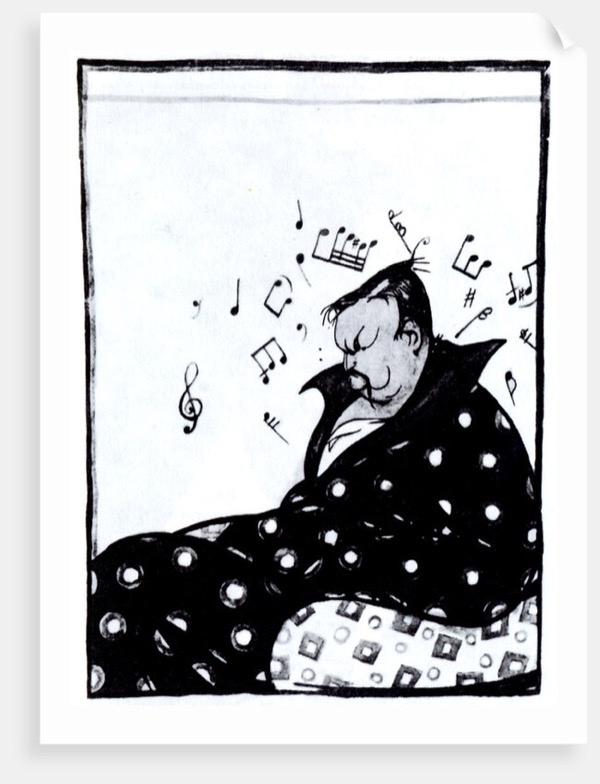
Alexander Glazunov
Unlike his numbered string quartets, the Suite for String Quartet Op. 35, composed between 1887 and 1891, is a kaleidoscopic work that showcases the composer’s youthful exuberance and growing mastery at the cusp of his twenties.
The Suite embraces a freer and more episodic structure, bursting with colour and variety that reflect both his Russian heritage and his fascination with diverse musical forms.
The opening “Introduction et Fugue” begins with a reflective, almost wistful melody, its gentle flow setting a contemplative mood before transitioning into a lively fugue built on the same theme. The counterpoint is crisp yet accessible, blending intellect with emotional warmth.
The “Scherzo” follows with a brilliant burst of energy that ripples across the strings, creating a sparkling, almost mischievous effect. Some commentators hear Glazunov capturing the thrill of a Russian dance. The third movement “Orientale” shifts to an exotic and evocative soundscape, with the viola conjuring images of distant lands.
The “Tema con variazioni” offers a Russian folk theme transformed through five vivid variations, including a rollicking “Alla Polacca.” In some versions, the suite closes with a delightful “Valse.” Engaging and versatile, this suite is a dazzling display of Glazunov’s craft, perfect for performers to savour as a whole or pluck individual movements as sparkling encores.
Conclusion
Alexander Glazunov’s seven string quartets and his vibrant Suite for String Quartet, Op. 35 stand as a testament to a composer who wove the soul of Russia into the refined tapestry of chamber music. From the youthful exuberance of his First Quartet to the poignant nostalgia of his Seventh, composed in exile, Glazunov’s works pulse with a unique blend of Slavic spirit and cosmopolitan polish.
Each quartet offers a window into his evolving artistry, capturing moments of joy, introspection, and resilience through melodies that sing and textures that breathe. As we celebrate his legacy on his birthday, these quartets invite us to listen closely and discover a composer who never lost his love for melody, craft, and the land that shaped him.
For more of the best in classical music, sign up for our E-Newsletter