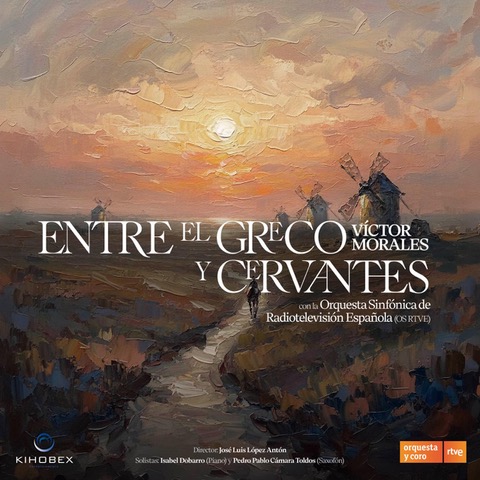
Spanish composer Víctor Morales transforms Castilla–La Mancha into a richly evocative musical landscape in Entre El Greco y Cervantes. Drawing inspiration from the region’s scenery, history, and literary heritage, he combines the spiritual intensity of El Greco’s paintings with the lasting influence of Miguel de Cervantes. Performed by the Orquesta Sinfónica de Radiotelevisión Española, with José Luis López Antón at the conductor’s post and featuring Isabel Dobarro on the piano and Pedro Pablo Cámara Toldos on the saxophone as soloists, this album provides a highly engaging musical depiction of one of Spain’s most culturally important areas.
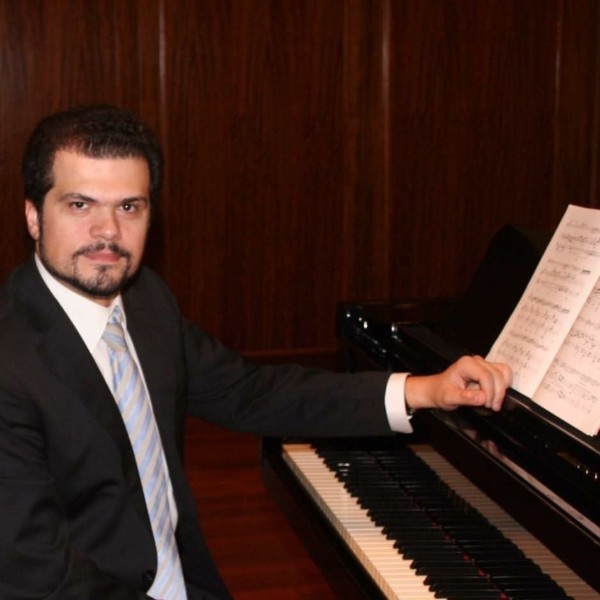
Víctor Morales © victormoralesmusic.com
Morales’ cinematic approach is visible in all the pieces on the album. The opening piece, Paisaje Castellano, unfolds slowly to depict expansive views of the Castilian countryside through vibrant orchestration. In the main work, Grecodías, Morales’ interest in El Greco’s distinctive artistic style is illustrated. It consists of two movements. The first, Vista de Toledo, begins with a musical dialogue between the bell and the piano, this dialogue taking place against a background of steadily building sounds in both the instruments and the entire texture. Pianist Isabel Dobarro gives each phrase a clear emotional expression, gently blending the piano into the orchestra. The second movement, El Entierro del Señor de Orgaz, is more meditative and mystical, involving expressive exchanges between the piano and the orchestra. Dobarro plays with a subtle sense of feeling. At the same time, the orchestra responds with tenderness and sensitivity, bringing Morales’ vision vividly to life and conveying the mystery, spirituality, and transcendence characteristic of El Greco’s art.
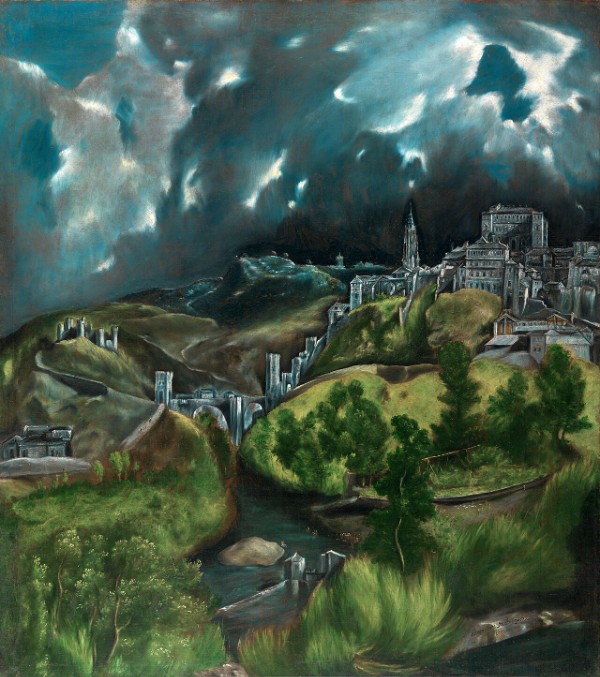
Vista de Toledo by El Greco
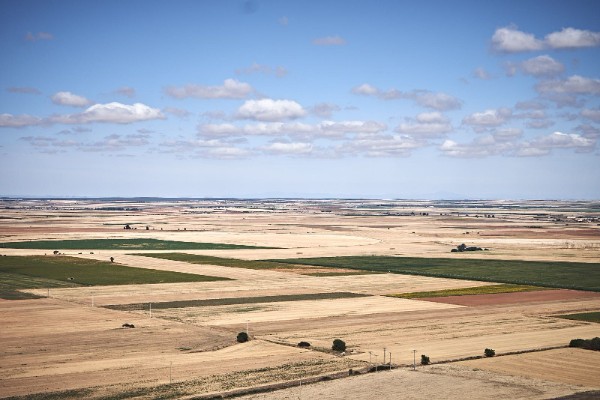
Castilian landscape © reflejandome.com
The next piece is Maese Pedro, a concerto for alto saxophone and orchestra based on Cervantes’ world. In it, the saxophone assumes various roles, at times functioning as a narrator, a character, or a commentator, just as Cervantes’ stories are playful and complex. Pedro Pablo Cámara Toldos displays great versatility in the solo section; his playing moves seamlessly from lyrical, singing lines to sharper, more virtuosic passages, enabling the saxophone to take on different roles with ease. The outcome is a performance which is both confident and dramatic.
The last piece, El Sueño de Dulcinea, ends the album in a personal and reflective manner. It is written for piano and string orchestra and focuses inward, depicting Dulcinea as a symbol of memory, longing, and idealism. In Dobarro’s sensitive and subtle interpretation, the lyrical beauty of the work is once again brought out, and the string orchestra provides a warm, luminous backdrop that enhances the music’s emotional richness. Thus, the piece concludes the album with warmth, care, tenderness, and gentle reflection.
A major strength of the album is the way it combines various art forms without forcing them to conform to a single style. Throughout the album, Morales’ creative voice is evident in rich orchestral colours and a broad musical language. Ultimately, Entre El Greco y Cervantes is concerned with the artistic conversation between painting and music, between literature and sound, and between history and modern ideas. Because of Morales’ creativity and the excellent performances by the RTVE Symphony Orchestra and its soloists, Castilla–La Mancha becomes more than only a place and turns into a spiritual landscape.
To learn more about the album, visit https://entreelgrecoycervantes.com.
For more of the best in classical music, sign up for our E-Newsletter