We all know Bess’ song from Porgy and Bess: ‘Summertime, and the Livin’ is Easy’. We decided to do a survey of what other composers thought about summer and were surprised at the very different moods and modes composers used to express their feelings.
Sten Carlberg (1925–1998) used a tune he’d written in 1952 for the theme for the Swedish radio program Sommar (Summer); it first appeared in 1960. His signature tune for the show summarises all we love about the season, particularly in its title Sommar, sommar, sommar (Summer, Summer, Summer). Said to have been inspired by a sail in the waters off Stockholm on a summer’s day, it captures the carefree, the happy, and the beauty of a summer day.
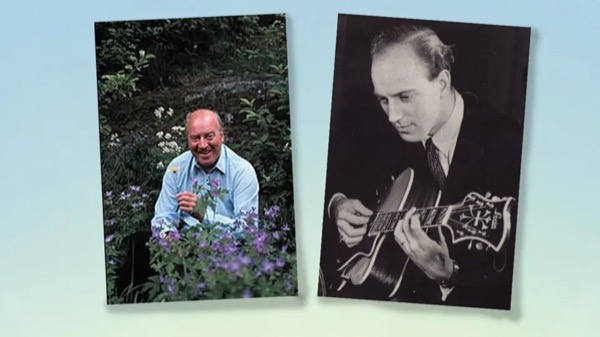
Sten Carlberg (courtesy Sverige Radio)
Sten Carlberg: Sommar, sommar, sommar (Summer, Summer, Summer) (Gothenburg Musicians; Jerker Johansson, cond.)
Zoltán Kodály (1882–1967) wrote mainly chamber music in his first years as a composer, with this Summer Evening as one of his few orchestral works. Kodály described it as an ‘idyll’, but it was, in fact, his graduation exercise for his graduation in Budapest in 1906. It was given its premiere at a student concert in October 1906, whereupon it vanished from the stage until 1928, when Arturo Toscanini prevailed upon Kodály to bring it out. Kodály reorchestrated it for a concert he conducted with the New York Philharmonic in 1930.
This serene and calm work is, as Kodály described, very much an idyll, full of modal harmonies and only small climaxes, closing in a calm mood.
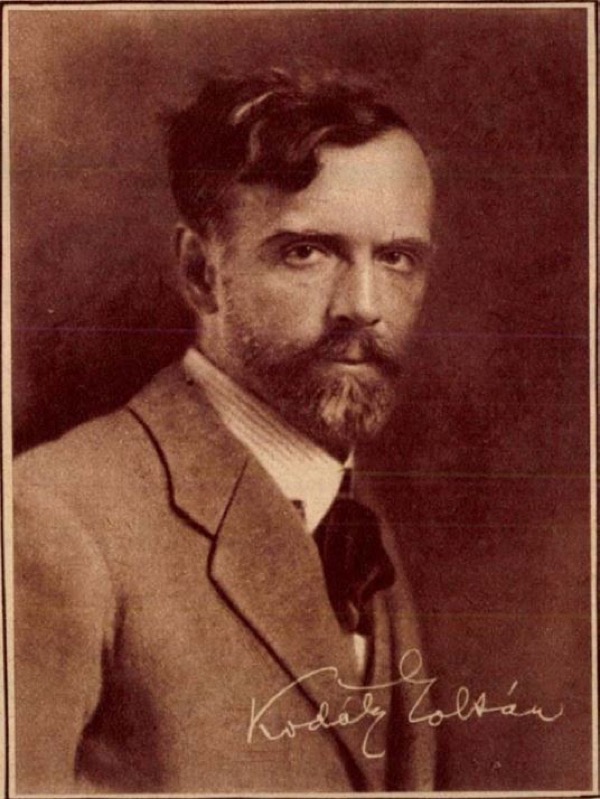
Zoltán Kodály, 1928
Zoltán Kodály: Nyári este (Summer Evening) (Buffalo Philharmonic Orchestra; JoAnn Falletta, cond.)
British composer Herbert Howells (1892–1983) wrote his Summer Idyls in 1911, as part of his submission for entrance to the Royal College of Music. These piano miniatures capture the times he and fellow composer Ivor Gurney spent wandering the Gloucestershire countryside. Some pieces are built on Debussy-like dreams, or capture Elgar’s tunefulness, or even the bravura of the latest works by Rachmaninoff. June-Haze is one of his Impressionist trials.
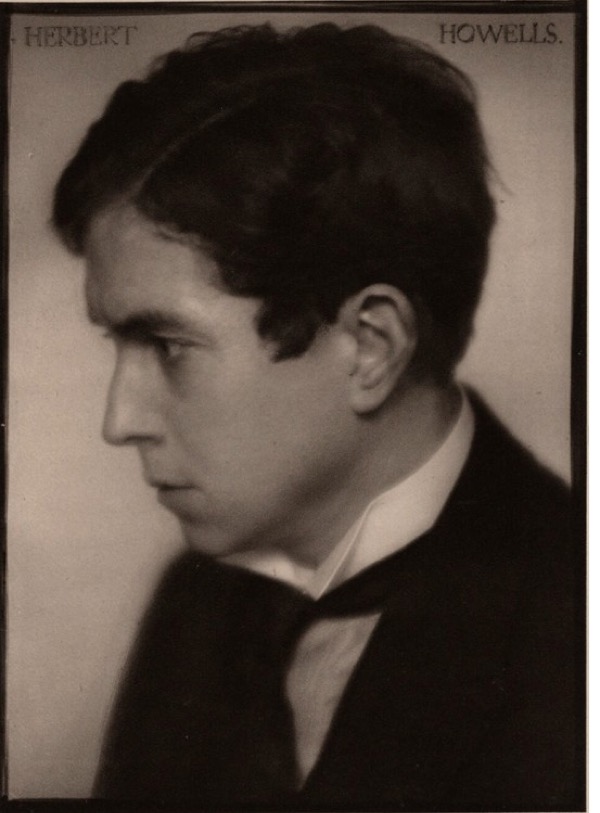
Herbert Lambert: Herbert Howells, 1922 (London: National Portrait Gallery, NPG Ax7756)
Herbert Howells: Summer Idyls: III. June-Haze (Matthew Schellhorn, piano)
Frank Ezra Levy (b. 1930) takes the 13th-century English round Sumer is icumen in and puts it in the hands of a large orchestra. The canon is fragmented, scattered ‘far and wide’, and reassembled at the end in a grand announcement of summer’s arrival.

Frank Ezra Levy
Frank Ezra Levy: A Summer Overture (RTÉ National Symphony Orchestra; Takuo Yuasa, cond.)
Taiwanese composer Chiayu Hsu takes the clarinet to a new place in Summer Night in a Deep Valley and challenges it with extended performance techniques. Inspired by the 11th-century landscape painter Guo Xi, whose scroll painting, Deep Valley, is a step away from his usual winter scenes.

Chiayu Hsu, 2016
Chiayu Hsu: Summer Night in a Deep Valley (Eric Schultz, clarinet)
Frank Bridge (1879–1941) wrote his orchestral work Summer between 1914 and 1915. We’re in the shimmering heat of the English countryside, and the melodies float in and out on the voices of the strings and woodwinds. It’s very pastoral yet conveys the idea of our composer lying on a hill, under a shady tree, looking out of the land that opens before him. Scurrying figures catch his attention and then vanish away into the haze.
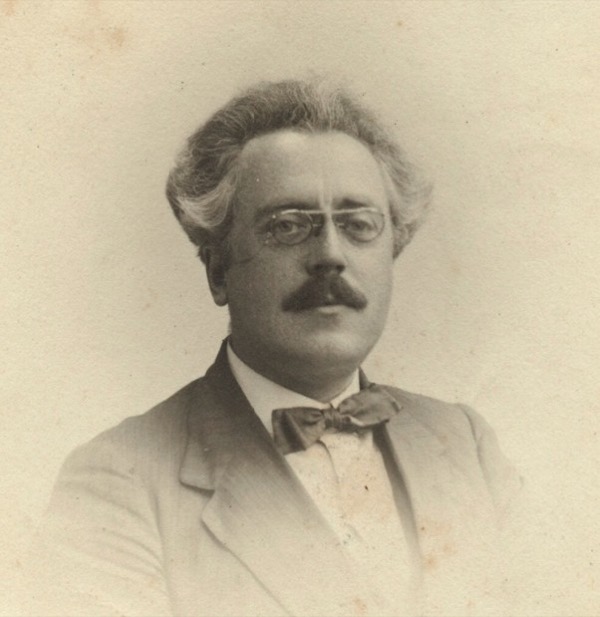
Frank Bridge, early 1920s
Frank Bridge: Summer (New Zealand Symphony Orchestra; James Judd, cond.)
Josef Suk (1874–1935) was a student of Antonín Dvořák after his graduation from the Prague Conservatory. In 1898, he married Dvořák’s daughter Otilie. Beginning as Dvořák’s favourite student, he ended up as director of the Prague Conservatory, influencing yet another generation of Czech composers.
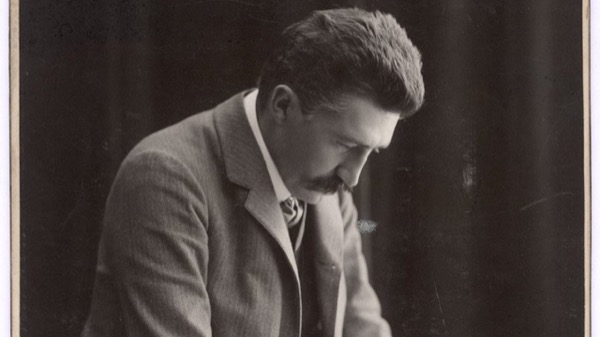
Josef Suk
His symphonic poem, Pohádka Léta (A Summer’s Tale), is also entitled a Musical Tale for Orchestra. He started work on it in 1907, completing it in 1908 for a very large orchestra. It continues the emotion of his Asrael Symphony, written following the death of his wife in 1905. It opens with Voices of Life and Consolation, before dropping us at Midday in the bright noon sun, with the countryside shimmering in the sun’s haze. A hymn to the sun forms the core of this second movement. The other movements take us around with a group of blind musicians, still in the summer heat, and then into the night with In the Power of Phantoms. It closes with Night, with the phantasmas of the night resolved with the coming of a hymn of night.
Josef Suk: A Summer’s Tale, Op. 29: V. Night (Slovak Radio Symphony Orchestra; Andrew Mogrelia, cond.)
Finnish composer Einojuhani Rautavaara (1928–2016) says he writes his music for himself, but it has the ability to speak to many people. In his 2008 work Summer Thoughts, he was reworking material he had first created in the 1970s.
Summer thoughts matches an earlier work about Spring, April Lines, but instead of a commentary on the ‘instability of April’, his summer work is calm and flowing. However, it’s not all ‘sun and smiles’ as August turns to the upcoming dark of Autumn.
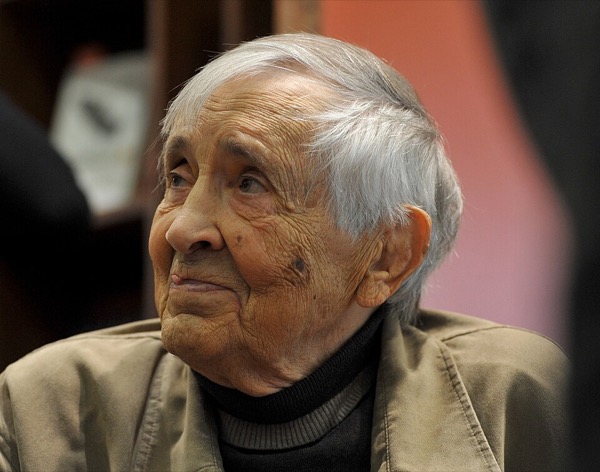
Einojuhani Rautavaara, 2014 (photo by Teemu Rajala)
Einojuhani Rautavaara: Summer Thoughts (Pekka Kuusisto, violin; Paavali Jumppanen, piano)
Finnish composer Usko Meriläinen (1930–2004), in his Suvisoitto huilulle ja heinäsirkoille (Summer Sounds for flute and grasshoppers) for flute, created a whole world of sound without necessarily involving melody. Behind the innovative flute writing is a tape world of grasshoppers, ‘our own Finnish insects, foreign cicadas, and even Japanese meadow crickets’, as the composer notes. Their nervous energy seems to condense time and causes even the flautist to make insect sounds.
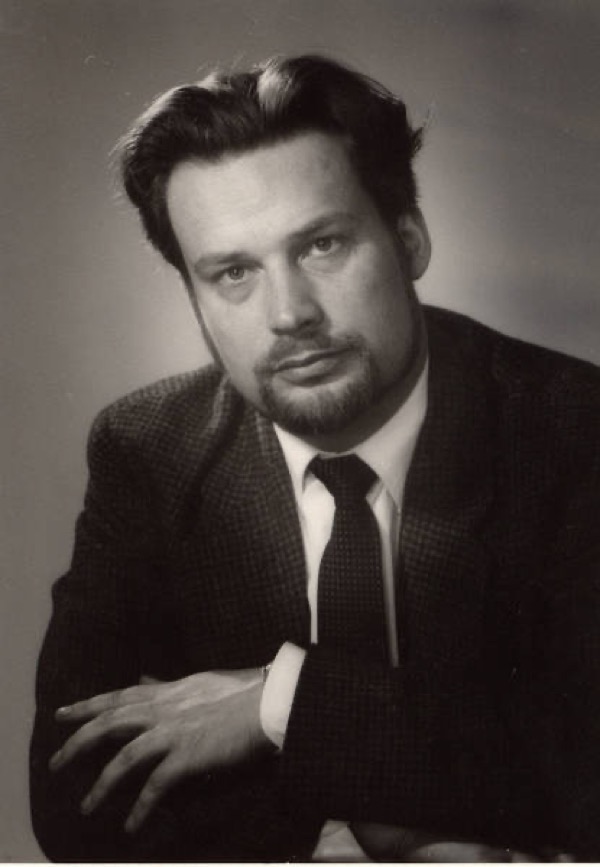
Usko Meriläinen, 1960s
Usko Meriläinen: Suvisoitto (Summer Sounds) (Mikael Helasvuo, flute; Usko Meriläinen, tape)
Latvian composer Pēteris Vasks (b. 1946) wrote Vasaras vakara mūzika (Music for a summer evening) in 2009, using old sketches, and so this modern work harks back to his earlier works. The composer writes: ‘It describes the quiet end of a summer day. The sun sets. Slowness. Memories of previous experiences rise. With the memories’ appearance comes an increase in intensity. Towards the end, a kind of folksong is heard: ‘We have survived the time of tyranny and have kept our identity’. The ending is quiet, everything is asleep’.
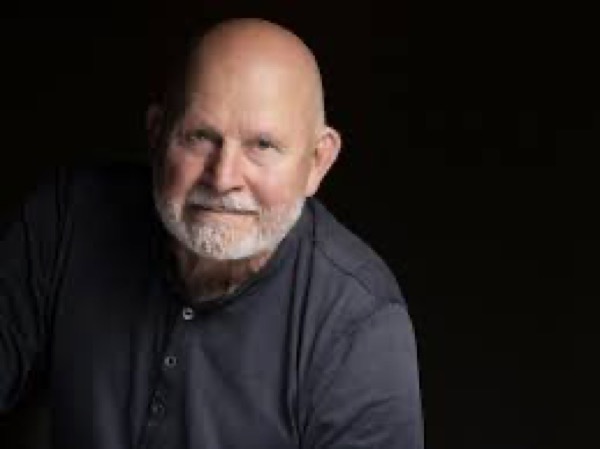
Pēteris Vasks
Pēteris Vasks: Vasaras vakara mūzika (Music for a summer evening) (Georgijs Osokins, piano)
In an earlier work for string quartet, Vasks also wrote about another aspect of the season in Vasaras dziedajumi (Songs of the Summer). It is in the second movement that his love for nature comes through. Entitled Birds, the movement is full of glissandos and rapid figures that were all inspired by birdsong.
Pēteris Vasks: String Quartet No. 2, “Vasaras dziedajumi” (Songs of the Summer): II. Birds (Navarra Quartet)
Francis Pott (b. 1957) used a phrase he remembered from an otherwise forgotten poem to create his Drowned Summer. This piano work was begun in 1984, and then rewritten in 1987, 2006, and 2018, all striving to encapsulate a dream. As befits its long gestation, the work remembers a number of different summers, all lost in a haze of history and half-remembered images. He quotes Dame Edith Sitwell from her poem ‘Metamorphosis’ in his notes about the piece, and its opening stanza:
We are the summer’s children, the breath of evening, the days.
When all may be hoped for—we are the unreturning.
Smile of the lost one, seen through the summer leaves—
That sun and its false light scorning.
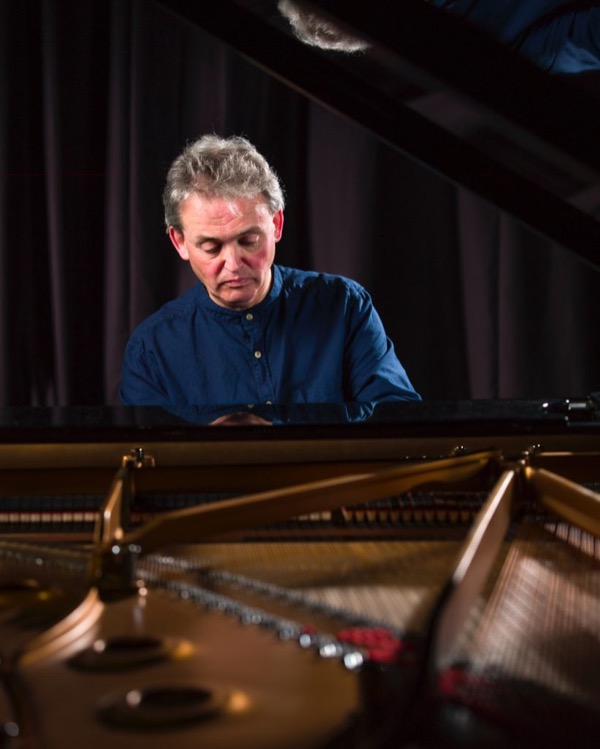
Francis Pott
Francis Pott: Drowned Summer (Duncan Honeybourne, piano)
In a very different vein, Vito Nicola Paradiso (b. 1964) conveys a much different summer in his work for guitar quartet and double bass, Last Day of Summer. It is filled with that calmness at the end of summer as we look back on happiness and look forward to autumn.
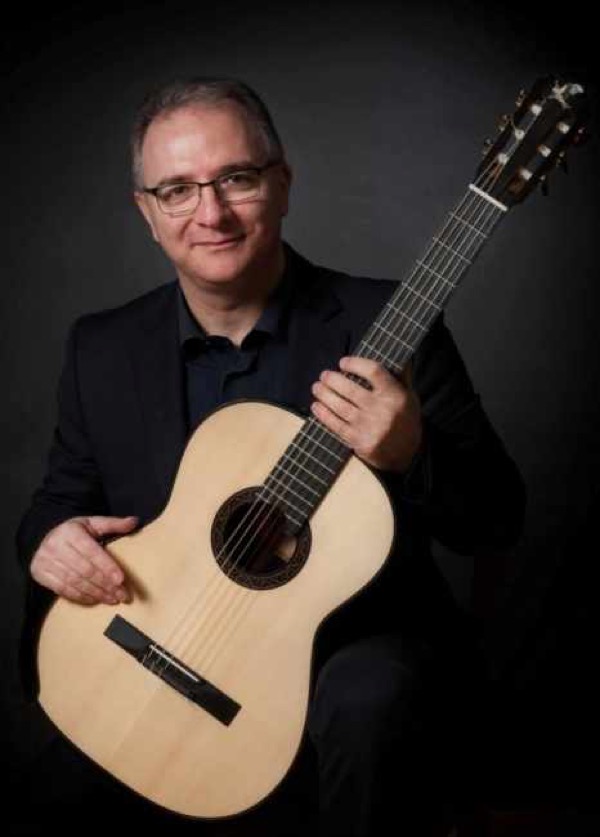
Vito Nicola Paradiso
Vito Nicola Paradiso: Last Day of Summer (version for guitar quartet and double bass) (Paradiso Guitar Quartet and Bass)
Power bass guitarist and composer Lauri Porra (b. 1977) goes sentimental with his piano work Dreaming of Summer.
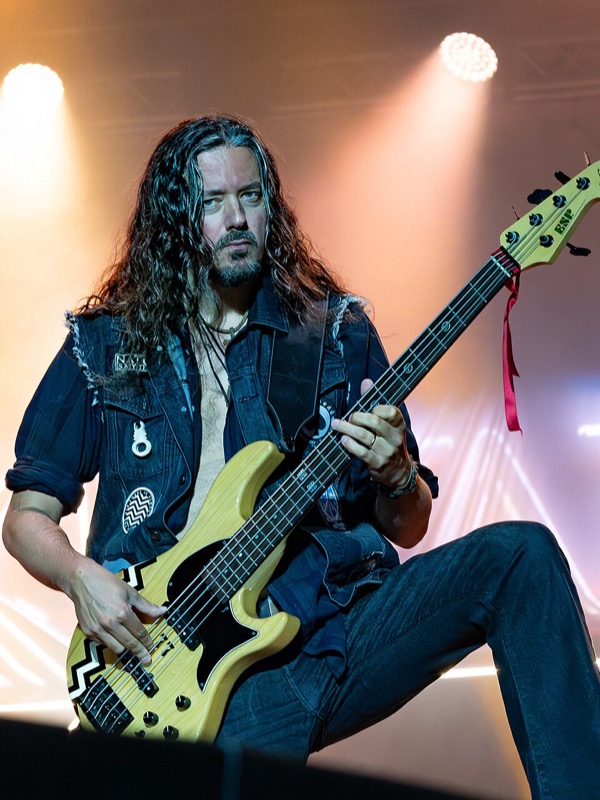
Lauri Porra, 2025 (photo by Dario De Marco)
Lauri Porra: Dreaming of Summer (Lauri Porra, piano)
The summer of 2020 was a time when the world stood and looked out the window. The COVID lockdown placed burdens of isolation and restriction that many felt deeply. In her work from that period, I Cry –Summer 2020, American composer Margaret Brouwer (b. 1940) placed her emotions in the hands of a violinist and pianist and created a work that brings out all of our fears and unhappiness. It’s not a summer we want to repeat.

Margaret Brouwer (photo by Ken Blaze)
Margaret Brouwer: I Cry – Summer 2020 (Mari Sato, violin; Shuai Wang, piano)
In his Four Seasons, Vivaldi evoked the heat of the summer, sleeping under a shady tree, and the storms of summer.
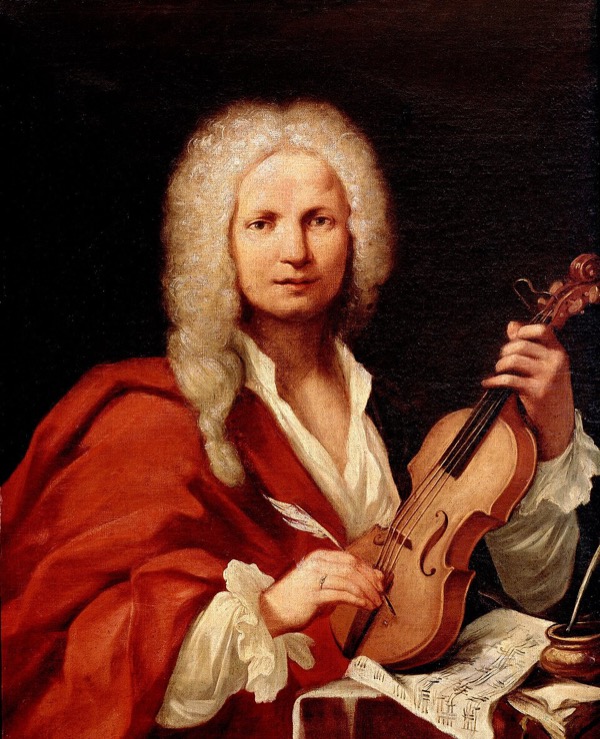
Antonio Vivaldi
Antonio Vivaldi: The Four Seasons: Violin Concerto in G Minor, Op. 8, No. 2, RV 315, “L’estate” (Summer): I. Allegro non moto (Alice Harnoncourt, violin; Nikolaus Harnoncourt, cello; Herbert Tachezi, harpsichord; Concentus Musicus Wien; Nikolaus Harnoncourt, cond.)
Antonio Vivaldi: The Four Seasons: Violin Concerto in G Minor, Op. 8, No. 2, RV 315, “L’estate” (Summer): II. Adagio (Alice Harnoncourt, violin; Nikolaus Harnoncourt, cello; Herbert Tachezi, harpsichord; Concentus Musicus Wien; Nikolaus Harnoncourt, cond.)
Antonio Vivaldi: The Four Seasons: Violin Concerto in G Minor, Op. 8, No. 2, RV 315, “L’estate” (Summer): III. Presto (Alice Harnoncourt, violin; Nikolaus Harnoncourt, cello; Herbert Tachezi, harpsichord; Concentus Musicus Wien; Nikolaus Harnoncourt, cond.)
But Max Richter, in his New Four Seasons, recasts the work into a modern feel.
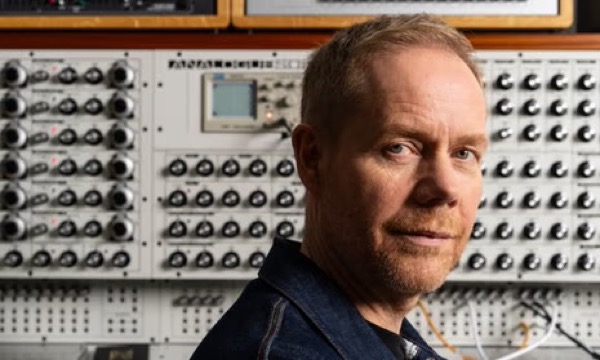
Max Richter
Max Richter: The New Four Seasons (after A. Vivaldi): Summer 1 (Elena Urioste, violin; Chineke! Orchestra; Max Richter, electronics)
Max Richter: The New Four Seasons (after A. Vivaldi): Summer 2 (Elena Urioste, violin; Chineke! Orchestra; Max Richter, electronics)
Max Richter: The New Four Seasons (after A. Vivaldi): Summer 3 (Elena Urioste, violin; Chineke! Orchestra; Max Richter, electronics)
Which summer, Vivaldi’s or Richter’s, is closer to your life?
In their images of a single season, the composers thought about the past, their memories, and the present (although I think Richter takes us into the future). Summers can be dreamy, can be hazy, can be lazy, or can be stormy and full of rain and lightning. Each new vision makes us adjust our own thoughts of summer.
We’ll close with a remix of a remix: Richter’s Summer 3 remixed by Benjamin Berry and his electronic band Fear of Tigers. Perhaps this is the mix for hot summer nights dancing out on the piazza!
For more of the best in classical music, sign up for our E-Newsletter
Max Richter: The Four Seasons (after A. Vivaldi): Summer 3: Part I (Fear of Tigers Remix) (Daniel Hope, violin; Max Richter, keyboards; Raphael Alpermann, harpsichord; Konzerthausorchester Berlin; André De Ridder, cond.)