It is well-known that Mozart was one of the most important influences on the music of Tchaikovsky. Of him, Tchaikovsky used to say that he was the highest, the culminating point that beauty has attained in the sphere of music. The Russian composer was deeply affected by him, and several elements of Mozart’s music have tainted Tchaikovsky’s output. In fact, discovering Mozart’s music has been for him a turning point in his life, and has directed his professional and artistic life forever. Mozart has become an obsession for most of the composer’s life, and the creativity of Tchaikovsky has been embedded within the canons of Mozart’s music. If different in their musical output, there are many similarities one can highlight from the influence of the former on the latter.
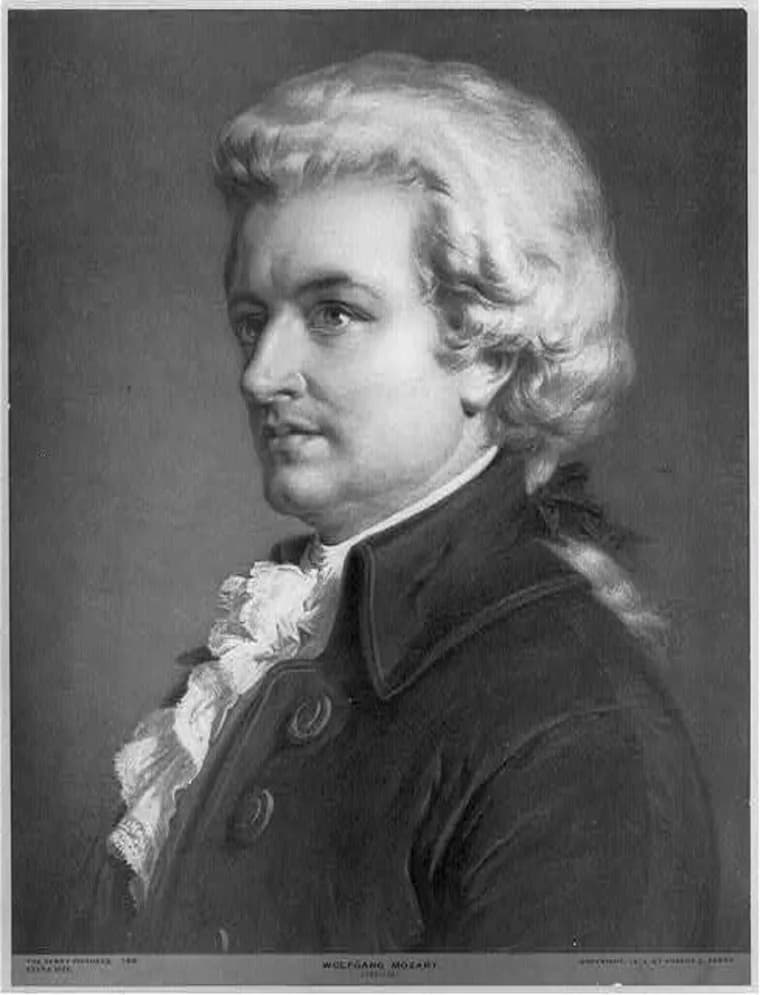
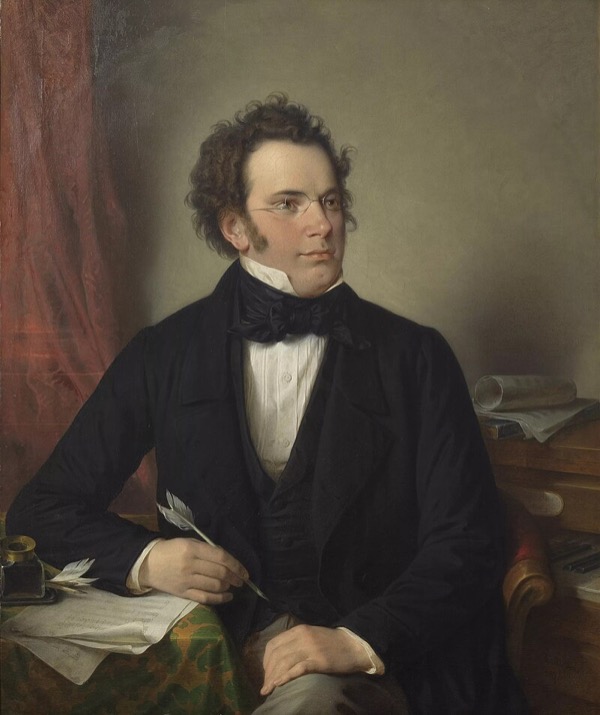
Wolfgang Amadeus Mozart © media-cldnry.s-nbcnews.com
Mozart was a promoter of his native language and culture, and was one of the first central European composers to emphasise the importance of the German language in operas, in disfavour of the trends of the times, which would prefer Italian. This sort of cultural nationalism and promotion is only at early stages in the music of Mozart, but fully developed in the works of Tchaikovsky. He, too, promoted his Russian heritage, notably in the usage of native folklore melodies and colours. In fact, one cannot argue the fact that Tchaikovsky’s music sounds “Russian”. It is thanks to his contribution, his work and influence on future composers that Dvořák, Sibelius, Bartók and many more would then celebrate their own national and cultural heritage.
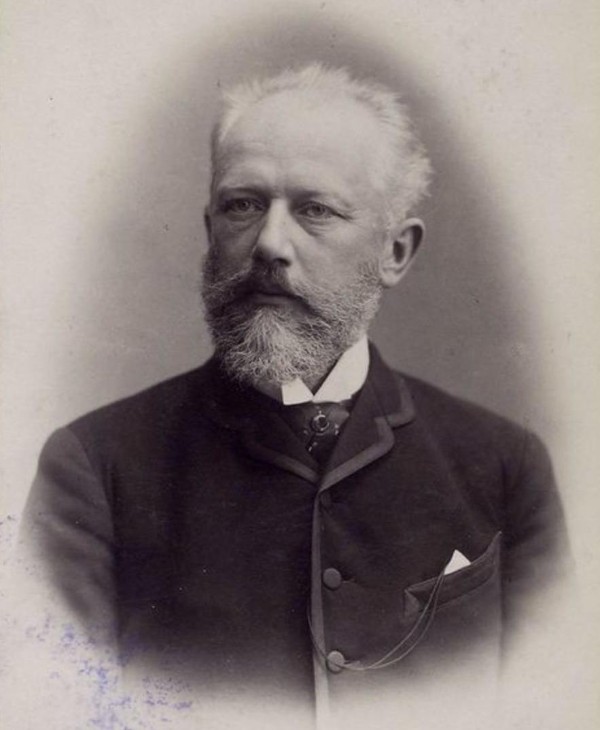
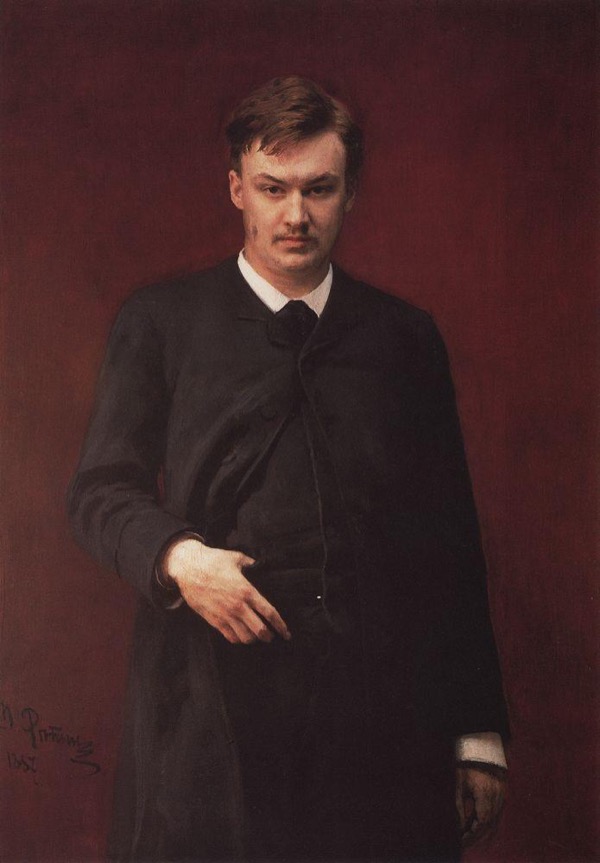
Pyotr Ilyich Tchaikovsky
Tchaikovsky, at a turning point in the history of Russian music — and soon to be followed by the likes of Rimsky-Korsakov, Scriabin, Rachmaninoff and then of course Prokofiev, Shostakovich, Stravinsky and Khachaturian — stayed very much in line with the classical tradition — and in fact perhaps even returned to simpler forms based on the Classical era canons. If folklore music took some space in his music, it is rather elegant and without the audacity of his followers. Very much in line with Mozart’s own simplistic elegance.
The Magic Flute – ‘Der Vogelfanger bin Ich ja’ (Mozart; Roderick Williams)
Two works often associated with each composer, for instance, are Mozart’s opera The Magic Flute and Tchaikovsky’s ballet The Nutcracker. Two works, which, although composed differently, in different shapes and forms, and during different moments in time, manage to sustain similar elements. One close look at the orchestration of both works, and one will find similarities in its approach there for instance; flutes, oboes, clarinets, bassoons, horns, trumpets, trombones, timpani and strings are the least surprising, but the presence of choruses and most importantly glockenspiel and celesta, so characteristic of both works too, reveals a real connection between both composers’ creative approach.
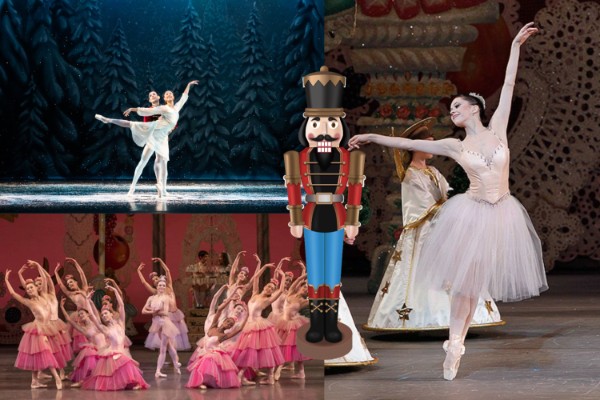
The Nutcracker
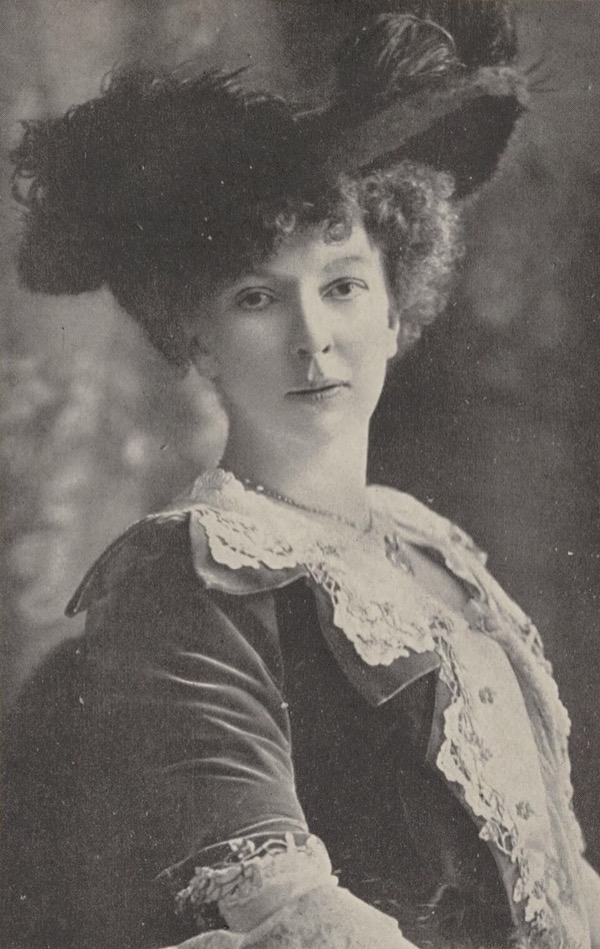
Tchaikovsky, just like Mozart, benefited from the contribution of his supportive patrons, namely Nadezhda von Meck, who also supported other composers of his contemporaries, much as Debussy.
Interestingly enough, one can also note that both Mozart and Tchaikovsky are often listed as some of the most well-known and most performed composers. It is quite common as well to hear their music in advertisements, films or as background music or in public spaces. It is this shared quality and heritage that Tchaikovsky took from Mozart — the focus on melody — that makes these composers’ music almost timeless.
Mozart, Ah! vous dirai je maman Twinkle Twinkle, Little Star KV 265
An interesting element to look at for both composers, in their simplicity and timeless quality, is that they are often used in children’s music. Whether these are traditional songs (Mozart’s “Twinkle, Twinkle, Little Star”, or Tchaikovsky’s “Dance of the Sugar Plum Fairy”), children’s books, games, plays etc. The reason for them specifically being used is, of course, the directness of their music, the emotions, and the fact that it can be understood by all, as well as the simplicity of the melodies, making them easily memorable and easy for musicians of all ages to comprehend and sing!
For more of the best in classical music, sign up for our E-Newsletter