“During my whole pianistic education, no teacher ever suggested I learn a piece by a female composer.”
British pianist Susan Tomes writes as she introduces her new recording of music by women composers, a companion to her acclaimed 2024 book Women and the Piano: A History in 50 Lives. It is a striking admission from a musician whose long and distinguished career has encompassed solo performance, chamber music, teaching and writing, yet perhaps not an especially surprising one. For generations, the piano repertoire passed down from teacher to pupil has been dominated by male composers. The absence of women was rarely remarked upon; their music wasn’t there.
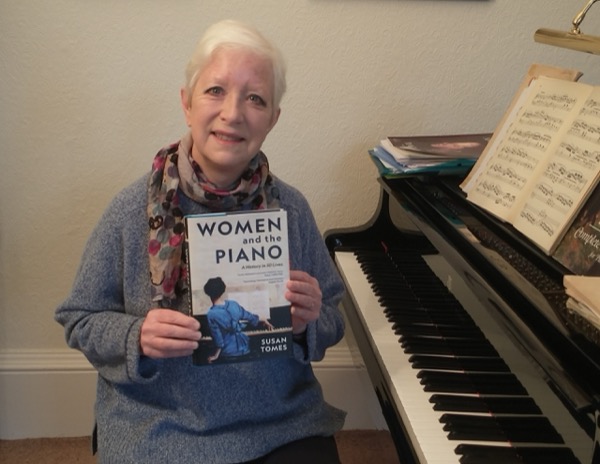
Susan Tomes
When I reviewed Women and the Piano on its publication, I was struck not only by the obstacles and prejudices the women Tomes chronicled faced, but also by their determination, individuality and sheer variety. These were not merely neglected women seeking a place in a musical world created by men. They were artists in their own right: performers, composers, teachers, innovators and entrepreneurs, women who toured internationally, attracted devoted audiences, experimented with new technologies and helped shape the developing culture of the piano.
The book restored their stories to the instrument’s history. This recording takes the natural and perhaps necessary next step: it allows us to hear their music.
Spanning some 250 years of piano history, Tomes’s recording places relatively familiar names such as Clara Schumann, Fanny Mendelssohn, Cécile Chaminade and Amy Beach alongside composers who may still be unknown to many listeners. Among them are Marianne Martínez, a pupil of Haydn; the Polish pianist and composer Maria Szymanowska; Sophie Menter, the celebrated Liszt pupil whom he reportedly called “the piano itself”; the Venezuelan virtuoso Teresa Carreño; and Raie da Costa, once a hugely successful light-music pianist and recording artist.
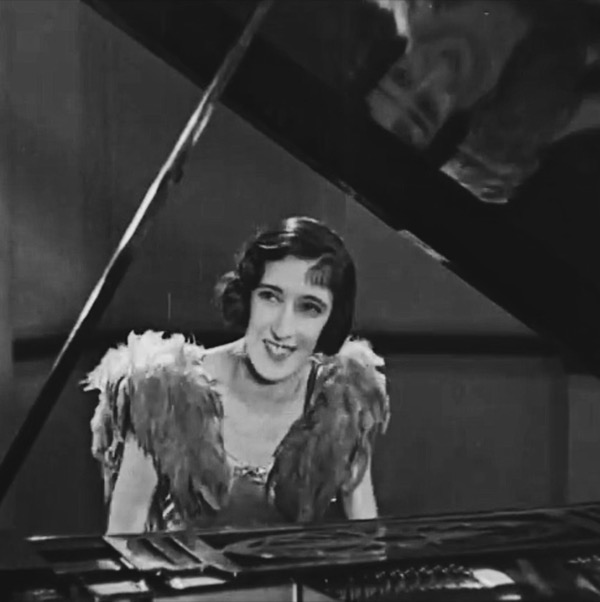
Raie da Costa
What is especially telling is that several of these women were far from obscure in their lifetimes. Szymanowska toured Europe and became a pianist at the Russian imperial court; Menter enjoyed an international career; Carreño was one of the most celebrated pianists of her generation. Yet fame, even considerable fame, offered no guarantee that their compositions would become part of the repertoire passed down to subsequent generations.
This raises a wider question: how does music disappear?
The classical repertoire can sometimes seem fixed and immutable, a body of great works that has somehow arrived fully formed in the present day. In reality, repertoire is continually shaped by performers, teachers, concert promoters, publishers, recording companies and, not least, audiences. Music survives because people keep playing it. Teachers recommend pieces to their students; students carry them into their own musical lives; performers programme them; listeners come to recognise and love them.
The reverse can happen just as quietly. A piece that is not taught is less likely to be played. A piece that is not played is not heard. Gradually, it slips from view until its absence seems entirely normal. This is what makes Tomes’s opening observation so telling. Her teachers did not necessarily instruct her not to play music by women. They never suggested any. My own piano studies in the 1970s and 80s were also bereft of women composers, except perhaps Clara Schumann. Fortunately, this sin of omission has been forcefully corrected in recent years, particularly through music exam boards’ insistence on including music by women composers in syllabuses, and a greater focus on music by women in concert programmes.
Something particularly satisfying about this recording is its relationship to Women and the Piano. The book recovered lives, careers and achievements too often pushed to the margins of piano history; now Tomes moves from biography to sound. The women who appeared on the page can speak through the music they actually wrote.
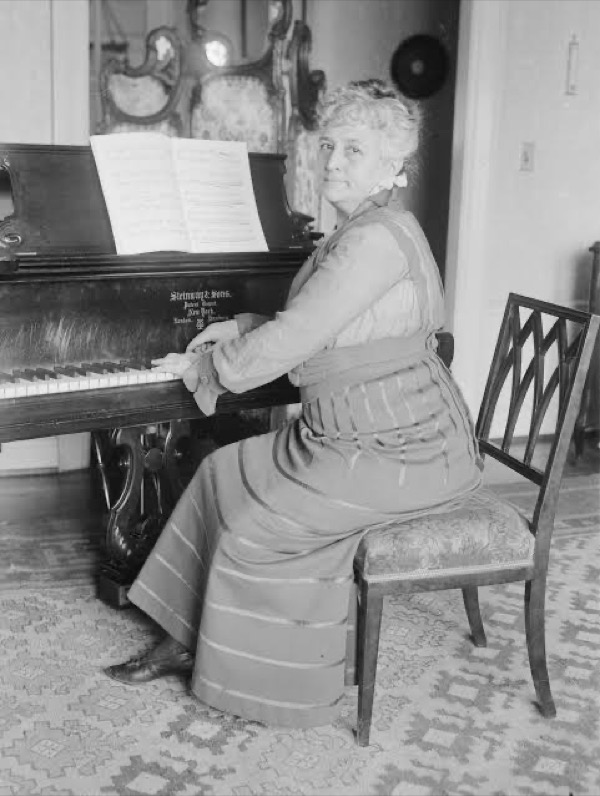
Teresa Carreño
Tomes has largely chosen shorter works, allowing a remarkable range of voices and styles to be accommodated chronologically within a single recording. The result is neither an attempt to construct an alternative female canon, nor does the music require special pleading simply because of the sex of its composers. Instead, the invitation is much simpler: here is music, for various historical and cultural reasons, that most of us have not had the opportunity to know.
Schumann (C): Soirées musicales, Op 6 – No 2: Notturno – Susan Tomes
And perhaps that is the most persuasive form of redress. Historical research can explain why music vanished from view, but ultimately the repertoire lives not in books or archives but in performance. Tomes has written these women back into the history of the piano; with this recording, she plays them back into its repertoire.
As one would expect from a pianist with a long and distinguished career, and a thoughtful and insightful writer on music and the piano in particular, this album is characterised by clarity, subtlety, sensitivity and intelligence. Tomes’ responsiveness to, and deep understanding of, each work’s character illuminate the distinctive voices and personalities of the composers represented here, bringing their music vividly to life with refinement, warmth, and expressive nuance. This is a rewarding and thoroughly enjoyable album, offering both the pleasure of discovery and a persuasive invitation to explore this neglected repertoire further.

Women and the Piano is released on the Hyperion label on 9 October.
For more of the best in classical music, sign up for our E-Newsletter