
The solo violin has long been acknowledged as the perfect instrument to express emotions like love, longing, heartbreak, rapture, and romance. The Romantic era lasted from the early nineteenth century to the early twentieth century and produced numerous works that
Latest article
Spotlight
-
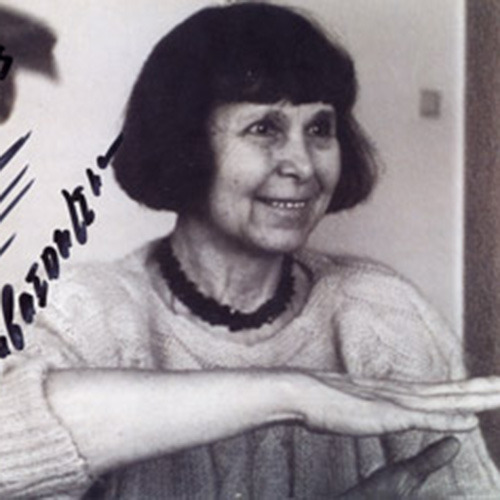
 Sofia Gubaidulina September 1st, 2016 An Uncompromising Vision Sofia Asgatovna Gubaidulina, born on 24 October 1931 in Tschistopol, a small town on the Volga in the Tartar Republic of the USSR, has never been in doubt about her personal and musical identity and convictions. “I
 -
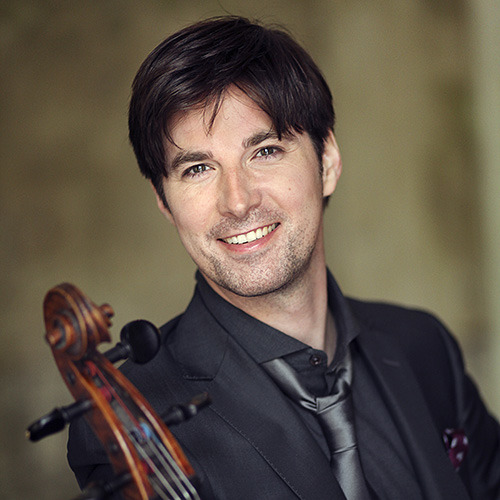 Daniel Müller-Schott September 1st, 2016 ‘energy, acceptance, openness’ Having won the Tchaikovsky Competition for Young Musicians at age 15, and been the personal protégé of Rostropovich on recommendation of Anne-Sophie Mutter, one not need question Daniel Müller-Schott’s credentials. One of the most celebrated cellists around,
 -
 The Best Classical Music To Listen To While Studying August 31st, 2016 Whether you’re a newbie or a lifelong connoisseur, all classical music fans agree: some pieces work better as background music than others…especially when we’re studying! A Mahler symphony is powerful in the concert hall, but in the study hall, its
 -
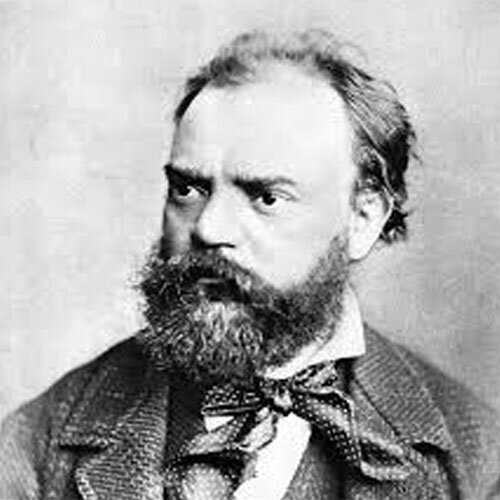 Antonín Dvořák: Concerto for Violoncello and Orchestra in B minor, Op. 104, B. 191 August 30th, 2016 With his Cello Concerto in B minor, Op.104, Antonín Dvořák created one of the all-time greatest works in the genre. Yet curiously, Dvořák had written in 1865, “The cello is a beautiful instrument, but its place is in the orchestra
 -
 Minors of the Majors
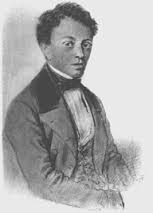
Frédéric Chopin: Grand Duo Concertant August 29th, 2016“Minors of the Majors” invites you to discover compositions by the great classical composers that for one reason or another have not reached the musical mainstream. Please enjoy, and keep listening! Chopin arrived in Paris in the middle of September -
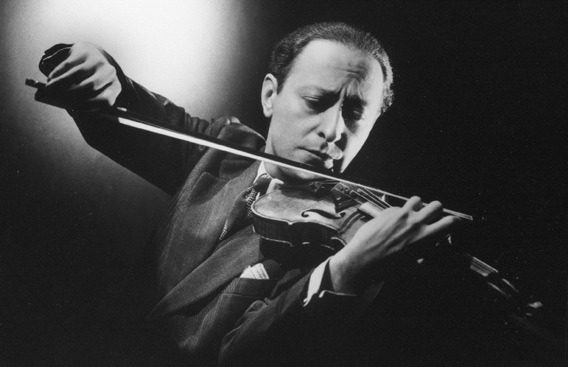 Musical Giants of the 20th Century: Violinists August 28th, 2016 During the last century we have been blessed with many exceptional violinists. Ten violinists, musical giants of the 20th Century, truly changed the world of music. Bronislaw Huberman Legendary violinist Bronislaw Huberman was born in Poland in 1882. His extraordinary
 -
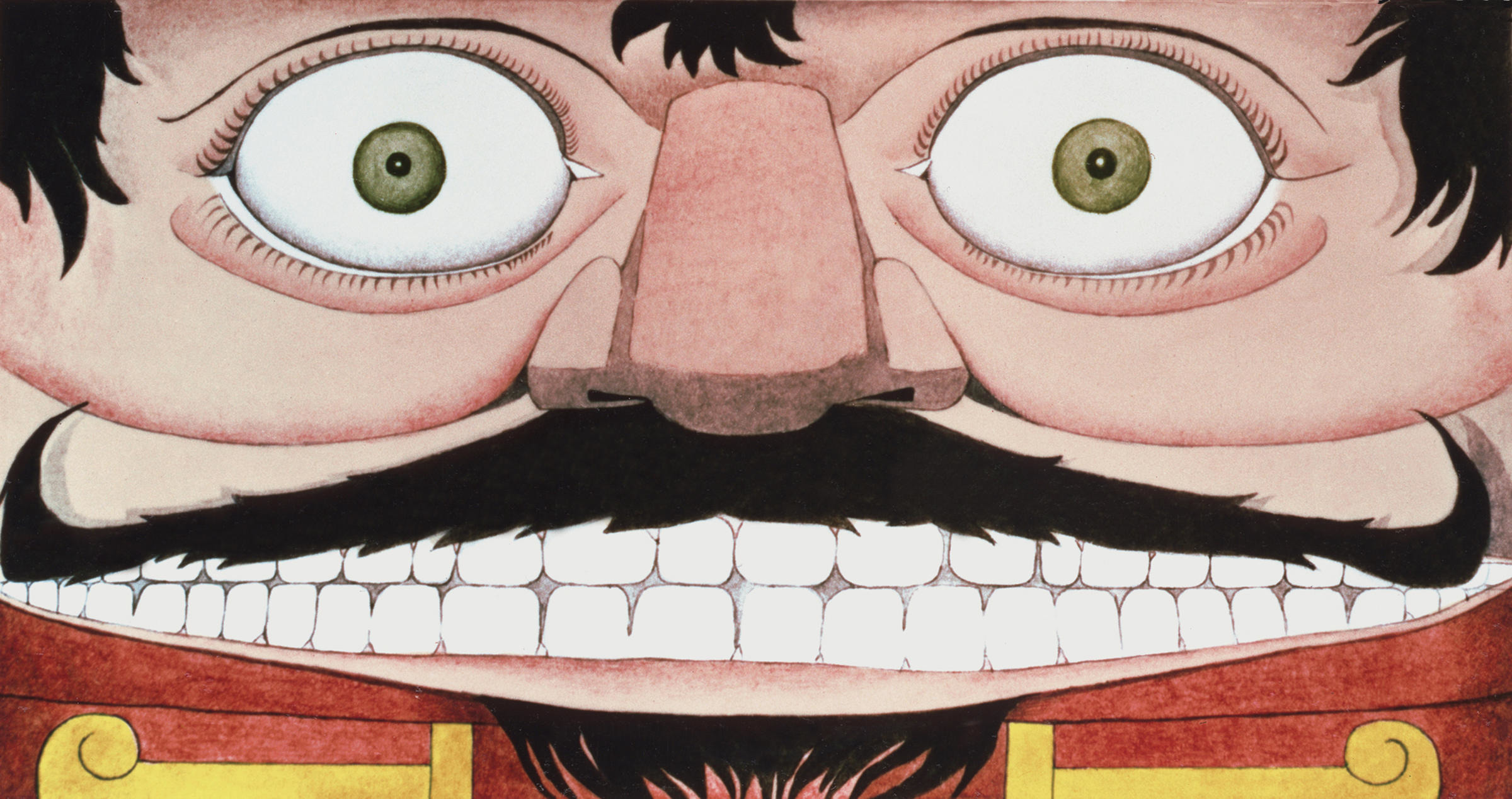 An Artist at the Opera: Maurice Sendak August 28th, 2016 We remember him for Little Max and the Wild Things, but artist and author Maurice Sendak (1928-2012) has shown us more than just Where the Wild Things Are. His stage works include both opera and ballet sets.
 -
 Ravel’s Feline Family August 27th, 2016 In 1921, Maurice Ravel moved to a tiny villa outside of Paris, close to both culture and countryside. He named his cramped cottage “Belvedere.” It was his first house, and his dream house, and the last he ever had. Inside