The combination of flute and piano has always been magical. The solid grounding of the piano permits the flute to fly above in song. At the same time, the piano can meet the flute in its own stratosphere.
A new recording by flautist Megan Sterling and pianist Kristian Chong on the new label Azure Sky takes us around the world on this magical carpet of flute and piano sound. Moving between Europe and Australia, the music on the recording gives us both a look back at the flute in the 20th century and a look forward at where it might be going in the 21st century. It’s an inspiring collection of music that makes you look at the usual in a different way and places the new works in a larger historical context.
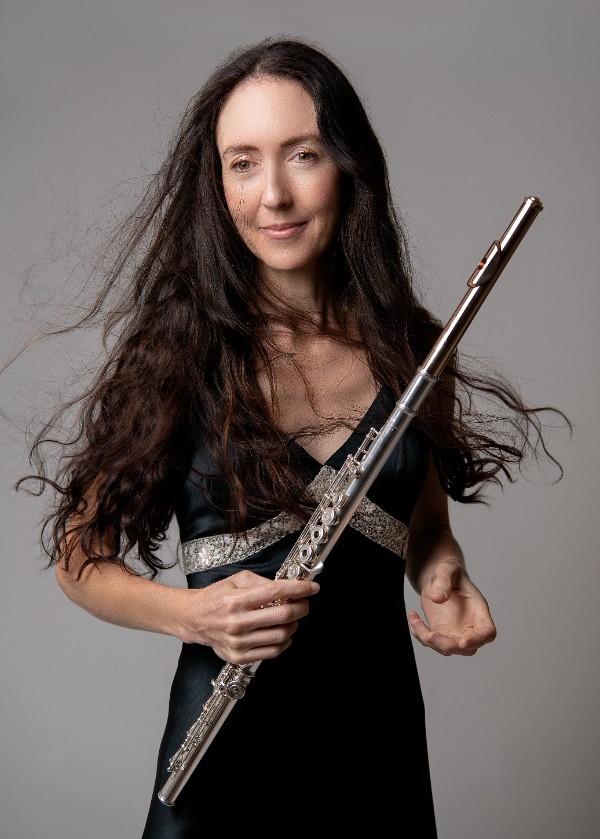
Megan Sterling (photo by Natalia Segura)
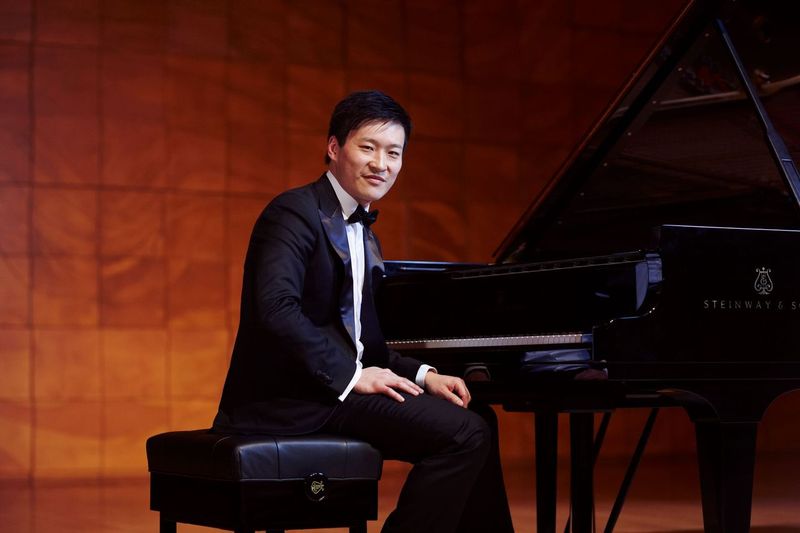
Kristian Chong (Photo by John Tsiavis)
We spoke with flautist Megan Sterling about her new recording, and when we asked about its inspiration, she said it came down to music she loved that would truly showcase the instrument. When a composer really understands the nature of the flute, the flautist can tell! Sterling talked about how she and the pianist, Kristian Chong, selected repertoire as a setting that would show off both the flute and the piano, and, in a larger sense, how the two instruments complement each other.
Melody, colour, and sparkle are all typical of French flute music, and this same set of ideas has been picked up by the Australian composers and carried forward. None of these pieces exhibits the ‘opera-aria’ style where the flute sings above while the piano plays dutiful support, and in one work, the composer has actively made the two instruments equal.
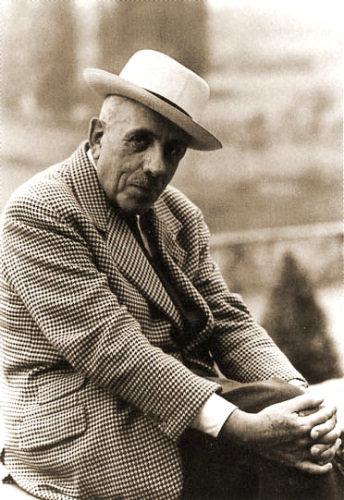
Francis Poulenc
The album opens in flute-loving France with Poulenc‘s classic Sonata for Flute and Piano. Its very French blend of wit and a kind of bittersweet lyricism defined the flute genre for the mid–20th century. Written in 1956 and 1957 and given its premiere by Jean-Pierre Rampal, its dedication to Elizabeth Sprague Coolidge recognises her role as the American patron of the 20th century. The warm singing opening welcomes us instantly into the world of the flute.

Carl Vine
Australian composer Carl Vine (b. 1954) takes a standard form, a sonata for flute and piano, and makes it uniquely his own. The flute and piano are made equals in this ‘cycle of transformation and return’. It also serves as an instant contrast with the voices of the French composers. Sterling thought Vine’s writing was idiosyncratically true for the flute, but also noted that he would add high flute lines that were quite typical of the French flute school writing. As a work, it shows us both where the flute has been…and where it might explore next.
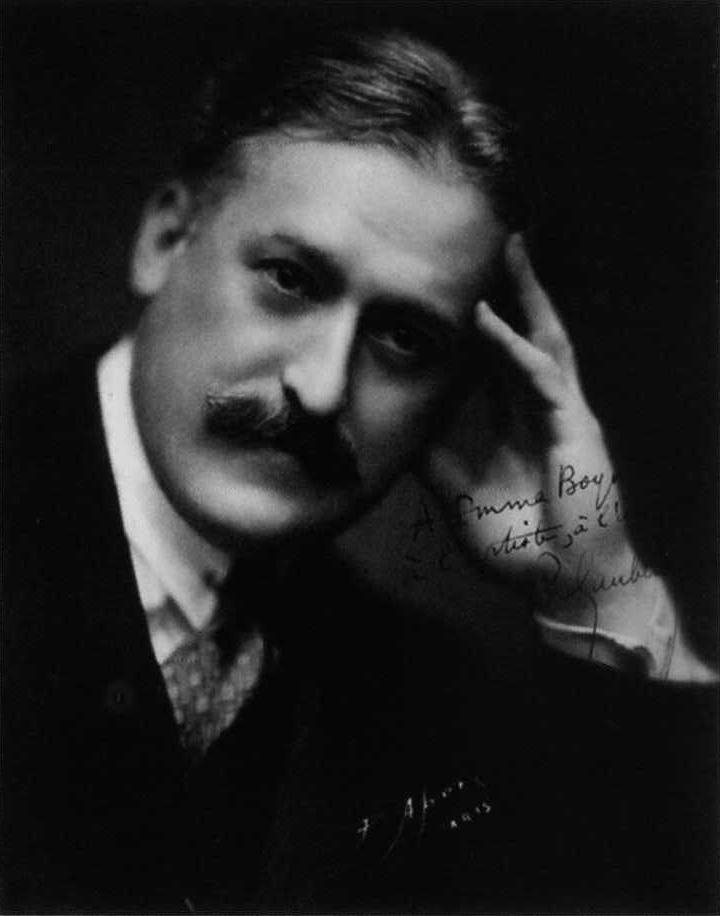
Philippe Gaubert
A step back in time takes us to Philippe Gaubert (1879–1941), professor of flute at the Paris Conservatoire and best-known as the teacher of the master of the modern French flute, Marcel Moyse. Gaubert began recording in 1919 and helped establish the flute’s dominance in early 20th-century France. There’s much of 19th-century Impressionism in this music, particularly in the opening movement.
Philippe Gaubert: Sonata for Flute and Piano – I. Modére
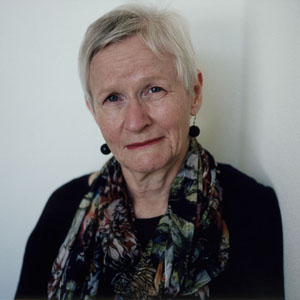
Anne Boyd
Australian composer Anne Boyd (b. 1946) brings us a wonderful Asian-style sound piece in Goldfish Through Summer Rain (1979). Much of Boyd’s music showed her fascination with the music of Japan, and this work’s shakuhachi-like flavour takes us to unexpected sound landscapes. Her links with Asia include being the founding head of the Department of Music at the University of Hong Kong (1981–1990).
Anne Boyd: Goldfish through Summer Rain
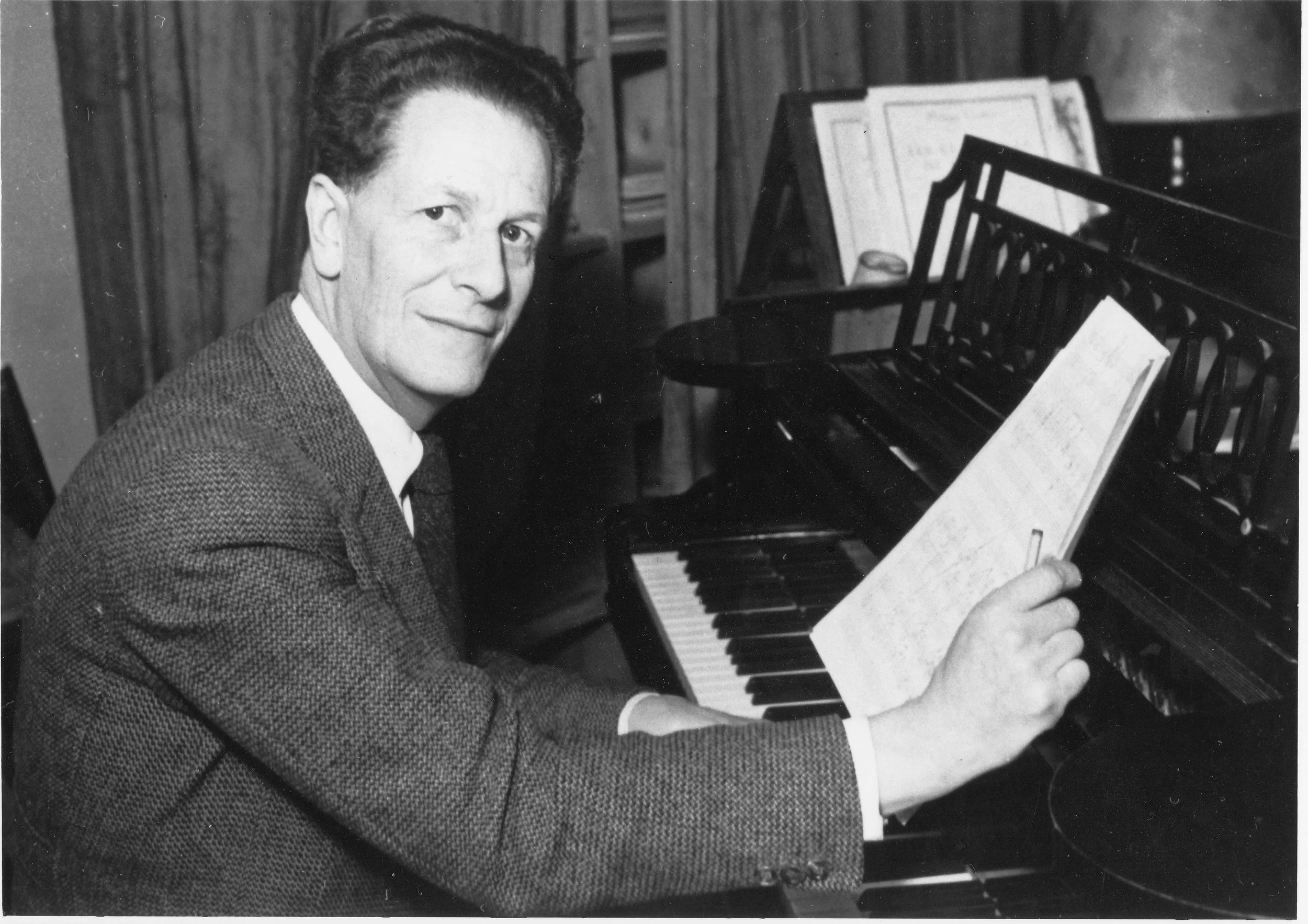
Frank Martin
After that exotic interlude, we return to Europe and the music of Swiss composer Frank Martin (1890–1974). His Ballade for Flute and Piano was one of a series of 6 ballades he wrote for a solo instrument and piano. They all explore rhapsodic forms with a flowing lyricism tempered by rhythmic complexity and modal explorations. The flute ballade was written in 1939 at the request of the Geneva International Music Performance Competition. The commission was for a work that would show off ‘all the qualities of the flute players competing at this event, especially the technical aspects of the flute’. Martin chose to write a work that wasn’t only about technical difficulties but also about true music. He wanted the young players to demonstrate more than technique; he wanted to see their musicianship and artistry. Even the piano part has this quality!
It’s beyond Romantic, with a more extravagant line than many 20th-century pieces. Sections that seem both improvisatory and introspective alternate with more dramatic sections.
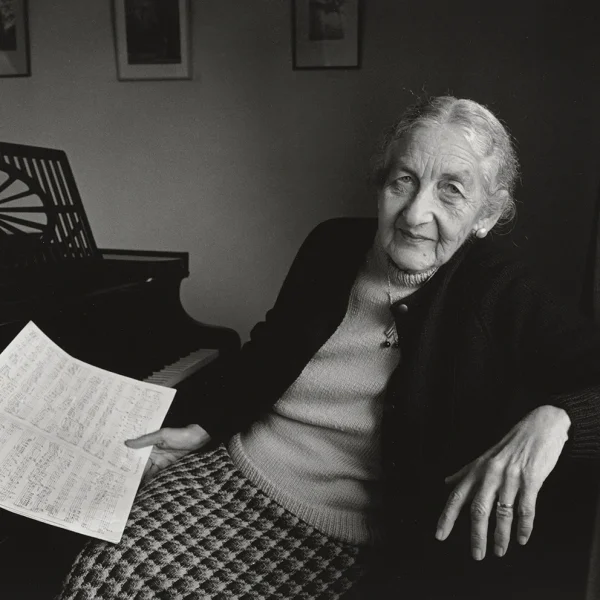
Miriam Hyde (Photo by David Franklin)
Australian composer Miriam Hyde (1913–2005) brings us 5 Solos for Flute and Piano. All have evocative titles: Beside the Stream, Wedding Morn, The Little Juggler, Marsh Birds, and closes with Evening Under the Hill. By setting the place in the title, she can add details that bring it to life: a bit of bird song, the sound of flowing water, the wedding ceremony, and the evening’s close with something evocative and nostalgic.
We asked Sterling how she discovered Hyde’s music, and she said that it was a standard in the music examinations in Australia. Sterling’s mother was a piano teacher, and Sterling heard this music everywhere at home. In fact, although she’s not well known outside Australia, within the music world, Hyde was everywhere. In addition to the music for children that Hyde wrote for the national examinations, Hyde wrote hundreds of pieces, not only for the examination board but also for professional musicians, and had a works list that included concertos, sonatas, and symphonic works. For the flute repertoire, the fourth piece, Marsh Birds, was part of the exam repertoire, and this is where Sterling first encountered it and fell in love with it.
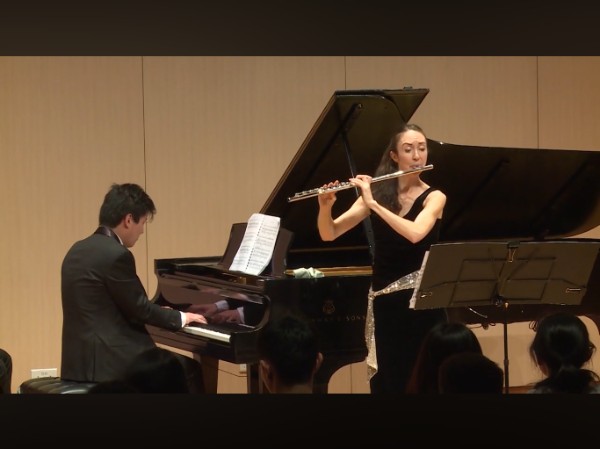
Megan Sterling and Kristian Chong in performance
We asked her what was next on her schedule and talked about the Hong Kong Philharmonic’s upcoming new music director, Tarmo Peltokoski. She said that she’d heard he was a particular fan of Vaughan Williams‘ music and was looking forward to exploring a new repertoire with him. The Hong Kong Philharmonic’s first recording on Deutsche Grammophon, Wagner: The Ring: An Orchestral Adventure (arr. Henk de Vlieger), was just issued, and many new things will be coming to her orchestral desk! In terms of recordings, she’s not rushing into anything yet and is considering her next projects.
This recording was made in 2018 and then languished due to COVID – things were just not right for release, and we’re grateful that a chance meeting between Kristian Chong and the head of Azure Sky Records made this all possible.
The Silver Skies of this recording are beautiful and bring us two centuries of flute music. Taking us from the historical past to the multicultural future, it leaves the door open to many more flute ideas.
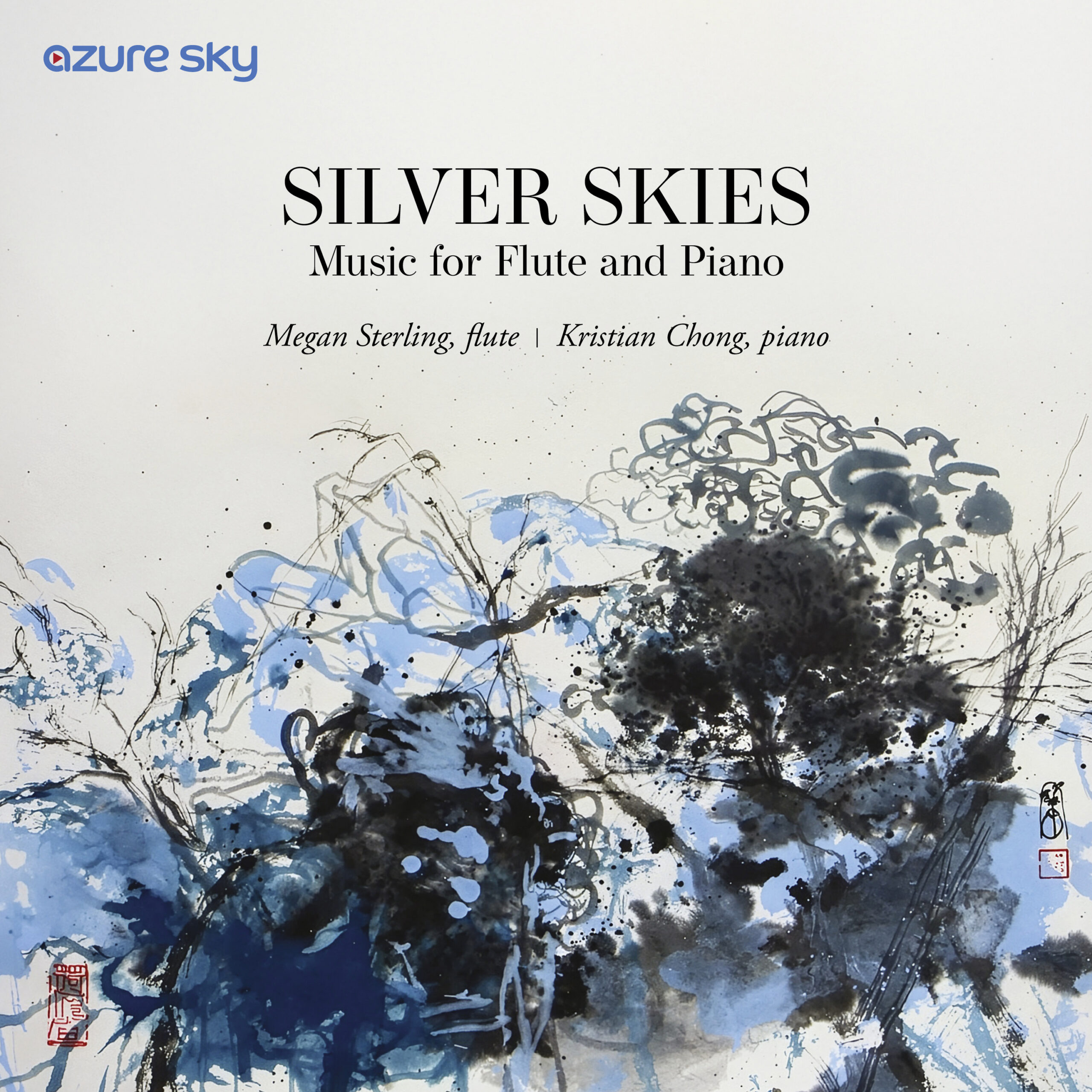
Silver Skies: Music for Flute and Piano – album cover
Silver Skies: Music for Flute and Piano (Poulenc, Vine, Boyd, Gaubert, Martin, Hyde)
Megan Sterling, Flute; Kristian Chong, piano
Azure Sky AZ1027
Release date: May 2026
For more of the best in classical music, sign up for our E-Newsletter