
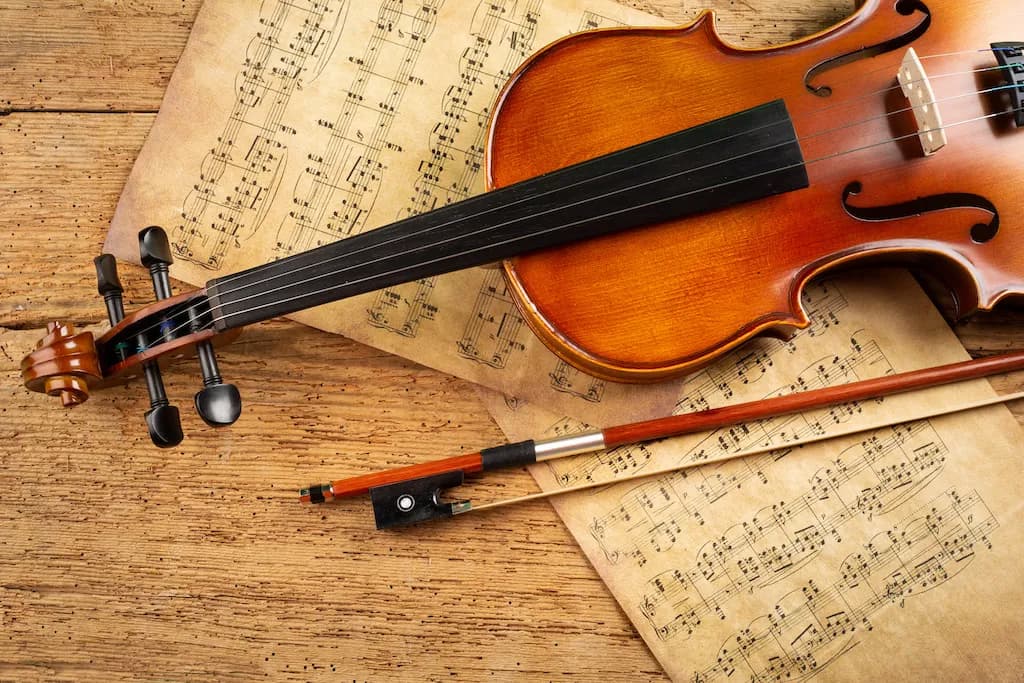
The solo violin has long been acknowledged as the perfect instrument to express emotions like love, longing, heartbreak, rapture, and romance. The Romantic era lasted from the early nineteenth century to the early twentieth century and produced numerous works that
Latest article
Spotlight
-
 Ancient Sounding Timbers
Pianos by Stuart & Sons October 20th, 2016If you’ve been reading my column on instrument makers over the years, you certainly must have noticed that I am highly critical of the huge number of mass-produced and bland pianos that are being churned out by established brands every -
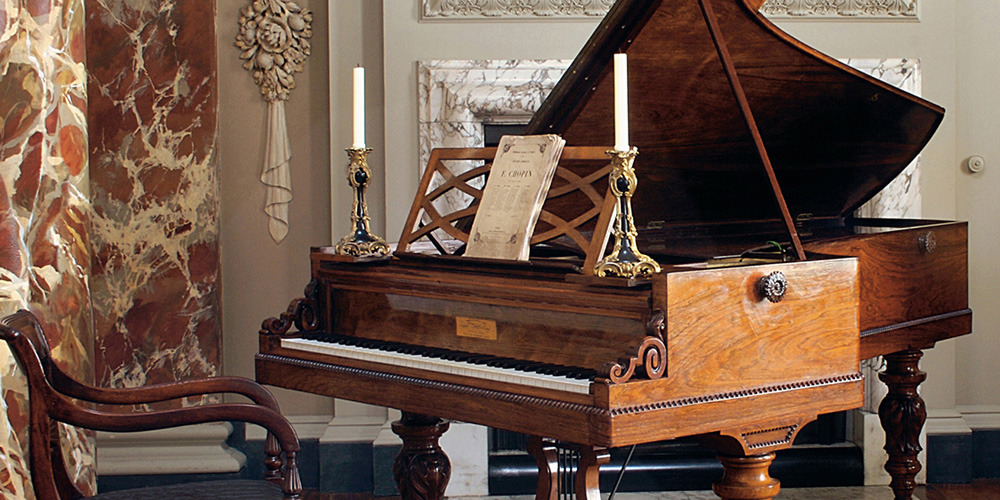
 Pianos, old and new October 19th, 2016 Some years ago I heard two performances of Chopin’s Piano Sonata No. 3 in the same day: the first was on an 1848 Pleyel from the Cobbe Collection at Hatchlands, UK, a piano said to have been used by Chopin
 -
 Steve Reich & Beryl Korot
A Relationship of Shared Ideas October 18th, 2016Working on tape-based techniques of looping and phasing by using recordings of fragments of speech, Steve Reich created a compositional process involving structures of minimalist art and musical technique. Simultaneously, Beryl Korot was working along very similar lines in the -
 Minors of the Majors
Gabriel Fauré: Cantique de Jean Racine, Op. 11 October 17th, 2016“Minors of the Majors” invites you to discover compositions by the great classical composers that for one reason or another have not reached the musical mainstream. Please enjoy, and keep listening! -
 Muses and Musings
Fur Elise, Therese or Gigons? October 16th, 2016It’s probably one of the most instantly recognized ring tones on your mobile, and piano students are expressly forbidden to play it in piano showrooms! By now you must have guessed that I am talking about Beethoven’s Bagatelle Für Elise. -
 Avoiding Conscription
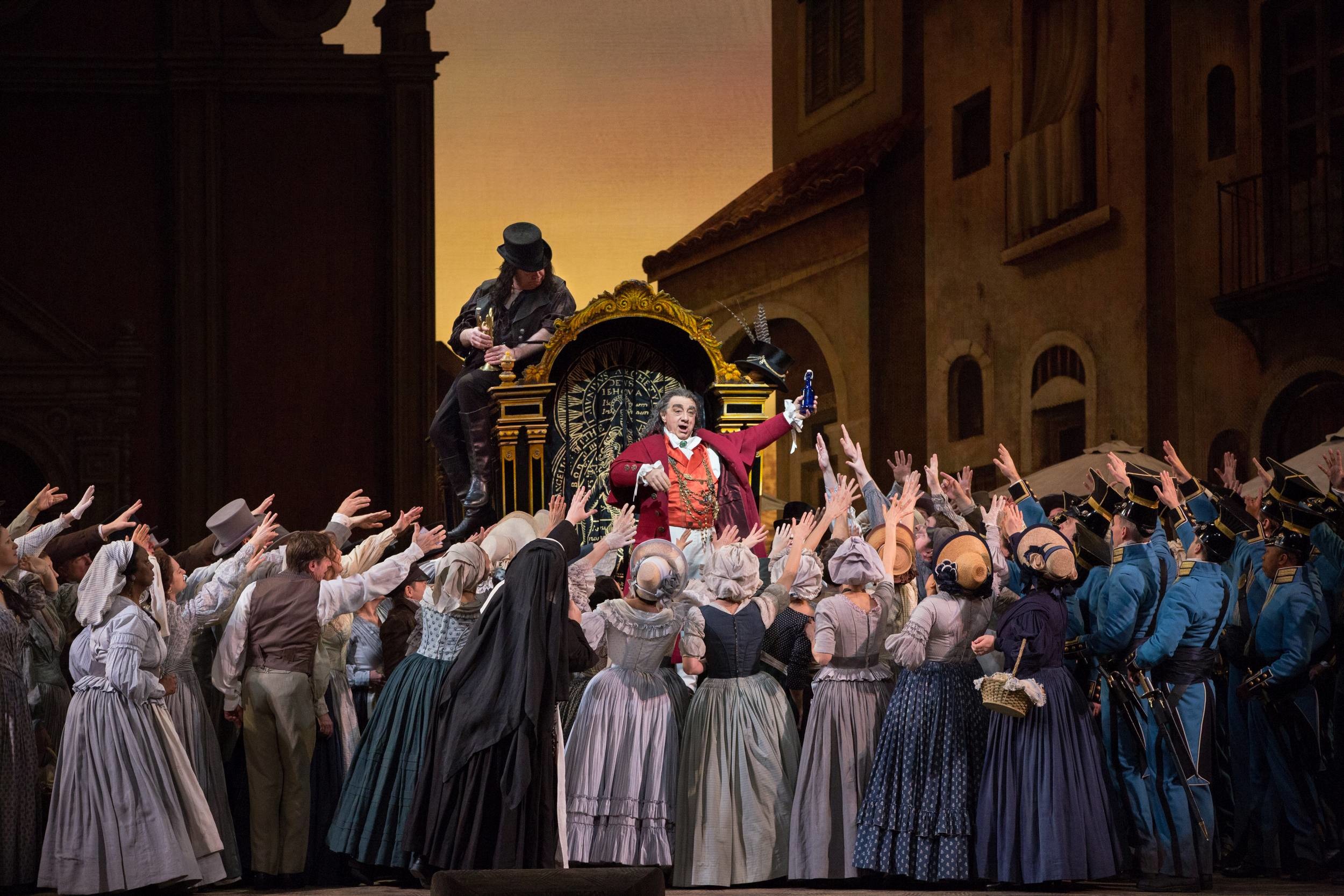
Gaetano Donizetti and Marianna Pezzoli-Grattaroli October 16th, 2016In April 1818, the impresario of the Teatro San Luca in Venice accepted Enrico di Borgogna by the young and thoroughly ambitious Gaetano Donizetti. The opera met with little success, but it resulted in a further commission for Donizetti. Una -
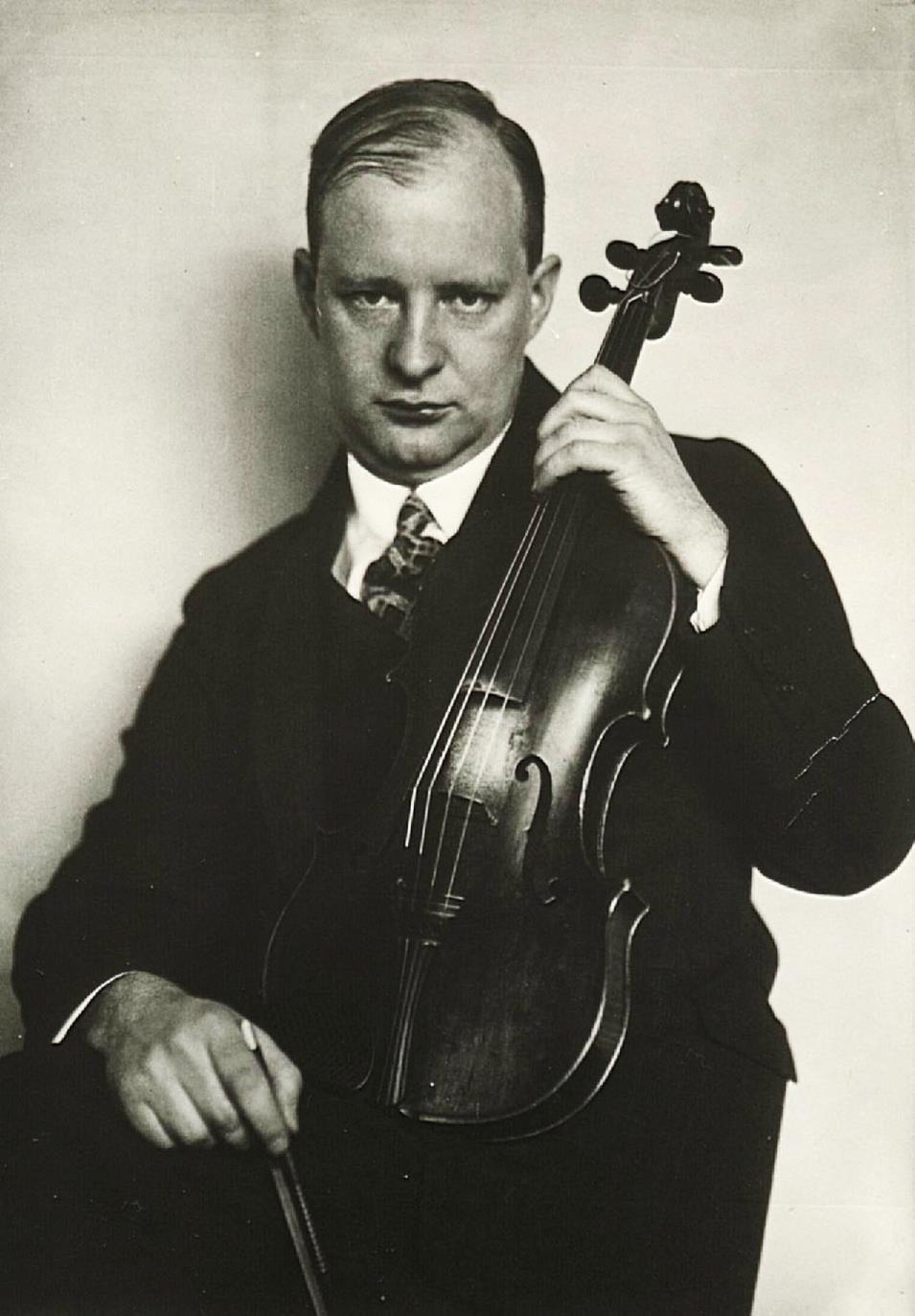 The Bauhaus: Architecture, Art and Music II October 15th, 2016 In my September Interlude article I focused on the close relationship between Bauhaus architecture, art and music. It is interesting to note, however, that the Bauhaus’ own teaching program consisted of studies in architecture, art and various crafts, whereas music
 -
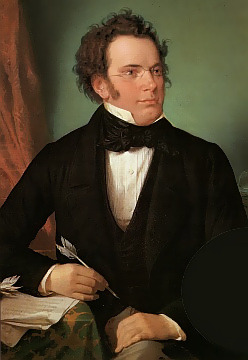 Composers and their Poets: Schubert I October 14th, 2016 A Look at Schubert Vocal Works When we look at Franz Schubert’s song output, it is a truly amazing number. In just a few years, 11 to be exact, Schubert (1797-1828) wrote over 600 songs. The poets he set varied