
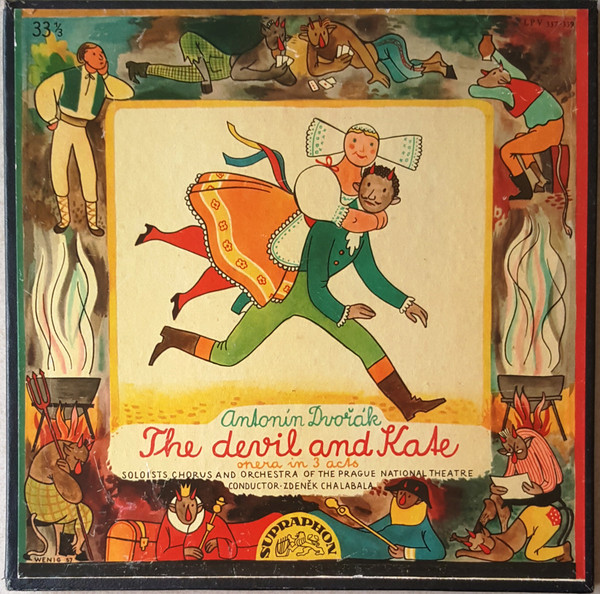
For today’s brain teaser, let’s turn to Antonín Dvořák. What opera of his features a happy ending but is entirely missing the traditional love interest? The answer is The Devil and Kate, a comic opera to a libretto by Adolf
Dvorak
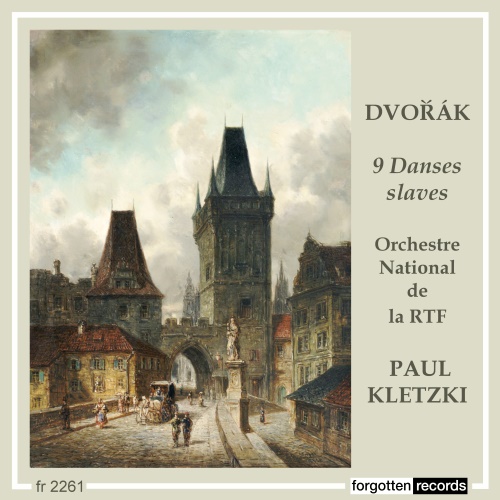
In 1878 and 1886, Antonín Dvořák (1841–1904) created his Slavonic Dances, Opp. 46 and 72. In this series of 16 dances, Dvořák picked up on the idea from Johannes Brahms‘ Hungarian Dances. Dvořák originally wrote this for piano four-hands, and,
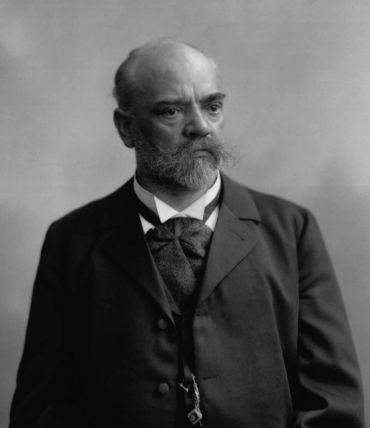
I am sure that everybody knows at least a couple of symphonies by Antonín Dvořák. In all, he composed nine such pieces, with the “Symphony from the New World” probably the most famous. All of his symphonies are wonderfully warm
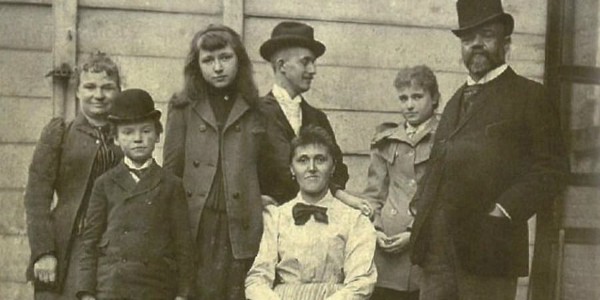
In September 1892, Antonín Dvořák arrived in America with his wife and two of his children, ready to start a new life in the New World. His American sojourn only lasted for three years, but those three years produced some
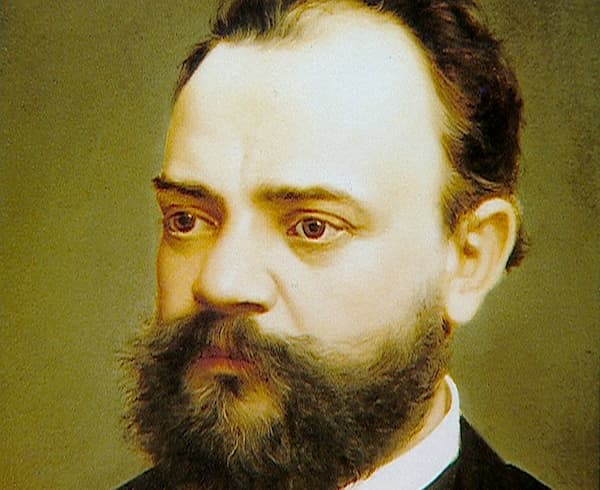
The authors of Interlude have frequently written about Antonín Dvořák’s Cello Concerto in B minor, with good reason. While the score presents a formidable challenge for both the virtuoso soloist and the finest conductor, its power lies not in dazzling
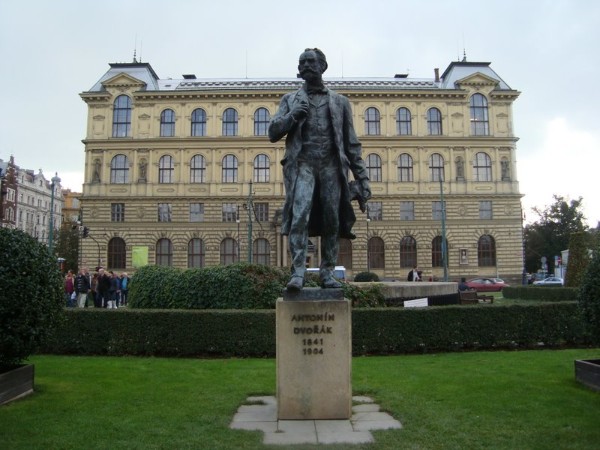
Did you know that Antonín Dvořák composed 14 string quartets, plus a quartet movement (B. 120) and the “Cypresses” cycle (B. 152), which includes arrangements for string quartet? Trust me, these gorgeous string quartets are like the ultimate playlist for
The great Czech composer Antonín Dvořák is not really known for his piano music. Standing in the shadows of such masters as Schumann and Brahms, Dvořák’s piano music is nevertheless a significant part of his oeuvre. His solo piano compositions
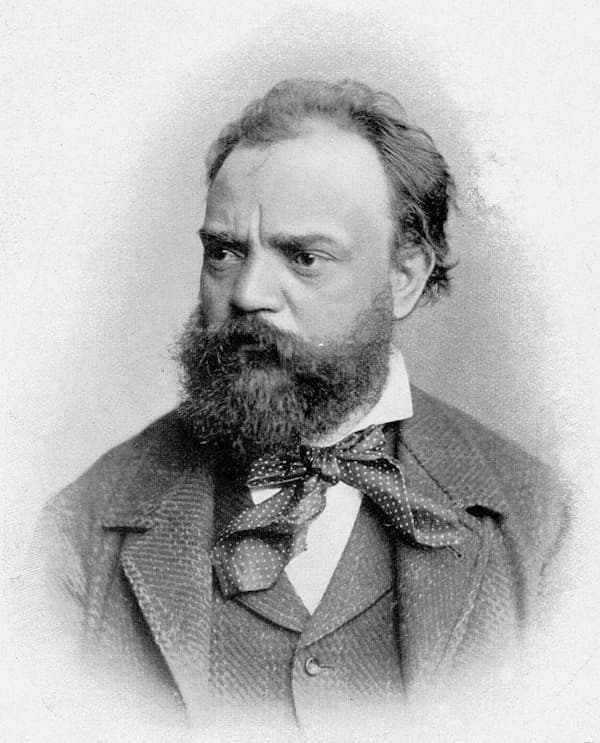
In the spring of 1892, about 6 months before he departed to lead the National Conservatory in America, Czech composer, Antonín Dvořák’s music publisher asked him to write a little ‘humoresque’. He complied with a lovely little piano piece in