
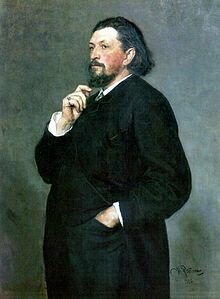
Mitrofan Petrovich Belyayev (1836-1904) was the son of a highly affluent timber merchant. Educated at the German-speaking Reform School in St. Petersburg, he took lessons in piano, violin and viol. At the age of 15, Belyayev joined his father’s booming
In essence
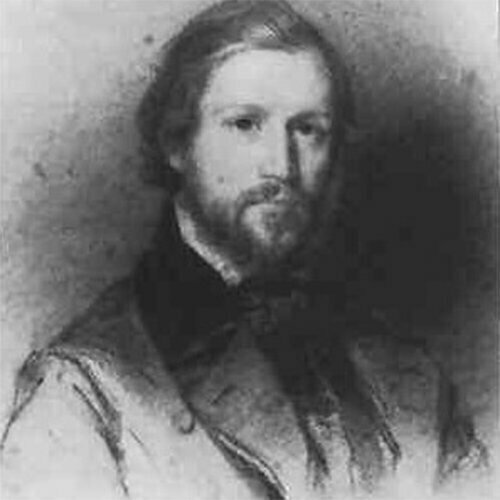
The trouble is that what most people know about the composer Charles-Valentin Alkan (1813-1888) is about how he died, rather much about his music. And even the story about his death isn’t true.
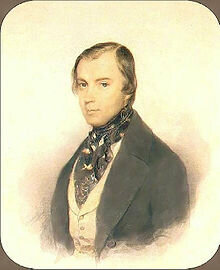
The orientalist and journalist Osip Senkovsky (1800-1858) prolifically published articles on topics ranging from Chinese, Mongolian and Tibetan languages, to mathematics and medicine. Under the pen name “Baron Brambeus” he issued a series of fantastic voyages, including one to the
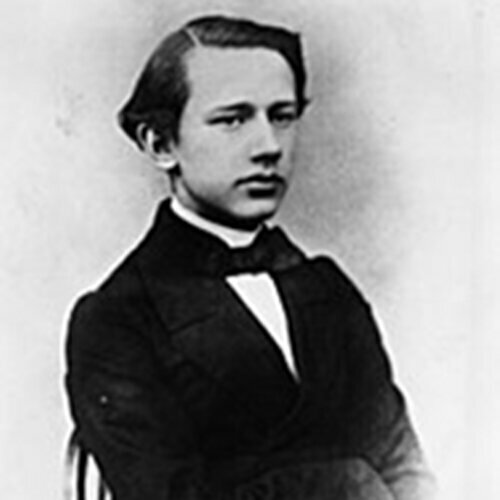
Pyotr Ilyich Tchaikovsky (1840-1893) was trained within a conservatory tradition that emphasized Western compositional techniques and expressions. As such, we would expect to find a multitude of intimate works for small ensembles. In reality, however, his published chamber output is
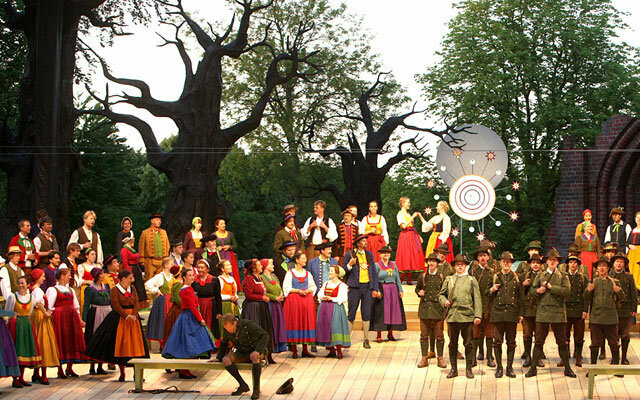
The hunting profession—something we call “Wildlife management” in the 21st century—has long helped to maintain a population of healthy animals within an environment’s ecological capacity. Controlling the wildlife and predator population was of particular importance in the densely forested regions

The city of St. Petersburg, also known as Petrograd, Peterburg and Leningrad stood at the forefront of Russian musical culture. Established in 1703, the city flourished under Peter the Great, and the role of art and music assumed national significance.
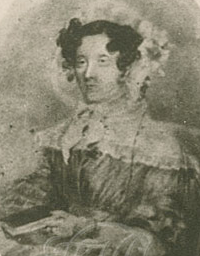
When Leopold Koželuch arrived in Vienna to follow his musical calling, he immediately understood that being a capable musician and composer was not enough to really get ahead.
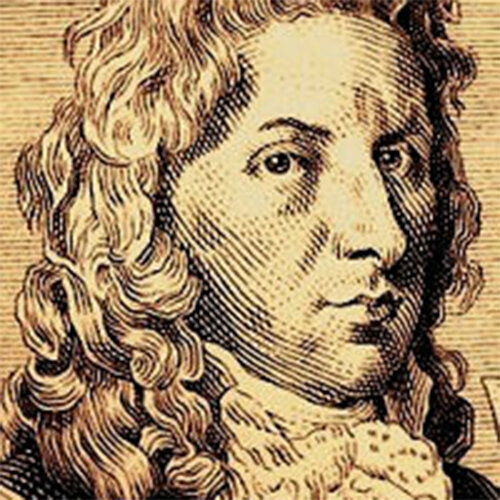
When families migrate across linguistic borders, their names frequently undergo a number of significant changes. Just take the Stamitz family, an extended and highly active Bohemian group of musicians, as an example. The spelling of their family name in contemporary