
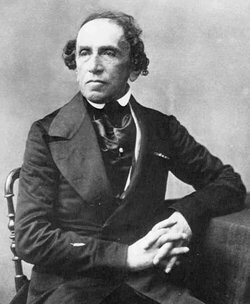
Giacomo Meyerbeer completed his opera Le Prophète in 1849. Based on the Anabaptist seizure of power in the 16th century, it details the elevation of John of Leyden as “the Prophet,” and culminates in a final cataclysm when John and
In essence
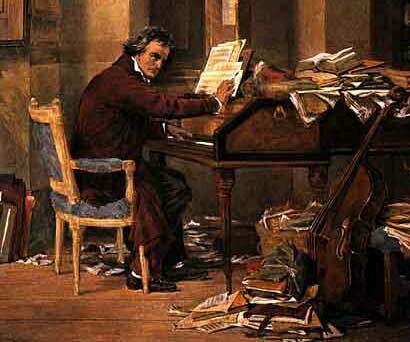
When Beethoven was on his deathbed, his publisher supposedly sent him a case of red wine. According to eyewitnesses, Beethoven weakly muttered, “Pity, pity, too late!” Dr. Wawruch, the physician in attendance throughout Beethoven’s final illness, opened his medical report
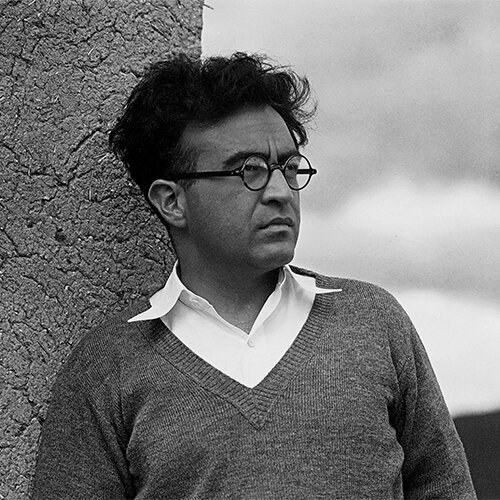
In 1935-36, the Mexican composer and conductor Carlos Chávez brought out his second symphony, the Sinfonía India. Written in 1935 while he was in New York, the symphony received its premiere in a radio broadcast with the Columbia Symphony Orchestra
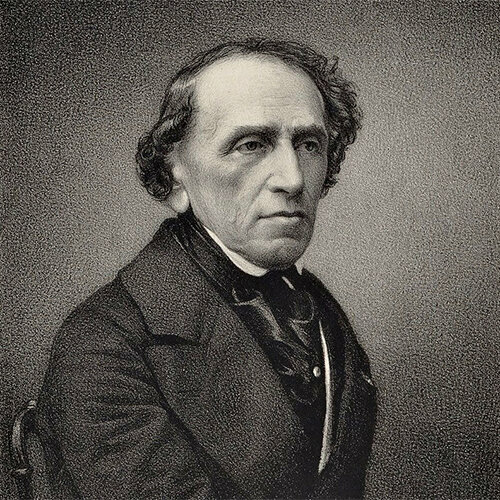
Giacomo Meyerbeer’s five-act opera Robert le diable premiered at the Paris Opera on 21 November 1831. It was the first of four works for which Meyerbeer was to become one of the most prominent composers of opera at the time.
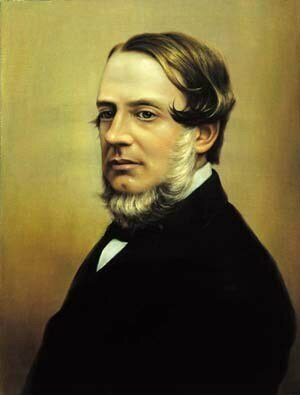
Musicians always had rather hectic traveling and work schedules, with appearances frequently organized along incredibly tight timetables and in far-flung locations. And the Irish composer and conductor Michael William Balfe (1808-1870) was no exception. He started his career as a
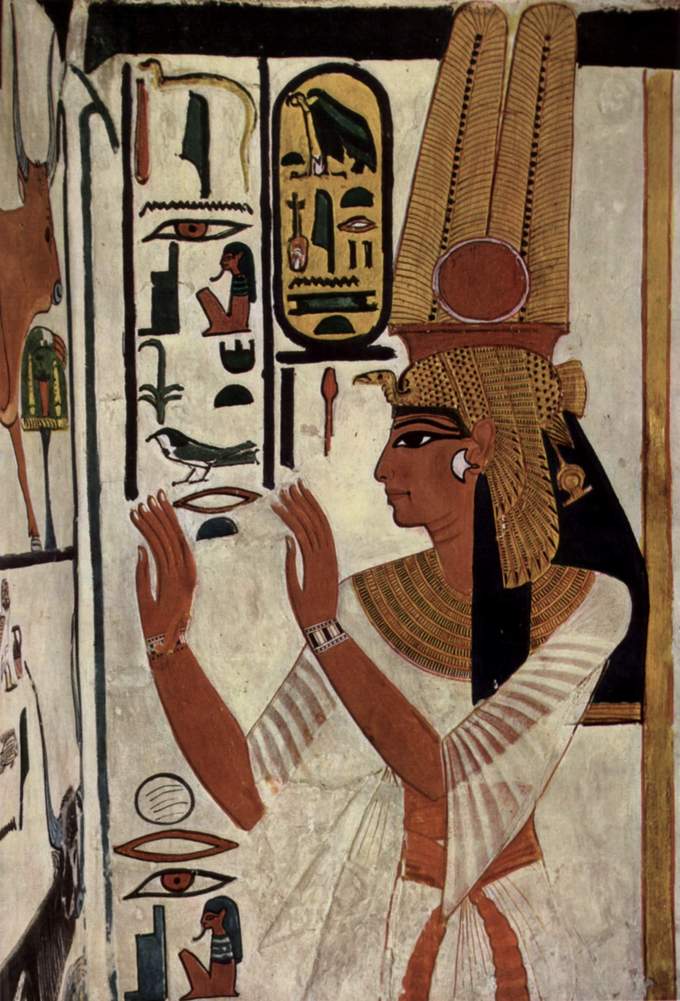
The song Misirlou first hit the airways in 1927 and went on to capture an international audience. From this recording, which found its popularity in the US in the Greek/Armenian diaspora of the 1920s, started to appear in recordings of
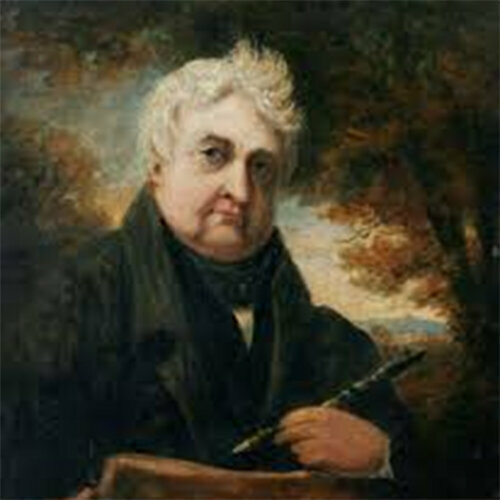
It might well be that William Crotch (1775-1847) was the most precocious musical talent of all times. Son of a humble carpenter, young William showed great enjoyment of music, and before his 2nd birthday was able to play a number
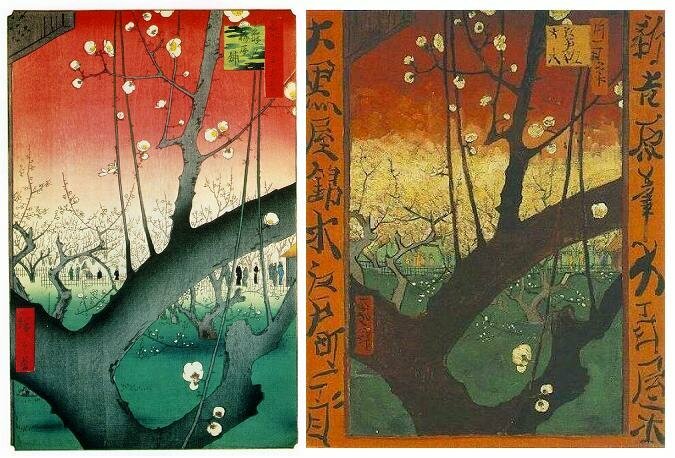
Gilbert and Sullivan’s The Mikado (1886) wasn’t the first sign of the West’s fascination with the exotic East. The Paris Exposition of 1867 brought Japanese art to the world in its first national pavilion and artists including Vincent van Gogh