
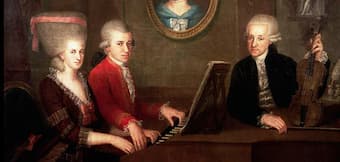
Throughout his early years, Wolfgang Amadeus Mozart was teamed up with his older sister Nannerl to entertain audiences with music for piano four-hands. And not entirely unexpected, he composed a number of works for himself and his sister. However, once
In essence
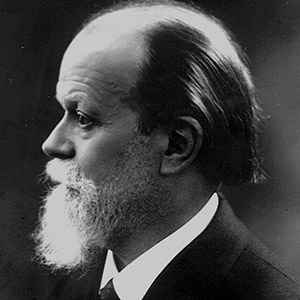
Jules Mouquet (1867-1946) studied at the Paris Conservatoire and after winning the Prix de Rome in 1896, became a professor at the Conservatoire in 1913. In the early 20th century, Mouquet wrote his lovely flute sonata, La Flûte de Pan.
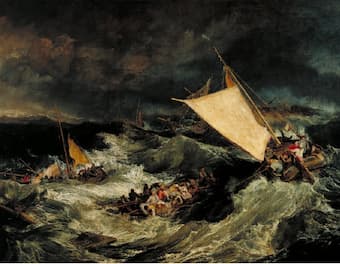
In 1935, Romanian composer George Enescu (1881-1955) started working on what was going to be a symphonic suite entitled Voix de la nature (Voice of Nature). He only completed one movement, Nuages d’automne sur les forêts (Autumn Clouds over the
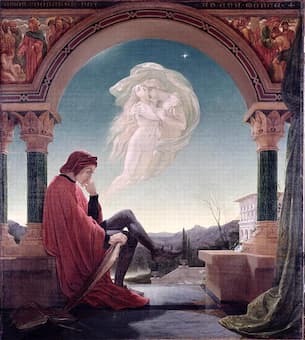
Dante Alighieri (1265-1321) was a keen observer of the human condition, and a number of his contemporaries become important characters in his “Divine Comedy.” One such contemporary was Francesca da Rimini, the daughter of Guido da Polenta of Ravenna. Francesca
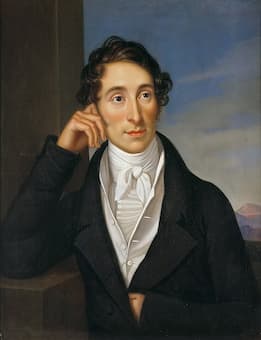
One of the most interesting cross-generational music styles is the theme and variations, particularly when a composer delves into the past to find his inspiration. How a work gets changed and modernized, its style developed, and a new work created
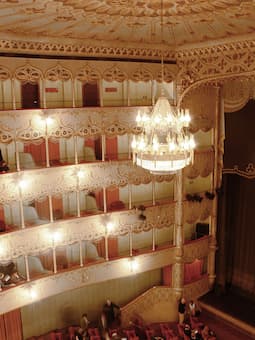
On 7 November 1699 the San Salvatore Theatre in Venice produced the drama per musica “L’amar per virtù” (To love for the sake of virtue), with music attributed to Antonio Draghi. The plot focuses on the establishment of Moorish rule

As the ‘Father of the String Quartet,’ Haydn did a great deal to standardize the quartet form that we love so well. And yet, while giving him this comfortable title, we always have to recognize his sense of humour in
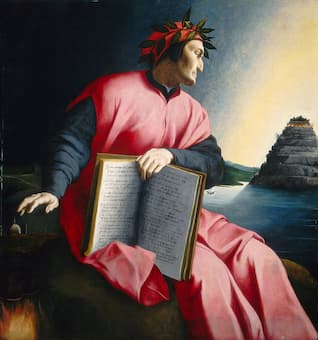
Dante Alighieri’s “Divine Comedy” contains 14, 233 lines of text divided into three main sections, “Hell, Purgatory, and Paradise.” As we might well imagine, there isn’t much music in Hell. It reverberates with “sighs, screams and lamentations, and different tongues