
In pre-Islamic Arabia the “Jinn” represented invisible spirits inhabiting the earth. Unseen by humans, they are capable of assuming various forms and exercising extraordinary powers. In common Arabic mythology, jinn “are capable of assuming human or animal form and are
Poetry
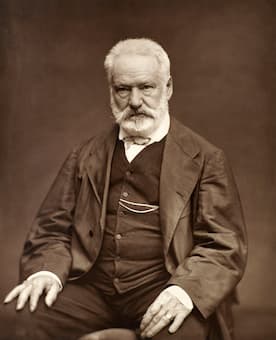
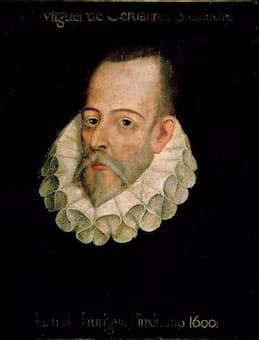
“One man scorned and covered with scars still strove with his last ounce of courage to reach the unreachable stars; and the world will be better for this.” This line from Don Quixote could well have originated from the biography
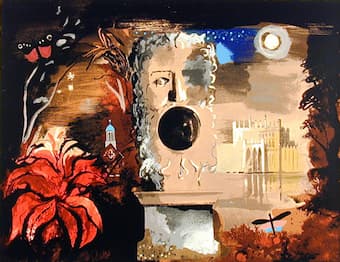
The musico-poetic work Façade: An Entertainment Called ‘the high priestess of 20th century poetry,’ English author Edith Sitwell used her experimental poetry to drive a dying form forward. Sitwell (1887-1964) filled her poetry with melody, new rhythms, and confusing private
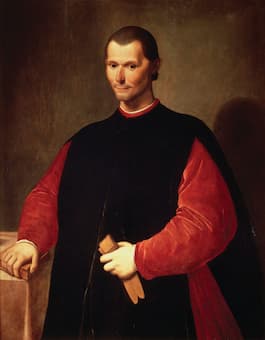
Niccolò Machiavelli (1469-1527) is frequently called the father of modern political philosophy and political science. Machiavelli’s best-known book Il Principe (The Prince) was written around 1513 and contemplates a new type of ruler not guided by the conventions of heredity.
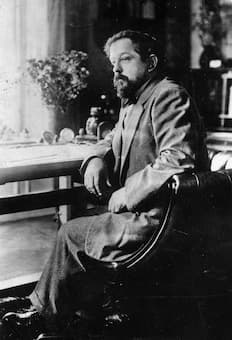
We think of Debussy as the composer of the dreamworld sound of impressionism. He was an active follower of the symbolist movement, which rejected naturalism, realism, and clear-cut forms in favour of the indefinite and the mysterious. The symbolist poets
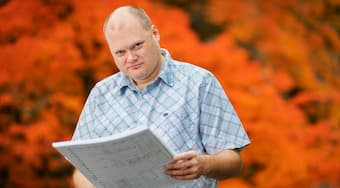
In 1962, the American poet William Carlos Williams (1883-1963) published his last book of poetry, Pictures from Brueghel and Other Poems. The book opens with a ten-poem cycle based on paintings by the Flemish painter Pieter Bruegel the Elder (ca.
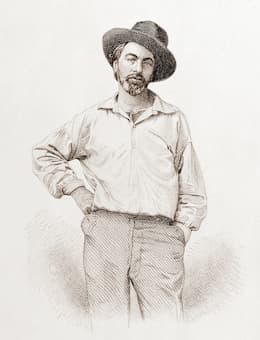
The American visionary poet Walt Whitman (1819-1892) was one of the transitional writers between transcendentalism and realism and his works reflect both points of view. He is considered the ‘father of free verse’ and his non-sectarian poems and his views
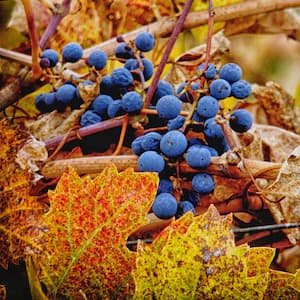
Although Spring may be the concerto that most people are familiar with, it’s Autumn and its return to a major key that seems to be central to The Four Seasons. The fear and frights of Summer disappear with the appearance