
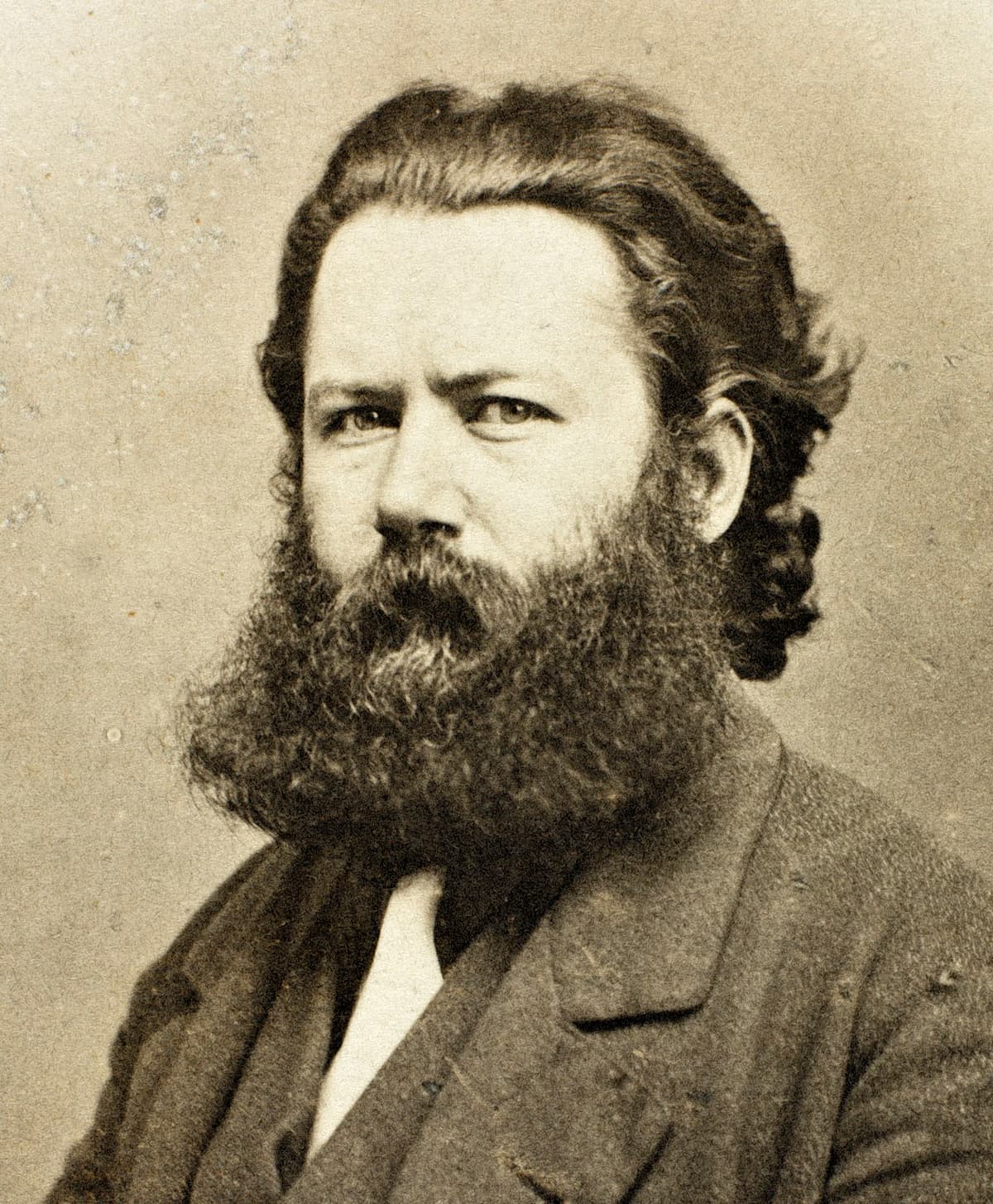
For many literary critics, the Norwegian playwright Henrik Ibsen (1828-1906) is considered “the father of realism and the second most influential playwright of all times.” Ibsen was one of the founders of modernism in theatre and completely rewrote the rules
Poetry
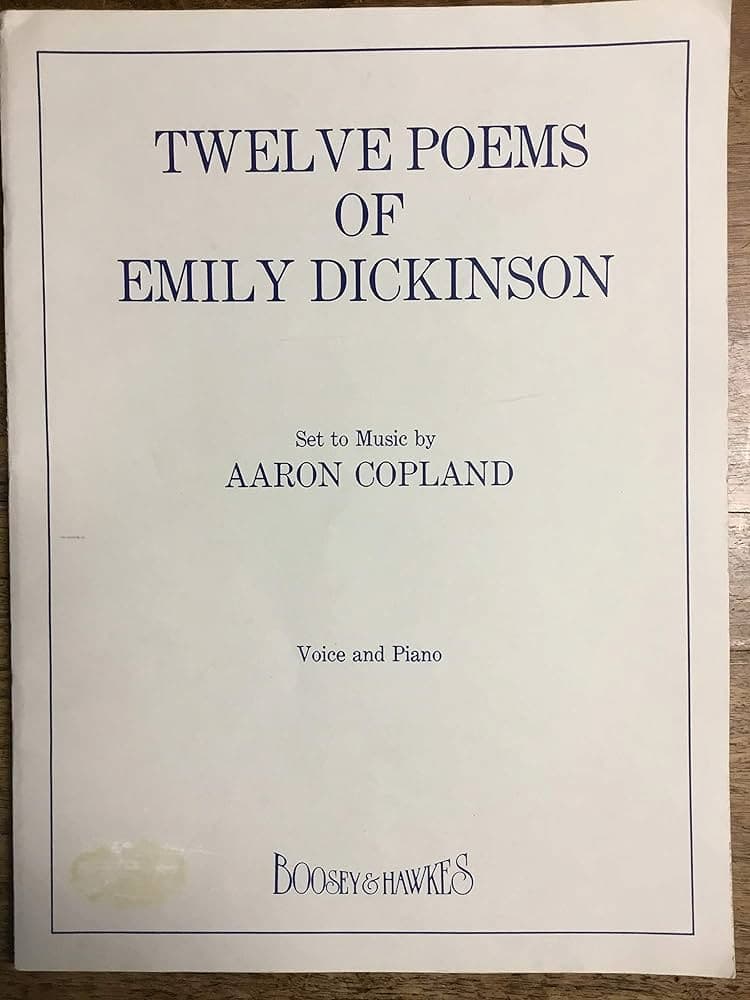
I had long believed that the poems most frequently set to music came from the pen of Goethe, Schiller, Heine, Whitman, or Verlaine. In reality, however, that particular honour probably belongs to the American poet Emily Dickinson. In 1992 a
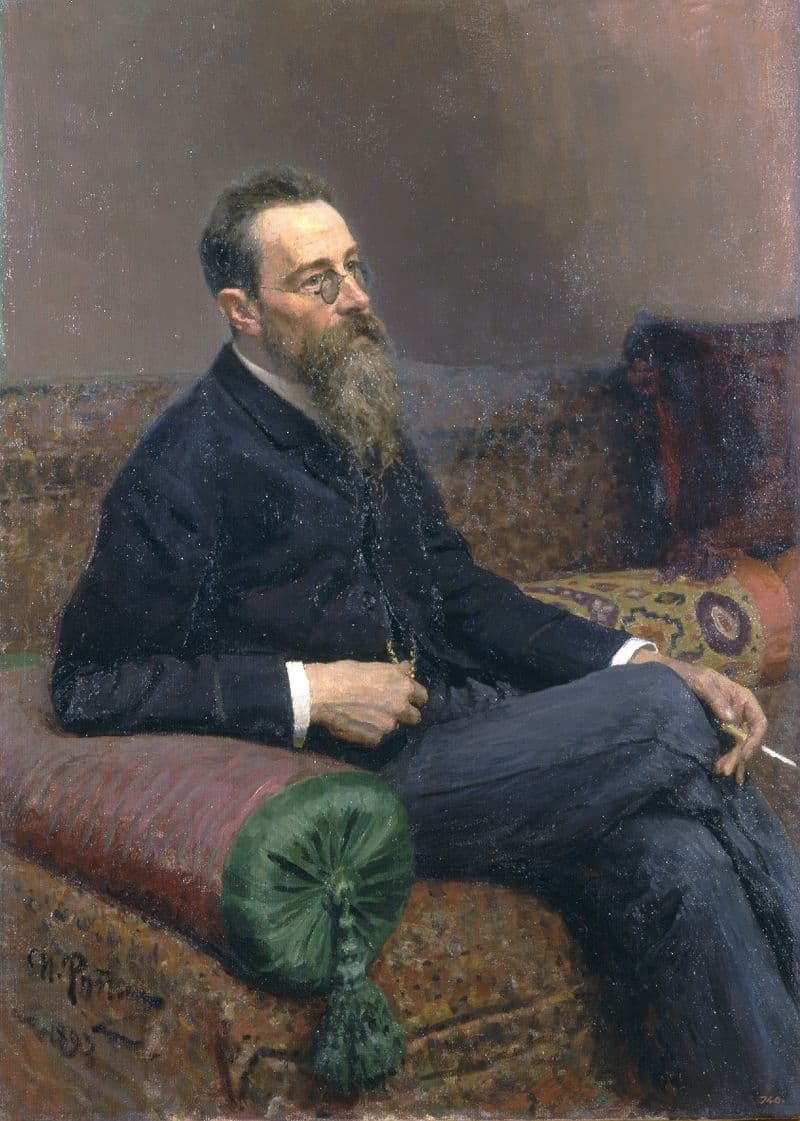
While Nikolai Rimsky-Korsakov’s (1844-1908) symphonic works remain extremely popular, his art songs, commonly termed “Romances,” are largely unknown and unfairly neglected. An integral part of Russian culture, the “Romance” indicated an intimate lyrical genre that was supposed to “touch the
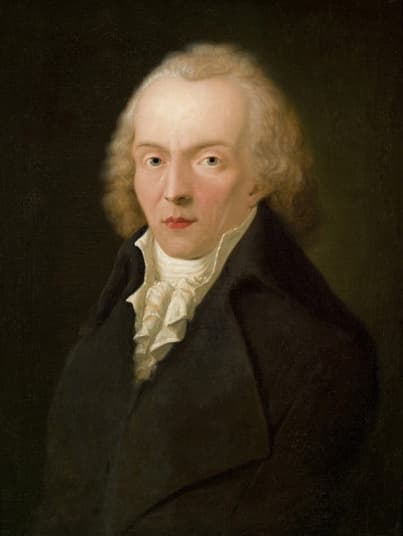
Johann Paul Friedrich Richter (1763-1825), much better known under his penname “Jean Paul,” was one of the most prolific and prominent writers of his generation. Owing to the structural and linguistic idiosyncrasies of his writings, he was heavily criticized in
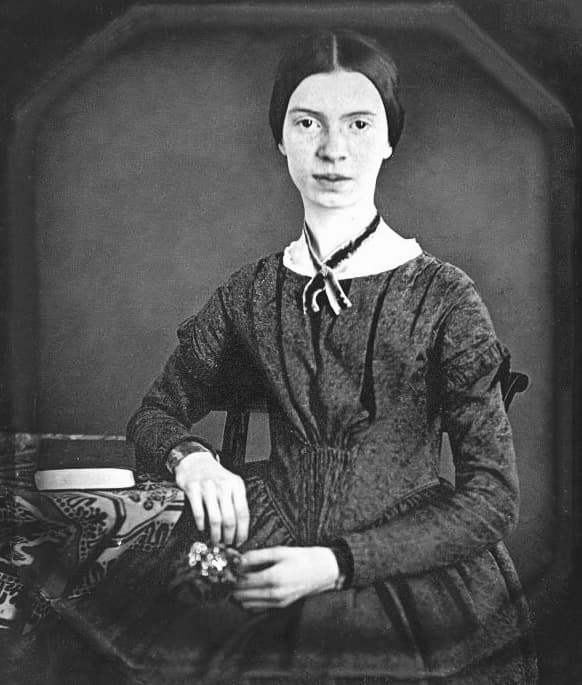
American poet Emily Dickinson’s three-stanza lyrical poem ‘”Hope” is the thing with feathers” gives us the idea of a mysterious singing being. Invisible to the eye, singing songs without words, the being can be heard through the most difficult times
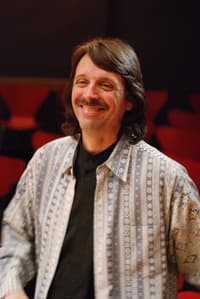
Allen LeVines (b. 1954) was inspired by Japanese writer Haruki Murakami’s set of six short stories set at the time of the 1995 Kobe earthquake, which captures the varieties of reactions to the life-changing event. Of course, none of Murakami’s
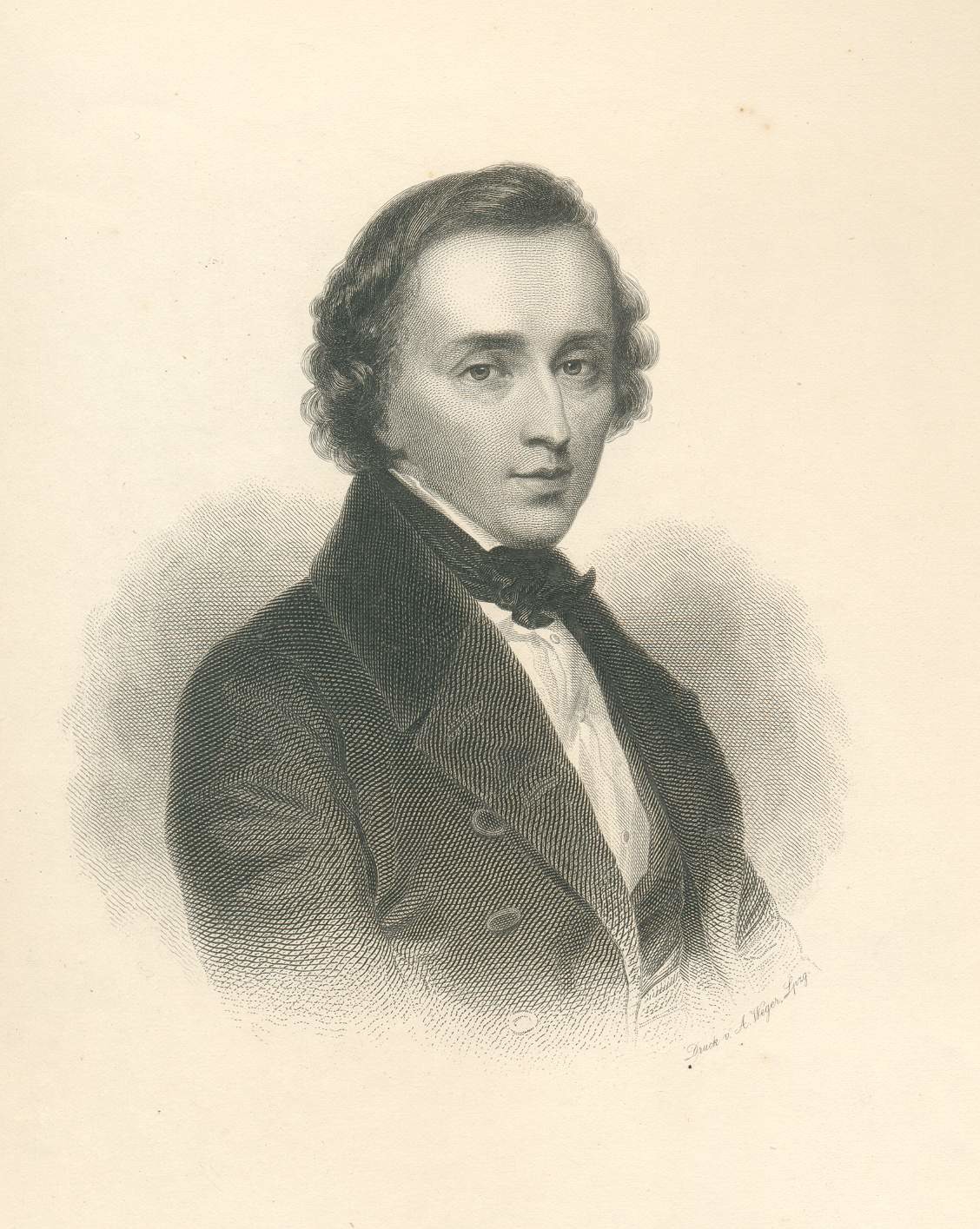
Frédéric Chopin was not only one of the greatest pianists the world had ever known, he also left us the finest body of music for his instrument. The so-called “poet of the piano” left us with nearly 250 fabulous works,
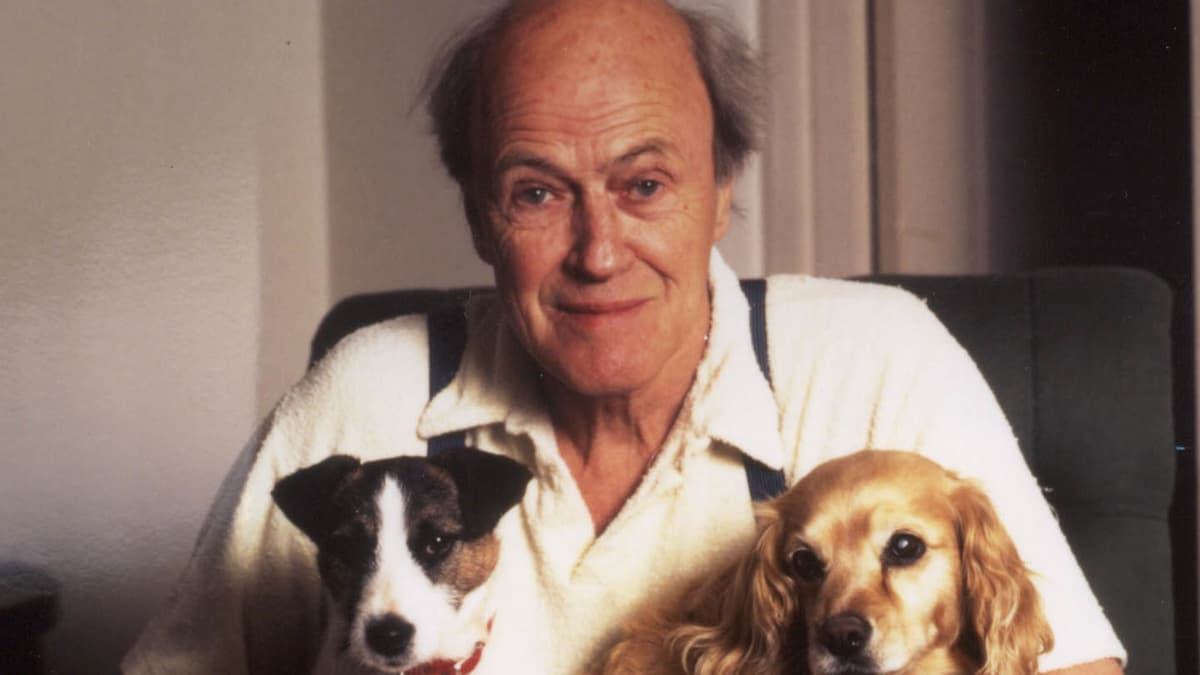
Roald Dahl, born on 13 September 1916 in Cardiff, has been called “one of the greatest storytellers for children of the 20th century.” From Sophie’s adventures in the BFG and James’ journey into the Giant Peach, to Matilda’s bravery and