
The most famous opera in America had its premiere 70 years ago on Christmas Eve. At its debut, it was estimated that it had audience of 5 million people – a record for any opera. Giancarlo Menotti’s Amahl and the
Painting
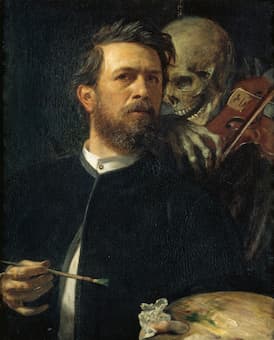
The Swiss symbolist artist Arnold Böcklin (1827-1901) was born in Dusseldorf and studied at the Dusseldorf Academy. His teacher sent him to Antwerp, Brussels, and Paris to study the old masters and develop his potential. In 1850, after a stint
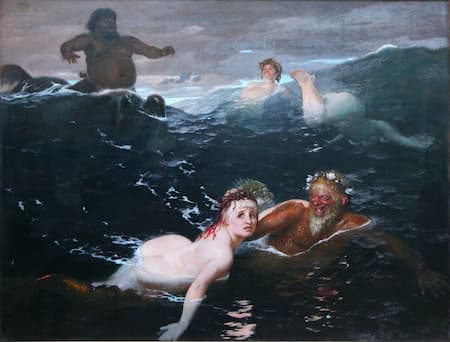
Known more for his abstract works, Max Reger decided to take, as he described it, ‘an excursion in the realm of program music’ in 1913 when he created his 4 Tondichtungen nach Arnold Böcklin (4 Tone Poems after Arnold Böcklin).
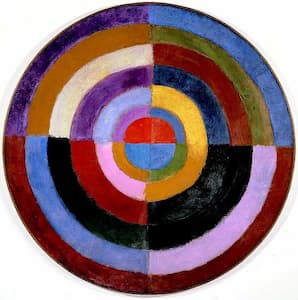
The experimental and visionary paintings of Robert Delaunay (1885-1941) represent a unique fusion of early 20th-century European artistic trends. Visually and intellectually stimulated by the exuberant environment of Belle Epoque Paris, he founded—together with his wife Sonia—a movement termed “Orphism.”
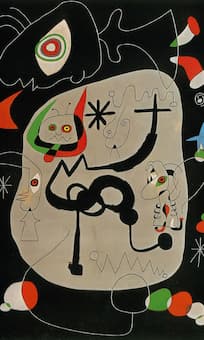
Thomas Mann (1875-1955) won the Nobel Prize for literature in 1929 for his highly symbolic, ironic and epic novels and novellas. A determined social critic, his writings provide biting insights into the psychology of the artist and the intellectual within
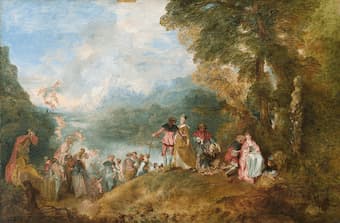
The Fêtes galante style was a term specifically created by the French Academy in the early 18th century to describe Watteau’s paintings of country or parkland parties. It was his way of giving his patrons what they wanted, namely, pictures
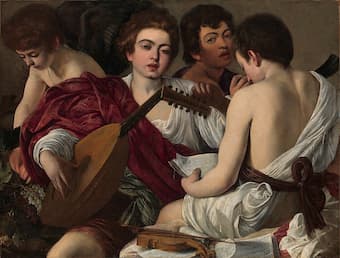
Film director Martin Scorsese commented in 2005, “If Caravaggio were alive today he would have loved the cinema; his paintings take a cinematic approach… He painted religious subject matter but the models were obviously people from the streets; he had
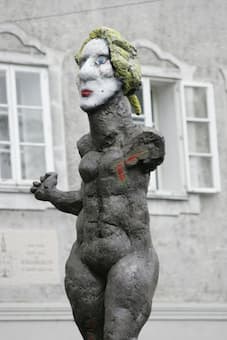
The city of Salzburg rose from a small Celtic settlement into a powerful economic center because of its trade in salt. The city regulated the collection of tolls and taxes from barges ferrying salt from the northern part of the