
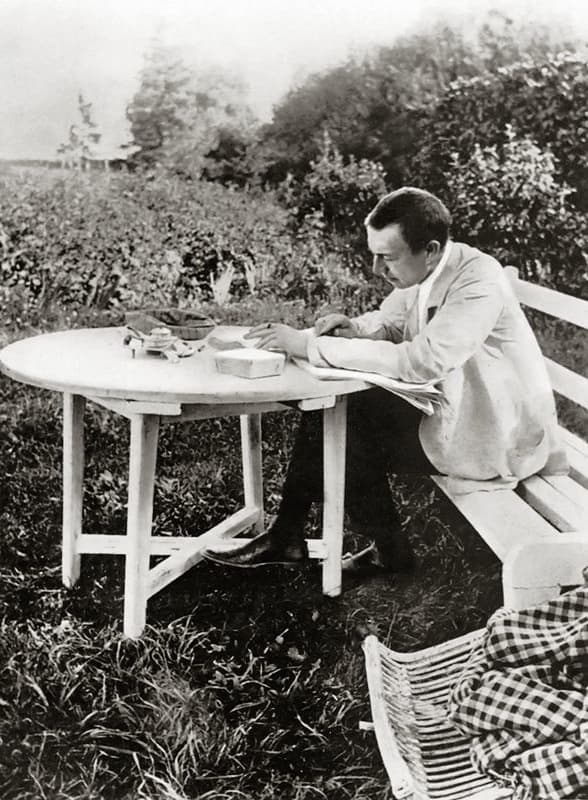
Sergei Rachmaninoff’s Piano Concerto No. 3 in D minor, Op. 30 has the reputation of being one of the most technically challenging piano concertos in the piano repertoire. It first sounded on 28 November 1909 in New York City with
Articles
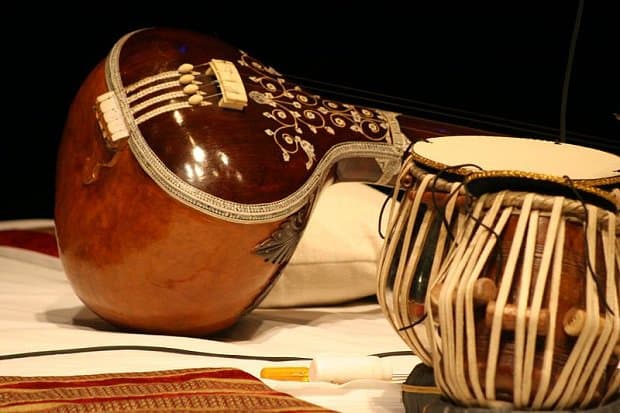
Classical music is a term often used to describe traditional academic — also sometimes wrongly called, serious music. It is generally defined as the formal musical tradition of the Western world, considered to be distinct from Western folk, jazz, or
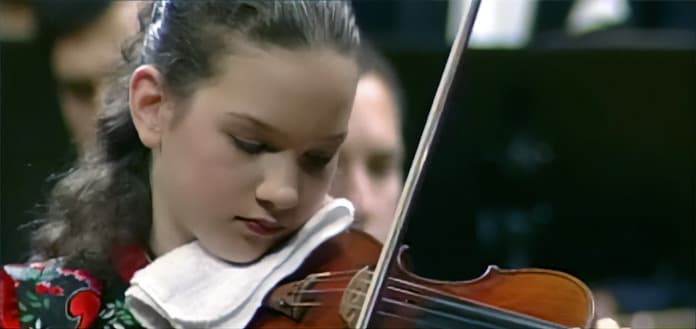
Shinichi Suzuki was one of the most influential pedagogues in music education for children. His famous “Suzuki Method” is based on creating a positive environment that fosters musical immersion at an early age. Suzuki strongly believed that “every child was
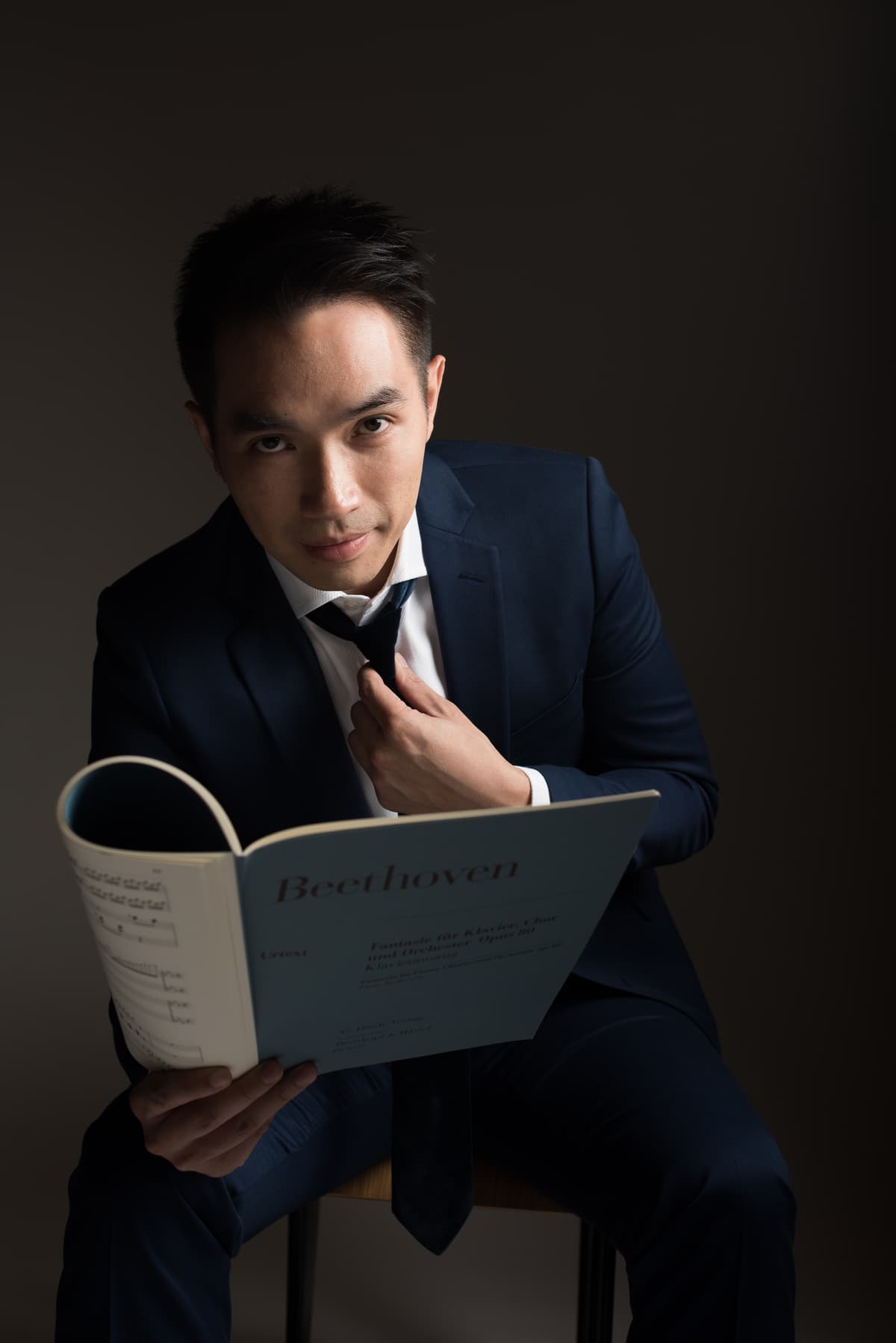
Two Hong Kong-born pianists explore and celebrate the inventiveness and brilliance of polyphony in a concert of works by Beethoven, Busoni, Brahms, Franck, and J.S. Bach, the supreme master of the art and craft of counterpoint. Warren Lee brings part
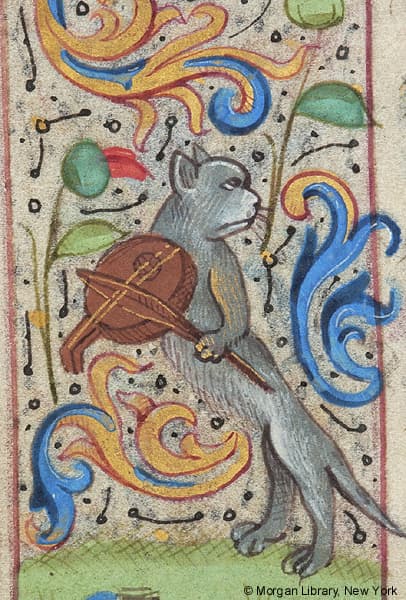
Hidden in the decoration of medieval books are many different kinds of illustrations – some of them show people doing everyday things, others show animals doing everyday human things. And then, in some special ones, we see animals playing musical
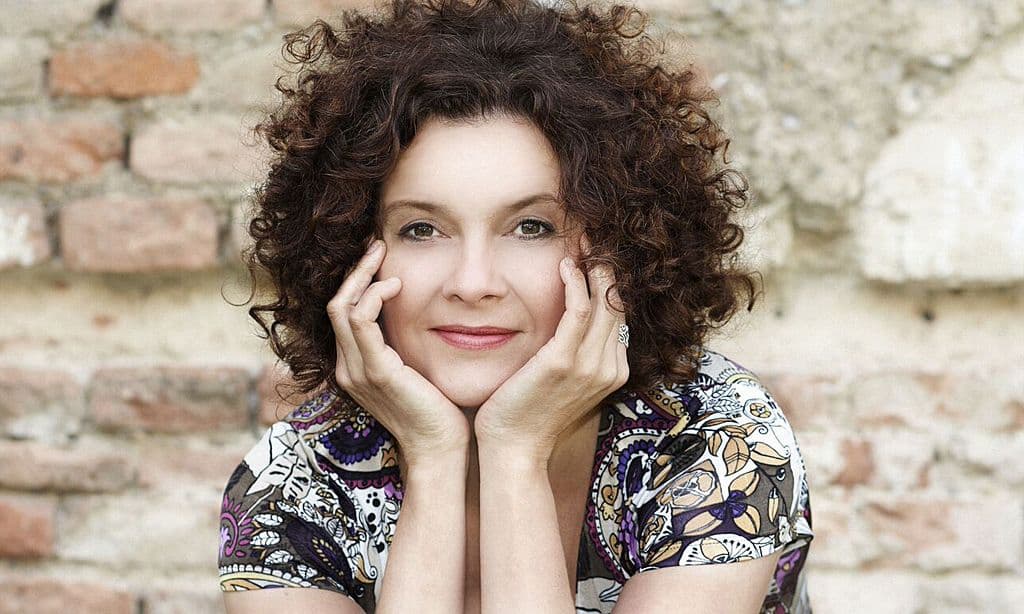
Born in Salzburg on 24 November 1965, Angelika Kirchschlager is enjoying an international career, dividing her time between recitals and operas. Acclaimed as one of the foremost interpreters of Richard Strauss and Mozart, Kirchschlager counts herself lucky to have had
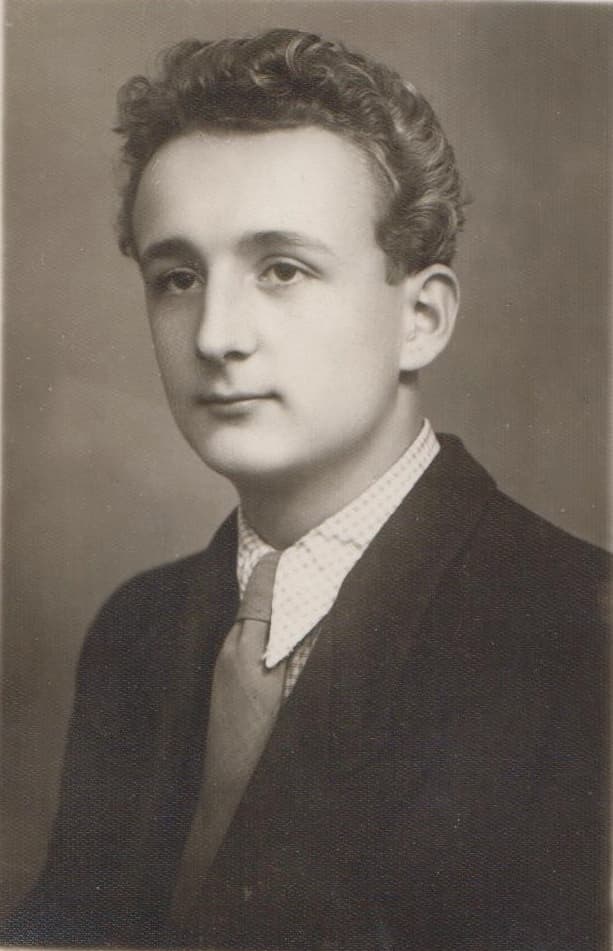
In a lecture delivered at the turn of the century, Krzysztof Penderecki said, “One must have the courage to be oneself. The period of stagnation, the wearing away of individual characteristics in art, cannot last forever. Art must be reborn.
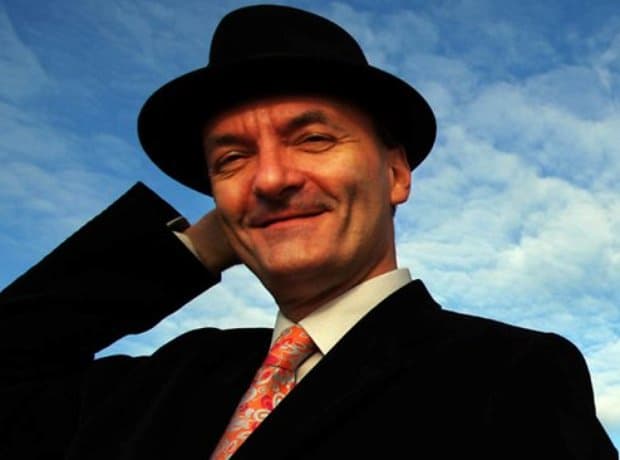
Stephen Hough has been described as “one of the most distinctive artists of his generation.” And while his achievements as a pianist are well-known and documented, Hough is also a published and frequently commissioned composer. But what is more, he