Unconscious bursts of creativity that engender significant artistic endeavors are not necessarily inspired by passionate romantic love alone. Greek mythology believed that this kind of stimulus came from nine muses, the inspirational goddesses of literature, science, and the arts. Muses were long considered the source of knowledge embodied in poetry, lyric songs and ancient myths. Throughout the history of Western art, artists, writers and musicians have prayed to the muses, or alternately, drawn inspiration from personified muses that conceptually reside beyond the borders of earthly love. True to life, however, composer inspiration has emerged from the entire spectrums of existence and being. Nature has always played a decidedly important role in the inspiration of various classical composers, as did exotic cities, landscapes or rituals. Composer inspiration is also found in poetry, the visual arts, and mythological stories and tales. Artistic, historical or cultural expressions of the past are just as inspirational as is the everyday: the third Punic War or the contrapuntal mastery of Bach is inspirationally just as relevant as are the virulent bat and camel. Composer inspiration is delightfully drawn from heroes and villains, scientific advances, a pet, or something as mundane as a hangover. Discover what fires the imagination of people who never stop asking questions.
It has long been suspected that intense sexual relationships are an impediment to artistic creativity. Don’t take my word for it, just read what Frédéric Chopin had to say about the disastrous effect the Countess Delphina Potocka had on his
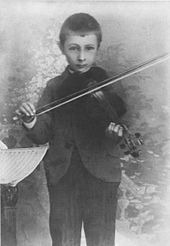
At the tender age of 5, Bohuslav Martinů gave his first public performance as a solo violinist in his hometown of Polička. The townspeople immediately recognized his exceptional talent and eventually raised enough money to fund his musical education. Martinů
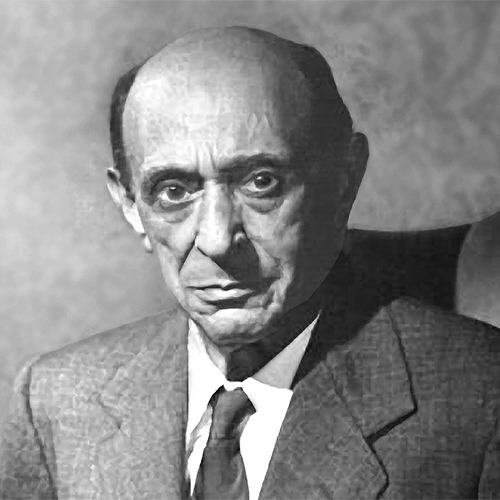
Arnold Schoenberg (1874-1951) rightfully considered himself the musical successor to both Richard Wagner and Johannes Brahms. Simultaneously extending their traditionally opposed German Romantic styles, Schoenberg started work on a song cycle for soprano, tenor and piano in 1900. For his
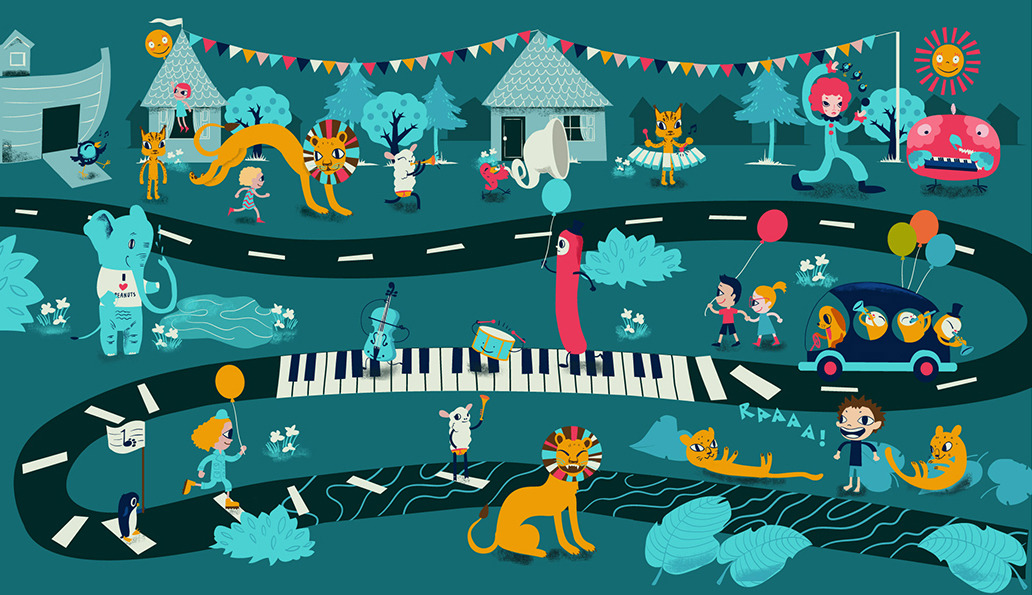
When you’re tired of the television jingles and interminable repetitions of “The Wheels on the Bus,” you’re ready to explore the world of music that appeals to children. Much as we wish they would love the music that stimulates our
In 1843, César Franck began work on his first non-chamber work, the oratorio Ruth. The libretto by Alexandre Guillemin is inspired by the biblical “Book of Ruth” and arranged in the manner of an operatic text. In fact, the three-part
In the 19th century and later musical names, titles and new forms were used to replace traditional classical music structures to allow composers to expand their music into deeper realms—Symphonie Fantastique Resurrection, Enigma Variations, Schelomo, Age of Anxiety. Music in
César Franck’s reputation primarily rests on a few large-scale orchestral and instrumental works of his later years. Among his most respected and finest works is the Violin Sonata composed in 1886 as a wedding present for the Belgian violinist Eugène
When Johannes Brahms delivered his Clarinet Sonatas Op. 120 to Richard Mühlfeld, he basically apologized for not having written a clarinet concerto. And what a glorious addition to the repertoire it would have been! As such, however, it was left