Unconscious bursts of creativity that engender significant artistic endeavors are not necessarily inspired by passionate romantic love alone. Greek mythology believed that this kind of stimulus came from nine muses, the inspirational goddesses of literature, science, and the arts. Muses were long considered the source of knowledge embodied in poetry, lyric songs and ancient myths. Throughout the history of Western art, artists, writers and musicians have prayed to the muses, or alternately, drawn inspiration from personified muses that conceptually reside beyond the borders of earthly love. True to life, however, composer inspiration has emerged from the entire spectrums of existence and being. Nature has always played a decidedly important role in the inspiration of various classical composers, as did exotic cities, landscapes or rituals. Composer inspiration is also found in poetry, the visual arts, and mythological stories and tales. Artistic, historical or cultural expressions of the past are just as inspirational as is the everyday: the third Punic War or the contrapuntal mastery of Bach is inspirationally just as relevant as are the virulent bat and camel. Composer inspiration is delightfully drawn from heroes and villains, scientific advances, a pet, or something as mundane as a hangover. Discover what fires the imagination of people who never stop asking questions.
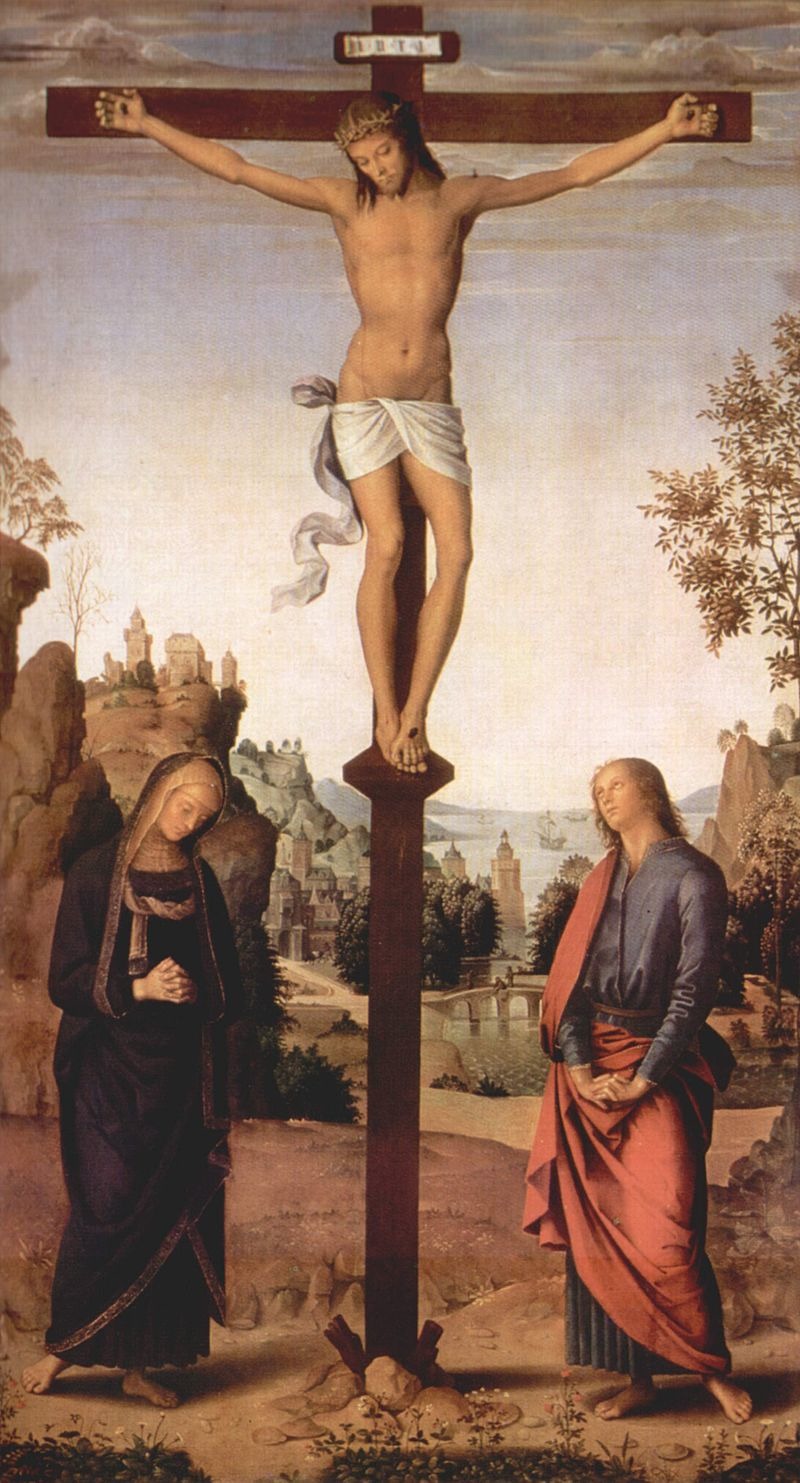
The Sorrows of Mary became the theme for the Stabat Mater, or, to give it its full name, Stabat Mater Dolorosa, or The Sorrowful Mother Stood. The sorrowful mother, Mary, standing at the foot of the cross upon which her
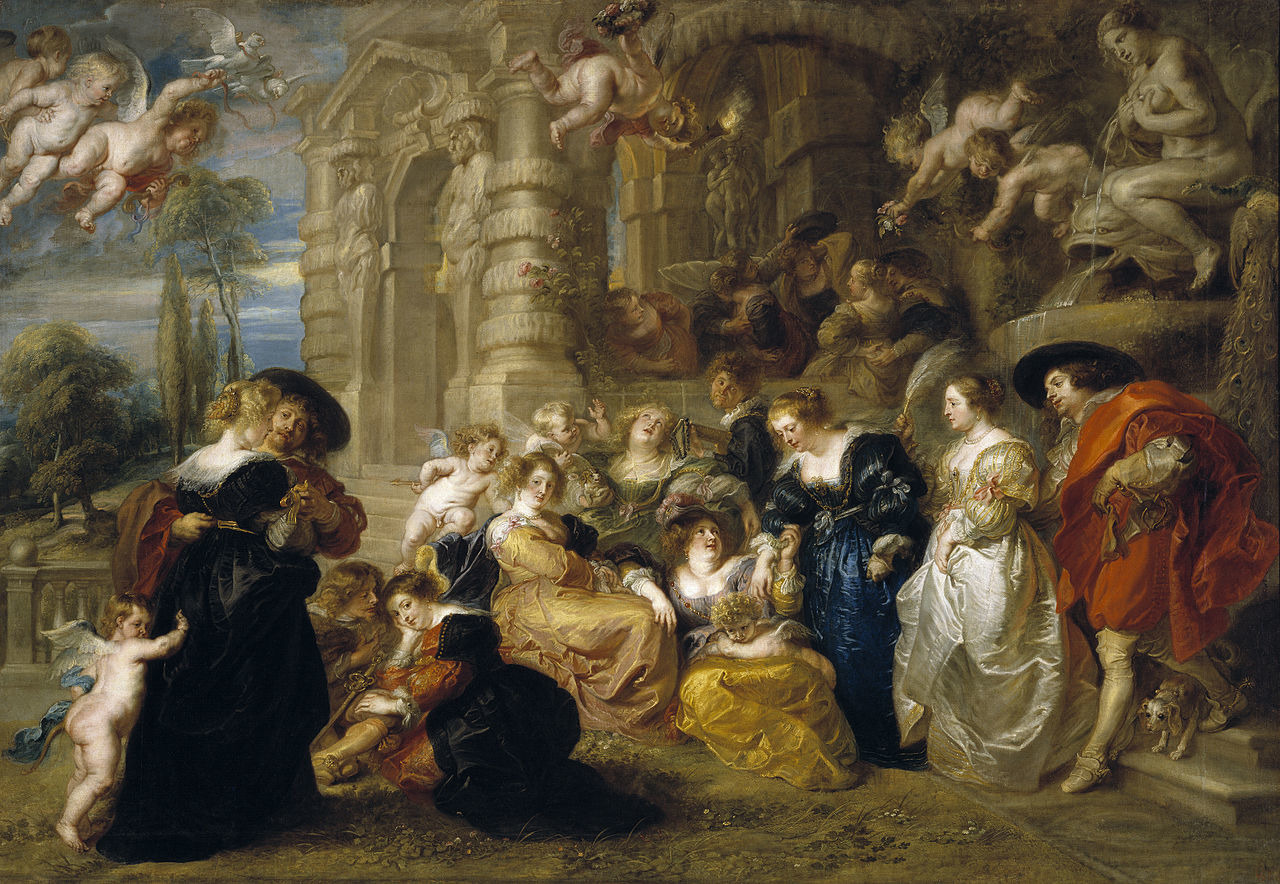
Although the madrigal in Italy was an occasion for setting some of the most notable poets of the age, when the madrigal got to England after 1558, it quickly succumbed to the most bawdy of texts. Composers were quick to
In 1951, the researcher Henry Solomon approached his classmate Robert Sarnoff, a rising executive at NBC television, about the phenomenal amount of film that each side in the Second World War had in their stocks. Solomon has been working with
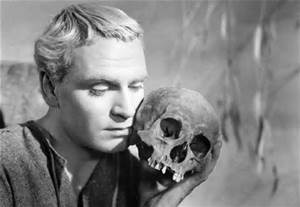
The Tragedy of Hamlet is one of the most quoted works in the English language and has had a pervasive influence on virtually every art form—literature, film, stage, screen, art and music. What better play to perform on a two–year
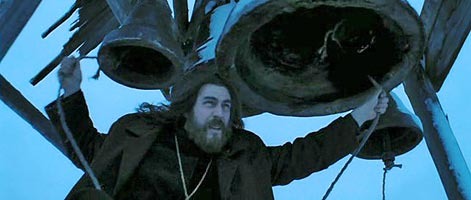
Sergei Rachmaninoff (1873-1943) spent much of his childhood and youth in the Russian countryside. For the rest of his life, he would vividly remember a childhood resonating with the beautiful and exotic sounds of ringing bells. Rachmaninoff writes in 1913,
On 14 October 1850, Robert and Clara Schumann played host to Mary Potts and her husband John Perkins in Düsseldorf. The visiting couple had married in New York just months early, and was looking to spend their honeymoon in Europe.
We all know about Prokofiev’s Peter and the Wolf, Saint-Saëns’ Carnival of the Animals, and Schubert’s Trout, but what other animals lurk in the musical forests?
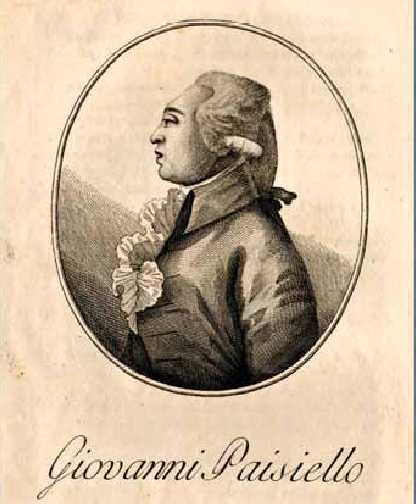
The comic opera Il barbiere di Siviglia (The Barber of Seville) became Giovanni Paisiello’s greatest success. Composed and first staged during Paisiello’s tenure at the court in St. Petersburg, the opera swept like wildfire through European theaters. Between 1783 and