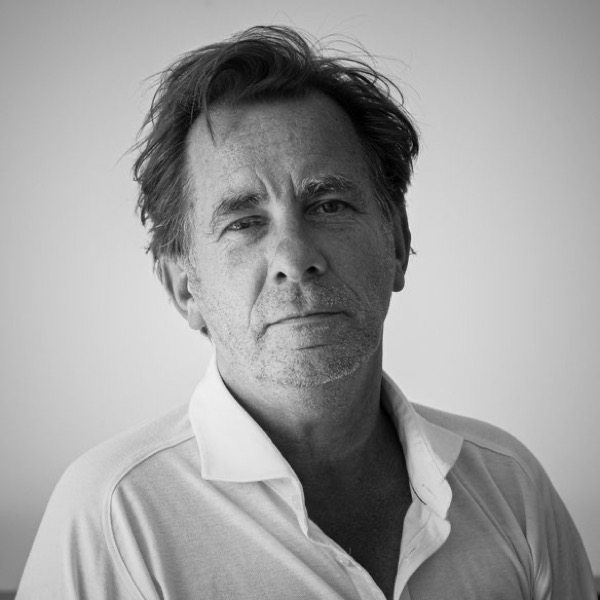
For British composer Frederick Paul Naftel, inspiration can come from many places: the natural landscape, personal experiences, historical events, and even ghost stories. His compositions explore a wide range of instrumental combinations and musical styles, but one thing remains important to him: music should connect with performers and listeners alike. Above all, he wants his music to be performed and shared.
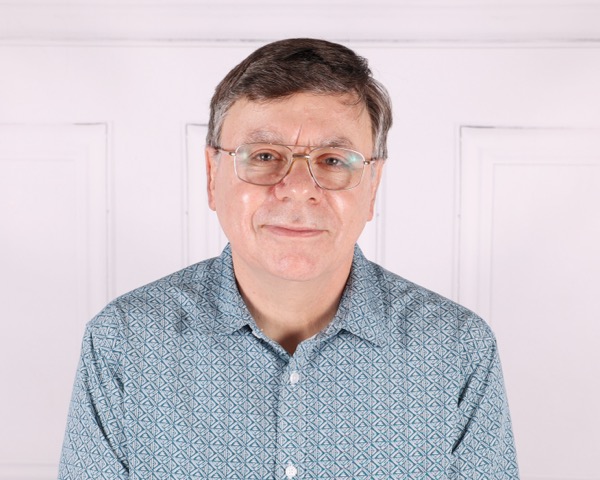
Frederick Paul Naftel © Emily Ruth Photography
Concerto No. 2 for Orchestra
Naftel’s latest album brings together works written at different stages of his compositional career, from pieces dating back several decades to those shaped by more recent experiences. Revisiting his earlier music has prompted him to reconsider some of his original decisions. “I’ve listened to them and thought, yes, I could have done that better, or this would sound better,” he explained. He has since revised two earlier works, Aubade Pastorale and Song of Songs, changing their scores and endings. He hopes to record the revised versions. He is less inclined to revisit his more recent compositions, however. “I think I’m more self-assured now,” he said. With age and experience, he has become more confident in his musical decisions, although he continues to question himself and explore new directions.
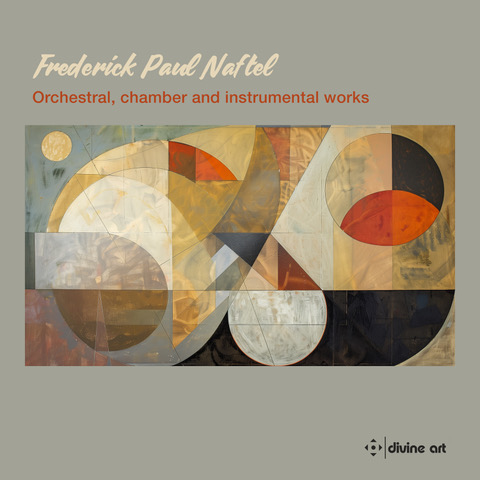
Frederick Paul Naftel: Orchestral, chamber and instrumental works
One of the album’s most personal works is String Quartet No. 2, written during the pandemic. The composition was shaped by a period of considerable personal loss, when Naftel lost two relatives and two close friends.
“It was about time because I lost a couple of relatives and two good friends. I wanted to reflect that in the music. It was like a catharsis for me, getting my feelings out there.”
Writing the quartet became a way for Naftel to process his grief and release emotions he had not previously expressed through music.
The work has since found another life beyond the concert stage. It will be used in a ballet entitled “Coiled”, to be performed by Ballet Oldenburg in Germany, choreographed by Marika Brussel. Another of his compositions, a ballet suite based on the legend of Pandora, is also moving towards a stage production, with a premiere planned for the following spring.
Nature has long been an important source of inspiration for Naftel. He enjoys walking in the countryside, exploring historic towns and cities, and occasionally finding solitude. “I love the natural landscape. I love the countryside. I like historic cities and towns. Sometimes I like solitude, so maybe that comes over in some of the music,” he said.
Alongside his love of the natural landscape, Naftel draws inspiration from traditional music. Folksong Suite, for example, uses English and Scottish folk songs, while Song of Songs is based on Hebraic chants and melodies. Villancico takes a different approach as a pastiche, while Aubade Pastorale, despite its resemblance to English folk music, is entirely based on his own material.
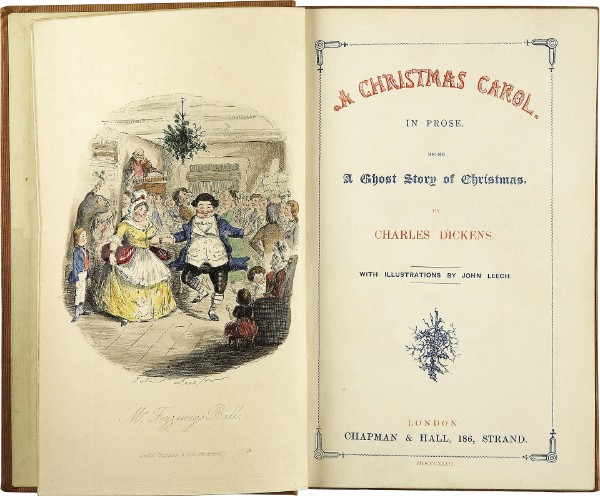
Charles Dickens’ A Christmas Carol – first edition frontispiece and title page (1843)
Naftel has been fascinated by ghost stories since childhood, particularly Charles Dickens’s A Christmas Carol, which he began reading at around six or seven. He recently completed a chamber orchestra work inspired by a Victorian-Edwardian ghost story, due to premiere in London in November. However, he hopes listeners can enjoy the music without knowing its literary background and form their own impressions.
This reflects his belief in making music accessible to performers and audiences alike. He prefers clear musical ideas and emotional expression to experimentation for its own sake.
Naftel also values the exchange between composers and performers. Getting to know a musician’s approach and understanding the possibilities of an instrument can influence how he writes.
This is evident in Aphoristic Impressions, a collection of piano pieces written for American pianist Haley Myles. Although they have not yet met in person, Naftel appreciates her support and her willingness to take on challenging music while keeping a practical approach to the piano. Myles has also shown her interest in his other work, including writing a review of his Pandora ballet. Naftel hopes the pieces in Aphoristic Impressions will find their way into more concert programs, and he is considering writing a piano concerto for Myles, possibly inspired by the Australian landscape and a ballet inspired by the Mexican Day of the Dead.
His experience with other instruments has also shown him the value of working with performers. When revising a guitar piece, for example, a guitarist suggested alternative chord positions that made the music easier to play. More recently, a Japanese harmonica player introduced him to the instrument’s techniques and repertoire, giving him the idea of writing a piece for her. He is also planning a work for harp and ondes Martenot, an instrument whose expressive sound has caught his attention.
“I think playing in orchestras has made me hear the sound of instruments and know what works and what doesn’t work,” he said.
Naftel’s musical interests range from medieval music to contemporary compositions. Among the composers he admires are Dmitri Shostakovich, Ralph Vaughan Williams, James MacMillan, György Ligeti, and Witold Lutosławski. He also admires film composer John Williams. His broad listening interests have encouraged him to explore different musical languages while remaining attentive to the needs of performers and listeners.
Naftel currently has several projects in progress. One of his major goals is to complete his Third Symphony, which explores themes of war, remembrance, and cultural identity. Its movements reflect on the First World War trenches and the Unknown Soldier, the fierce independence of Jewish identity, and a warning for the future. The third movement, still unfinished, will serve as an in memoriam, exploring both the experience and aftermath of war. He hopes to complete the approximately 35–40-minute work next year.
Towards the end of our conversation, Naftel mentioned that he had recently noticed certain musical elements recurring in his compositions. “Nearly 70 years old, I found my style at last,” he remarked with a smile. Yet he has no intention of settling into a familiar formula. He continues to explore new instrumental combinations, musical subjects, and ways of expressing himself. For Naftel, finding his musical voice does not mean reaching a final destination. The greatest satisfaction remains hearing his music brought to life by performers and discovering how audiences respond.
To learn more about Frederick Paul Naftel, please visit his website at https://www.fredericknaftel.com.
For more of the best in classical music, sign up for our E-Newsletter