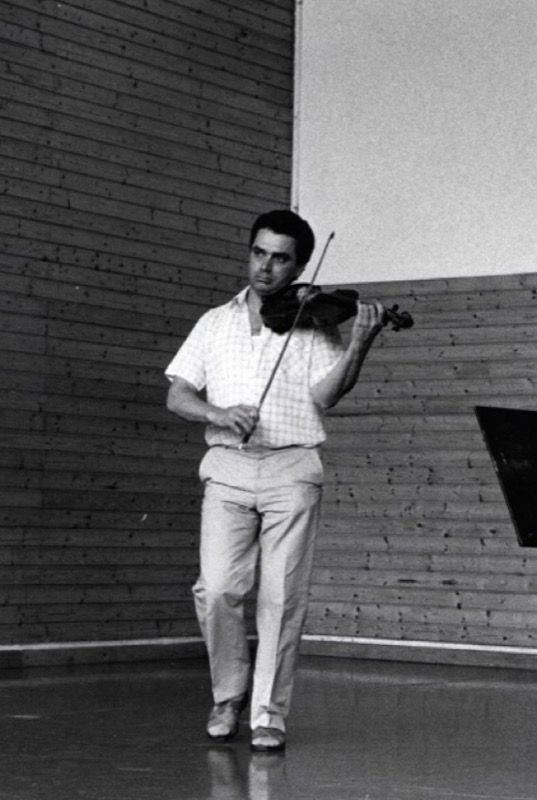
“Perhaps many a composer of the past would be astonished at how over-cautious we are when we play their works.” – Helmut Deutsch, pianist
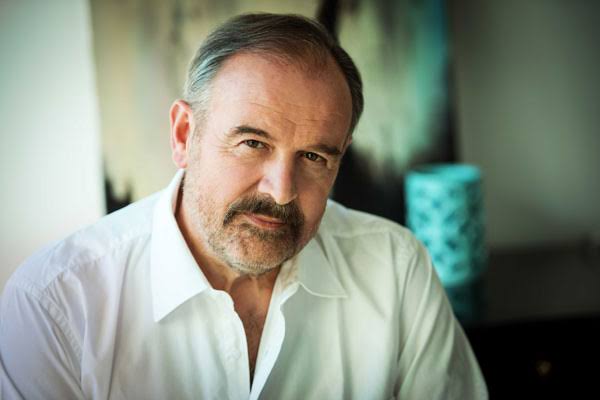
Helmut Deutsch
This comment by pianist Helmut Deutsch has stayed with me since I first came across it. It seems to encapsulate a question at the heart of classical music performance today: in our desire to be faithful to the composer and the score, have we become too careful?
Franz Schubert: Am Flusse, D. 766 (2nd setting) (Mauro Peter, tenor; Helmut Deutsch, piano)
From the earliest stages of learning an instrument, we are taught to respect the score, observe dynamics, articulation, phrasing, and tempo indications, understand the conventions of a particular period or composer, and resist the temptation to impose ourselves unnecessarily on the music. As we gain experience, that respect deepens, informed by study, listening, historical context, and an increasingly detailed understanding of musical styles.
All of this matters, of course, but respect can sometimes grow into reverence, and reverence into caution. The score may stop feeling like a starting point for interpretation and begin to seem like a set of instructions to follow almost to the letter, for fear of getting something “wrong”.
This is curious when we consider the musicians who inhabited the musical world in which much of the standard repertoire was created. Many composers were also performers and improvisers. Bach, Mozart, Beethoven, Chopin and Liszt were well known for their keyboard skills, and improvisation was not a peripheral party trick but an essential aspect of being a musician. Performers embellished, varied and adapted music, and composers themselves did not necessarily regard every detail of a score as set in stone. By contrast, today we can be remarkably anxious about correctness.
There is plenty to be gained from historical research and a deeper understanding of performance practice. Such knowledge can enrich our interpretation. But knowledge should surely liberate rather than inhibit: the better we understand a composer’s musical language, the more confidently we should be able to speak it.
Perhaps part of this wariness stems from the extraordinary catalogue of recorded performance history that is now available to us, literally at our fingertips. A pianist approaching a Beethoven sonata today does so in the shadow of countless recordings by some of the greatest pianists of the past century, alongside many new recordings which claim to be the ‘benchmark’ or the ‘finest’ of our time. Recordings are important sources of inspiration and insight, but they can also create an idea – often unconsciously – that there is an accepted way certain music ought to sound.
For students in particular, this can prompt a search for the “right way”. What is the right tempo? How much rubato is acceptable? Is this pedal historically appropriate (a question which exercises Bach players more than anything else, in my experience!)? Should this phrase be shaped this way or that? These questions are useful – and curiosity in practice and interpretation is essential as a musician – but at some point the musician has to decide for themself.
A score contains a great deal of information, but it cannot tell us everything. Even the most carefully annotated score cannot prescribe the precise weight of a note, the infinitesimal placement of a phrase, the quality of a silence, or the particular colour of a sound. These parts belong to the performer and are part of what makes one performance different from another.
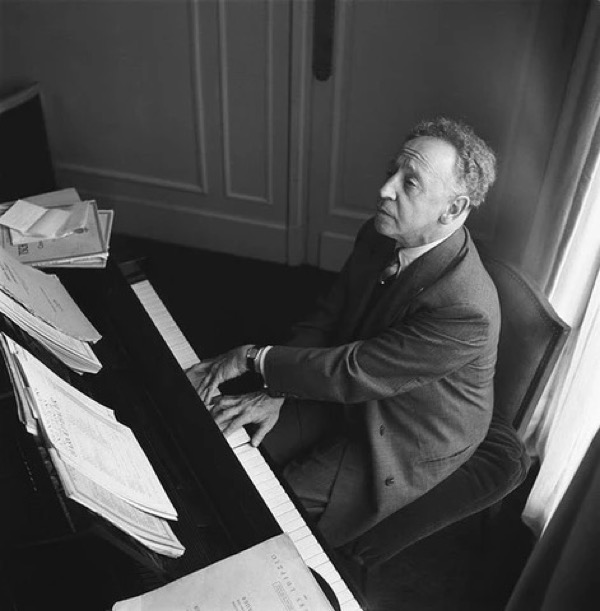
Arthur Rubinstein
This is why the most compelling or memorable performances often contain an element of risk – not for its own sake, but because there is a sense that something is being discovered and communicated in the moment. The pianist Arthur Rubinstein said that in every concert he wanted “the unexpected, the unforeseen”, adding, “I want to risk, to dare.” It is striking how different this attitude feels from the modern anxiety about delivering a performance that is polished, accurate and stylistically beyond reproach.
Frédéric Chopin: Barcarolle in F-Sharp Major, Op. 60 (Arthur Rubinstein, piano)
Music needs contrast, character, tension, surprise, and sometimes even roughness or discomfort. Beethoven should not always sound safe; Schubert’s mercurial moods can be unsettling; Chopin need not be prettified; Debussy’s colours can – and should – be strange and elusive. If we are too concerned with producing a beautiful or tasteful result, we risk diminishing the very qualities that make the music distinctive.
Claude Debussy: Préludes, Book 1: No. 2. Voiles (Pierre-Laurent Aimard, piano)
Another fear is at play here too: the fear of revealing ourselves. To make an interpretative choice is, in effect, to say this is what I hear in this music. That requires confidence, but it also calls for vulnerability. Another musician may disagree, a critic may dislike it, a teacher may suggest another approach, or an audience member may prefer the recording they have known for thirty years. Yet we rarely remember performers who stayed safely within those boundaries. Their interpretations may not always be to our taste, but we recognise a point of view, a personality, and, above all, a sense that the music matters deeply to them.
None of this is an argument for ignoring the composer: real interpretative freedom comes from knowing the music intimately. It grows from close attention to the score, an understanding of the music’s structure and character, and the technical resources to realise one’s ideas. The curious paradox is that discipline creates freedom. Perhaps that is what Helmut Deutsch’s comment ultimately suggests. We may honour composers not by treating their music as fragile and requiring extreme caution, but by trusting that it is robust enough to withstand our curiosity, imagination and individuality. After all, the great works have survived countless interpretations over hundreds of years. They don’t need protection from performers; they need performers to bring them to life.
For more of the best in classical music, sign up for our E-Newsletter