For four decades, the Bavarian spa town of Bad Kissingen has transformed every summer into a sanctuary for the world’s finest classical musicians. Founded against a backdrop of geopolitical tension and evolving into a UNESCO World Heritage cultural capital, the Kissinger Sommer is not merely a concert series; it is an immersive, living work of art.
Whether you are a seasoned festival-goer or a first-time visitor drawn by the waters and the music, this comprehensive guide will lead you through the history, architectural marvels, transformative curation, and unmissable highlights of our historic 40th-anniversary season.
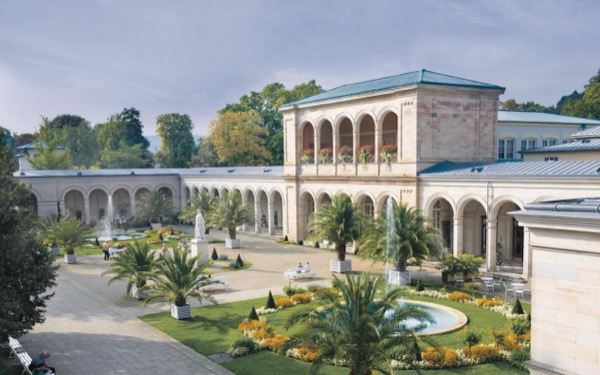
© bad-kissingen.de
The Historical Tapestry: From the Iron Curtain to UNESCO Recognition
To truly understand the spirit of the Kissinger Sommer, one must understand its origins. The festival was founded in 1986 under the visionary leadership of its artistic director, Dr Kari Kahl-Wolfsjäger, with the explicit backing of the German Federal government. At the time, Bad Kissingen sat on the periphery of the old Federal Republic, shadowed by the proximity of the inner-German border and the Iron Curtain. The region faced immense economic and structural isolation. Launching an international music festival was a strategic act of cultural diplomacy aimed at revitalising Lower Franconia by restoring its historic ties to the cultural heart of Central and Eastern Europe.
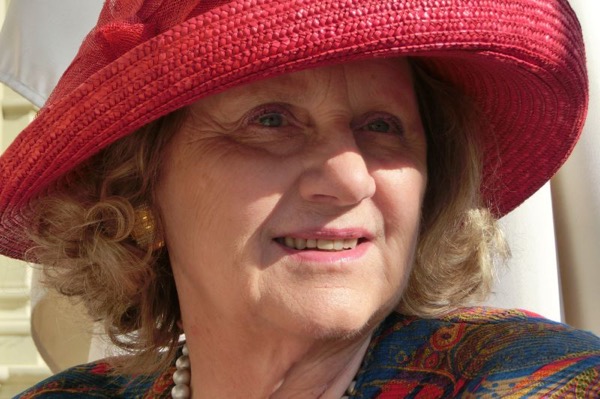
Dr Kari Kahl-Wolfsjäger © Romana Kochanowsky
In its early years, the festival acted as an artistic bridge, inviting ensembles and legendary masters from Hungary, Poland, and Czechoslovakia—countries that had been violently severed from the Western cultural dialogue since 1939. Bad Kissingen reconnected these broken threads, proving that music could defy geopolitical division.
Today, that legacy of open collaboration has culminated in Bad Kissingen’s inscription as part of the UNESCO “Great Spa Towns of Europe.” The current festival acts as a vital mirror to 21st-century society, maintaining its original courageous spirit by taking bold artistic risks, challenging contemporary audiences, and confronting modern societal shifts through the universal language of music.
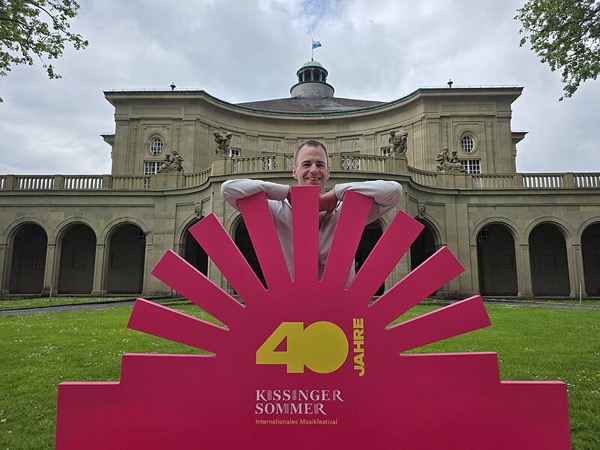
Artistic Director Alexander Steinbeis © Susanne Will
The Architectural Jewels: Iconic Venues of the Festival
The performances of the Kissinger Sommer are inseparable from the historic spaces that house them. The city’s spa architecture acts as an acoustic and visual magnifying glass for world-class artistry.
The Regentenbau: Max-Littmann-Saal
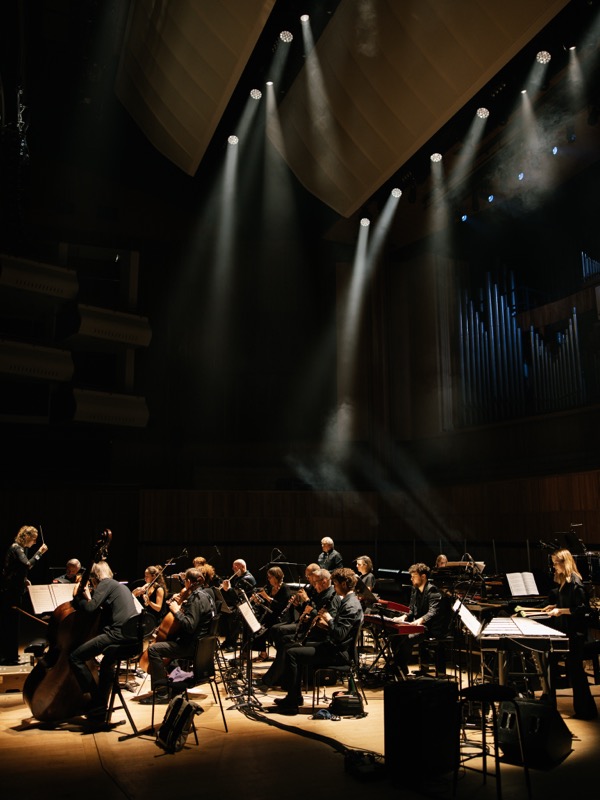
The undisputed crown jewel of the festival is the Max-Littmann-Saal, located inside the grand Regentenbau complex. Completed in 1913 by the brilliant architect Max Littmann, this hall is widely revered as one of the finest acoustic spaces in existence. Clad in warm, elegant cherry wood panelling, the auditorium offers a rare, highly coveted combination of acoustic brilliance and visual intimacy. The Max-Littmann-Saal provides a close-up sensory experience. Here, the absolute finest nuances of a solo instrument or a singer’s delicate pianissimo are preserved perfectly, enveloping the listener in a visceral blanket of sound.
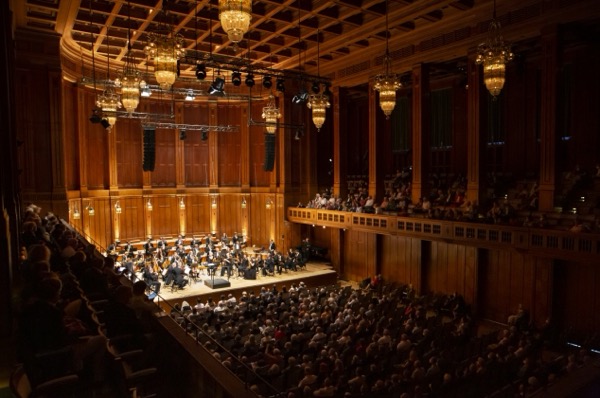
© Hannah Becker
The Turnierplatz: A New Open-Air Era
For the milestone 40th anniversary, the festival expands its physical boundaries to the newly renovated Turnierplatz (Tournament Square). Historically a retreat for the international elite, this grand outdoor space in front of the historic tournament building hosts its first-ever large-scale classical events this season. Offering a spectacular open-air backdrop, it fuses architectural heritage with monumental community pageantry.
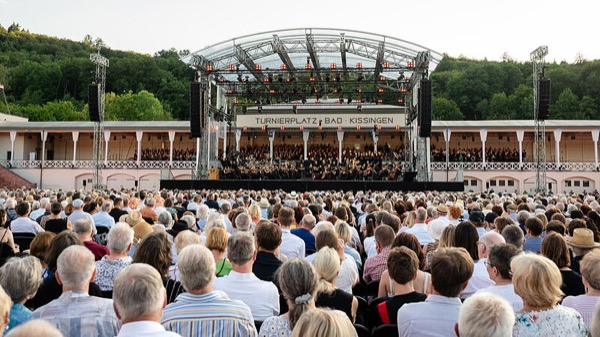
© Julia Milberger
The 40th Anniversary Theme: “Mazel Tov” and Mosaic Culture
Under its current artistic leadership, the Kissinger Sommer weaves profound cultural narratives. The 40th-anniversary motto is “Mazel Tov”—a Hebrew and Yiddish toast that serves a dual purpose. It is a joyful celebration of the festival’s four decades of success, but, more importantly, a deliberate exploration of the immense Jewish legacy that has shaped Bad Kissingen.
Until the tragedies of 1942, the city boasted one of Bavaria’s most vibrant Jewish communities, which directly elevated Bad Kissingen into an elite, cosmopolitan resort. Luminaries like Albert Einstein, Giacomo Meyerbeer, Oscar Straus, and the Mendelssohn family frequented these streets. In an era marked by a distressing global rise in antisemitism, the Kissinger Sommer acts as a guardian of cultural memory. The curation brings the staggering diversity of Mosaic culture back to the audience, celebrating Jewish composers as foundational architects of European identity.
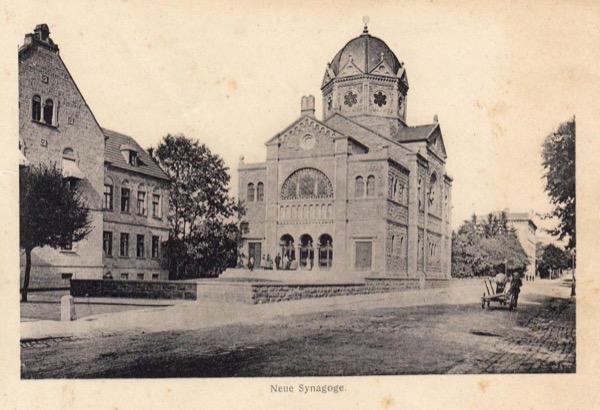
The Jewish community centre and synagogue on Maxstrasse in Bad Kissingen © Collection Dr Joachim Hahn
The Curation: Star Power, Next-Gen Discovery, and Cabaret
The festival curation of the 40th-anniversary season is divided into three distinct, compelling pillars that cater to every artistic palate.
1. The Spotlights and Orchestral Titans
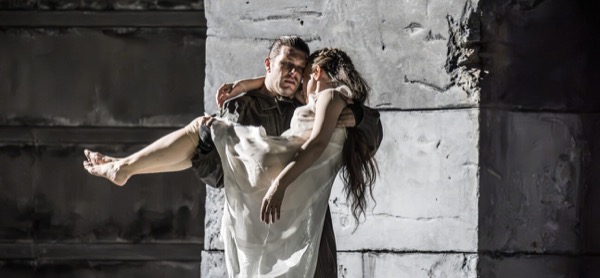
The headline event of the festival is the triumphant return of opera legend Cecilia Bartoli after a ten-year absence. Tailor-made for the intimate acoustics of the Max-Littmann-Saal, Bartoli presents three distinct programs: a brilliant Baroque Gala, a deeply personal song recital, and a crowning semi-staged production of Christoph Willibald Gluck’s Orfeo ed Euridice.
Alongside Bartoli, the festival welcomes back its most cherished orchestral partners. The list reads like a cross-generational “Who’s Who” of classical music, featuring annual fixtures like the Vienna Symphony Orchestra, the Bamberg Symphony (led by Jakub Hrůša), and the BBC Symphony Orchestra. Master conductors including Manfred Honeck, Paavo Järvi, Joana Mallwitz, Kent Nagano, and Sir Simon Rattle grace the podiums, anchoring the festival’s elite symphonic standards.
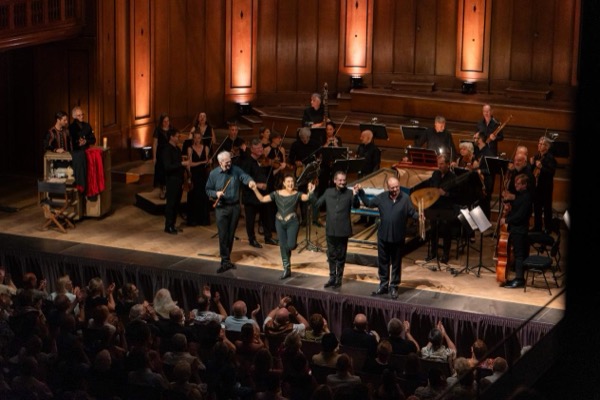
© Julia Milberger
2. Storytelling, German Chanson, and Yiddish Evergreens
Moving beyond traditional concert boundaries, the festival delves deep into the intimate, biting, and soulful realm of 1920s cabaret and musical biography:
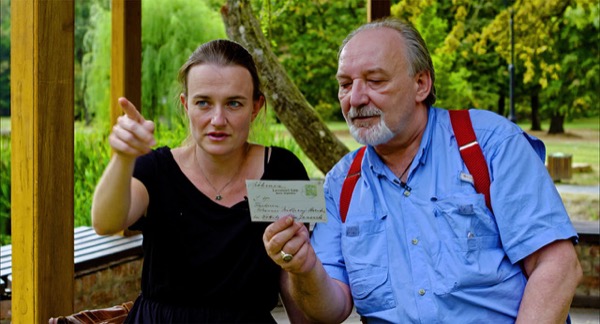
Werner Richard Heymann Portrait: The phenomenal singer-actress Katharine Mehrling joins actor-director Tilmar Kuhn for a poignant musical portrait of Heymann, the iconic Jewish UFA film composer who later found exile in Hollywood. Fusing unforgettable melodies like »Irgendwo auf der Welt« with readings from his autobiography, the performance breathes new life into his bittersweet legacy.
Tribute to Barbara: The versatile Meret Becker and her trio dedicate an evening to the profound melancholy and poetic genius of the French-Jewish cultural icon Barbara (the “Lady in Black”).
Yiddish Evergreens: Sharon Brauner alongside her band, The Toy Goys, brings the vibrant, defiant spirit of Yiddish song to life, proving that entertainment can carry profound historical weight.
3. Contemporary Dialogue: The LiederWerkstatt
The festival remains firmly committed to the future of the art form through the LiederWerkstatt (Song Workshop). This year, the workshop examines Jewish influences in song literature. Alongside the revolutionary lieder of Gustav Mahler and Arnold Schoenberg, the initiative champions brand-new contemporary commissions performed by stellar young vocalists, led by the rising soprano Clara Barbier Serrano.
The Ultimate Jubilee Finale: “Singen mit Sir Simon”
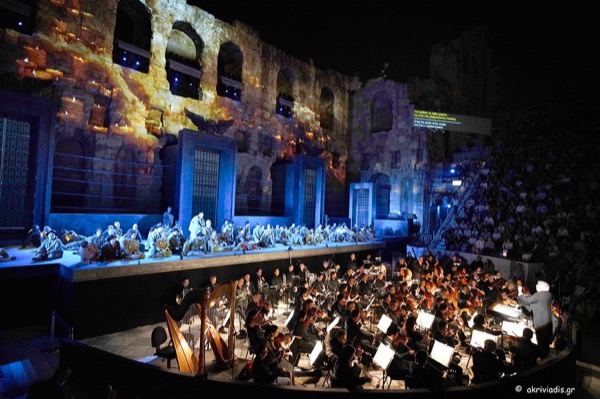
The absolute climax of the festival is the grand anniversary open-air finale at the Turnierplatz. Sir Simon Rattle leads the world-renowned Bayerischer Rundfunk Symphony Orchestra and Chorus in a monumental performance of Carl Orff’s Carmina Burana.
This concert marks the culmination of the “Singen mit Sir Simon” community initiative, bringing together over 500 singers from local amateur Bavarian choirs to perform alongside global professionals. It is a massive, inclusive celebration that perfectly encapsulates the festival’s mission: breaking down boundaries, uniting communities, and delivering uncompromised artistic excellence.
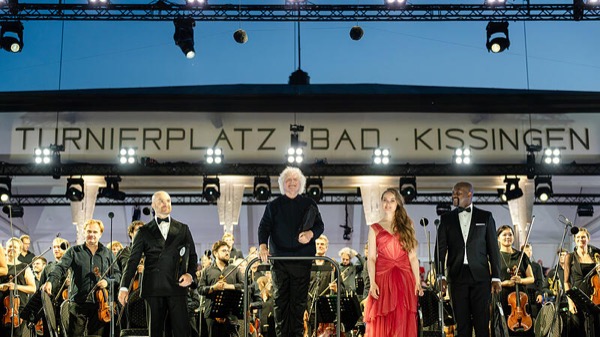
© Julia Milberger
Visitor Insights & Practical Tips
As a designated UNESCO Great Spa Town, Bad Kissingen’s identity is historically intertwined with its natural springs. Visitors routinely integrate the musical program with the town’s traditional wellness rituals, which include sampling the curative, iron-rich mineral waters at the Brunnenhalle in the Kurgarten or visiting the local thermal baths.
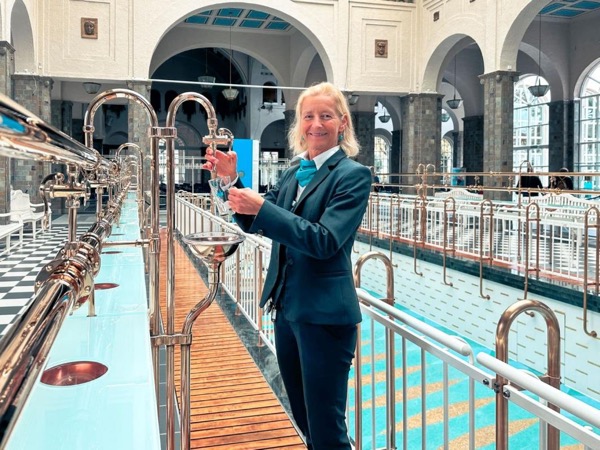
© Benjamin Kiesel
For more of the best in classical music, sign up for our E-Newsletter