The Russian baritone Dmitri Hvorostovsky was born in the industrial city of Krasnoyarsk, in Soviet-era Siberia, on 16 October 1962. He surprised the world by winning the Singer of the World Competition in Cardiff in 1989, and he stormed from success to success on the operatic stages of Europe and America.
His beautiful, cultivated voice was moderate in size but projected strongly, while his dramatic involvement grew steadily with experience. Always self-critical and highly empathic with the psychological dilemmas of his characters, Hvorostovsky announced in 2015 that he was suffering from a brain tumour. This illness took his life in 2017.
Hvorostovsky retained a strong musical and personal connection with Russia, performing as a celebrated recitalist in every corner of the globe. To celebrate his birthday, let’s turn to one of his most compelling Russian recordings, the Songs and Dances of Death by Modest Mussorgsky.
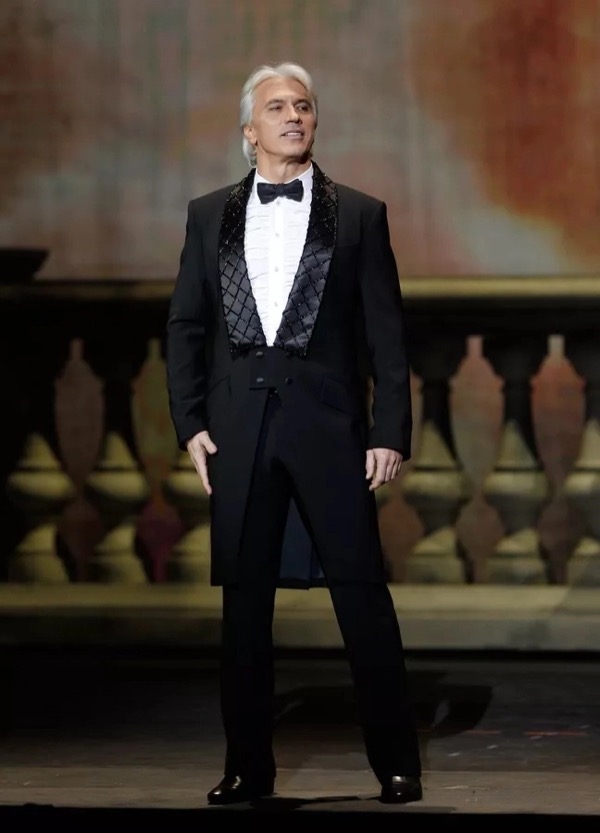
Dmitri Hvorostovsky (2011)
Dmitri Hvorostovsky sings Mussorgsky: Songs and Dances of Death, “Lullaby”
In a 2014 interview about his Russian-song recording “From Russia with Love”, Hvorostovsky commented on a Borodin composition, calling it typically Russian and offering a wonderful variety of Russian lyricism.
He also spoke of his Siberian upbringing and Russian cultural environment in 2005, suggesting that he didn’t have to travel to Moscow or St. Petersburg to study music, as the cultural background in any part of the country is very rich and profound, including the town he grew up in.
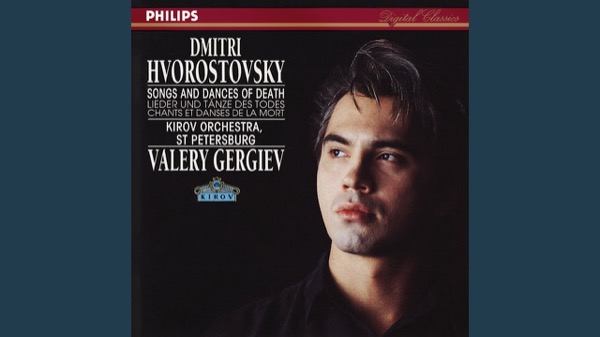
Dmitri Hvorostovsky and Valery Gergiev
Modest Mussorgsky: Songs and Dances of Death: No. 2. Serenade (Serenada) (Dmitri Hvorostovsky, baritone; Ivari Ilja, piano)
Modest Mussorgsky (1839–1881) had no academic training as a composer and worked as a civil servant. His Songs and Dances of Death set poems by his friend and relative Arseny Golenishchev-Kutuzov. Originally written for voice and piano, they are often performed in orchestrations by Dmitri Shostakovich or Kalevi Aho.
Many of Mussorgsky’s songs have a strong satirical undertone; however, the Songs and Dances of Death are strikingly different. They are described as dramatic and realistic scenes from real life, revolving around dying and death.
Modest Mussorgsky: Songs and Dances of Death: No. 3. Trepak (Dmitri Hvorostovsky, baritone; Ivari Ilja, piano)
“Lullaby” provides a vivid portrayal of a child’s gradual death, and the mother’s desperate struggle for her child. Death becomes a bridegroom in “Serenade,” and “Trepak” describes a drunken peasant who is overtaken by death in a snowstorm. In the “Field-Marshal,” death appears in the flesh amidst the tumult of war, eventually declaring victory.
Hvorostovsky recorded the cycle twice, first in January 1993 with the Kirov Orchestra and Valery Gergiev. Hvorostovsky was only 30, yet he places this deeply Russian repertoire at the centre of one of his early recordings.
This cycle does not need a singer with a beautiful lyric baritone, but an artist capable of dramatic declamation and wide tonal variety. This recording wasn’t an isolated Mussorgsky project, as it was surrounded by art-song selections from his Russian cultural heritage.
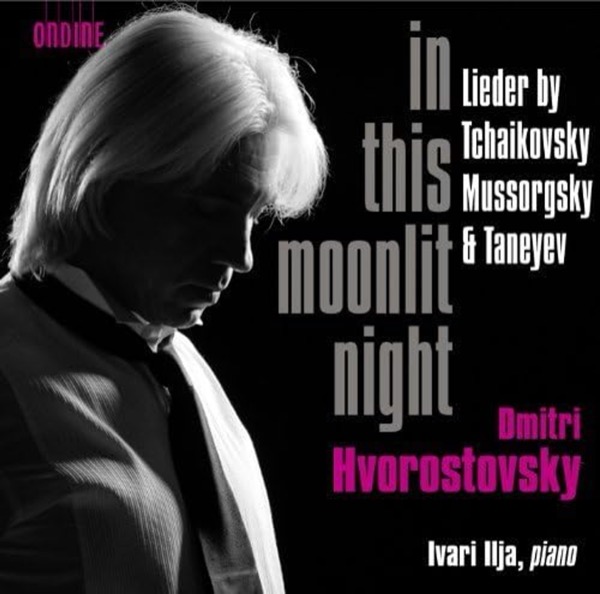
Dmitri Hvorostovsky, Lieder recital
Modest Mussorgsky: Songs and Dances of Death: No. 4. The Field-Marshal (Polkovodec) (Dmitri Hvorostovsky, baritone; Ivari Ilja, piano)
Hvorostovsky returned to the Mussorgsky cycle again eleven years later. In 2004, he performed it at the BBC Proms and subsequently recorded it again for Warner. A contemporary BBC Music Magazine declared that Hvorostovsky’s interpretation had changed surprisingly little over the decade.
Mussorgsky has always been part of Hvorostovsky’s Russian musical fabric. Explaining why he included Songs and Dances of Death in a recital programme, he said that “death is an unavoidable factor for human, life is its opposition, and love. Life, love, and death are fundamental elements of art.” (Chiba, Hvorostovsky Private Fansite, 2006)
And he makes his Russian connection even more explicit when asked what Russian music meant to him. He stated, “This is what belongs to me. How can I describe what is part of my nature?” (Sunday Conversation: Dmitri Hvorostovsky, 2011)
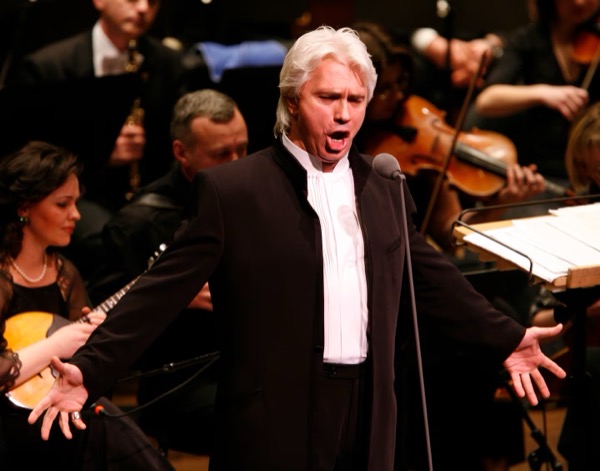
Dmitri Hvorostovsky
For more of the best in classical music, sign up for our E-Newsletter