The relationship between Franz Liszt and Frédéric Chopin was complex and influential.
Despite their contrasting personalities (Chopin was more of an introvert, while Liszt was a flamboyant extrovert), the two composers have remained linked in music lovers’ minds for generations.
Their friendship and rivalry not only impacted their own compositions but also the entire spirit of nineteenth-century European music. Here’s why – and how.
1. Chopin and Liszt were almost the same age.
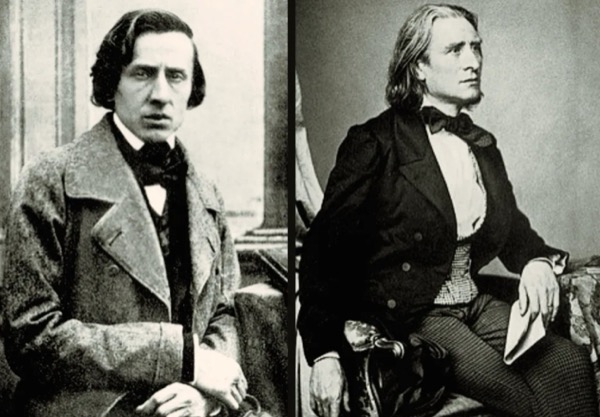
Frédéric Chopin and Franz Liszt
Chopin was born on 1 March 1810, and Liszt was born on 22 October 1811. This meant their careers unfolded simultaneously at the height of the Romantic Era.
2. Both men were from central Europe, and tragedies impacted their relationships with their heritages.
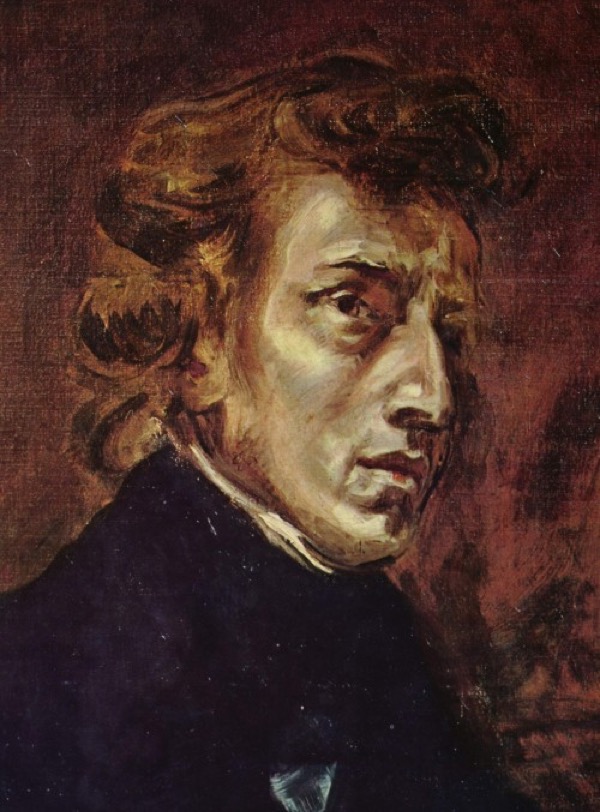
Frédéric Chopin
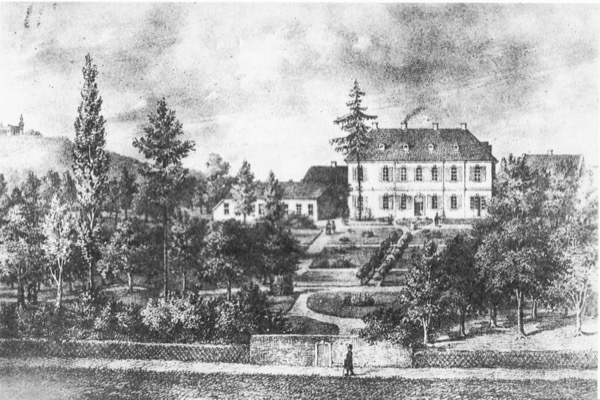
Chopin was born in the town of Żelazowa Wola in present-day Poland and grew up in Warsaw.
In 1830, Warsaw-based Polish officers launched a revolution against the oppressive Russian Empire that ultimately proved unsuccessful.
That same year, a conflicted Chopin left his life and family to build a career in Paris, but his heart was always with his homeland and the revolutionary cause. Polish folk traditions appear frequently in his music.
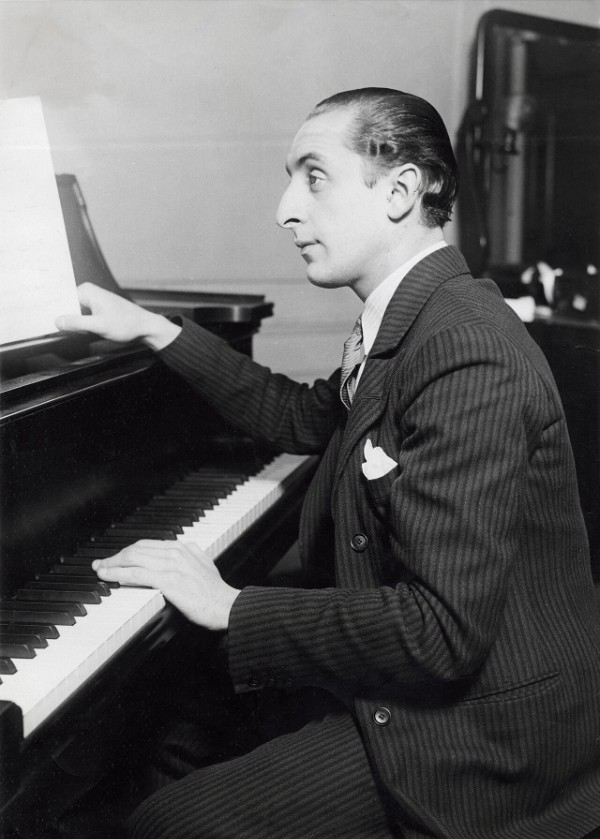
Horowitz plays Chopin’s Mazurka in B-minor, Op. 33, No. 4
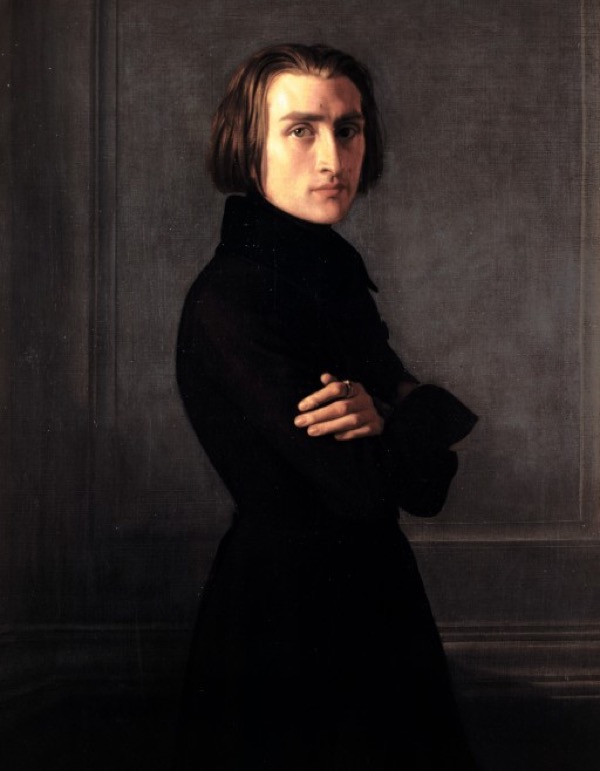
Franz Liszt
Meanwhile, Liszt lived a similar story. He was born in the village of Doborján in the kingdom of Hungary, which was ruled by the Austrian Empire.
However, his early years were more unsettled than Chopin’s. He spent much of his childhood travelling across Europe as a child prodigy.
After studying in Vienna, the Liszts settled in Paris in 1823, where Franz came into his own as an artist.
Liszt reconnected with his roots in 1838, when the Danube flooded, causing catastrophic damage to present-day Budapest. Over 150 people died, and tens of thousands of people were left destitute.
Liszt gave highly successful charity concerts for the victims, a charitable act that reconnected him with his roots. He later wrote:
“I was badly shaken by that disaster…and the surge of emotions revealed to me the meaning of the word ‘homeland.’ I was suddenly transported back to the past, and in my heart, I found the treasury of memories from my childhood intact.”
Khatia Buniatishvili plays Liszt’s Hungarian Rhapsody No. 2
3. Liszt and Chopin met for the first time at Chopin’s debut concert in Paris in February 1832.
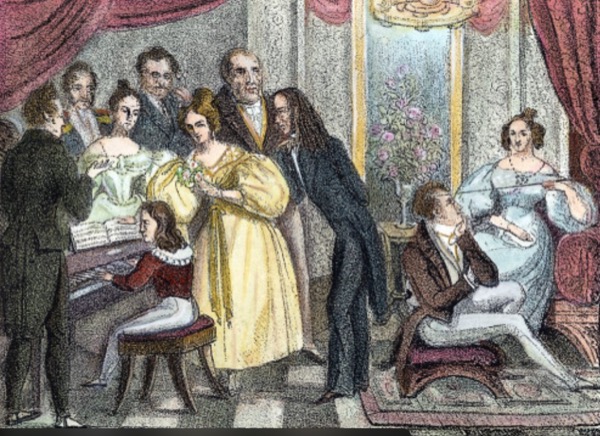
A Parisian salon in the 1830s
The concert took place in the intimate Salle Pleyel, a small concert hall built by the Pleyel family, famous for their pianos.
Chopin played his own works, including his concerto in E-minor and his Variations on ‘Là ci darem la mano.’
Yunchan Lim plays Chopin’s Variations on “Là ci darem la mano”
In addition to Liszt, Felix Mendelssohn and Clara Wieck (eventually, Clara Wieck Schumann) were also in attendance.
“Our dear Fryderyk gave a concert, which brought him a great reputation and a little money. He annihilated all the local pianists; the whole of Paris went crazy,” reported Polish musician Antoni Orłowski.
4. Chopin and Liszt became friends — and maybe even frenemies.
In a June 1833 letter, Chopin wrote, “I hardly even know what my pen is scribbling, since at the moment Liszt is playing one of my etudes and distracting my attention from my respectable thoughts. I would love myself to acquire from him the manner in which he plays my [etudes].”
Sviatoslav Richter plays Chopin’s Etudes
5. Both Chopin and Liszt fell in love with women writers who used male pseudonyms…and both men showed up in fictional form in those women’s books.
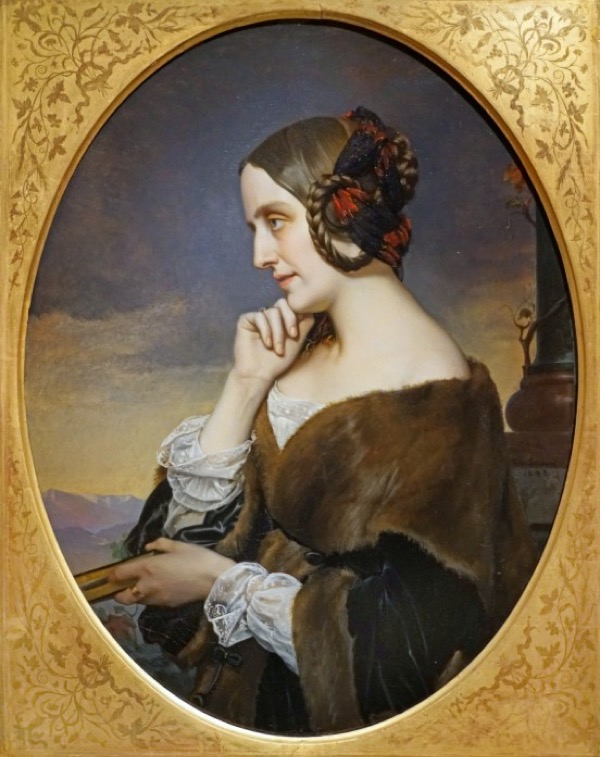
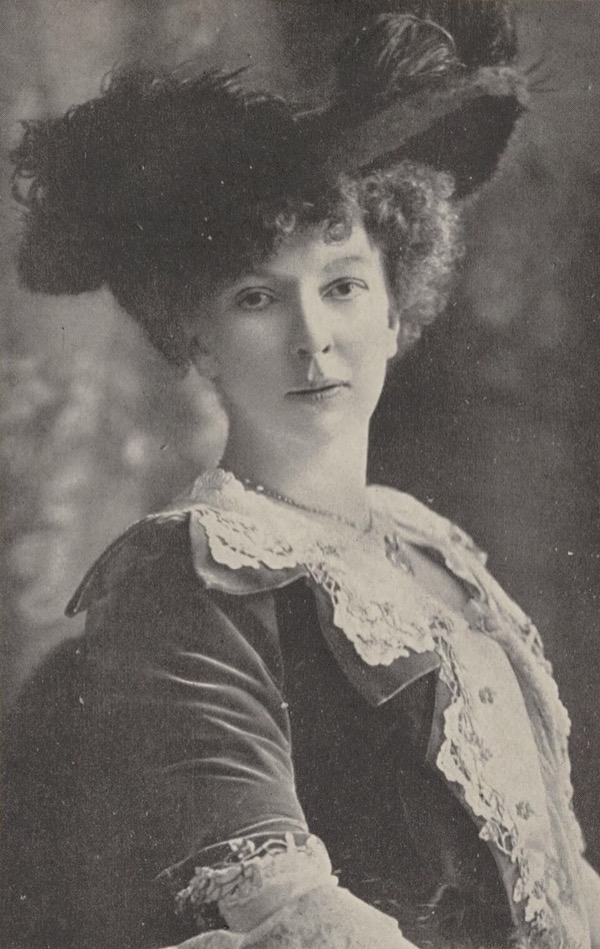
Marie d’Agoult
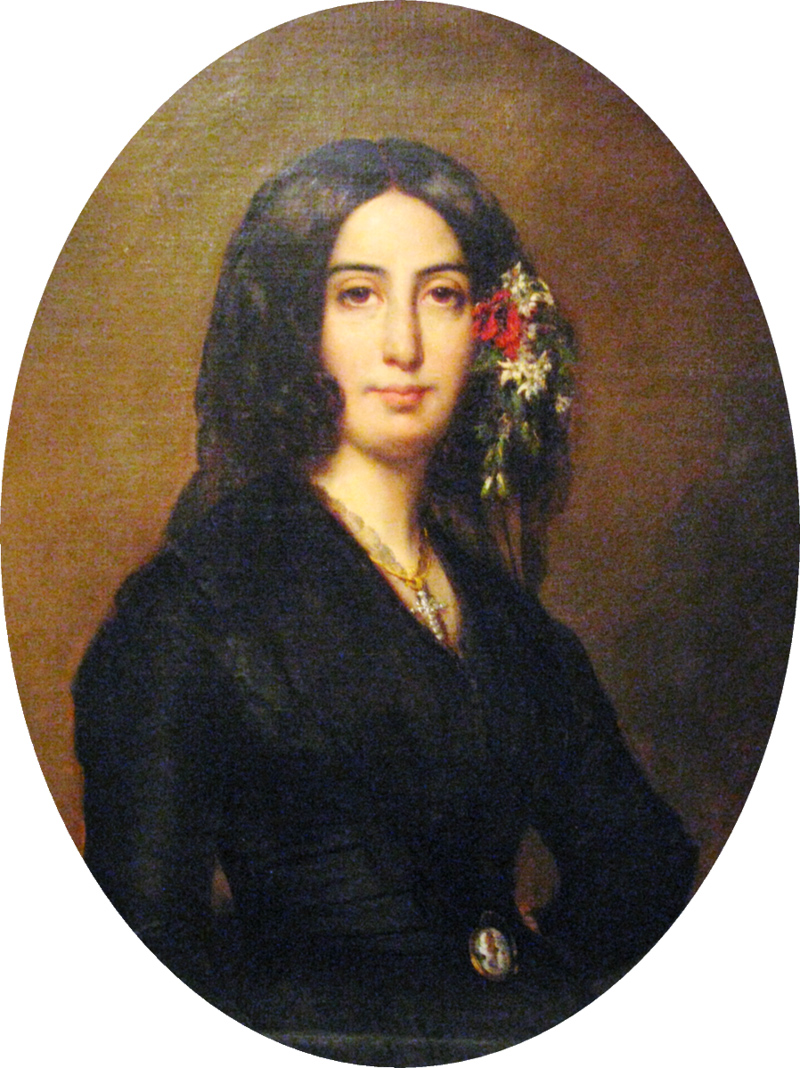
George Sand
In 1834, the unhappily married Comtesse d’Agoult fell in love with Franz Liszt, and he with her. In a gutsy move, she sacrificed her marriage and reputation to become Liszt’s mistress.
The countess and Liszt became friends with a dashing woman writer named Aurore Dupin, commonly known as George Sand. She was famous for her advanced political opinions, propensity to wear men’s clothing, and incredible writing: at the time, she was one of the best-known authors in Europe.
In October 1836, Chopin met Sand at one of Comtesse d’Agoult’s salons, and soon they became a couple.
Although the two women were initially friendly, d’Agoult harboured literary ambitions of her own and grew to feel jealous of Sand’s success.
Personal tensions, shifting salon politics, and growing artistic differences all played a role in Liszt and Chopin’s eventual drifting apart, but the relationship between their significant others contributed, too.
Liszt and d’Agoult ended up separating in 1844, while Chopin and Sand split in 1847.
Both women ended up mining their relationships for artistic inspiration.
In her novel Lucrezia Floriani, George Sand wrote a character named Prince Karol, who was a thinly veiled version of Chopin.
Meanwhile, Marie d’Agoult wrote a novel under the pseudonym Daniel Stern called Nélida, which features a workaholic painter character and an heiress who gives up everything to be with him: a clear reference to her relationship with Liszt.
6. According to legend, Chopin got angry with Liszt after Liszt used Chopin’s apartment in 1835 for a tryst with virtuoso pianist Marie Pleyel.
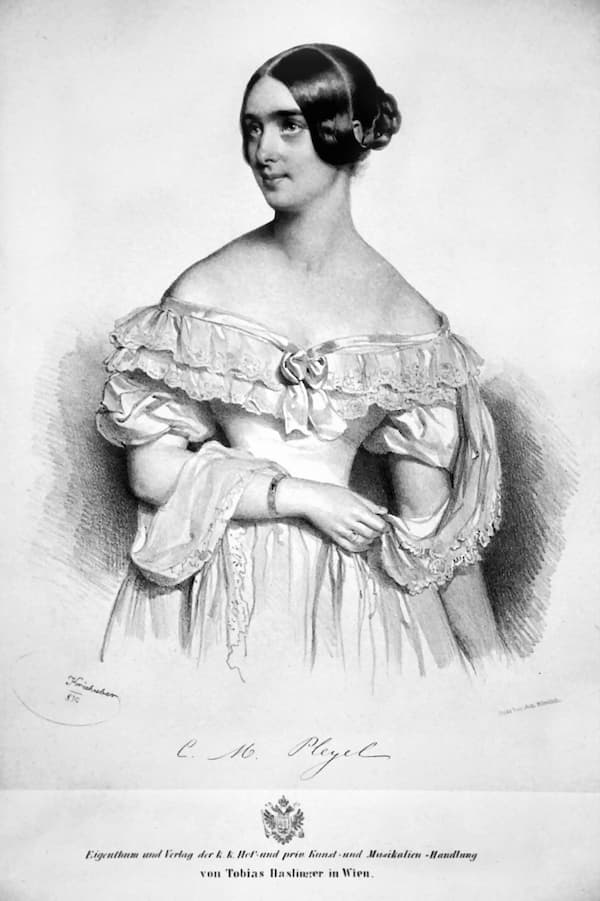
Marie Pleyel
Chopin was friends with the Pleyel family; he enjoyed playing their pianos and often concertized at their Salle Pleyel.
In 1831, a great Parisian pianist named Marie Pleyel married the much older heir to the family business, Camille Pleyel.
The marriage didn’t last; Marie and Camille eventually separated due to Marie’s multiple infidelities.
But Chopin reportedly resented Liszt for putting him in an awkward position with the Pleyels and crossing his boundaries.
7. They had mixed feelings about each other’s musical output.
Tongues wagged in 1841 after Liszt wrote a review of one of Chopin’s appearances without mentioning the Chopin works on the program, seeming to damn him with faint praise.
Meanwhile, Chopin apparently didn’t like how Liszt didn’t follow what was written in scores, and the two argued the point.
However, despite their artistic and temperamental differences, there was a deep mutual respect for each other’s work.
8. Liszt was deeply affected by Chopin’s death.
Liszt suffered a bit of a midlife crisis as he watched various figureheads of the Romantic Era die young.
Chief among them were Niccolo Paganini (who died in 1840), Felix Mendelssohn (who died in 1847), and Chopin (who died in 1849).
At the same time, new voices like Hector Berlioz and Richard Wagner were clearly in the ascendance.
Evgeny Kissin plays Paganini/Liszt’s La Campanella
As he was processing this generational change of the guard, Liszt wrote a florid biographical monograph about Chopin in 1852, titled Life of Chopin. (Additional editions came out in the ensuing years.)
Life of Chopin grapples with the composer’s place in music history:
“Deeply regretted as he may be by the whole body of artists, lamented by all who have ever known him, we must still be permitted to doubt if the time has even yet arrived in which he, whose loss is so peculiarly deplored by ourselves, can be appreciated in accordance with his just value, or occupy that high rank which in all probability will be assigned him in the future.”
Turns out, Liszt was correct about posterity’s high opinion of Chopin.
9. The year after Chopin’s death, Liszt published Consolation No. 3, a piano work directly inspired by Chopin’s Nocturne, op. 27, no. 2.
It’s a wistful, heartbreaking tribute to a dearly beloved friend and colleague.
Liszt’s Consolation No. 3
10. Chopin and Liszt will always be classical music icons. They’ve even appeared as characters in modern films!
Impromptu Official Trailer #1 – Julian Sands Movie (1991)
In 1991, the romance movie Impromptu was released in theatres.
Impromptu stars Hugh Grant as Chopin, Judy Davis as George Sand, Julian Sands as Liszt, and Bernadette Peters as Marie d’Agoult.
The film features Chopin and Liszt’s friendship as a backdrop to an unfolding love story between Chopin and Sand.
It may not be completely historically accurate, but it makes for a charming movie that is still fondly remembered by many viewers today.
It suggests that music lovers will always be intrigued by the friendship and rivalry between these two titans of nineteenth-century music.
For more of the best in classical music, sign up for our E-Newsletter