You have likely never heard her name, but Marion Bauer was one of the most influential musical personalities in American history.
Not only was she a pioneering composer in an era when professional women composers were often looked down on, but she was also a writer and critic who spent much of her career advocating for the work of other composers who are now firmly ensconced in the canon.
Through her music, her writing, and her tireless advocacy for new composers, she helped shape how twentieth-century America heard music. But after her death in 1955, her music largely disappeared from concert programs.
It shouldn’t have, and today we’re looking at why.
Marion Bauer’s Family and Childhood
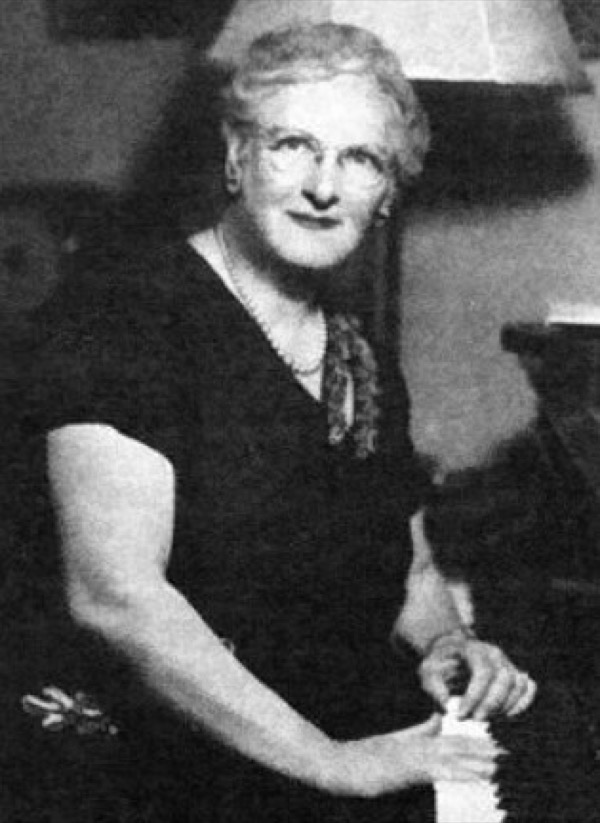
Marion Bauer
Marion Eugenie Bauer was born on 15 August 1882 in the town of Walla Walla in present-day Washington state. She was the youngest of five surviving children.
Her father was a French immigrant who played in the band of the Ninth Infantry of the United States Army. Later, he became a shopkeeper.
Her mother was a polyglot who spoke seven languages. After her children aged past toddlerhood, she became a tutor and professor. Her children would inherit her passion for teaching.
Tragically, Marion’s father died when she was eight years old. Her mother moved the family to Portland, Oregon, to live near family.
Marion’s Early Careers
After the death of their father, Marion’s sister Emilie – seventeen years her senior and a formative influence throughout Marion’s life – took on responsibility for helping with the family, raising the younger children while working.
It was Emilie who began teaching Marion how to play the piano when she was a young girl, as soon as she could sit upright on the piano bench.
In addition to music, Marion also had a passion for writing. In the late 1890s, in high school, she became the assistant editor of the school newspaper.
Emilie shared the family’s passions and combined them to make a living, then left for New York City to become a music critic. Marion followed her.
In New York, Marion continued her piano studies with composer and pianist Henry Holden Huss, a composer who is acknowledged as a bridge figure between American romanticists and modernists. Marion’s music would later serve a similar role.
Studying in Paris
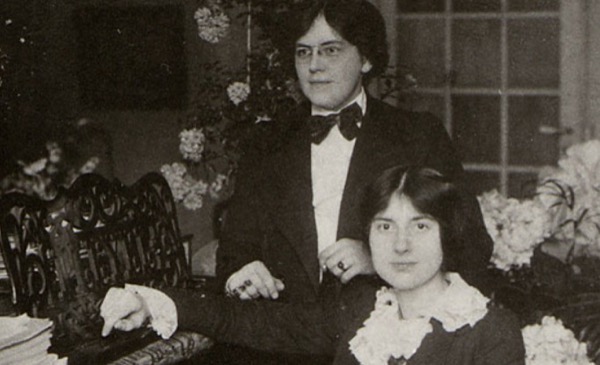
Nadia and Lili Boulanger
In 1905, French pianist and violinist Raoul Pugno gave a series of concerts across the United States. He met the Bauer sisters, and Marion offered to teach him and his family English.
Pugno proposed a trade: in exchange for the English lessons, Marion could return to France with him to study music in Paris.
In Paris, she began teaching English to sisters Nadia and Lili Boulanger. In return, Marion became Nadia’s first American student.
A few years later, Lili would become the first woman to win the prestigious Prix de Rome composition competition, while Nadia would become arguably the most influential music teacher of the twentieth century.
Further Studies and Songwriting
Bauer continued her studies in New York in 1907 and Berlin in 1910. When she returned to New York, she began focusing on composition.
She was especially interested in songwriting during this time in her artistic development. She later described this accidental specialisation:
“I was having trouble with my eyes and was making daily visits to the oculist. While waiting to be admitted to his office one morning, I found in a magazine a poem by Gouverneur Morris, and on a piece of scrap paper I scratched a staff and composed my first song.”
Marion Bauer: 4 Poems, Op. 16 (Susan Narucki, soprano; Donald Berman, piano)
In 1912, the year she turned thirty, she signed a seven-year contract with publisher Arthur P. Schmidt for the rights to her songs.
The two would later quarrel as her style became more and more modern, and, in Schmidt’s eyes, less commercially valuable. She wrote to him in 1918:
“It is not stubbornness on my part not to write simple things. I can only write what I feel…”
Maturing as a Musical Communicator
By the early 1920s, Bauer had become not just a composer, but a node: someone who connected composers, performers, institutions, and audiences.
Composition was not Bauer’s only interest. She also enjoyed writing about music, creating lecture recitals, organising concerts, and arts administration.
She spent summers at the MacDowell Colony and befriended fellow composers, including Amy Beach, the first American woman to write a symphony.
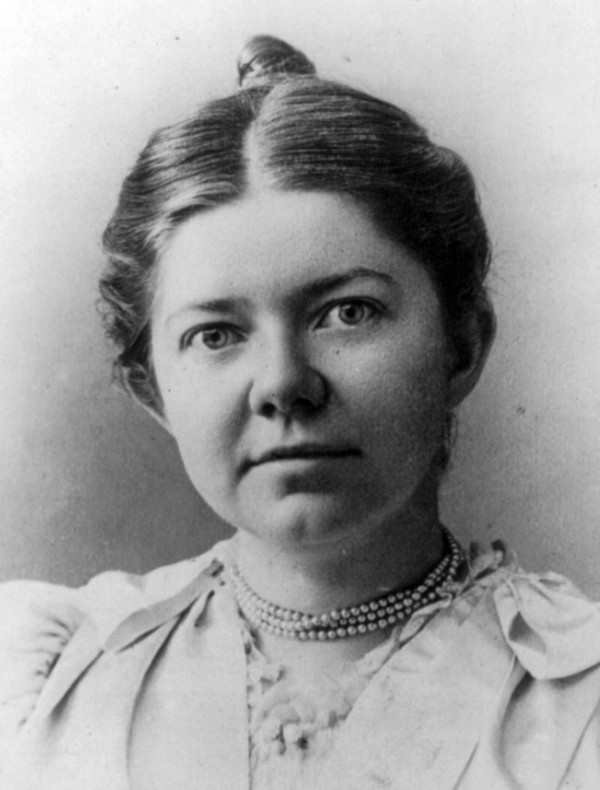
Amy Beach
In 1921, she founded the American Music Guild, where members could hear their works performed and receive feedback from colleagues and the public.
Based on the feedback she received from the Guild, she decided to continue her studies in Europe. Between 1923 and 1926, she took another trip to France.
Returning to France and Facing Tragedy
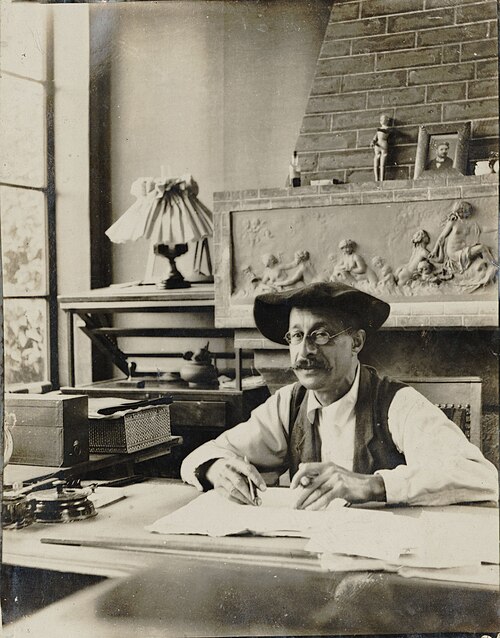
André Gedalge at his home in Chessy, about 1908, Bibliothèque nationale de France.
She later wrote, “These were some of the richest years in my life from the standpoint of study and development. I studied fugue with Andre Gedalge for a season, and met many of the composers and musicians in prominence at the time.” (Gedalge had been a teacher of Ravel and Milhaud.)
Bauer was correct: this period was especially productive for her. She began writing more and more instrumental music during this time, including her string quartet and violin sonata.
Marion Bauer’s Violin Sonata
In early 1926, she returned to New York when she received a telegram that her sister Emilie had been hit by a car. Emilie died from her injuries that March.
Marion and her sister Flora agreed to take over Emilie’s job as the New York correspondent for the magazine The Musical Leader, which they would continue to do together into the 1950s.
Teaching and Mentoring Musicians
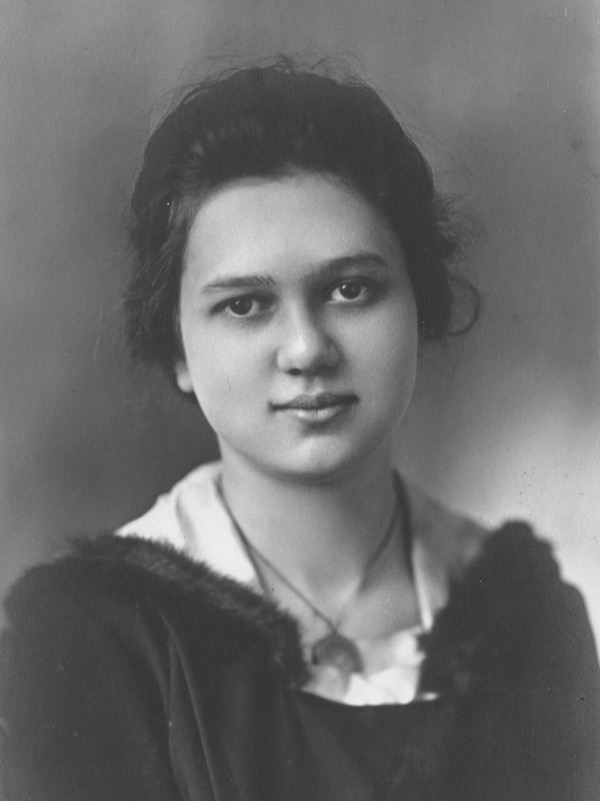
Ruth Crawford Seeger
In 1929, the 47-year-old Bauer met and became a teacher and mentor to 28-year-old Ruth Crawford (later Ruth Crawford Seeger).
Seeger had been depressed after turning down a proposal of marriage, but Bauer comforted and encouraged her, saying:
“Work. You have a great talent. You must go ahead. I do not mean that you must not marry, but you must not drop your work.”
Bauer was right: Crawford would go on to become one of the most original American modernists of her generation.
Ruth Crawford’s String Quartet (1931) performed by the Koan Quartet
Crawford wasn’t the only composer with whom Bauer worked.
She began teaching at Juilliard and New York University’s Washington Square College (she was the college’s first woman on the music faculty). Her students began calling her “Aunt Marion.”
Writing Books About Music
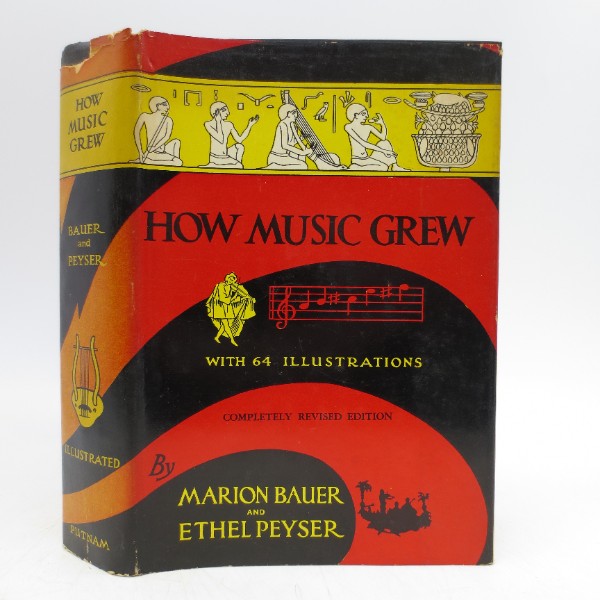
How Music Grew by Marion Bauer/ Ethel Peyser © abebooks.com
Marion followed in her critic sister’s footsteps, writing articles and publishing six books.
Two of the most striking were 1925’s How Music Grew and 1932’s Music Through the Ages, both co-written with Ethel Peyser.
These two books traced the history of music in an approachable way. Music Through the Ages became a popular text in schools for a long time, influencing countless American music lovers in the mid-century and beyond.
In 1933, she wrote Twentieth Century Music: How It Developed, How to Listen to It. She described the book as “an attempt to guide the rapidly growing army of listeners in concert halls and over the air, through some of the paths along which the music of the twentieth century is traveling.”
Embracing New Music and New Media
Starting in the 1920s, she began giving innovative lecture-recitals across America and Europe.
Unsurprisingly, her favourite topic was modern music and enhancing people’s enjoyment of new music.
As she once wrote, “So many people come with unfounded prejudices toward modern music. All I ask is that your dislike be based on understanding.”
At the same time, the new technology of radio was developing. Bauer immediately grasped its educational potential, and she began giving presentations over the radio in 1927.
At a time when radio was bringing music into millions of American homes, Bauer was helping shape how those listeners understood the unfamiliar sounds of modernism.
Performances of her music on the radio were also common.
Her Later Compositions
Despite all of her pedagogical and literary activities, she didn’t stop composing.
She wrote increasingly large works in the 1940s, writing a Symphonic Suite for String Orchestra, a piano concerto, and a symphony, among other works.
Marion Bauer: Symphonic Suite for Strings, Op. 33 (Ambache Chamber Orchestra; Diana Ambache, cond.)
Marion Bauer: American Youth Concerto, Op. 36 (Diana Ambache, piano; Ambache Chamber Orchestra)
In 1947, the New York Philharmonic performed her symphonic poem Sun Splendor. It was only the second time that the orchestra had ever played a work by a woman.
Marion Bauer’s Sun Splendor
Her Final Years
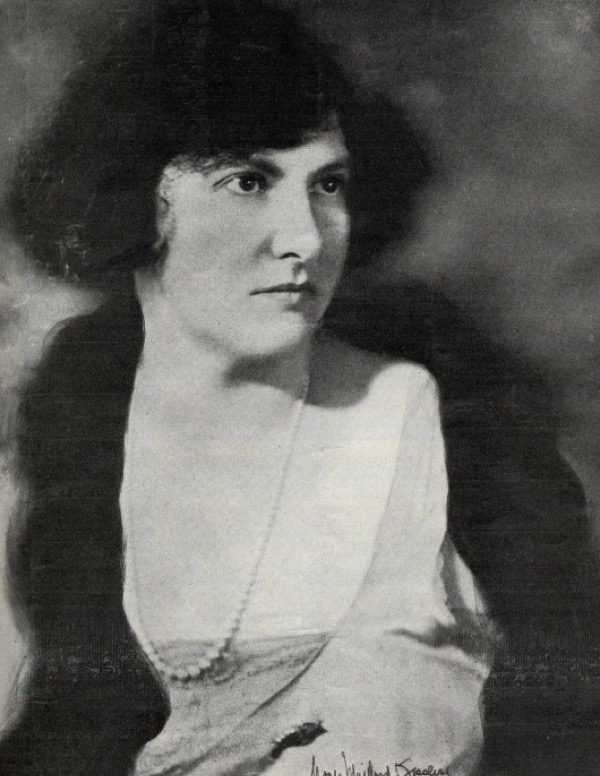
Marion Bauer
She retired from teaching at New York University in 1951. She then received an honorary doctorate from the College of Music “for distinguished professional services and outstanding achievement in Music Education.” It would be the only formal degree she’d ever received.
On 6 August 1955, she attended a gathering of composing friends from the MacDowell Colony. Three days later, she died of a heart attack. She was seventy-two years old.
By the time of her death, she had shaped generations of composers and listeners alike – even if her own music would take decades to be rediscovered by the same institutions she helped build.
For more of the best in classical music, sign up for our E-Newsletter