What are the most popular viola performances on YouTube?
We looked it up, and here is the answer, as of 2026.
These seven performances – ranging from Baroque transcriptions to a viral cat video (!) – have, together, racked up millions of views.
Today, we’re counting down the top seven, ending with the most viewed.
Together, these videos paint a rich portrait of what draws listeners to the viola’s irresistible voice.
7. Glazunov Elegie
529k views
Russian composer Alexander Glazunov (1865–1936) wrote his “Elegie” specifically for viola. This is noteworthy, since many viola works are actually transcriptions of violin or cello works.
An elegy is a piece meant to commemorate someone who has died. Although all elegies are melancholy, their characters range considerably.
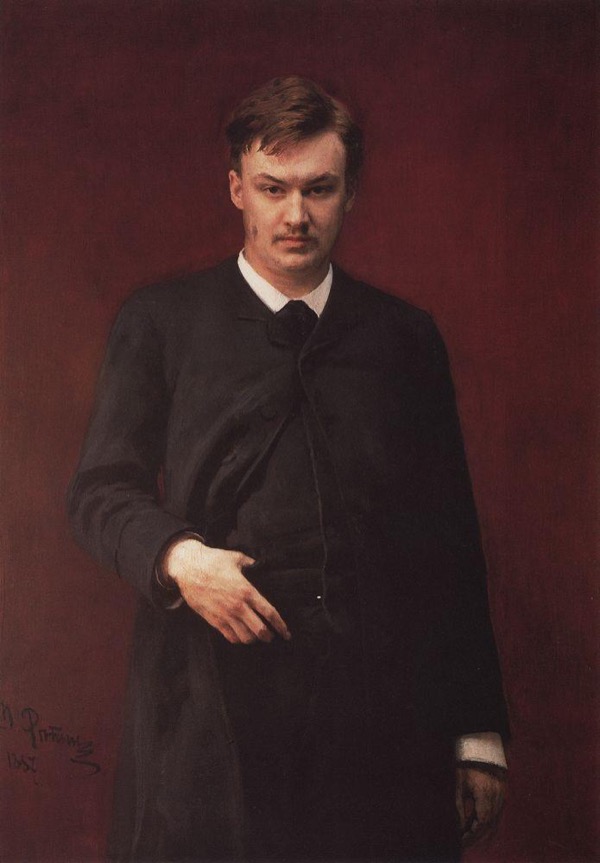
Alexander Glazunov (by Repin)
This one leans more toward the bittersweet, poignant end of the emotional spectrum – restrained and graceful from start to finish.
This performance is by the Duo Sabbah-Reyes, which consists of violist Marc Sabbah and pianist Eliane Reyes, both of whom are active performers and pedagogues in Belgium.
6. Casadesus Viola Concerto in C-minor
759k views
Henri Casadesus is a fascinating figure from viola history.
He was born in Paris in 1879 and studied the viola at the Paris Conservatory, graduating with a first prize in 1899.
In 1901, he became one of the founders of the “Société des instruments anciens,” which allegedly gave performances of Baroque and early Classical-era music.
Turns out, Henri and his violinist brother Marius wrote an eyebrow-raising number of fakes, attributing them to other composers like Boccherini, J.C. Bach, and even Mozart.
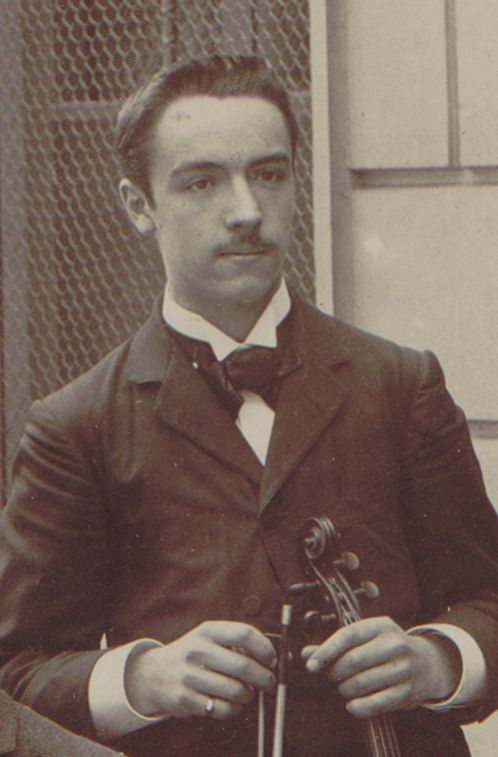
Henri Casadesus
This particular concerto in C minor was attributed to Bach‘s son, C.P.E. Bach.
In the end, the attribution didn’t matter; audiences loved it.
It ultimately became so popular that, in the words of musicologist Rachel W. Wade in 1981, “at present, the most frequently recorded concerto of C. P. E. Bach is a spurious one.”
5. Mozart Sinfonia Concertante
832k views
The viola is used to playing supporting roles. But paradoxically, in Mozart’s otherworldly Sinfonia Concertante for violin and viola soloists (1779), it plays that supporting role while in the spotlight.
Most classical music lovers know that Mozart was a talented violinist, but he was a violist, too. In fact, he preferred to take the viola part when playing chamber music with friends.
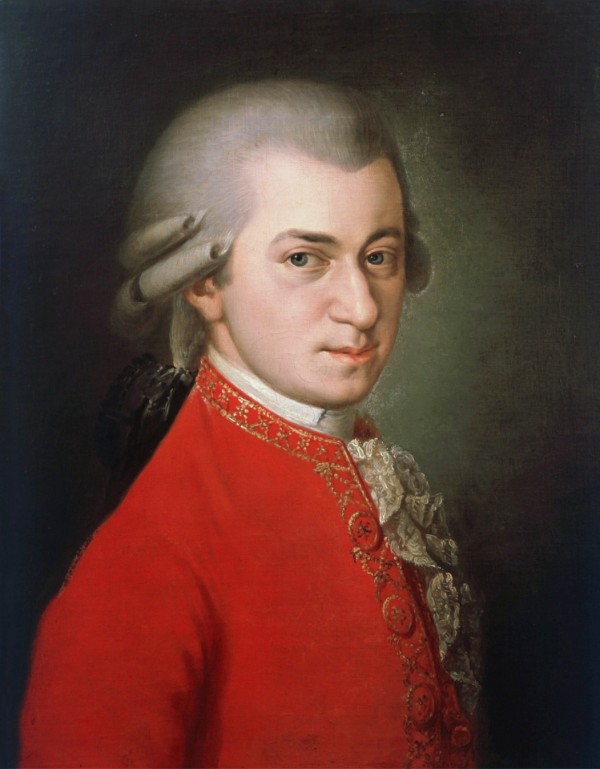
Barbara Krafft: W. A. Mozart, 1819 (Gesellschaft der Musikfreunde)
His passion for the viola led him to write an unusually substantial, independent part that truly showcases the beauty and expressive possibilities of the instrument.
To this day, the Sinfonia Concertante remains one of the highlights of the viola repertoire.
In this performance, violinist Julian Rachlin joins forces with violist Sarah McElravy. Like Mozart himself, McElravy is both a violinist and violist: fitting!
4. Glinka Viola Sonata in D-minor
1 million views
Composer Mikhail Glinka (1804–1857) is considered one of the founders of a specifically Russian school of music, paving the way for later Russian greats like Tchaikovsky, Rachmaninoff, and Shostakovich.
This sonata was written between 1825 and 1828, making it rather unusual: composers didn’t write many sonatas and concertos specifically for viola until later in the 19th century.
Unfortunately, the work’s third and final movement was never finished.
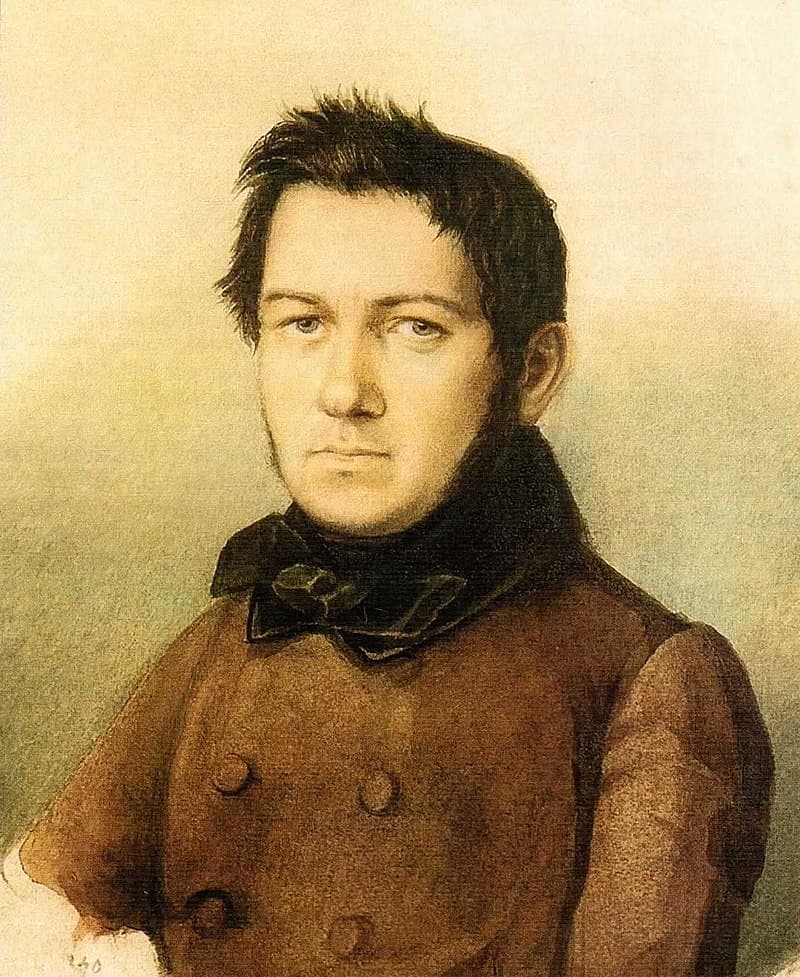
Portrait of Mikhail Glinka, 1840
However, violist Vadim Borisovsky took Glinka’s notes and completed the work in the 1930s, allowing us to enjoy a three-movement work today.
The violist in this performance is Paul Silverthorne, who was principal violist of the London Symphony Orchestra between 1990 and 2015.
3. Bach Cello Suite No. 1, transcribed for viola
2.6 million views
Watch the video here.
The Prelude from Bach’s first suite for solo cello is not only one of Bach’s most popular pieces; it’s one of the most popular pieces of Baroque music ever written.
A viola has the same strings as a cello (from lowest to highest: C, G, D, and A), but an octave higher. This makes it relatively simple to transcribe cello works while still retaining the original key.
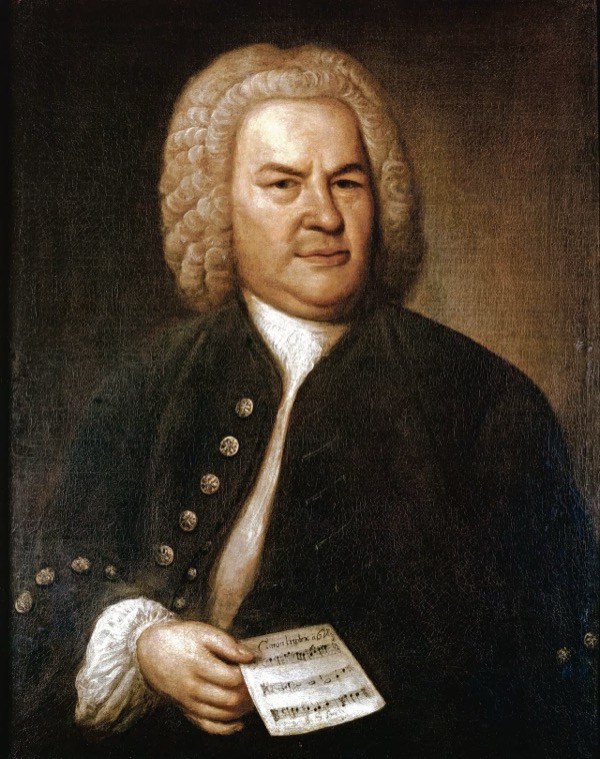
Johann Sebastian Bach
Some purists clutch their pearls at the idea of a viola playing cello repertoire – but the arrangement’s range does bring out new plaintive, yearning qualities to the music that aren’t always heard played by a lower-pitched cello.
2. Noam Oxman Viola Purrlude in D
2.7 million views
Composer Noam Oxman has created a lovely little niche in the world of online classical music. He composes short works, and the scores of those works are visual portraits, often of animals. (He is especially partial to cats.)
As he says on his website:
“The breadth of feeling I experience when observing, interacting with, touching, and caring for animals is my biggest inspiration, a kind of shared communion. The music staves are my canvas, and the beams and stems of the notes are my brush strokes through which I tell the stories of wondrous, mysterious, magnificent, beautiful, and soulful animals.”
He gives 20% of the proceeds to charities that help feed and provide medical care to homeless cats.
This Purrlude in D was a commission from a client in Delaware to celebrate a jaunty cat named Julian.
The viola has never been an instrument that has taken itself particularly seriously, so it is delightful to see this charming, gorgeous portrait so high on the list of performances!
1. Handel/Halvorsen Passacaglia
3.2 million views
The most popular viola performance on YouTube, clocking in with 3.2 million views, is, not surprisingly, the Handel/Halvorsen Passacaglia. It’s one of the most viscerally exciting chamber pieces in either instrument’s repertoire.
In 1897, Norwegian composer Johan Halvorsen arranged a theme from one of Handel’s harpsichord sonatas for violin and viola – and he wasn’t afraid to use Romantic-era virtuoso flourishes.
The viola part is demanding and exposed in a way that rarely happens outside this piece, which may be exactly why it has resonated so strongly with both players and listeners for over a century.
To add to the excitement, both of the players here (Sun Jae Oak on violin and Hayang Park on viola) were just fifteen at the time of recording, and they’re full of youthful passion and pizzazz.
Conclusion
From Glazunov’s intimate Elegie to the sweeping drama of the Handel/Halvorsen Passacaglia, these seven performances capture something essential about why the viola, so often cast in a supporting role, commands attention when it finally steps into the spotlight.
Whether you’re a lifelong viola enthusiast or a newcomer to the instrument, the comment sections on these videos tell the same story: once people actually listen, they’re hooked.
Enjoy the full list above, and let us know in the comments which performance you like best!
For more of the best in classical music, sign up for our E-Newsletter