Composers have been writing piano concertos since the second half of the eighteenth century.
Over the next 250 years, composers have created thousands of piano concertos.
Most have since fallen into obscurity…but a handful still dominate in concert halls, on recordings, and on our YouTube algorithms.
There’s no such thing as an objective top ten, but here’s our subjective one: a list of the ten greatest piano concertos in classical music, a brief overview of what makes each one so appealing, and a link to the most popular YouTube performance of each concerto.
10. Bartók – Piano Concerto No. 3 (1945)
András Schiff, piano
404k views
Bartók wrote his Third Concerto while terminally ill, determined to leave behind a piece of music that could help support his wife, pianist Ditta Pásztory, after his death.
The concerto is luminous while retaining folkish charm, and far less aurally thorny than his earlier concertos.
Its slow movement, marked Adagio religioso and starting at 8:17, is particularly sublime: a deeply moving farewell from one great artist to another.
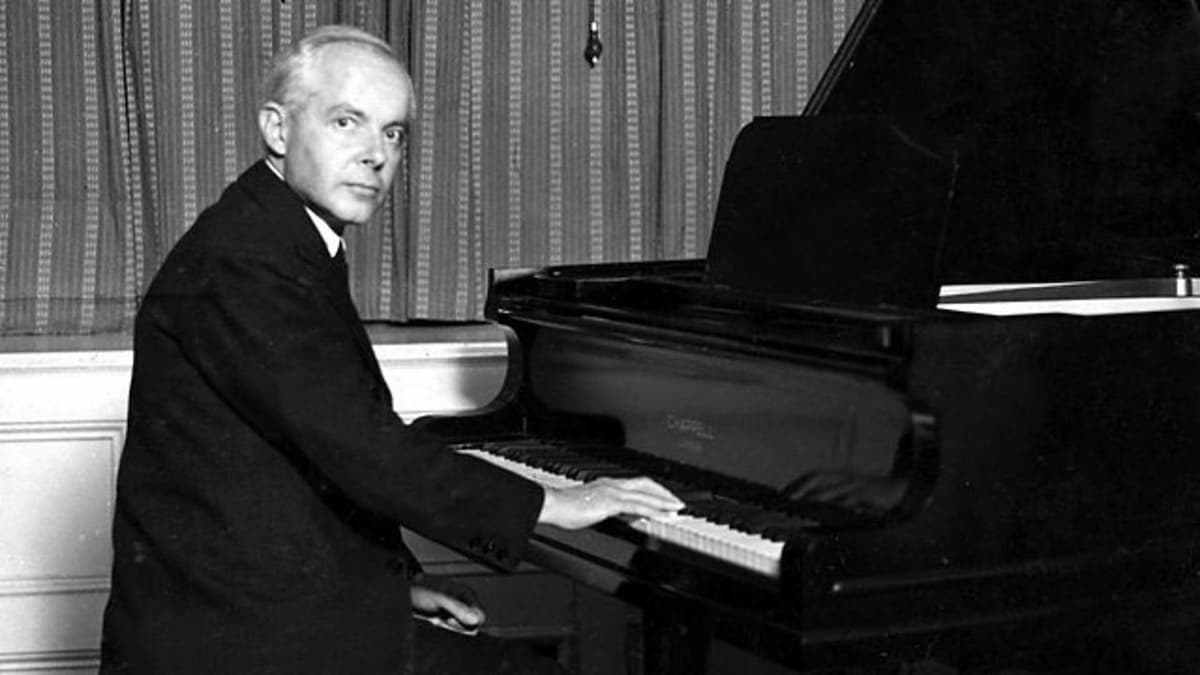
Béla Bartók
Bartók died before finishing the orchestration; his friend Tibor Serly completed the final bars.
The concerto quickly became one of his most beloved and most performed works.
We wrote about Bartók’s love affair with Ditta.
9. Ravel – Piano Concerto (1931)
Martha Argerich, piano
1.8 million views
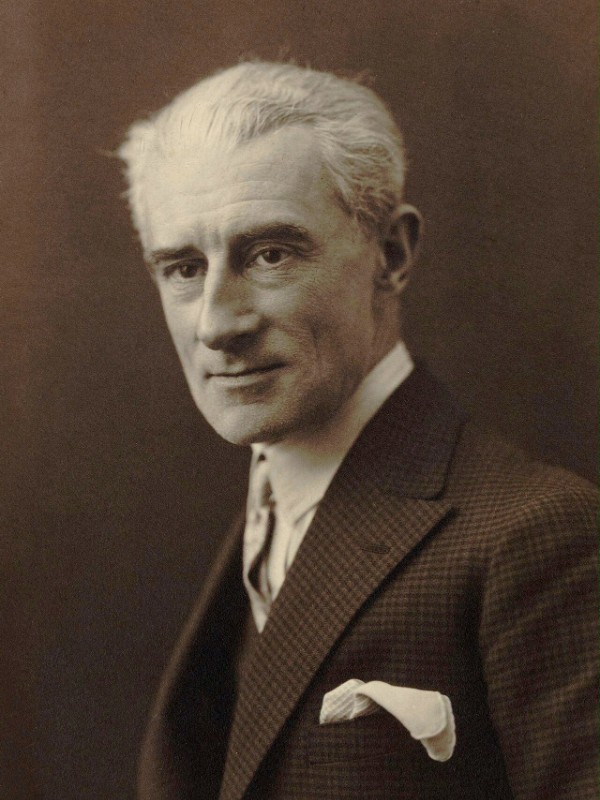
Maurice Ravel in 1925
Inspired by a number of sources – including Gershwin, Mozart, Saint-Saëns, and the rhythms of Basque music and jazz – Ravel spent three years between 1929 and 1931 writing a piano concerto that combined virtuosity with beauty and bite.
Ravel initially planned to premiere it himself, but by the early 1930s, his physical stamina had declined, so the brilliant pianist Marguerite Long took the solo role.
The result is one of the twentieth century’s most stylish and crowd-pleasing piano concertos.
Its bustling first movement kicks off with one of the most famous moments in the entire repertoire: a snappy whip crack!
We wrote an article about the many inspirations behind Ravel’s concerto.
8. Prokofiev – Piano Concerto No. 3 in C major (1921)
Yuja Wang, piano
1.8 million views
Prokofiev assembled this concerto from sketches dating back to 1913 and completed it in 1921, after fleeing Russia during the Revolution.
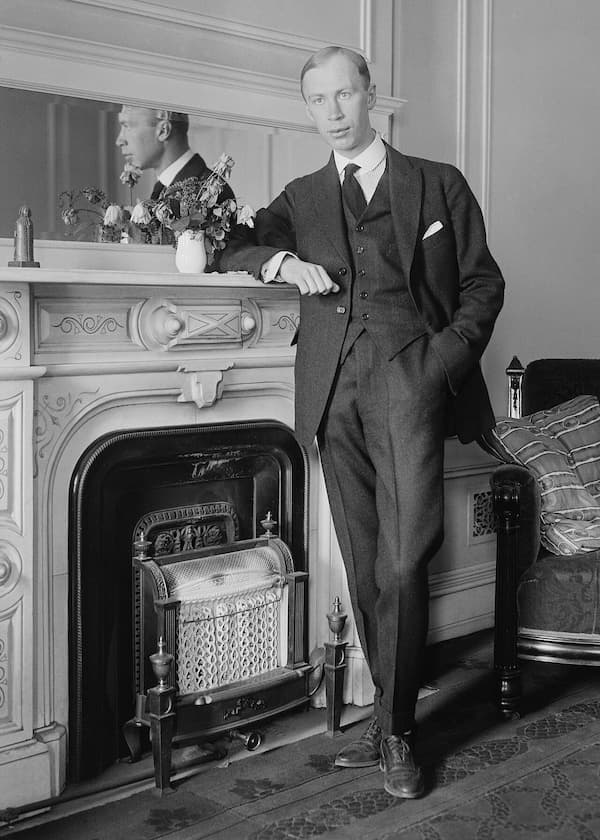
Sergei Prokofiev, 1918
It became his breakout showpiece as a touring pianist: bright, sardonic, rhythmically charged, and technically brutal in the best possible way.
The brilliant dialogue between piano and orchestra, especially in the finale (which Prokofiev labeled “an argument”), established the Third as one of the true virtuoso warhorses of the century.
7. Brahms – Piano Concerto No. 1 (1858) or Piano Concerto No. 2 (1881)
Krystian Zimerman, piano
2.7 million views
Brahms wrote two piano concertos at very different times in his life. Both remain popular today, and the most frequently viewed video of each combines both concertos, so on this list, they’ll be sharing seventh place.
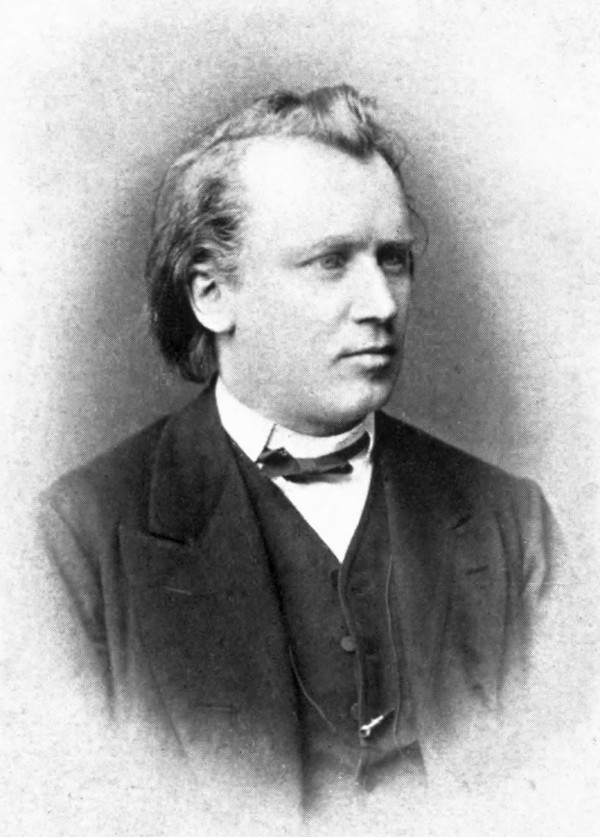
Johannes Brahms, c. 1872
Brahms’s first concerto was born out of a time of intense personal crisis. Brahms was 25; his mentor Robert Schumann had suffered a mental breakdown and died two years earlier; and he was in love with virtuoso pianist Clara Schumann…who was also Robert’s widow.
The work initially began life as a symphony before becoming a stormy concerto that radiates heartbreak and raw grandeur.
The Second Concerto is in many ways its opposite: expansive, confident, autumnal. Brahms joked that its four movements made it “a very small piano concerto,” knowing full well it was a massive, symphonic epic.
The famous cello solo in the slow movement remains one of the most breathtaking moments in all Romantic orchestral music.
Read more about Brahms’s second piano concerto.
6. Grieg – Piano Concerto (1868)
Arthur Rubinstein, piano
4.8 million views
Grieg composed his only piano concerto at age 24 while living in Denmark, drawing heavily on Norwegian folk music and the natural landscapes he missed so dearly.
He even modeled its opening on Robert Schumann’s piano concerto, which he deeply admired, right down to the timpani-backed flourish.
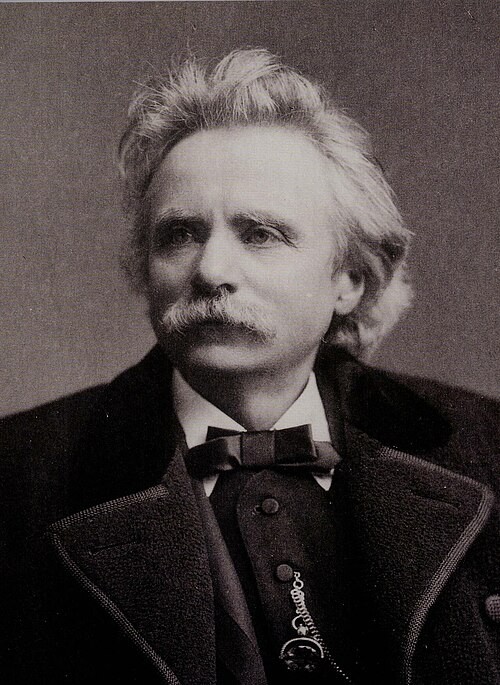
Edvard Grieg
Premiered in Copenhagen and revised many times throughout Grieg’s life, it became one of the most recognisable concertos ever written.
Its sweeping lyricism and cinematic piano part have made it a staple of the repertoire for over a century. It seems just as urgent today as it did in 1868.
Looking for other interpretations to compare? We made this list of the best recordings of Grieg’s Piano Concerto to help you find your favourite. (You might be surprised about what we thought about this particular performance.)
5. Beethoven – Piano Concerto No. 5 (1809)
Maurizio Pollini, piano
5.8 million views
Beethoven wrote his final piano concerto during Napoleon’s siege of Vienna, composing amidst cannon fire and political chaos.
Although the subtitle “Emperor” wasn’t given or sanctioned by Beethoven, listeners heard something imperial in the work’s nobility and scale, and the name stuck.
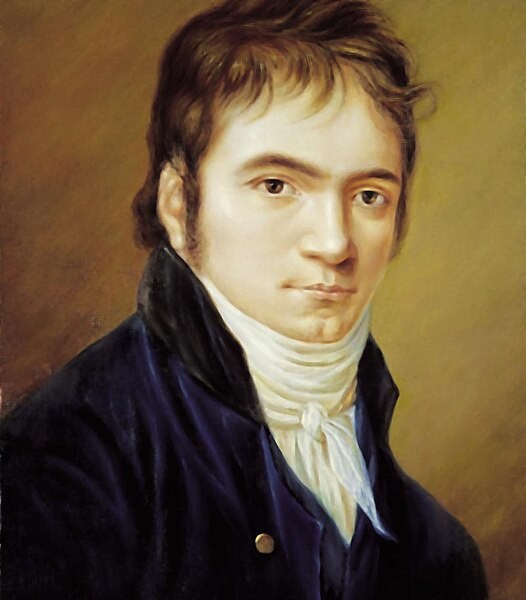
Christian Honeman: Ludwig van Beethoven, 1803 (Beethovenhaus Bonn)
With its opening cadenza-like flourish and its seamless transition between the last two movements, the concerto redefined what a piano concerto could sound like.
Because Beethoven’s deafness prevented him from playing the premiere, his student Carl Czerny introduced it to the world.
It became a template for the next generation of the emotional impact a Romantic piano concerto could have.
We wrote about what the premiere of the Emperor Concerto was really like, and how this masterpiece was initially received.
4. Tchaikovsky – Piano Concerto No. 1 (1875)
Martha Argerich, piano
10 million views
Tchaikovsky struggled to find a pianist who believed in this concerto: its original dedicatee, Nikolai Rubinstein, infamously declared it unplayable.
Hurt but undeterred, Tchaikovsky gave the premiere to German pianist Hans von Bülow instead.
From the iconic horn-and-piano opening to the fiery finale rooted in Ukrainian folk tunes, the concerto marries virtuosity with full-blooded emotions.
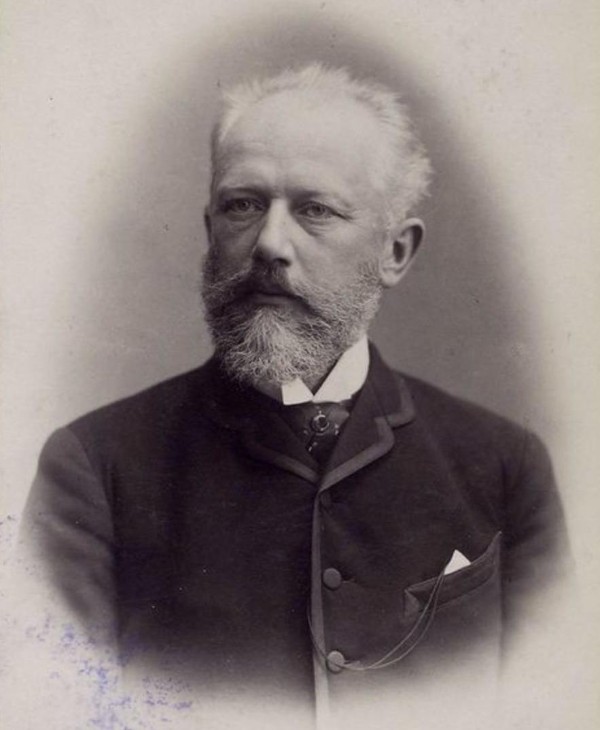
Pyotr Ilyich Tchaikovsky
Rubinstein was mistaken to ever criticise it so harshly, and eventually he realised it: he later retracted his criticism.
Today, it is arguably the most recognisable piano concerto ever written.
We looked at the history and premiere of Tchaikovsky’s first concerto.
3. R. Schumann – Piano Concerto (1845)
Khatia Buniatishvili, piano
12 million views
Robert Schumann originally wrote the first movement of this concerto as a Phantasie for his new wife, Clara, wanting to showcase her talents as one of Europe’s finest pianists.
Upon her urging, he later expanded it into a full concerto, crafting a deeply sincere work that feels more like heartfelt chamber music than an extroverted virtuoso showpiece.
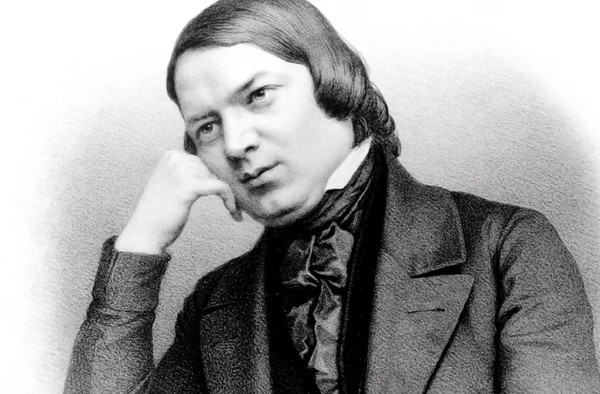
Robert Schumann
In addition to being an all-around great piano concerto, it also captures the emotional intimacy of the Schumann marriage, featuring dialogue between soloist and orchestra, great tenderness, some agitation, and a final burst of joy.
2. Mozart – Piano Concerto No. 21 (1785)
Yeol Eum Son, piano
29 million views
Mozart wrote this concerto at the height of his Vienna popularity, during a period when he was tossing off masterpieces at astonishing speed.
He premiered it himself in a Lenten subscription concert. Lent was a time of year when, in deference to the season, opera was not presented, and instrumental music reigned supreme. During these forty days, listeners were starved for operatic drama, and Mozart delivered.
The middle movement – with its floaty, aria-like melody – became famous in pop culture after it was used in the 1967 film Elvira Madigan.
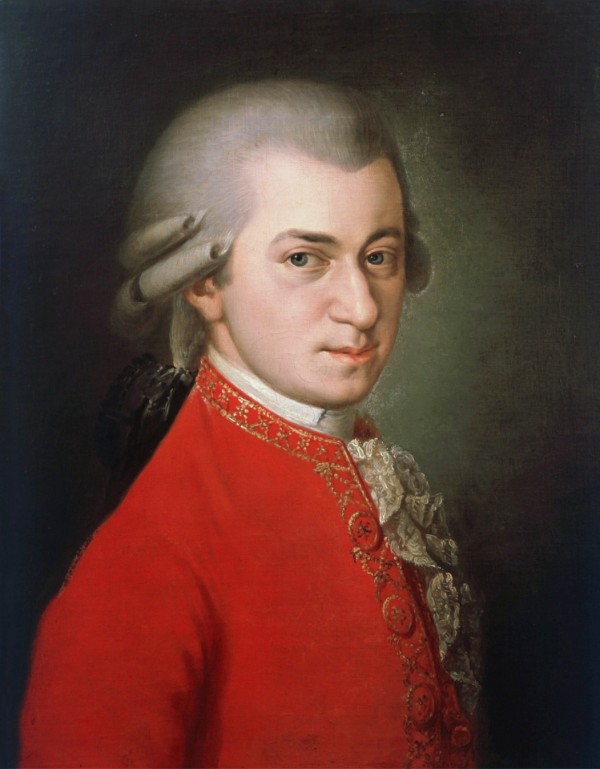
Barbara Krafft: W. A. Mozart, 1819 (Gesellschaft der Musikfreunde)
The concerto as a whole shows Mozart at full command of drama, humour, and operatic lyricism, with sparkling outer movements that would be at home in any overture.
Read and find out why these Mozartean Viennese piano concertos are so magical.
1. Rachmaninoff – Piano Concerto No. 2 (1901)
Anna Fedorova, piano
47 million views
Rachmaninoff’s Second Concerto emerged from the composer’s deep depression.
After the catastrophic premiere of his first symphony, he stopped composing entirely until hypnotist Dr. Nikolai Dahl helped him rebuild his confidence.
The concerto is both a self-resurrection and a confession: dark, sweeping, vulnerable, and unforgettable.
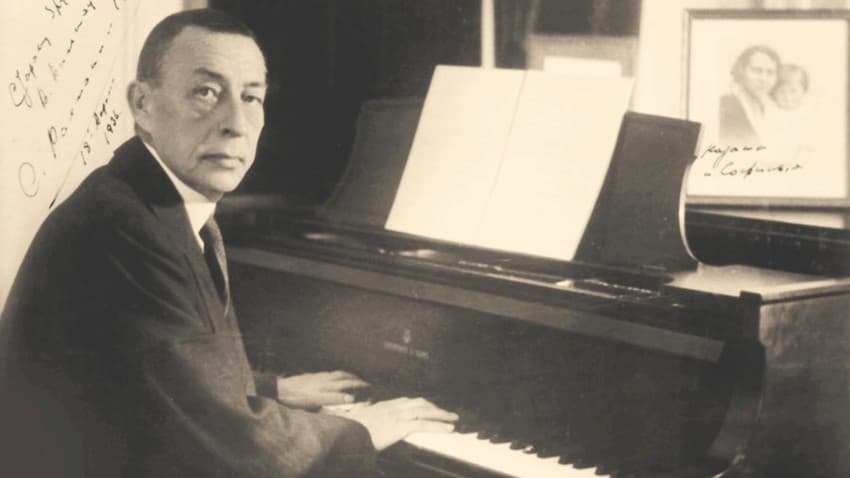
Sergei Rachmaninoff
Its melodies have proved to be irresistible to popular culture and have been featured in everything from classic 1940s films to modern pop songs (“All By Myself”).
One simple statistic proves what a hit this work is: just this one performance alone has garnered 47 million views.
We looked at the story behind how Rachmaninoff’s concerto turned into “All By Myself” here…and why the Rachmaninoff estate collected so much money in royalties.
Conclusion
Taken together, these ten concertos trace more than two centuries of musical evolution: from Mozart’s crystalline classicism to Rachmaninoff’s brooding late-Romantic sweep, from Brahms’s symphonic weight to Bartók’s luminous farewell.
Each piece survived changing fashions because it offers something listeners continually return to: deep emotion, irresistible drama, and the thrill of watching a virtuoso pianist in full flight.
Whether you’re discovering these masterworks for the first time or revisiting old favourites, the performances linked above offer a window into why these concertos remain cornerstones of the repertoire.
Their popularity isn’t an accident; it’s proof of the piano concerto’s enduring power.
For more of the best in classical music, sign up for our E-Newsletter