Johannes Brahms (1833–1897) composed his Violin Concerto in D major, Op. 77, in 1878 and dedicated it to the violinist who premiered it, Joseph Joachim.
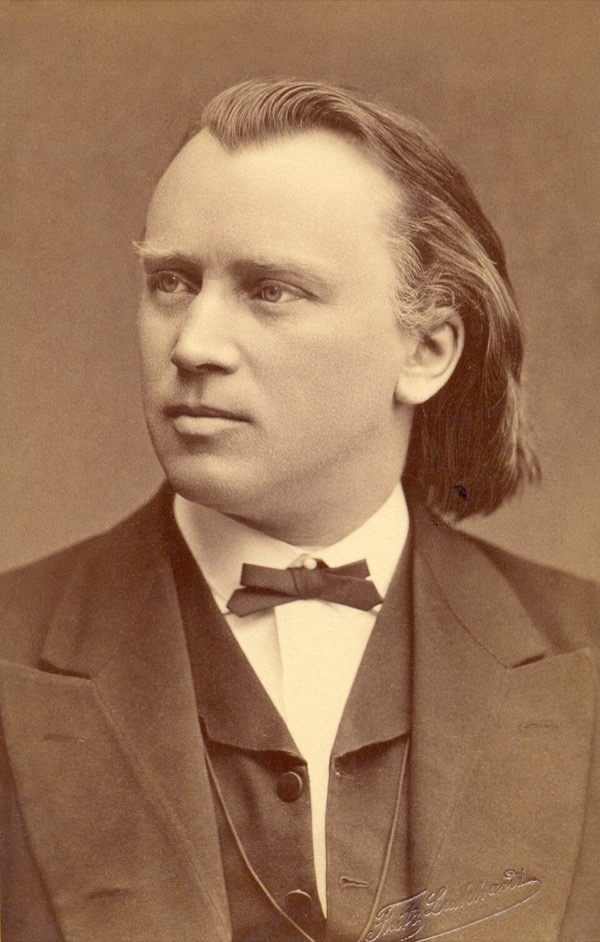
Johannes Brahms
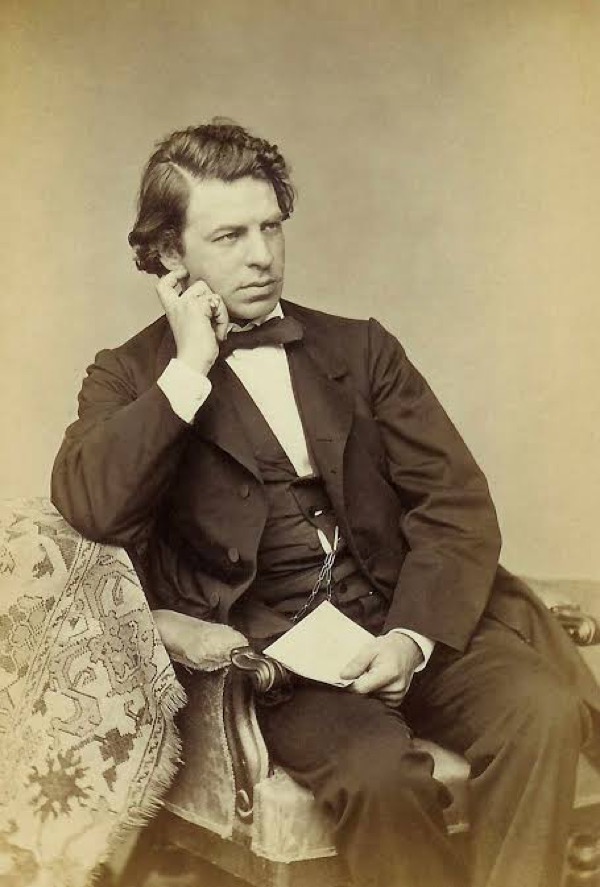
Joseph Joachim
When he first wrote the work, Brahms intended it to have 4 movements rather than the usual 3 of a concerto. Over time, however, the Scherzo movement didn’t work, and its replacement, a feeble Adagio, as Brahms called it, was discarded as well.
Brahms asked Joachim to advise on the minutiae of making the violin part as idiomatic as possible, and Joachim advised. He also wrote the first cadenzas for the work, rather than Brahms. Other performers, from Leopold Auer to Rachel Barton Pine, have made their own cadenzas. On the recording below, Fritz Kreisler performs the cadenza.
At the work’s premiere, Joachim insisted on presenting it with Beethoven’s Violin Concerto, which also happened to be in D major. Brahms thought, “It was a lot of D major for one evening.”
Critics and violinists did not receive the premiere well. One critic wondered if the work was for or against the violin. Henryk Wieniawski called the work unplayable, and Pablo de Sarasate refused to play a work where the best melody was not in his hands. The public, however, loved it.
According to Joachim, who had been so involved with the work, it ranked with Beethoven’s, Bruch’s, and Mendelssohn’s violin concertos in greatness.
Joachim wrote:
The Germans have four violin concertos. The greatest, most uncompromising is Beethoven’s. Brahms’s vies with it in seriousness. The richest, the most seductive, was written by Max Bruch. But the most inward, the heart’s jewel, is Mendelssohn’s.
Now Tchaikovsky’s violin concerto has replaced Bruch’s as one of the top 4, but Brahms’ powerful and serious work still holds a place.
Johannes Brahms: Violin Concerto in D major, Op. 77 – III. Allegro giocoso, ma non troppo vivace
This recording was made for radio on 9 February 1961, at the Ford Auditorium, Detroit. Isaac Stern appears with the Detroit Symphony Orchestra led by Paul Paray.
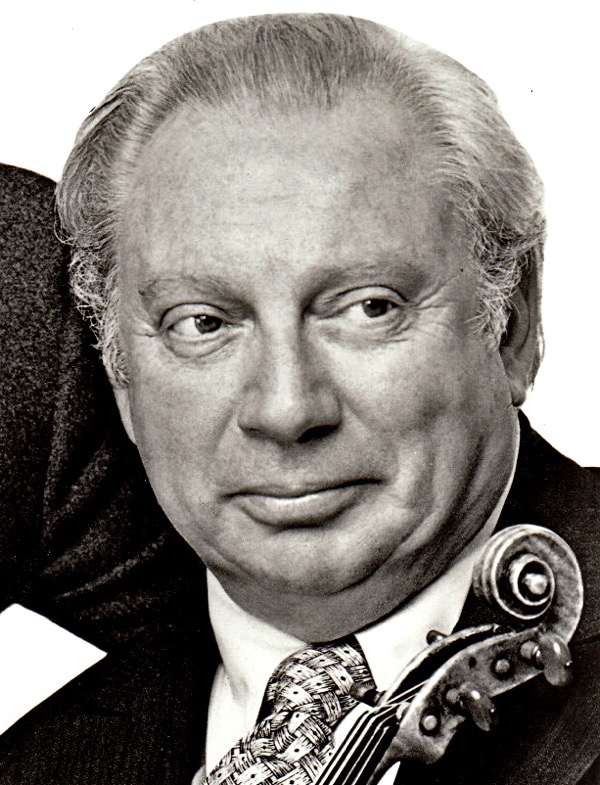
Isaac Stern in 1980
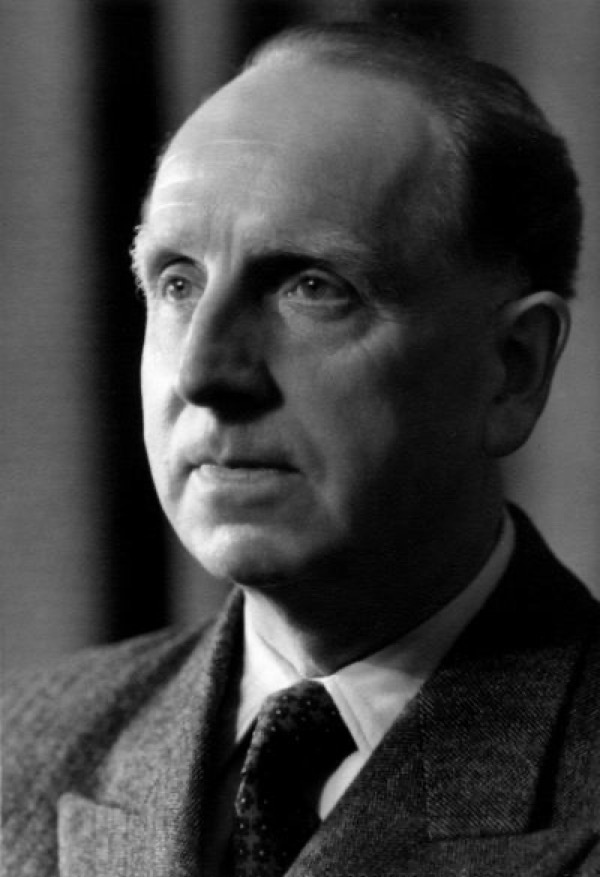
Paul Paray
French conductor Paul Paray (1886–1979) was appointed the chief conductor of the Detroit Symphony Orchestra in 1952. At first, he split his time between the US and Europe, but by 1956 he was full-time in Detroit, retiring in 1962.
American violinist Isaac Stern (1920–2001) emigrated to the US when he was just over one year old, when his family moved to San Francisco. He started on the piano at age 6 and took up the violin at age 8. He was regarded as one of America’s leading virtuosos, and the Isaac Stern Auditorium at Carnegie Hall in New York recognises his work in saving the building from destruction in the 1960s.
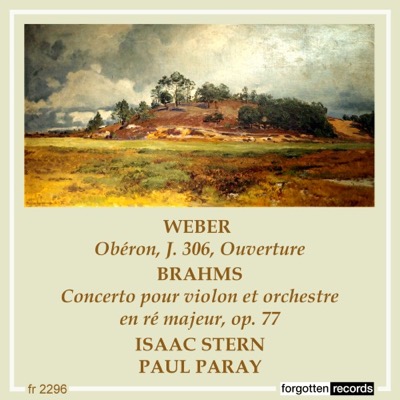
Performed by
Isaac Stern
Paul Paray
Orchestre Symphonique de Détroit
Recorded in 1961
Official Website
For more of the best in classical music, sign up for our E-Newsletter