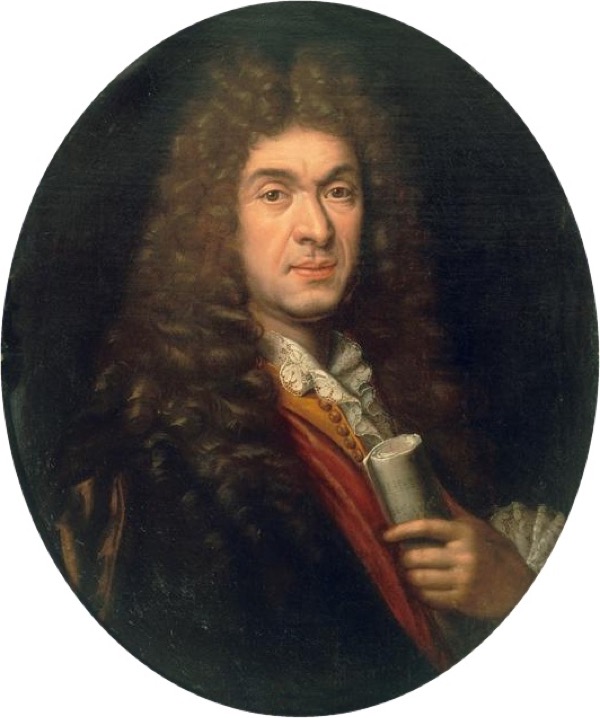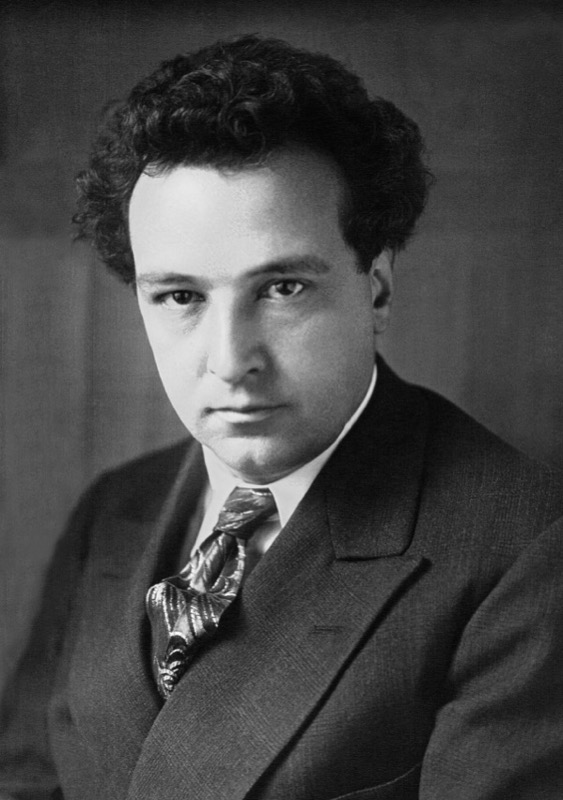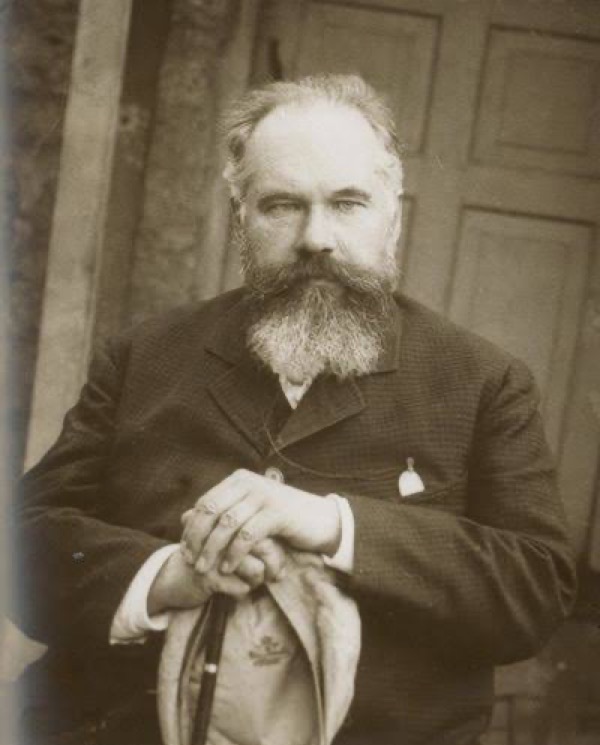
Gaetano Donizetti (1797–1848) grew up in abject poverty in the town of Bergamo, yet he became one of the most prolific composers in the second quarter of the nineteenth century. His approximately 70 operas greatly influenced the future of Italian opera, including the work of Giuseppe Verdi.
Among his most beloved works, we find L’elisir d’amore (The Elixir of Love), premiered in Milan in 1832. It is an endearing male Cinderella story, featuring the young villager Nemorino, who is unhappily in love with the beautiful and wealthy landowner Adina.
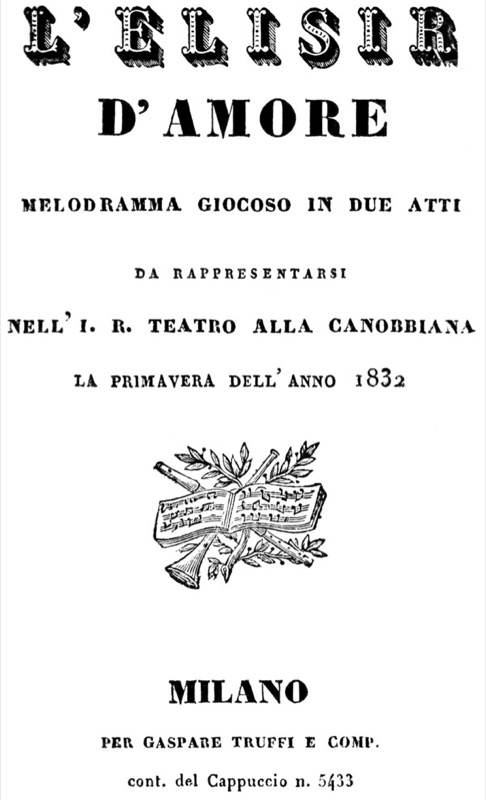
Title page of the libretto of L’elisir d’amore, Milan 1832
Donizetti brings his characters to life with a sparkling score, and Nemorino’s love for Adina is expressed through lyrical arias. In Act 2 of the opera, after noticing a tear in Adina’s eye and interpreting it as a sign of affection, Nemorino sings “Una furtiva lagrima” (A furtive tear).
It is one of the most popular and crowd-pleasing arias from the opera and a staple of the bel canto repertoire. A supreme musical moment in the opera, Donizetti beautifully captures the emotional turmoil experienced by Nemorino.
To celebrate Donizetti’s birthday on 29 November, let’s feature some of the best performances of this special aria.
Luciano Pavarotti sings “Una furtiva lagrima”
Pavarotti Through the Decades
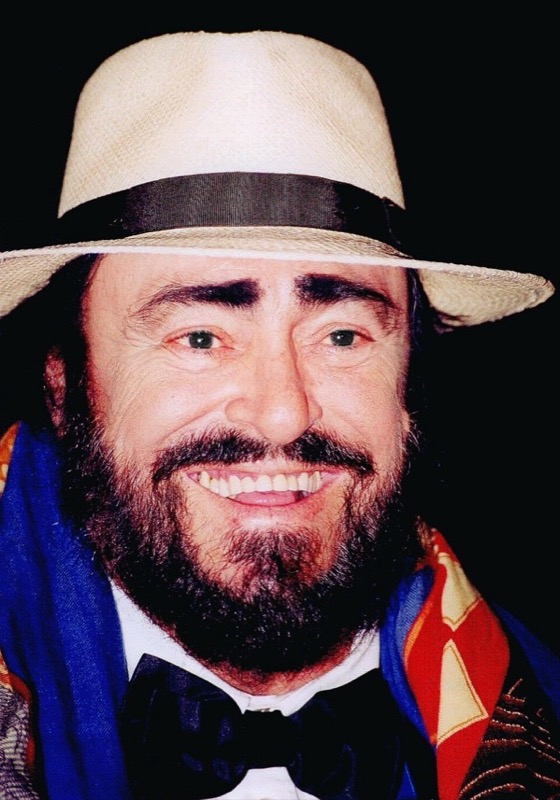
Luciano Pavarotti (2004)
Luciano Pavarotti doesn’t need much of an introduction. But we can say that one of the greatest lyric tenors of the twentieth century made Nemorino one of his signature roles. He first sang the role in 1965, during an Australian tour with Joan Sutherland.
In this context, the 1970 recording with Sutherland and Richard Bonynge conducting is a clear reference point. His delicate use of piano singing and messa di voce shapes the long phrases, and we hear plenty of sweetness and effortless legato.
By the 1980s, Pavarotti had become an internationally celebrated singer, and his voice had acquired additional weight and richness. He always considered this aria an opportunity for expressive storytelling.
Pavarotti continued to perform Nemorino well into his later career, singing the role a total of 49 times at the Met, between 1973 and 1998. His voice had darkened considerably, but it had also gained a velvety quality. He sang the aria more than a hundred times, and while his voice might have matured, the tenderness of his interpretation remained evident across the decades.
Beniamino Gigli sings “Una furtiva lagrima”
Gigli’s Golden Voice
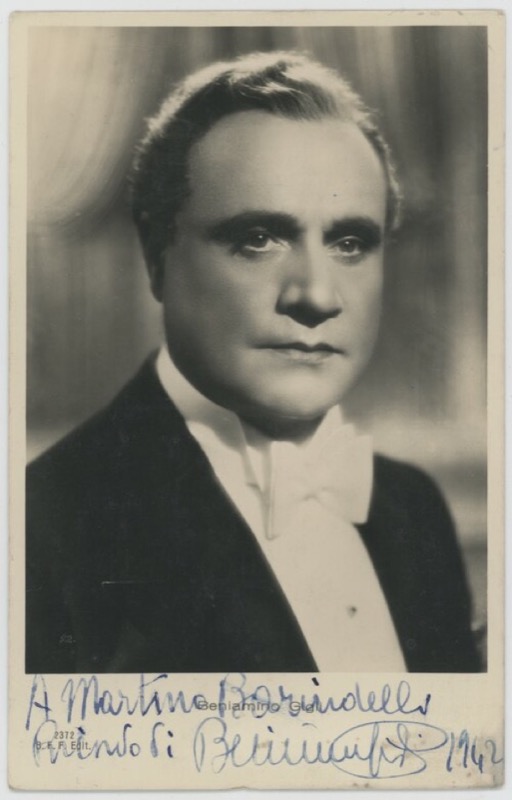
Beniamino Gigli (1942–1946), collezione Tino Barindelli
Let’s now turn to a recording from the late 1920s by one of the brightest and most radiant tenors of his day, Beniamino Gigli. The son of a shoemaker with a passion for opera, Gigli possessed a lyric tenor voice of exceptional purity.
His voice combined a honeyed warmth in the middle range with shimmering clarity in the upper register. Despite the limitations of early recording technology, we can still hear the clarity and lightness of his voice, which perfectly suited Nemorino’s tender and love-torn character.
While showcasing the bel canto purity that defined his early career, Gigli was a tremendously accomplished technical singer. His legato is seamless, binding together the long phrases into a narrative whole. The pianissimo passages are delivered with a light touch, showcasing his breath control and vocal finesse.
Meanwhile, the cadenza-like flourishes display clean, nimble ornamentation, and his diction is pristine. Gigli’s mastery lies in his ability to fuse technical precision with a tender lyricism that conveys the beauty of human feeling. His golden voice and interpretive genius defined an era of operatic excellence, and he is clearly one of the most iconic tenors of the twentieth century.
Gaetano Donizetti: L’elisir d’amore (The Elixir of Love), Act II: Una furtiva lagrima (Jussi Björling, tenor; Stockholm Royal Opera Orchestra; Nils Grevillius, cond.)
Björling’s Perfection
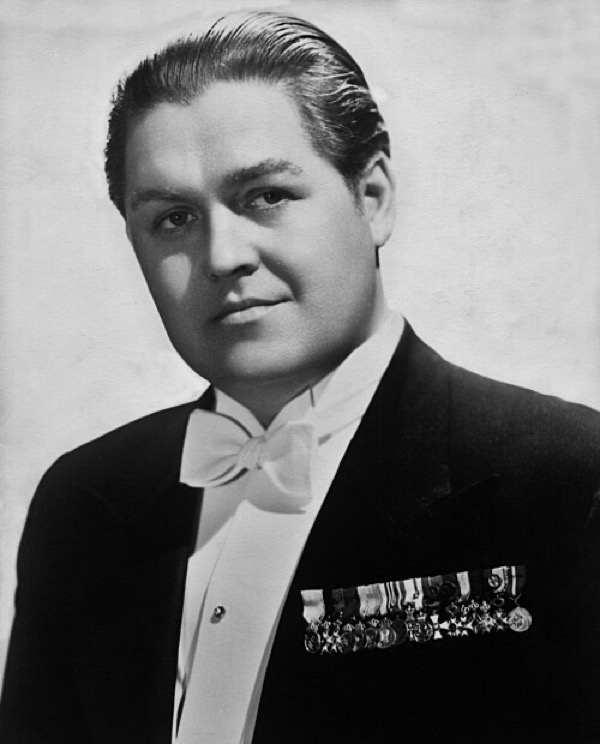
Jussi Björling (1953)
We quickly move from one operatic legend to the next: Jussi Björling. Sadly, Björling died at the age of 49, cutting short a stellar career. However, his recordings confirm his place as one of the greatest tenors of all time.
Björling was known for his extraordinary vocal technique and the purity of his tone. There was a silvery quality to his voice, and his ability to project shimmering tones throughout an astonishing range enabled him to convey heart-wrenching emotions and dazzling brilliance in a single phrase.
Björling perfectly captures Nemorino’s character with a performance that is both vocally and dramatically convincing. His phrasing is deeply expressive, with each line conveying the naïve joy, the pain of unrequited love, and the dawning of hope. While Donizetti’s score allows for some embellishments, Björling almost exclusively focuses on the purity of the melodic line.
His impeccable legato gives the melody a lyrical and unbroken quality, with high notes that deliver a blend of power and sweetness. What I love most about Björling’s performance is his ability to never lose the emotional nuance of the moment, perfectly projecting Nemorino’s bewilderment.
Gaetano Donizetti: L’elisir d’amore, Act II: Una furtiva lagrima (Nemorino) (Roberto Alagna, tenor; Lyon National Opera Orchestra; Evelino Pidò, cond.)
Alagna’s Radiance
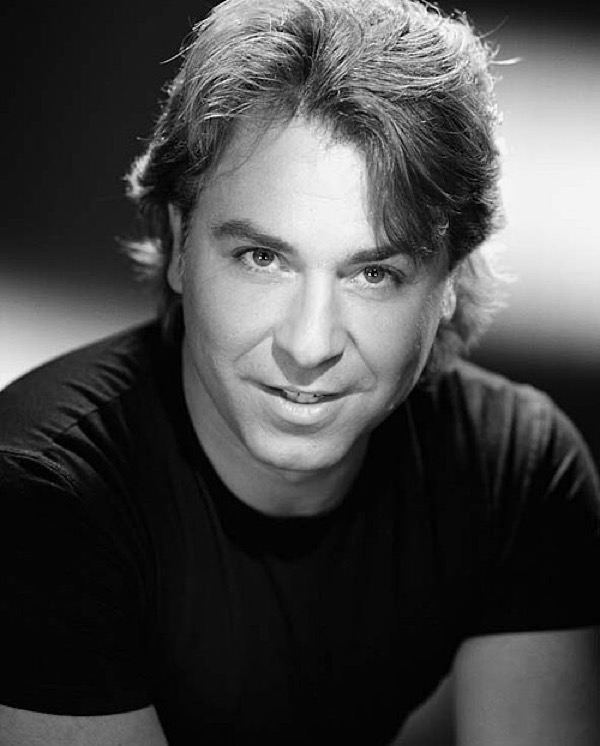
Roberto Alagna
Roberto Alagna began his career as a cabaret singer in Paris, but once he discovered his true calling in opera, he quickly rose to fame as a tenor celebrated for his powerful voice and passionate performances.
He is also known for his impeccable diction and warm timbre, qualities that have made him a leading figure in modern opera. Equally important today, he has a charismatic stage presence and an expressiveness that continues to captivate audiences.
Given such vocal qualities, it’s not surprising that Roberto Alagna has a natural affinity for the bel canto style, as he showcased in his 1999 Decca recording of Donizetti’s L’elisir d’amore. This early-career recording captures Alagna at the peak of his vocal freshness, featuring a warm and radiant tone of bright Italianate quality.
Alagna captures the aria’s melancholic longing, and he employs subtle dynamic shifts to convey vulnerability that gradually builds to a heartfelt climax. He infuses the aria with a sense of naïve sincerity, and his rendition is often compared to the legendary tenor Enrico Caruso.
Enrico Caruso sings “Una furtiva lagrima”
Caruso’s Tenderness
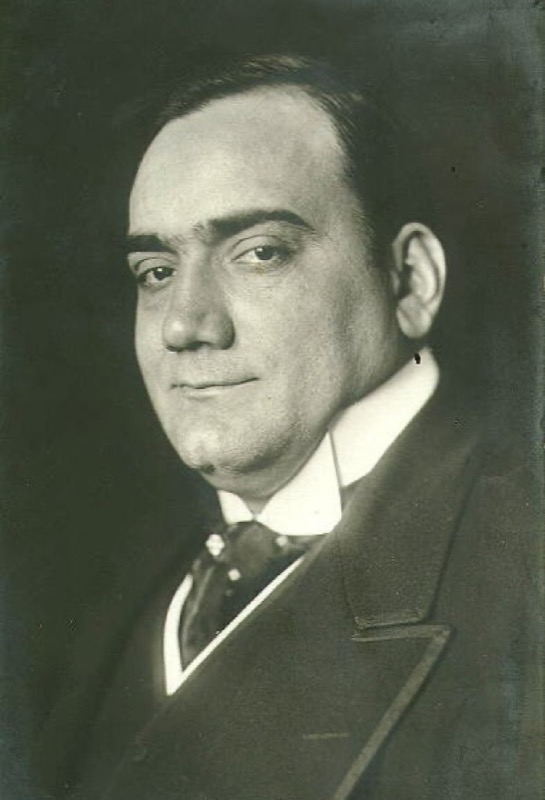
Postcard of Enrico Caruso, ca. 1910
For many experts and aficionados, Enrico Caruso is considered the greatest tenor of the twentieth century. That assessment is based on the exceptional appeal of his voice. In the middle range, Caruso achieved melting sensuality and outbursts of fiery passion.
The clarion brilliance of his high notes, his steadiness, his exceptional breath control, and his impeccable intonation formed a truly unique instrument. He first sang the role of Nemorino in February 1901 at La Scala in Milan with Toscanini conducting. It is said that he had to repeat “Una furtiva lagrima” three times.
Recorded during the early years of the twentieth century, Caruso’s interpretation was captured at the height of his early international rise. His voice has a different character from the lighter, more traditionally lyric-tenor interpretations. Alongside considerable vocal warmth and expressive intensity, he also displays a remarkable tenderness. The emotional expansion of his voice is fantastic, especially since it never loses the underlying lyricism.
Of course, there are countless more wonderful performances of this aria by very worthy interpreters, including but not limited to Giuseppe Di Stefano, Juan Diego Flórez and Rolando Villazón, but I have showcased what I consider to be among the five best. I think I’d have to rank Caruso and Björling as my favourites. What is your preferred interpretation?
For more of the best in classical music, sign up for our E-Newsletter