
Depending on your sources, Franz Schubert (1797–1828) has his final symphony, The Great, D. 944, variously numbered as Symphony No. 7 or Symphony No. 8 or Symphony No. 9 or Symphony No. 10. We now know, through style and paper
Archives
In 1802, Beethoven (1770–1827) returned to Vienna from his stay in Heiligenstadt, where he’d been sent on doctor’s orders so he could learn to deal with both his increasing tinnitus and encroaching deafness. This is where he decided that suicide
Anton Webern (1883–1945) fulfilled the roles of a composer, a conductor, and a musicologist. As a student of Arnold Schoenberg, he took his teacher’s twelve-tone technique to a radical end. His musical studies ranged from the medieval period, studying the
The viola d’amore was not your average viola – instead of the regular 6 strings, it had an additional 6 strings that were not bowed, but which vibrated when the main strings were played. These sympathetic strings, as they were
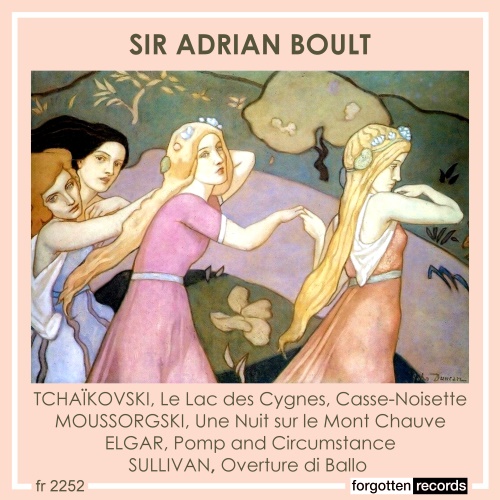
Modest Mussorgsky (1839–1881), a member of the Russian group known as The Mighty Handful or The Five, was part of a circle that came together from 1856 to 1870 to create classical music in a distinctively Russian style. Instead of
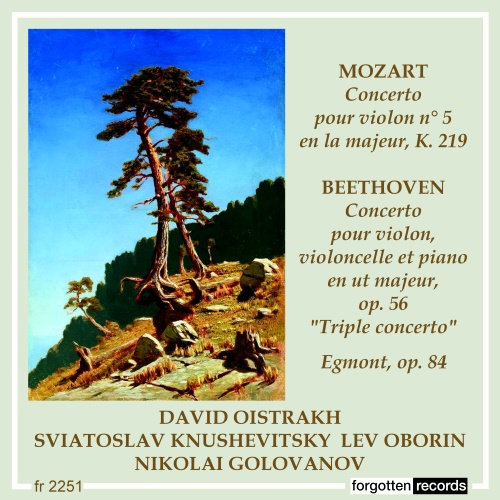
Just as in his piano concertos, Wolfgang Amadeus Mozart (1756–1791) created a world in his five violin concertos where the solo instrument is in conversation with the orchestra, rather than fighting it. The violin is very much a part of
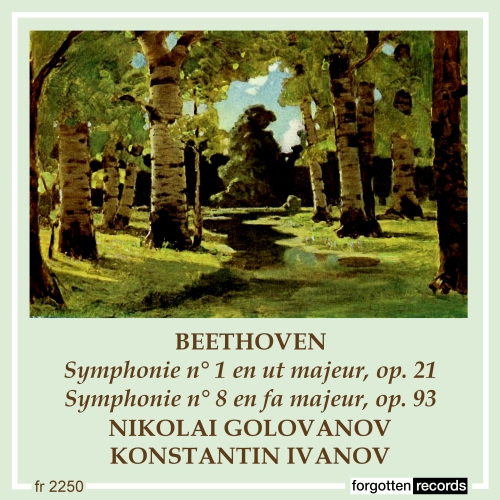
Ludwig van Beethoven (1770–1827) may have written only nine symphonies (a pittance compared with Haydn’s 104 and Mozart’s 41), but in those nine works, he managed to thoroughly expand a form that might have become a bit too complacent. From
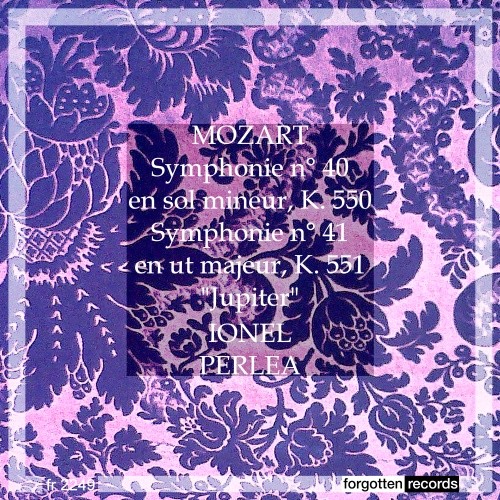
As Mozart approached his final years, his work finally started to achieve the promise of his early years. His operas gained an international audience, he was being commissioned to write for private clients, and his works were becoming of a