A critic once likened the 5 Piano Concertos by Camille Saint-Saëns (1835-1921) to a perfectly tailored French suit, “impeccably stylish, never trying too hard.” What a wonderful way of describing the virtuosic flair, structural innovation, and the distinctly French sensibility that balances wit with grandeur.

Camille Saint-Saëns
These works, composed between 1858 and 1896, are not just vehicles for pianistic pyrotechnics but a window into the composer’s evolving musical personality and the cultural milieu of 19th-century France.
From the youthful exuberance of the First Concerto to the worldly sophistication of the “Egyptian,” these works trace the arc of a composer who never stopped exploring, innovating, or having fun. To celebrate his birthday on October 9, let’s revel in the concerto joy of the composer’s music-making.
Camille Saint-Saëns: Piano Concerto No. 2 in G minor Op. 22
Parisian Poise and Romantic Fire
Saint-Saëns was an undisputed child prodigy who could read and write before he could fully walk. By age seven, he was performing complex Beethoven and Mozart sonatas with stunning precision.
He had the ability to memorise and transcribe intricate music after a single hearing, and he began composing at three. Saint-Saëns produced his first known work, a short piano piece, at the age of four, revealing a sophisticated grasp of harmony and structure rare for his age.
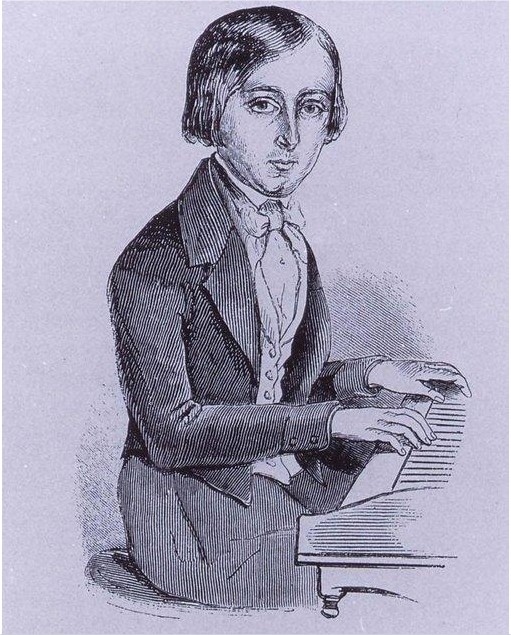
Camille Saint-Saëns as a young boy
Saint-Saëns was born and raised in Paris, France, in a hotbed of Romanticism. The shadows of German giants Beethoven and Liszt loomed large; however, Saint-Saëns carved out a distinctly French niche, blending clarity and refinement with the virtuosic demands of the concerto form.
His piano concertos range from youthful exuberance to mature sophistication, each with its own character and challenges. Unlike Chopin, whose piano concertos are essentially love letters to the piano, or Liszt, whose concertos are volcanic eruptions of showmanship, Saint-Saëns’ works strike a balance. They’re technically demanding but never gratuitously flashy, emotionally rich but never overexcited.
Camille Saint-Saëns: Piano Concerto No. 3 in E-Flat Major, Op. 29 (Louis Lortie, piano; BBC Philharmonic Orchestra; Edward Gardner, cond.)
From 17 Days to Timeless Glory
I launched this blog with Saint-Saëns’ Piano Concerto No. 2, a beloved masterpiece celebrated for its dazzling virtuosity and enduring popularity in concert halls worldwide. Do you remember what I told you about Saint-Saëns being a genius prodigy?
Well, in the spring of 1868, our composer was tasked with composing a piano concerto for his friend, the virtuoso pianist Anton Rubinstein. The story goes that Rubinstein, visiting Paris, wanted a new piece to showcase his dazzling technique, and Saint-Saëns delivered the concerto in a mere 17 days.
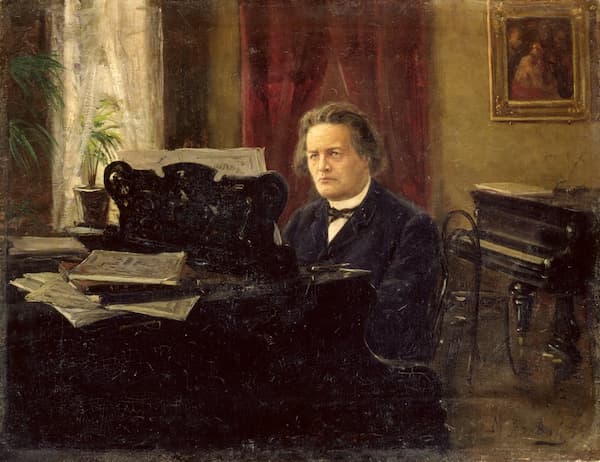
Portrait of Composer Anton Rubinstein by Michail Michailovich Yarowoy
Premiered that May at the Salle Pleyel, the work was a bold declaration of Saint-Saëns’ flair for blending lyrical elegance with fiery virtuosity. Its creation marked a pivotal moment in his career, cementing his reputation as a composer who could weave Romantic passion with Classical clarity, all while meeting the demands of a star performer.
The Parisian audience, though initially puzzled by its unconventional structure, soon warmed to its vibrant energy, and the concerto became one of his most enduring works. The music itself dances between moods with a theatrical charm. From the brooding and improvisatory solo opening to the whirlwind finale, Saint-Saëns effortlessly balances these contrasts.
The work is intimate one moment and explosive the next while giving the soloist room to dazzle. When Saint-Saëns premiered the work himself, he reportedly played it so brilliantly that Rubinstein, the dedicatee, was left utterly speechless.
Camille Saint-Saëns: Piano Concerto No. 4 in C minor, Op. 44
Elegance in Motion
Just about a year later, Camille Saint-Saëns unveiled his Piano Concerto No. 3 in E-flat Major, a work born during a period of restless creativity and personal transition. Fresh off the success of his earlier concertos, Saint-Saëns was eager to explore new textures and moods.
Premiered in 1869 at the Leipzig Gewandhaus, with Saint-Saëns at the piano, the concerto was a bold statement, crafted to showcase his technical prowess while indulging his love for lyrical warmth and orchestral colour. Though it initially received mixed reactions with some critics finding the blend of grandeur and intimacy perplexing, it soon won over audiences with its radiant charm.
The concerto still holds an understated place in Saint-Saëns’ catalogue, yet he crafted a delightful dialogue between soloist and ensemble that feels alive. Almost conversational, the work is brimming with the joy of music-making and the thrill of a performer in his prime.
Vitality in Two Movements
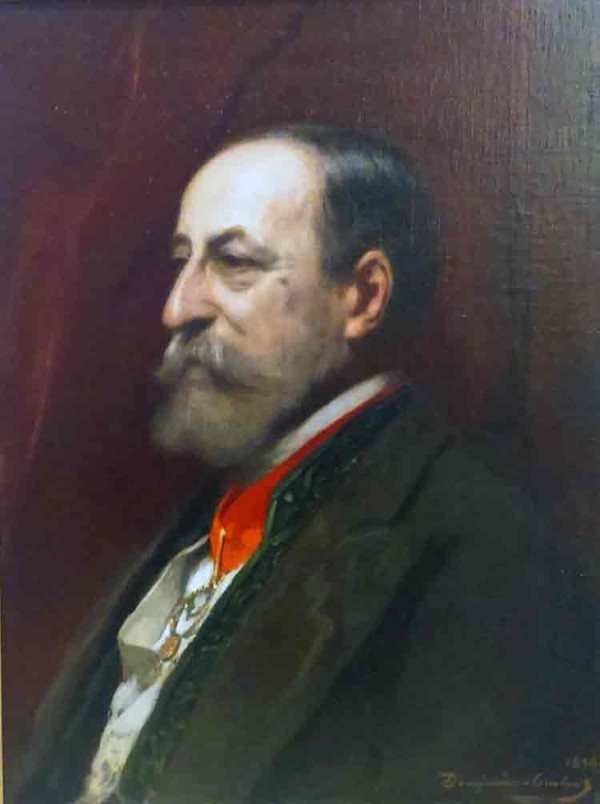
Portrait of Camille Saint-Saëns by Benjamin Constant
Audiences had to wait until the autumn of 1875 before Saint-Saëns unveiled his Piano Concerto No. 4 in C minor, Op. 44. It is a work that emerged from a period of artistic confidence and personal reinvention. At 40, Saint-Saëns was a celebrated figure in Parisian musical circles, riding the wave of his earlier successes while pushing the boundaries of his compositional voice.
The concerto was composed for a performance at the Concerts Colonne, a prestigious concert series, and premiered on 31 October 1875, with Saint-Saëns himself at the piano. Unlike his earlier concertos, which leaned heavily on Romantic flair, this work reflects his growing fascination with structural innovation.
In fact, he blends the traditional concerto form with a novel two-movement design that feels like a single, continuous arc. Dedicated to Austrian pianist Anton Door, the piece captured the spirit of a composer at the height of his powers.
Saint-Saëns weaves together dramatic intensity and lyrical tenderness in a way that dazzled audiences and solidified his reputation as a master of orchestral colour. The music unfolds like a vibrant tapestry, rich with contrasts that seem to capture both a storm’s fury and a poet’s introspection. Saint-Saëns makes the unconventional structure feel effortless, crafting a work that pulses with vitality and leaves listeners caught up in its whirlwind of emotion and brilliance.
Camille Saint-Saëns: Piano Concerto No. 1 in D Major, Op. 17 (Alexandre Kantorow, piano; Tapiola Sinfonietta; Jean-Jacques Kantorow, cond.)
Youthful Brilliance
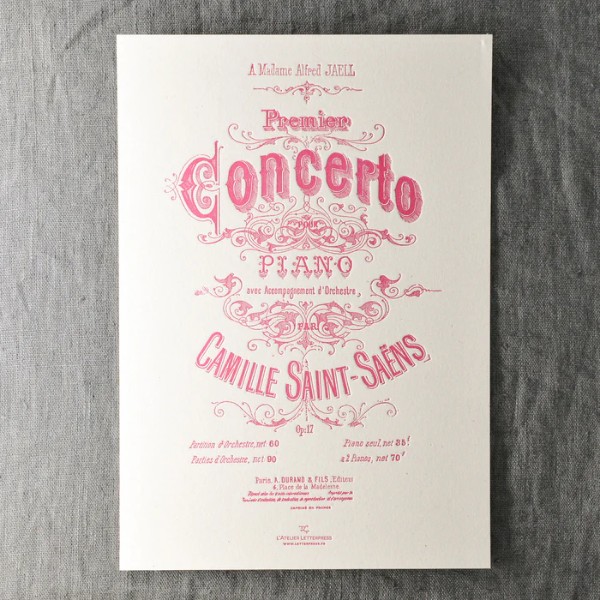
Camille Saint-Saëns’ First Piano Concerto
It’s time to go back to the beginning and find Camille Saint-Saëns bursting onto the Parisian musical scene with his Piano Concerto No. 1 in D major, Op. 17, in 1858. It is a youthful work brimming with ambition and charm.
Fresh from his prodigious childhood and already a respected performer, Saint-Saëns composed this concerto as his first major orchestral endeavour, premiering it on 31 October 1858 at the Théâtre-Italien in Paris.
Dedicated to his friend and fellow pianist Marie Jaëll, the concerto reflects Saint-Saëns’ love for Classical clarity, inspired by Mozart, yet infused with a Romantic spirit that hinted at the bold voice he would later refine.
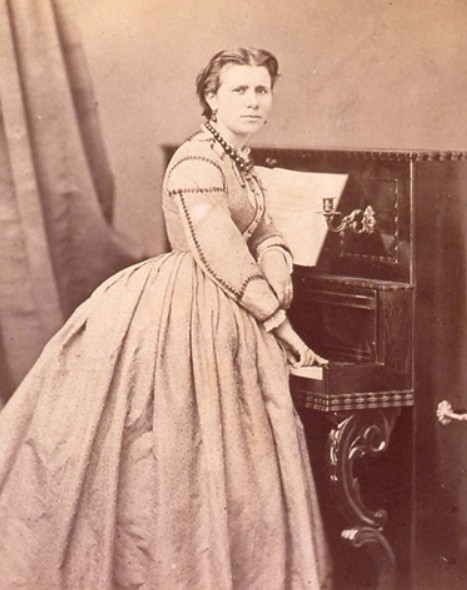
Marie Jaëll
Its premiere was a triumph, captivating audiences with its blend of technical dazzle and melodic warmth, and it marked the arrival of a composer ready to carve his own path in a competitive musical world.
Saint-Saëns’ gift for melody and his talent for balancing the soloist’s brilliance with the orchestra’s warmth make this concerto feel like a young artist’s love letter to music itself, full of promise and irrepressible spirit.
A Nile-Inspired Finale
From first to last, in the spring of 1896, Camille Saint-Saëns, now a seasoned composer at 60, unveiled his Piano Concerto No. 5 in F major, Op. 103, famously nicknamed the “Egyptian.”
Composed to mark the 50th anniversary of his debut as a performer, the concerto was premiered on 6 May 1896, at the Salle Pleyel in Paris, with Saint-Saëns at the piano.
The nickname “The Egyptian” is based on two reasons. Firstly, Saint-Saëns composed it in the temple town of Luxor while on one of his frequent winter vacations to Egypt, and secondly, the music is among his most exotic, displaying influences from Javanese and Spanish as well as Middle Eastern music.
To Saint-Saëns, the piece represented a sea voyage, and he once again blended sophistication with accessibility. Dedicated to the French pianist Louis Diémer, the concerto was a triumph, its vibrant melodies and colourful orchestration captivating audiences and reflecting Saint-Saëns’ lifelong propensity for blending sophistication with accessibility.
Camille Saint-Saëns’ five piano concertos, crafted between 1858 and 1896, weave a vibrant tapestry of his artistic journey, blending youthful exuberance with seasoned mastery. Each work, born from distinct moments in his life, showcases his brilliance as both a virtuoso pianist and an innovative composer, merging Classical elegance with Romantic fervour against the backdrop of 19th-century France.
For more of the best in classical music, sign up for our E-Newsletter