I’ve heard performances of extraordinary technical assuredness that have left me strangely unmoved. Everything was there: accuracy, speed, power, control, immaculate articulation, perhaps even theatrical flair. I certainly admired the skill involved, but admiration is not necessarily the same as engagement. Other performances, sometimes far less obviously spectacular, have stayed with me for years.
This has made me consider something that ought to be obvious but is easy to forget: the purpose of music is not to impress but to connect.
This is not an argument against virtuosity. Virtuosity can be thrilling: it’s exciting, sometimes jaw-dropping, to watch a musician push the limits of what is physically possible. And we shouldn’t underestimate the many hours of disciplined practice behind such accomplishment. Technique matters enormously. But technique is a means, not an end. It should serve the music, not dominate it.
Ludwig van Beethoven: Piano Sonata No. 29 in B-Flat Major, Op. 106, “Hammerklavier”: I. Allegro (Igor Levit, piano)
At its best, technique frees the musician to move beyond the mechanics of playing to communication. The hands — or breath, or bow — are sufficiently secure that the musician is free to listen, respond, shape, colour and express. In the finest, most communicative performances, we may barely notice the technique at all because it has become completely absorbed into the musical intention.
Classical music has always had its virtuoso performers, and audiences have always enjoyed being astonished. Paganini and Liszt were nineteenth-century musician superstars, surrounded by the kind of celebrity we now associate with pop musicians. The appetite for spectacle is hardly new, but spectacle and communication are not the same thing.
Franz Liszt: 2 Legends, S175/R17: II. St. François de Paule marchant sur les flots (Jenő Jandó, piano)
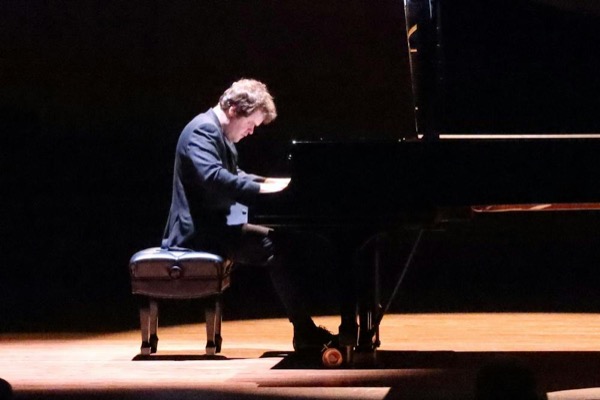
Benjamin Grosvenor
An impressive performance may lead us to ask, How did they do that? A communicative performance asks us to listen differently. It invites us into the music rather than simply directing our attention towards the person producing it.
Sometimes this happens in the least conspicuous moments: a beautifully weighted chord; the way a phrase breathes; the timing of a pause. None of these things necessarily announces itself as difficult, yet each may reveal a musician listening deeply to the music and asking us to listen with them.
This is why chamber music can be so compelling. Here, we both hear and see connection: musicians watch and listen to one another, and respond to the slightest shifts in gesture, timing, tone, and mood. One player offers a phrase that another takes up; someone leads, someone follows, and a moment later those roles reverse. At its best, chamber music feels less like a presentation than a conversation.
Franz Schubert: Piano Trio No. 2 in E-Flat Major, Op. 100, D. 929: II. Andante con moto (Christian Tetzlaff, violin; Tanja Tetzlaff, cello; Lars Vogt, piano)
A solo performance is a conversation too. The composer’s voice is transmitted through the score through the performer’s understanding and imagination, and the listener brings their own experiences, emotions and memories to what they hear. A performance happens somewhere between all three. The musician is not simply reproducing a musical object but creating the conditions in which a connection might occur.
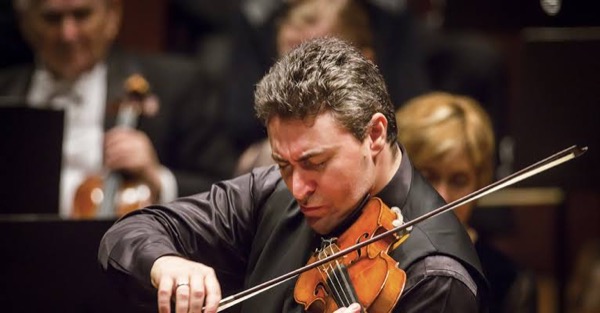
Maxim Vengerov
But that connection cannot be guaranteed. One can prepare meticulously, understand the score in great detail, and possess formidable technical command, yet live performance remains unpredictable. Performer and audience share a particular space at a particular moment, and no two occasions are quite the same. That’s the excitement of live performance, and one reason why live music continues to matter in an age when we can summon almost any piece of music, in any number of superb performances, at the touch of a screen.
We go to concerts not simply to hear music but to experience it being made in the moment. Yet we live in a culture that increasingly rewards the immediately impressive. A short video clip can capture a cascade of octaves, a dizzying cadenza or a thunderous climax with striking effect. These things announce themselves instantly. They stop us from scrolling.
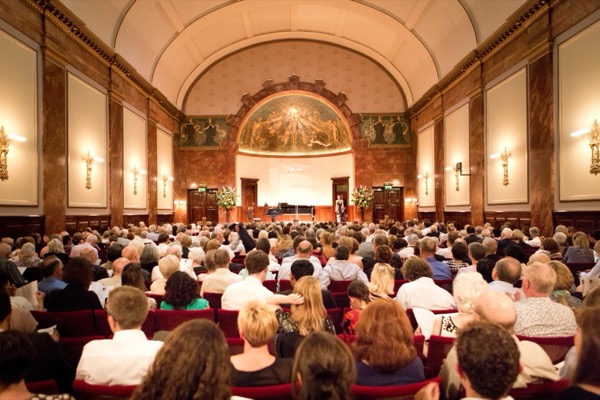
The quieter qualities of musicianship are much harder to capture in this way. Patience, concentration, sensitive pacing, subtle shifts of colour, and the ability to sustain a musical argument over thirty or forty minutes: none lends itself particularly well to a brief clip. Nor does that curious stillness which sometimes descends on a concert hall when performer and audience seem to be listening with extraordinary intensity.
Olivier Messiaen: Quatuor pour la fin du temps: V. Louange à l’Éternité de Jésus (Torleif Thedéen, cello; Lucas Debargue, piano)
This takes time and requires trust. The performer must trust the music enough not to overstate it and trust the audience enough not to feel that every moment needs to be made interesting or impressive.
For younger musicians, there can be considerable pressure to stand out. Competitions, auditions, social media and the realities of building a career all encourage performers to showcase what makes them exceptional. This is not unreasonable: a professional musician needs to be noticed.
But a subtle difference exists between having something to prove and having something to say. Perhaps musical maturity entails gradually becoming less concerned with the former and more interested in the latter. The question shifts from What can I show you I can do? to What can I show you in this music?
This is also why technical perfection alone can never make a performance truly compelling. Accuracy is desirable, of course, but a wrong note does not necessarily break the connection between performer and listener. Sometimes we barely notice it. What matters more is whether we sense intention, involvement and a sincere desire to communicate.
Music is a deeply social art form, even when practised in solitude. Musicians spend many hours alone in practice rooms, yet all that solitary work ultimately points outward. They practise so that, when the moment comes, they can communicate freely. The most memorable performers seem to understand this instinctively. They may possess remarkable technique, but they don’t seem to demand that we admire it. Instead, their skill gives them the freedom to turn our attention towards something beyond themselves. We leave not thinking only about the performer, but about the music — and about something the music has stirred in us.
This is one of the great privileges of being a musician: not simply to play beautifully, brilliantly or impressively, but to create a space in which another person might feel, remember, recognise or understand something.
Technique enables it; the performance makes it possible. The connection is the point.
For more of the best in classical music, sign up for our E-Newsletter