
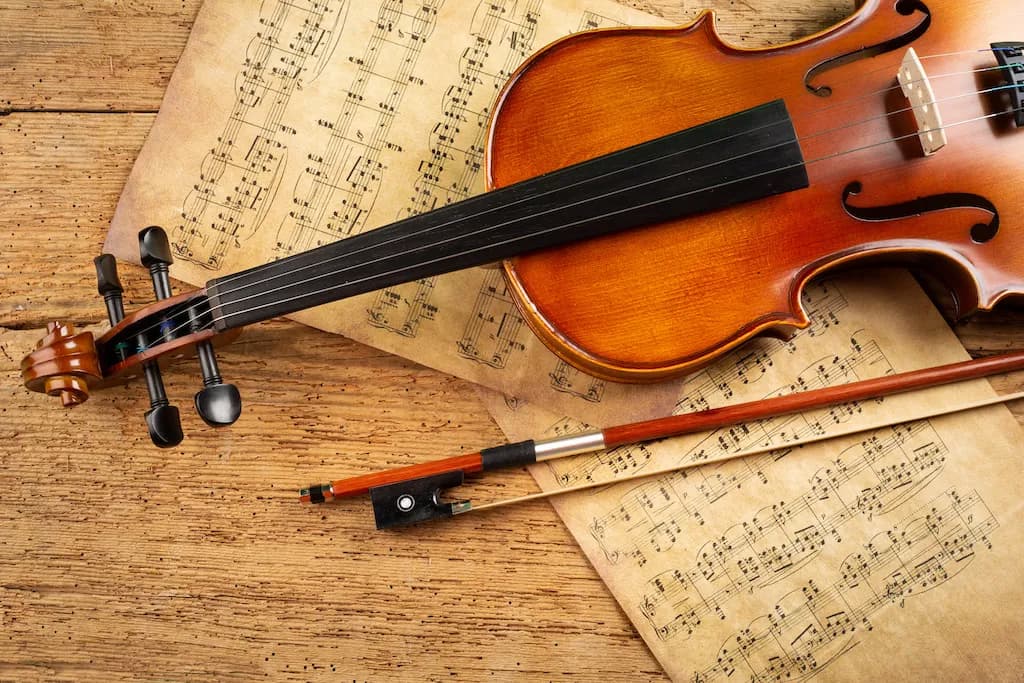
The solo violin has long been acknowledged as the perfect instrument to express emotions like love, longing, heartbreak, rapture, and romance. The Romantic era lasted from the early nineteenth century to the early twentieth century and produced numerous works that
Latest article
Spotlight
-
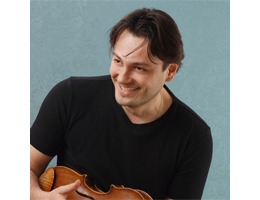
 Maxim Rysanov September 14th, 2012 Having established himself as one of the world’s top viola players, Maxim has won the applause from audiences around the world with his charismatic performance. Having chosen Hong Kong as one of the destinations in his world tour this fall,
 -
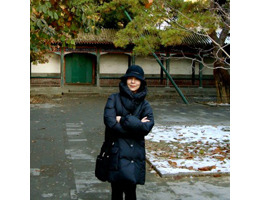 In touch with Carolyn Choa September 14th, 2012 Behind every great man there stands a wise woman. Behind the late award-winning director Anthony Minghella, there stands his wife Carolyn Choa- together, they have shared their artistic career most fittingly. Carolyn has choreographed numerous dance productions before involving in
 -
 Resistance is Futile!
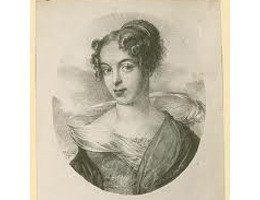
Franz Liszt and Caroline and Eveline September 13th, 2012Piano Concerto No. 2 in A minor, Op. 85 (1819) While in the waning stages of his relationship with Marie d’Agoult, Franz Liszt would deliberately forget to put their “fidelity ring” on his finger. “I felt a curious pleasure in -
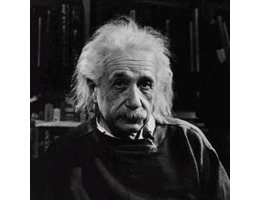 E=Mozart2 September 12th, 2012 The German theoretical physicist Werner Heisenberg, who was awarded the Nobel Prize for Physics in 1925 for his work in quantum mechanics, suggested “The space in which a person developed as an intellectual/spiritual being has more dimensions than the space
 -
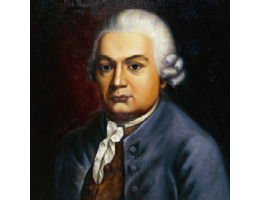 Mozart in London III September 12th, 2012 After a mere four weeks in England, Wolfi showed remarkable progress and growth as a composer. Leopold wrote, ”what he had known when he left Salzburg is nothing compared with what he knows now; it defies the imagination … right
 -
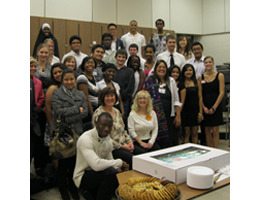 The Power of Music September 11th, 2012 Music has power. Preceding both spoken and written language, the music of every culture reflects their indigenous spirits. Music travelled with the many people who have been displaced and through music they were able to keep their cultures alive. Music
 -
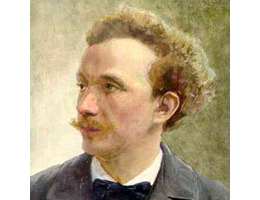 Ariadne auf Naxos: Take One! September 11th, 2012 After the rousing financial success of “Der Rosenkavalier”, Richard Strauss and Hugo von Hofmannsthal eagerly sought to continue their artistic collaboration. It seems, however, that they were pulling in slightly different artistic directions. Strauss wanted them to reengage with “Semiramis”,
 -
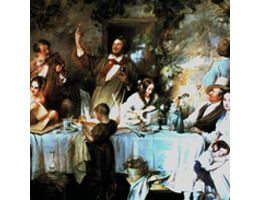 Fin-de-Siècle Vienna – Music, Art and Architecture September 10th, 2012 Ravel’s composition ‘La Valse’, written at the close of World War I, can be seen as a parable of the violent death of 19th century Vienna – with “the waltz, long a symbol of gay Vienna, becoming in the composer’s