
We all know Bess’ song from Porgy and Bess: ‘Summertime, and the Livin’ is Easy’. We decided to do a survey of what other composers thought about summer and were surprised at the very different moods and modes composers used
Latest article
Spotlight
-
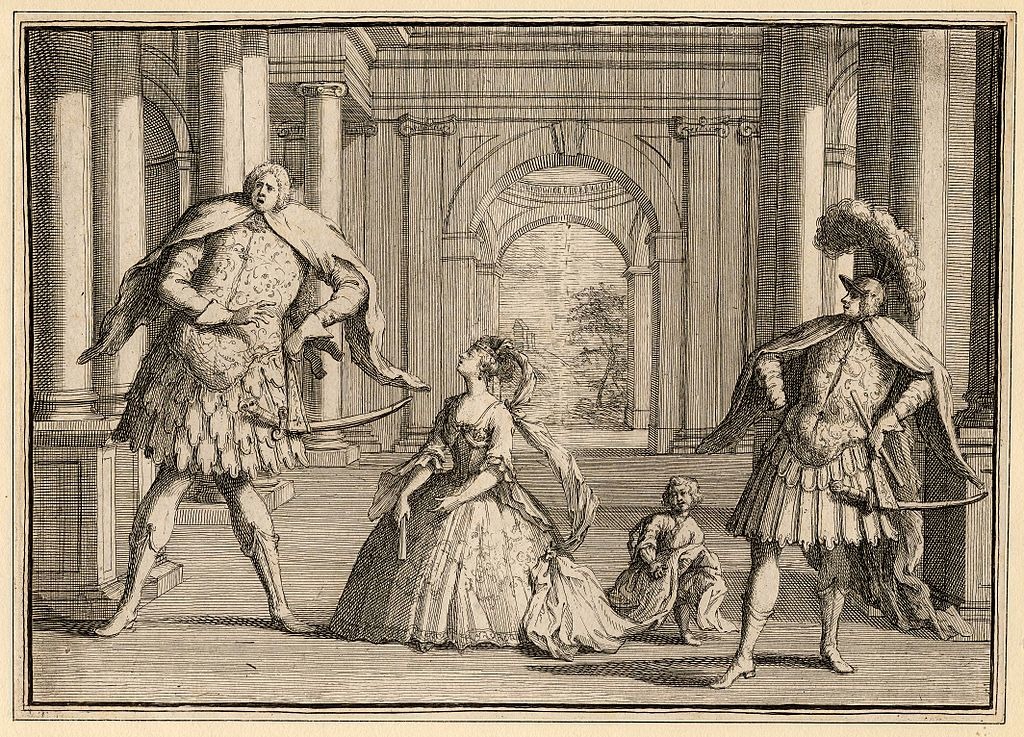
 The Castrato as Hero July 3rd, 2015 When castratos ruled the opera stage, two of the most famous worked closely with the leading composer for the London stage, George Frederick Handel, to make their names in his music. He, obligingly, cast them as the heroes of his
 -
 In Touch – Nadine Koutcher July 2nd, 2015 Belarusian soprano Nadine Koutcher thrilled audiences at the 2015 Cardiff Singer of the World this month, and her glittering performances (and astonishing high notes) throughout the competition led her to the Main Prize. Though already an experienced performer on the
 -
 Areta Zhulla July 1st, 2015 The Global Perspective Few musicians manage to balance teaching and performing as well as Greek-born violinist Areta Zhulla. A recipient of the Triandi Career Grant as well as the Tassos Prassopoulos Foundation Award, a passionate chamber musician with an equally
 -
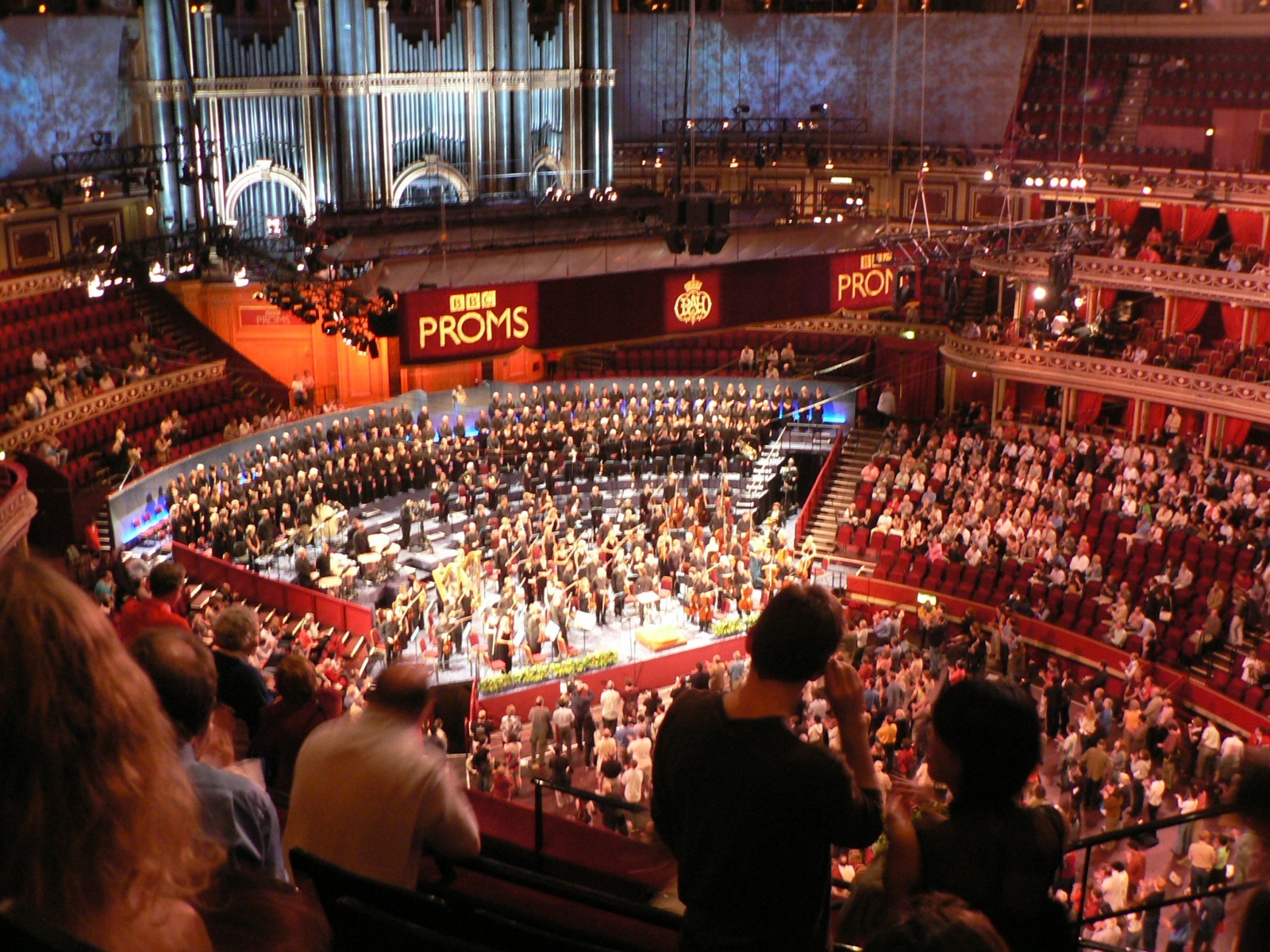 Of Proms and Promming July 1st, 2015 The 2015 BBC Proms start in two weeks’time. As a child and teenager, I used to go to the Proms every year with my parents, who would pour over the programme as soon as it was published (this, of course,
 -
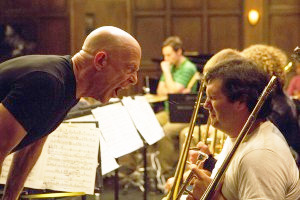 The Role of a Teacher
To Demolish and Rebuild, or to Plant and Nurture? June 30th, 2015‘Intense.’ ‘Gripping.’ ‘Unsettling.’ ‘Must-see!’ Several people have asked me whether I have seen Damien Chazelle’s film, Whiplash, and these were words they all used to describe the drama. Though apprehensive about films centred on musicians or on musical genres because -
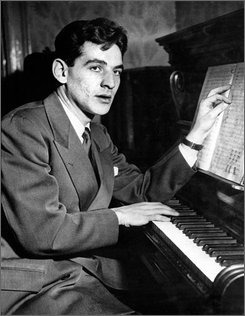 Leonard Bernstein: Music can communicate the unknowable June 29th, 2015 Leonard Bernstein undoubtedly was one of the most supremely talented interpretive musicians of the 20th century. Yet his compositional talents, as Mstislav Rostropovich has argued, “are simply not on par with his abilities as an interpreter.” Leon Botstein, President of
 -
 Leonard Bernstein and Felicia Montealegre
A Divided Life June 28th, 2015Felicia Montealegre was a stunningly beautiful Chilean stage and television actress making her living in New York. Leonard Bernstein was the wonder boy of the American classical music scene, who had made his spectacular conducting debut with the New York -
 Defining Music June 28th, 2015 What’s your favorite one-sentence definition of music? Are there any here that exactly copy your thoughts or can you take it to a more extreme edge? Lady Gaga puts music in a different perspective: “Some women choose to follow men,