Franz Liszt is remembered today as one of the most revolutionary pianists in history, but his influence extended far beyond his own performances and compositions.
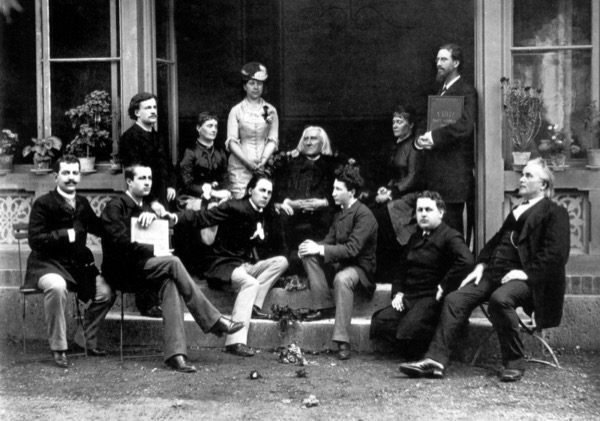
Franz Liszt and his pupils
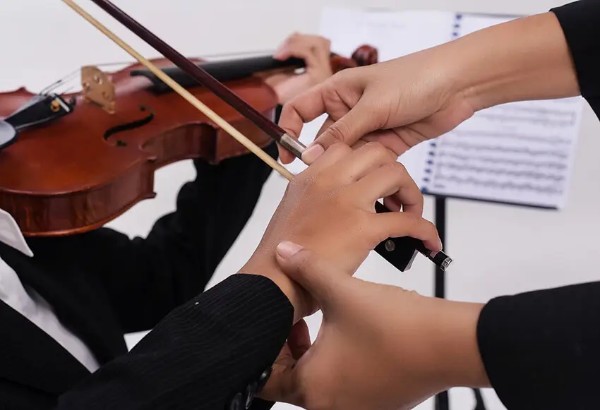
During his decades teaching in Weimar, Rome, and Budapest, Liszt trained an extraordinary circle of students who helped define modern pianism.
Some studied with him for years; others encountered him only briefly, yet carried his ideas for a lifetime.
Today, we’re looking at the lives of ten of Liszt’s most fascinating pupils – and how Liszt’s ideas shaped 19th-century keyboard playing, influenced major composers, and laid the foundations for the international “Liszt school” that would dominate pianism well into the 20th century.
Carl Reinecke (1824–1910)
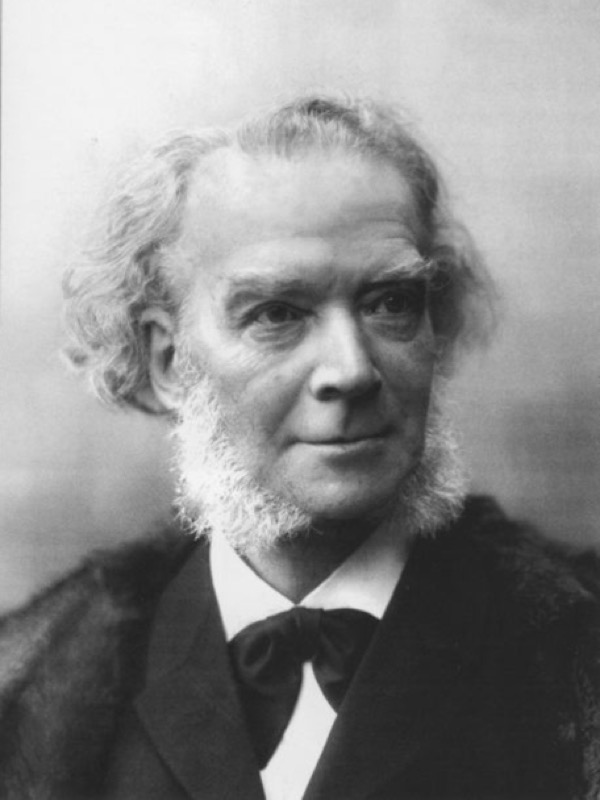
Carl Reinecke
A piano roll of Carl Reinecke playing Mozart’s Rondo Alla Turca, 1907
Although Reinecke was never a formal student of Liszt, he spent formative time with him as a young virtuoso pianist in Weimar in 1847, and would go on to pass his ideas down to the next generation of composers.
Much like Liszt, Reinecke pivoted away from performing to focus on composition later in his career.
However, Reinecke’s most lasting legacy is likely his pedagogical work. His numerous students included several of the most prominent composers of the nineteenth century, including Isaac Albéniz, Max Bruch, Edvard Grieg, and Leoš Janáček.
Thanks to Reinecke’s teaching, Liszt’s ideas quietly threaded their way across national boundaries into the fabric of late European Romanticism.
Hans von Bülow (1830–1894)
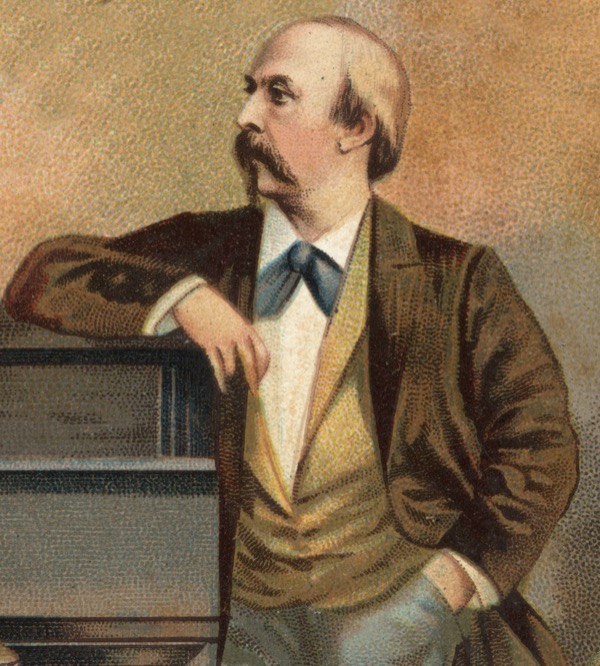
Hans von Bülow
Hans von Bülow: Paraphrase of the quintet from Act III of Die Meistersinger von Nürnberg (Wagner) (Daniel Blumenthal, piano)
Hans von Bülow was one of Liszt’s greatest protégés…and would later become his son-in-law after Liszt’s daughter Cosima married him.
Over the course of his career, von Bülow became a towering conductor, virtuoso pianist, and champion of Liszt, Wagner, and Brahms. He was celebrated across Europe for his disciplined interpretations and passion for new music.
He also became one of the most famous scorned husbands in classical music history after Cosima – scandalously – left him for Wagner.
Even after their personal relationship fractured, Bülow acknowledged that all of modern pianism stemmed from Liszt, and Liszt’s influence marked him for life.
Hans von Bülow gave the first public performance of Liszt’s Sonata in B-minor. He also helped to popularise memorisation among conductors, inspired by Liszt’s astonishing feats of memorisation at the piano.
Karl Tausig (1841–1871)
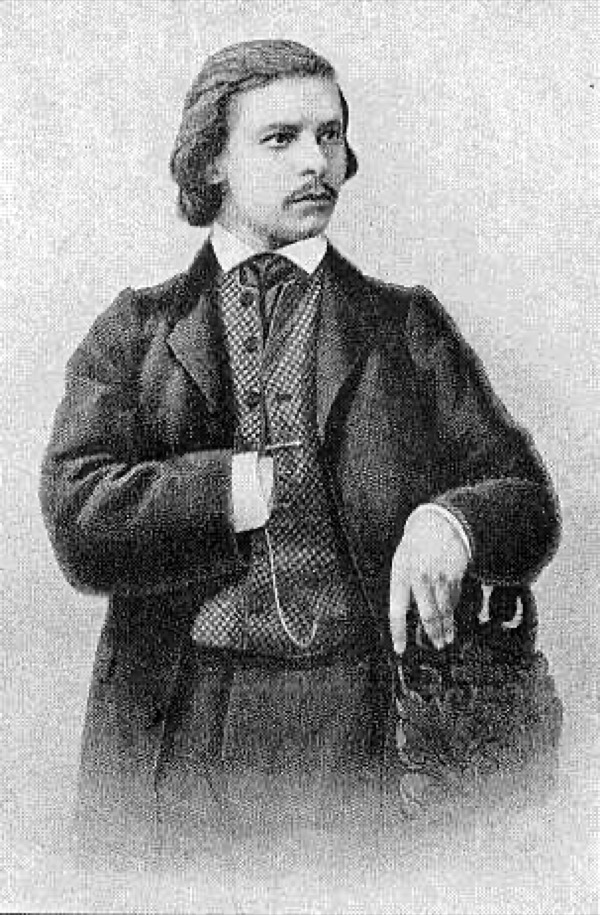
Karl Tausig
Carl Tausig: Ungarische Zigeunerweisen (Stephen Hough, piano)
Often considered Liszt’s most brilliant student, Tausig was a prodigy with a staggering technique that rivaled – or maybe even surpassed – Liszt’s.
He began studying with Liszt as a boy, living in his house and going on concert tours with him. Although he was mischievous, Liszt considered him one of his favourite pupils.
Liszt famously referred to his “fingers of steel,” and legendary pianist Anton Rubinstein nicknamed him “the infallible.” Fellow Liszt pupil Eugen d’Albert claimed that Tausig’s technique outstripped their teacher’s.
Interestingly, Tausig befriended all sides of the aesthetic War of the Romantics: Liszt, Richard Wagner, and Johannes Brahms.
He died of typhoid at the age of 29. His death was a tremendous blow to 19th-century pianism.
Amy Fay (1844–1928)
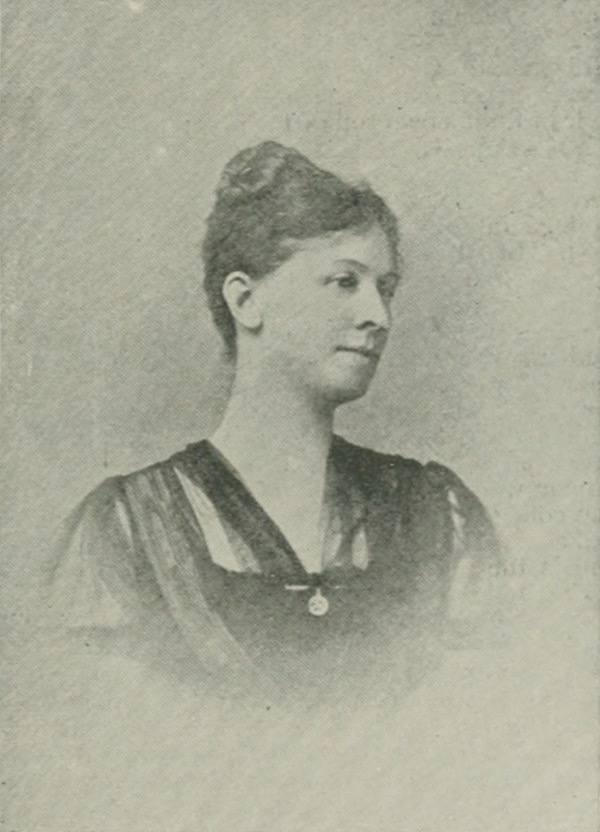
Amy Fay
The American pianist Amy Fay studied with Liszt in the 1870s and later chronicled the experience in her famous memoir Music-Study in Germany.
Fay’s descriptions of Liszt as a teacher are some of the most thorough ever published. In her book, she observed:
Nothing could exceed Liszt’s amiability, or the trouble he gave himself, and instead of frightening me, he inspired me…
You feel so free with him, and he develops the very spirit of music in you. He doesn’t keep nagging at you all the time, but he leaves you to your own conception.
Now and then, he will make a criticism, or play a passage, and with a few words give you enough to think of all the rest of your life.
Her writings helped spread Liszt’s pedagogy to the United States, and also encouraged many promising young American women pianists to cross the Atlantic to study in Europe.
Later in her career, she pioneered new educational formats like concert lectures.
Sophie Menter (1846–1918)
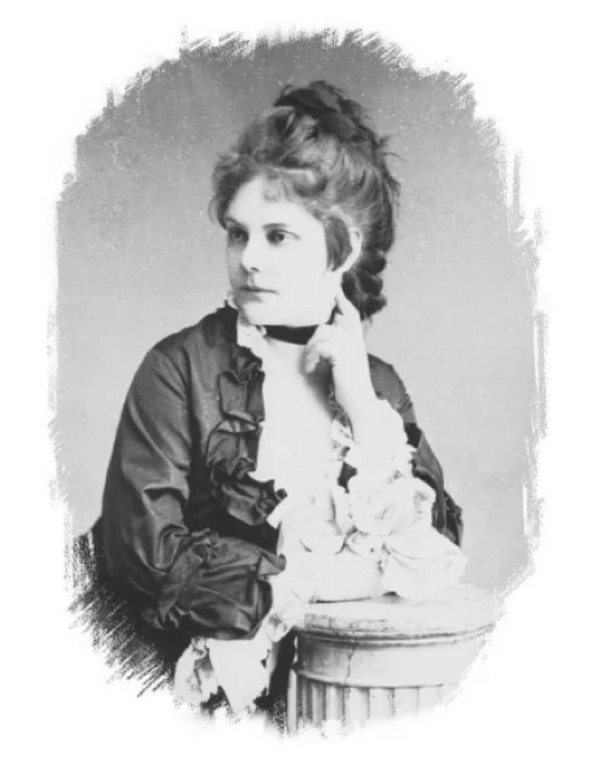
Sophie Menter
A piano roll of Sophie Menter playing Liszt’s Caprice Poetique No. 3, c. 1905
A dazzling virtuoso from an early age, Sophie Menter began her career as a child prodigy, touring across Europe. In 1867, at the age of 21, she played Liszt’s work at the prestigious Gewandhaus in Leipzig.
She befriended Tausig and studied with both him and von Bülow before beginning her studies with Liszt in 1869.
Amy Fay wrote of her, “I envied her dreadfully. She plays everything by heart, and has a beautiful conception.”
Menter became one of Liszt’s favourite and most famous pupils. In Paris, her dynamic playing earned her the nickname l’incarnation de Liszt.
Her talent, stage presence, and popularity even allowed her to relaunch Liszt’s first piano concerto in Vienna, where it had initially received a disastrous premiere.
She retired to live in a castle full of her beloved cats.
Marie Jaëll (1846–1925)
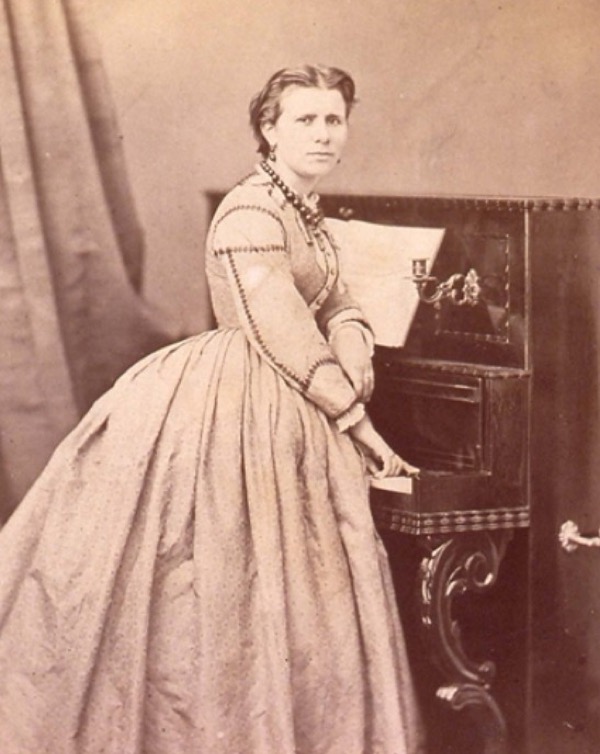
Marie Jaëll
Marie Jaëll’s Piano Sonata in C-major
Marie Jaëll was a child prodigy who studied in Paris. When she was twenty, she married fellow virtuoso pianist Alfred Jaëll, who had studied with Liszt.
In 1868, Jaëll introduced Liszt to his wife. Liszt adored her, and famously wrote about her that she had “the brains of a philosopher and the fingers of an artist.”
After Alfred died in 1882, she threw herself into her musical career, studying with Liszt in Weimar, and eventually focusing on composition. She dedicated her Piano Sonata in C-major to him.
Her later research into touch and neurological learning made her one of the era’s most distinctive and original pedagogical thinkers, demonstrating a drive and independence reminiscent of Liszt’s.
Géza Zichy (1849–1924)
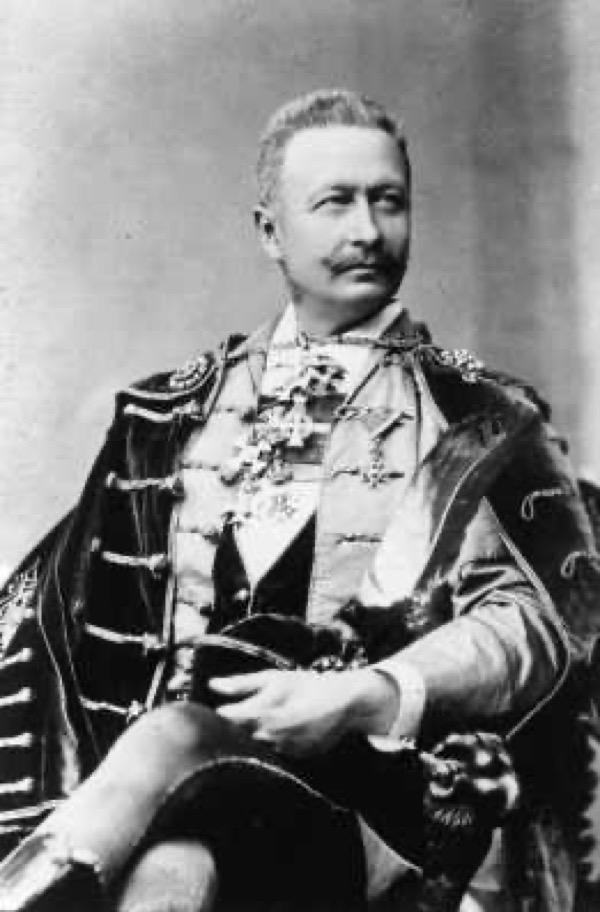
Géza Zichy
Zichy’s left-hand transcription of the Liszt transcription of Schubert’s Der Erlkönig
Zichy lost his right arm in a hunting accident at age 14, but rebuilt his technique to become the first professional one-armed pianist and one of the greatest left-hand virtuosi in history.
He began his studies with Liszt in 1873, the year he turned 24, and he studied with him for six years.
Liszt encouraged him to build his extraordinary and unprecedented career, and wrote letters to his many famous musical friends praising him.
In addition to piano playing, Zichy composed a number of works, following the example of Liszt. He also transcribed a number of Liszt’s works for one hand.
Emil von Sauer (1862–1942)
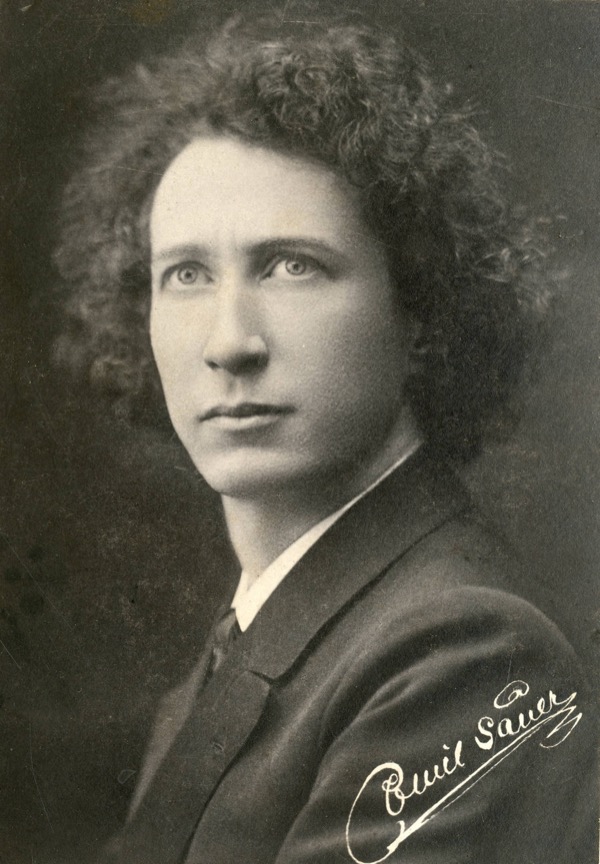
Emil von Sauer
Emil von Sauer playing Liszt’s La Campanella
Emil von Sauer was one of the greatest pianists of his generation. He was born in Hamburg and, as a young man, studied at the Moscow Conservatory.
In 1884, he met Liszt’s long-term love interest, Countess von Sayn-Wittgenstein, who recommended that he study with Liszt.
But by that point, Liszt had just two years left to live, and in Sauer’s words from 1895, “It is not correct to regard me as a pupil of Liszt, though I stayed with him for a few months. He was then very old and could not teach me much.”
However, in the later years of his career, he eventually embraced his connection to Liszt.
Especially after the popularisation of recordings, Sauer ended up becoming one of the most important representatives of the so-called Liszt school.
Eugen d’Albert (1864–1932)
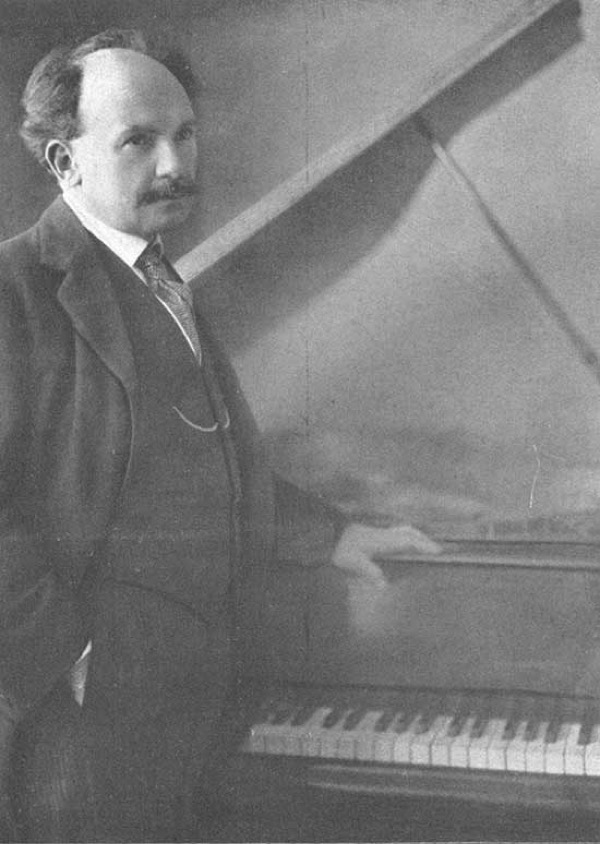
Eugen d’Albert
Eugen d’Albert playing Liszt’s Au bord d’une source
Born in Scotland, d’Albert immigrated to Germany and enjoyed one of the most flamboyant – and scandalous – careers of any Liszt student.
He married six times, including to one of the other great pianists of the century, Teresa Carreño.
He began studying with Liszt in 1881; at the time, d’Albert was seventeen, and Liszt was seventy. Liszt raved that the boy was “the second Tausig.”
Like Liszt, he gravitated toward composition later in his life.
Moriz Rosenthal (1862–1946)
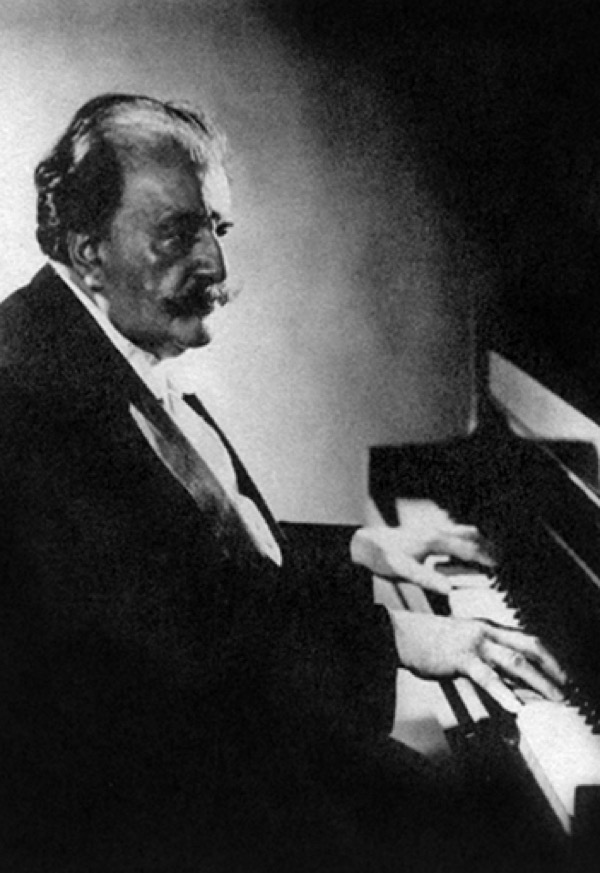
Moriz Rosenthal
Moriz Rosenthal playing Liszt’s Hungarian Rhapsody No. 2
Rosenthal was born in present-day Lviv and was a child prodigy. He studied in Lviv and Vienna. When he was sixteen, he went to study with Liszt in Weimar and Rome.
Unlike many virtuoso pianists, he pursued his general education, even taking a break for several years to study philosophy before returning to the concert stage.
He championed Liszt’s music throughout his career. Once, he played the Don Juan Fantasy so furiously that a piano leg fell off. He remembered the incident, “I had to play without the pedals. I finalised the piece with one leg holding up the piano.”
Rosenthal is celebrated as one of the latest surviving students of Liszt: fitting for someone with such a striking presence, both on and off the stage. His sparkling brilliance and old-world Viennese rubato charmed audiences until the end.
Conclusion
Across these ten careers – some brilliant, some turbulent, some heartbreakingly short – Liszt’s impact is unmistakable.
His students became leading virtuosos, renowned teachers, bold composers, and, most importantly of all, convincing advocates for his music.
Taken together, these ten musicians show just how far Liszt’s influence traveled – from intimate salons to grand conservatories, from virtuoso showmanship to serious scholarship – shaping nearly every corner of modern pianism.
For more of the best in classical music, sign up for our E-Newsletter