
Specific cities have inspired a huge amount of classical music over the years. Today, we’re looking at a selection of classical works explicitly connected to major cities, examining how each composer responded to each place. Some pieces reflect civic pride
Latest article
Spotlight
-
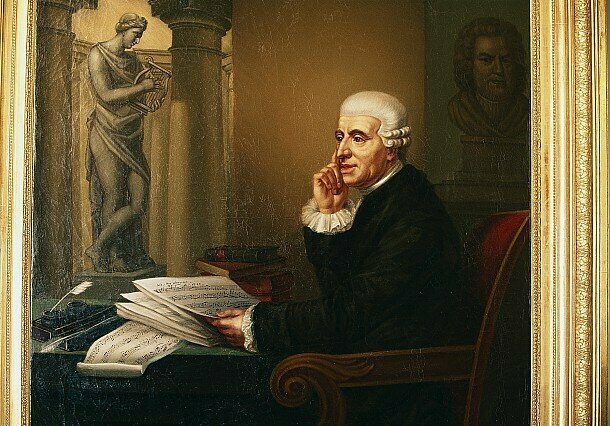 Haydn: L’Incontro Improvviso
Premiered Today in 1775 August 29th, 2018Visitations by foreign heads of state can be rather lavish affairs. And that was certainly the case when Archduke Ferdinand and Maria Beatrice d’Este, alongside a retinue of well over one hundred servants, visited the former hunting lodge of Prince -
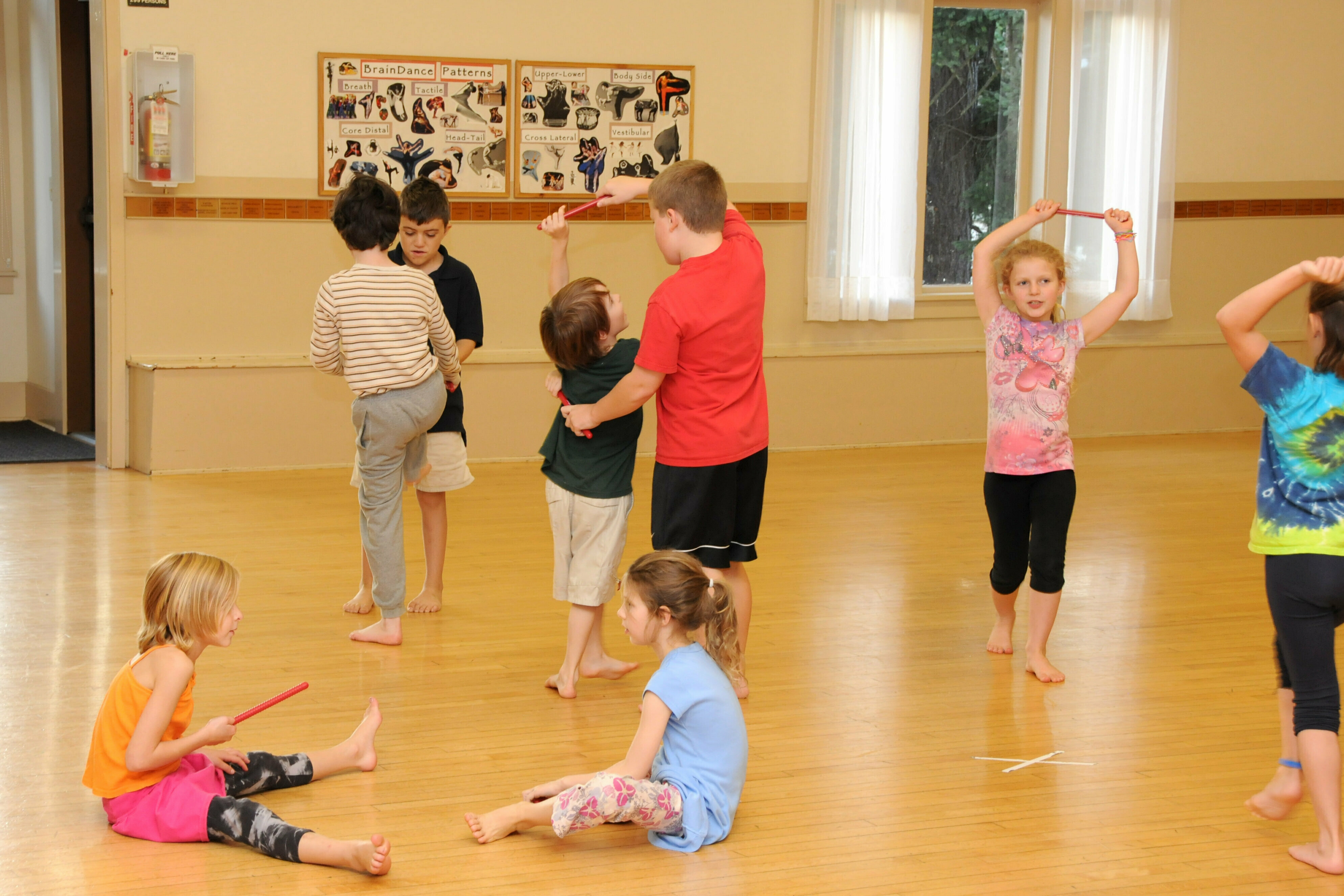
 Rhythm on the brain, and why we can’t stop dancing August 28th, 2018 Music and dance are far from idle pastimes. They are universal forms of expression and deeply rewarding activities that fulfil diverse social functions. Both feature in all the world’s cultures and throughout history. A common feature of music and dance
 -
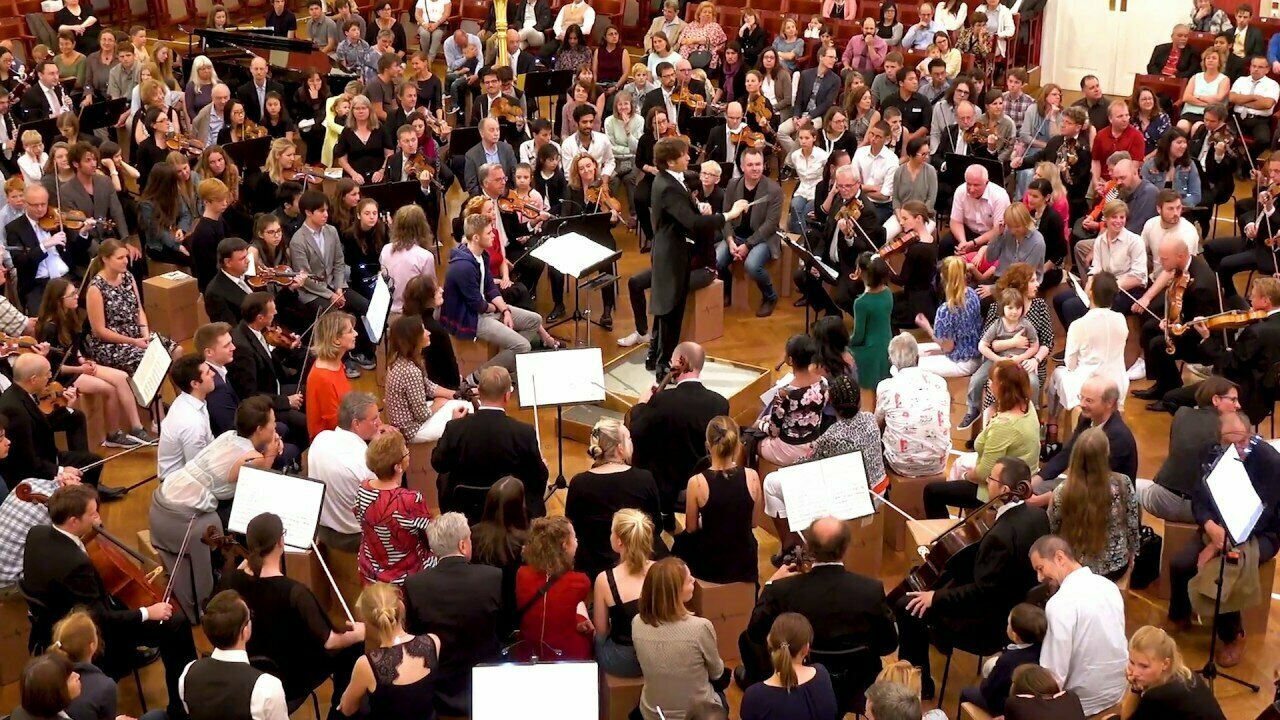 Im Klang – In the Middle of the Sound August 27th, 2018 The name ‘Im Klang’ says it all. The audience is seated ‘in the middle of the sound’. The players of the Wiener Symphoniker take leave of their traditional places on the concert platform and spread themselves widely throughout the empty
 -
 Copland: El Salon Mexico
Premiered Today in 1937 August 27th, 2018An old proverb states, “Traveling leaves you speechless, and then turns you into a storyteller. And that’s what happened to Aaron Copland after his first visit to Mexico City in 1932. His friend Carlos Chávez took him to a colorful -
 Making Music for Good August 26th, 2018 Everyone’s agreed that bringing music into education is a benefit to students. What happens, though, when the price of a music education is beyond the means of the family? Five years ago, Hong Kong’s Music Children Foundation (MCF) started to
 -
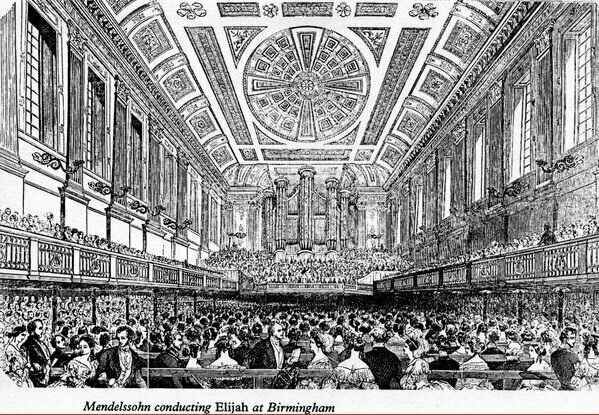 Mendelssohn: Elijah
Premiered Today in 1846 August 26th, 2018The Birmingham Music Festival was founded in 1768 as a charitable event to raise funds for the city’s recently founded General Hospital. Renamed the “Birmingham Triennial Music Festival” in 1784, it subsequently commissioned works by Arthur Sullivan, Max Bruch, Charles -
 “You can’t be a storyteller if you have no stories to tell” August 26th, 2018 The title of this post is a quote from an interview with pianist Gabriela Montero. Story-telling is about conveying a message and music is of course all about conveying messages, telling stories and stimulating the imagination, of listener and performer.
 -
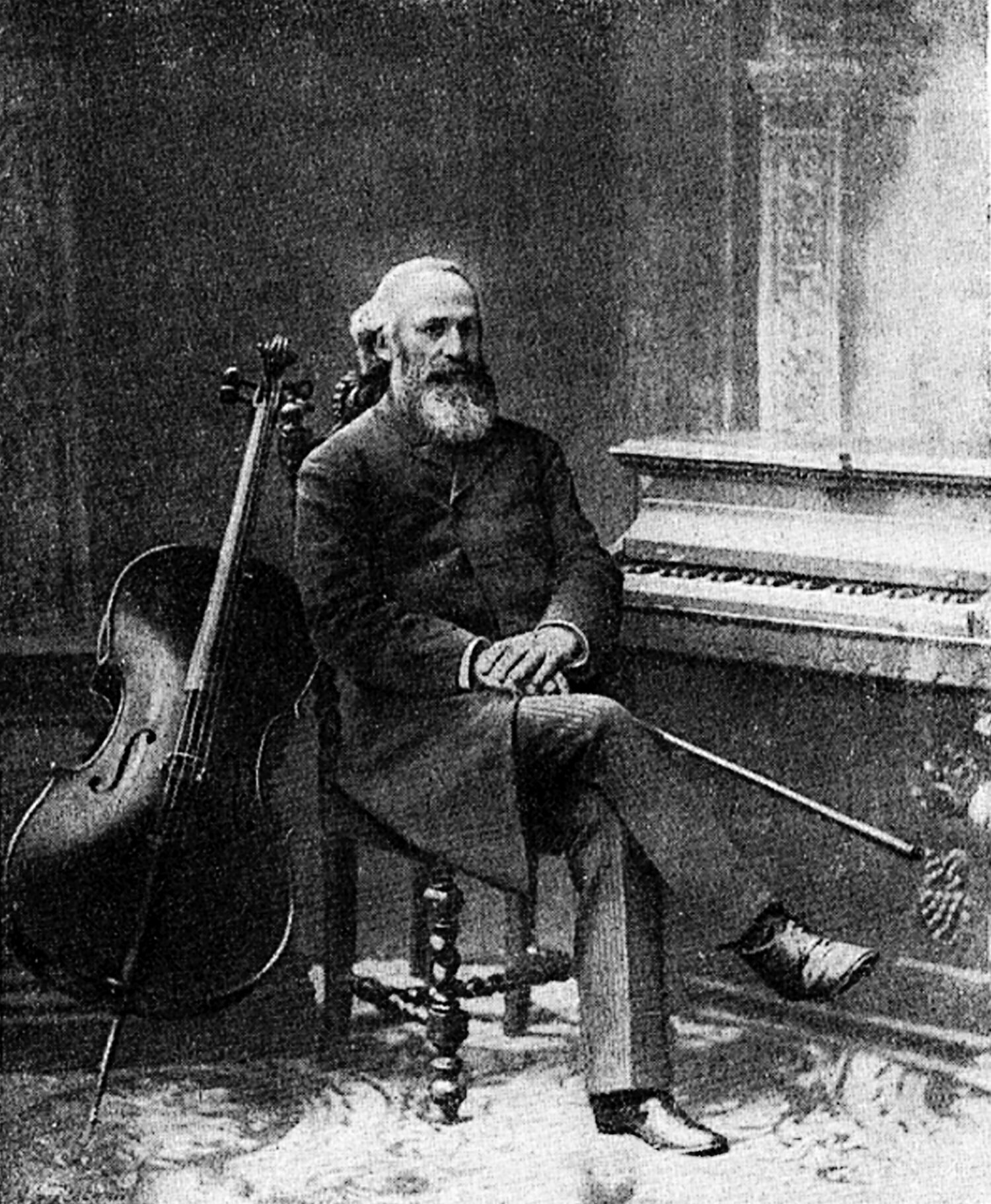 Schools of Cello Playing: Russia and Armenia August 25th, 2018 Another important school of cello playing was developed in Russia, founded by the brilliant cellist and composer Karl Davidov. Named the “Czar of Cellists” by none other than the composer Tchaikovsky, Davidov was born in Russia, (now Latvia), in 1838.