
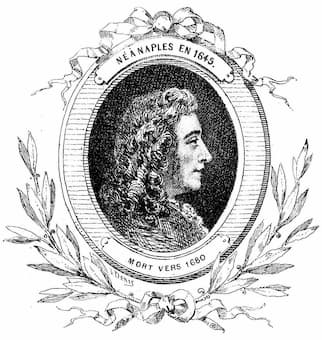
The life of Alessandro Stradella (1639-1682) was characterized by turbulence, adventure and amorous escapades. In fact, in 1677 an attempt was made to murder him for reasons unknown, although it was believed to be at the instigation of a Venetian
In essence
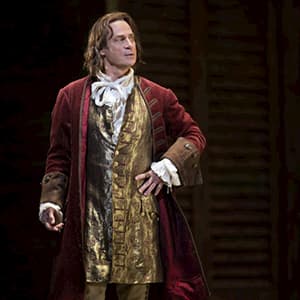
In the dramatic final scene of Don Giovanni, Mozart includes an on-stage band, a Tafelmusik, that plays light fluff of the day for the party that Don Giovanni is planning. The music the group plays, however, may be fluff, but
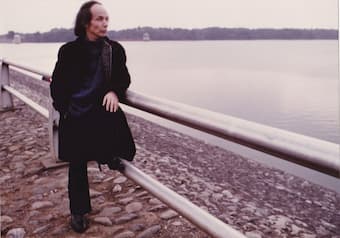
As a composer, Tōru Takemitsu (1930-1996) was essentially self-taught. In fact, as he freely admits, his first real teacher was the radio. During the post-war occupation of Japan, Takemitsu worked for the U.S. Armed Forces. He contracted tuberculosis and was
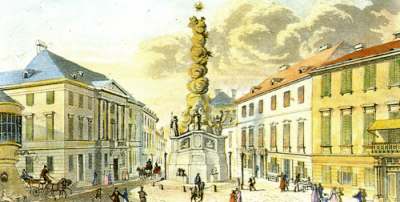
By 15 November 1815, Beethoven’s brother Caspar Carl’s health had suddenly deteriorated, and he suddenly collapsed and died on that very day. In his will, he appointed Beethoven the sole guardian of his only child, the 9-year-old Karl, but an
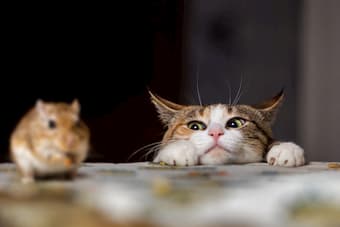
Most of us are familiar with ‘Saint-Saens’ ‘Carnival of the Animals’ or Prokofiev’s ‘Peter and The Wolf’, two works in which animals are brought to life and characterised through imaginative instrumentation, melody and rhythm – from the shimmering, darting fish
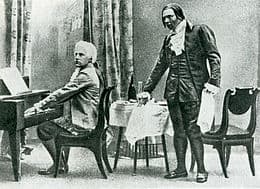
Recently, I had a chat with a young colleague who suggested that the writing of biographies of great composers was a boring myth-making exercise practiced in a cultural galaxy far away and two centuries removed. She had a point about
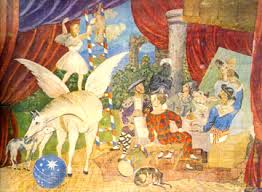
The premiere of the ballet Parade at the Théâtre du Châtelet in May 1917 turned into a veritable riot. Jean Cocteau, the author of the story claimed, “I have heard the cries of a bayonet charge in Flanders, but it
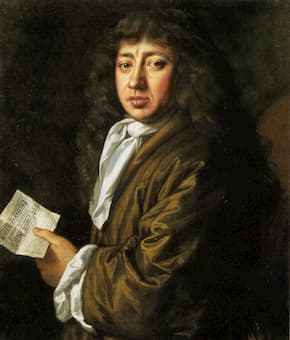
Samuel Pepys, FRS (1633-1703), is best known to us through his 10-year private diary, kept between 1 January 1660, when he was just ending his 26th year, and 31 May 1669. He lived for another 34 years but complains at