
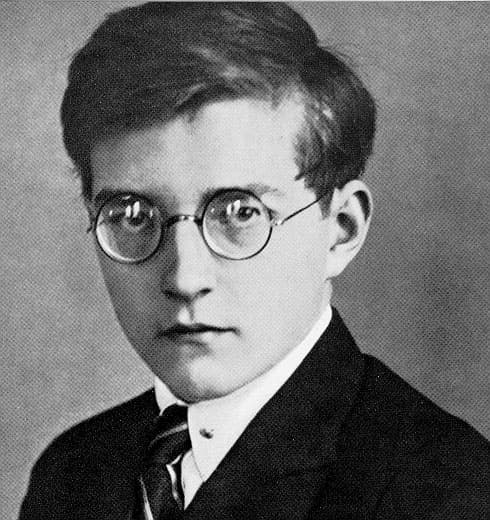
Dmitri Shostakovich was born in 1906 in St. Petersburg, Russia. He was an extraordinary talent who spent his entire creative life interacting with the Soviet regime, and his dark soulful works are favorites in the classical music world. Here are
Playlists
Water, in its warm form, is the summer symbol (water in its cold form, i.e., ice and snow, is another matter). We start on the water’s edge as it laps around our feet, cooling us and inviting us deeper. In
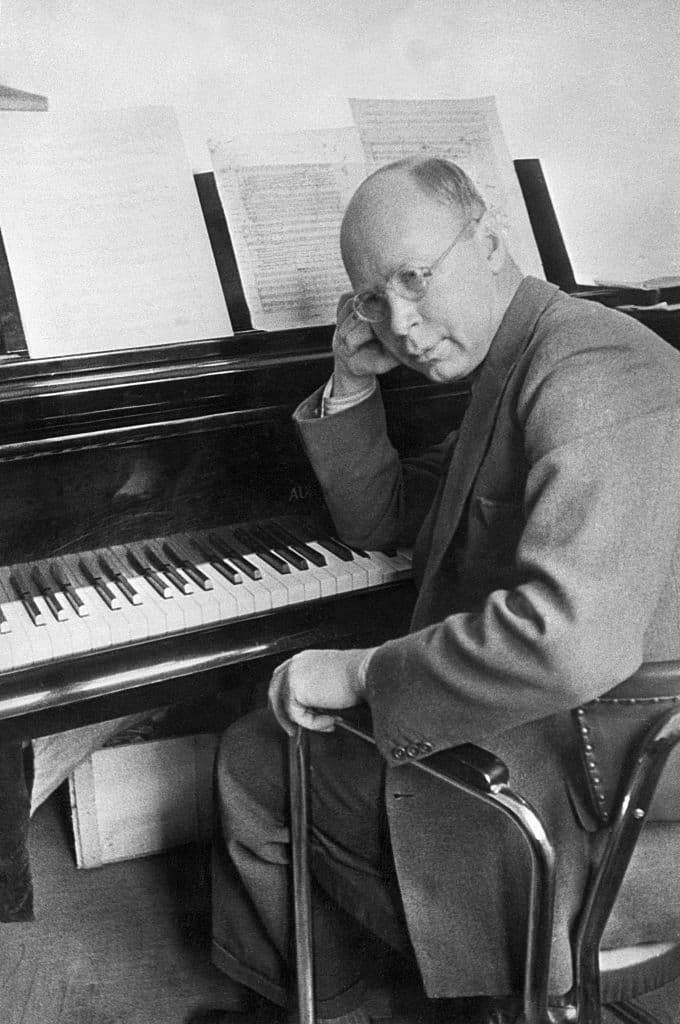
Sergei Prokofiev was born on 23 April 1891 in Sontsivka, present-day Ukraine. He became one of the famous rebellious enfant terribles of twentieth-century Russian music. Here are a few facts about his life and career: Prokofiev’s music blended steely modernism
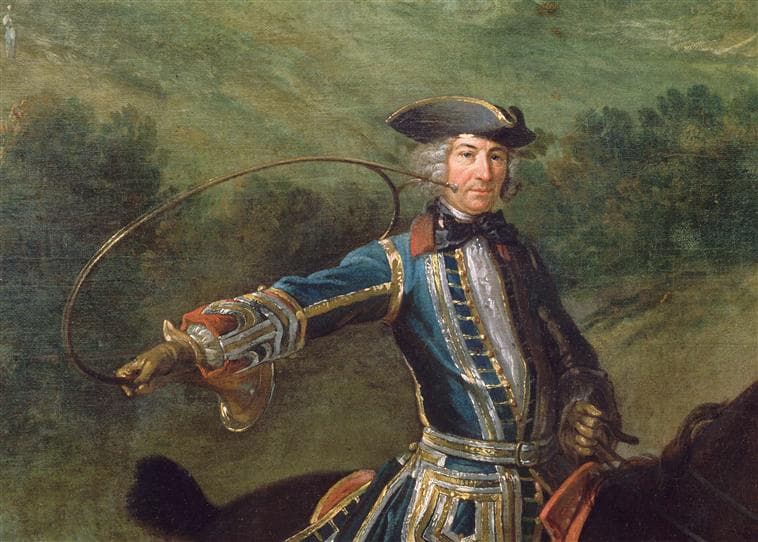
In English, ‘the hunt’ means fox hunting, otherwise, it’s shooting (birds) or stalking (deer). In Europe in the 18th century, hunting, usually for deer, was a sport enjoyed by the upper classes, and there was specific music for different parts
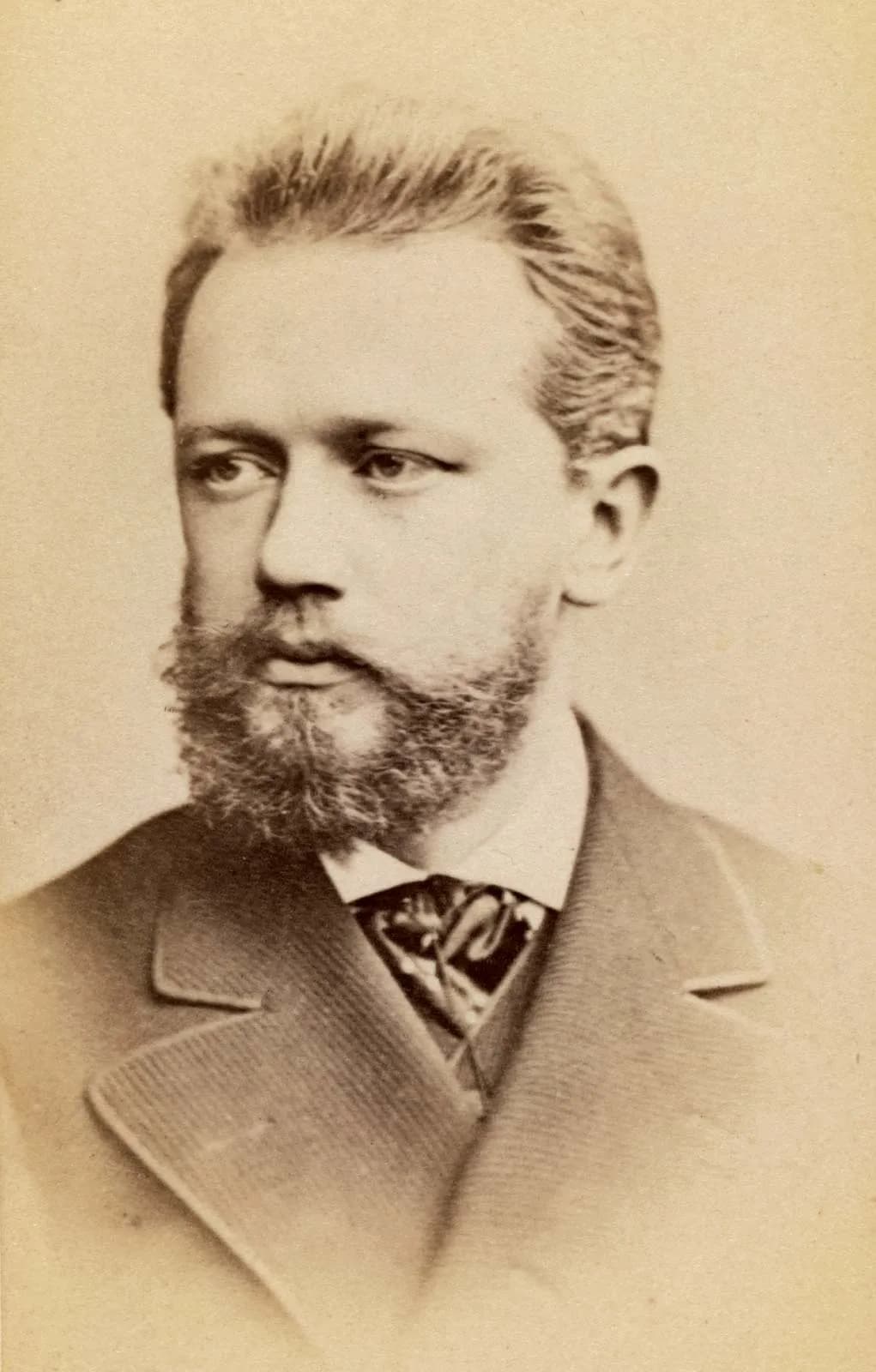
Pyotr Il’yich Tchaikovsky composed well over 100 romanzas written for voice with piano accompaniment. These songs enjoyed considerable popularity, however they also attracted some criticism. The Russian composer and music critic César Cui, for example, denounced them for failing to
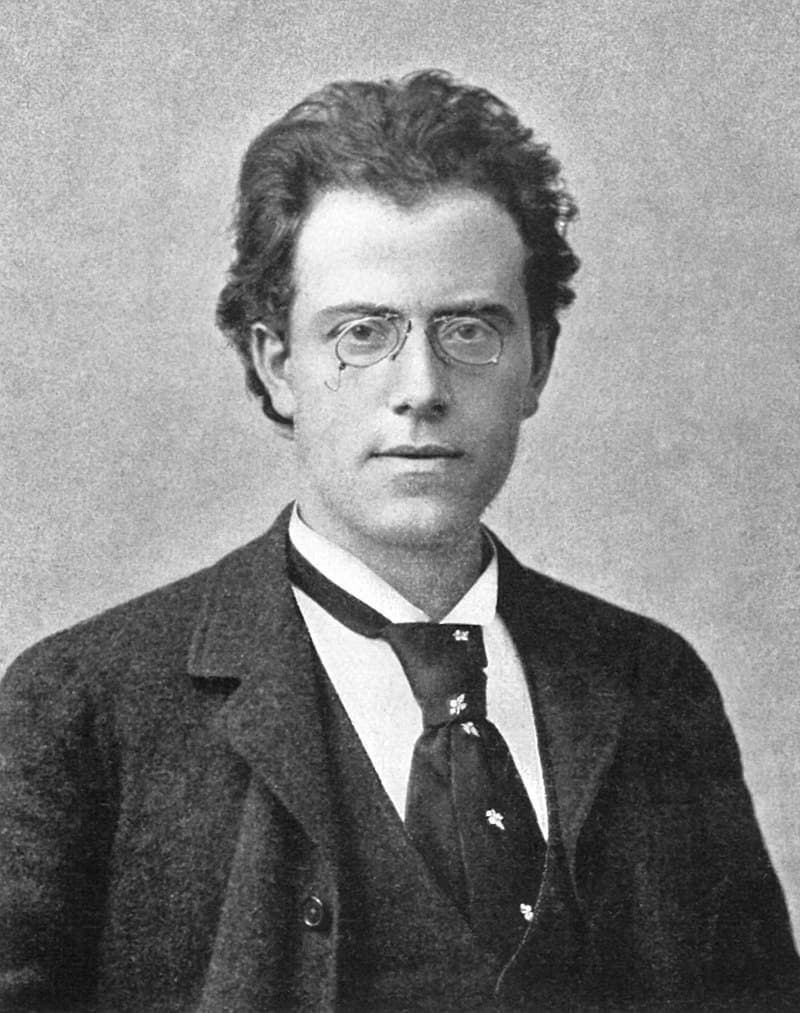
Gustav Mahler was born in 1860 in Jihlava, present-day Czech Republic. He became one of his generation’s most famous symphonists. Here are a few facts about Mahler’s life and career: Mahler is best known for his symphonic works, which are
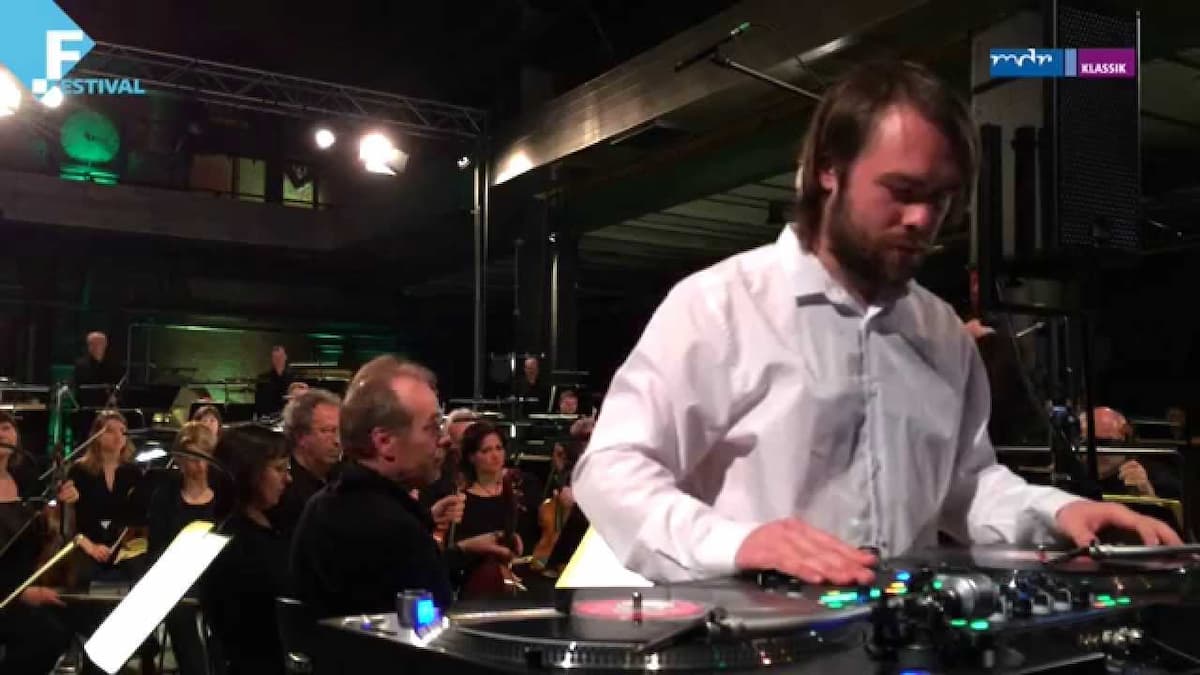
Let’s continue to explore more concertos for unique instruments. Chen Gang: Butterfly Lovers Erhu Concerto The legendary story of Liang Shanbo and Zhu Yingtai, better known as the “Butterfly Lovers,” has long reverberated in traditional Chinese opera. Localized differences aside,
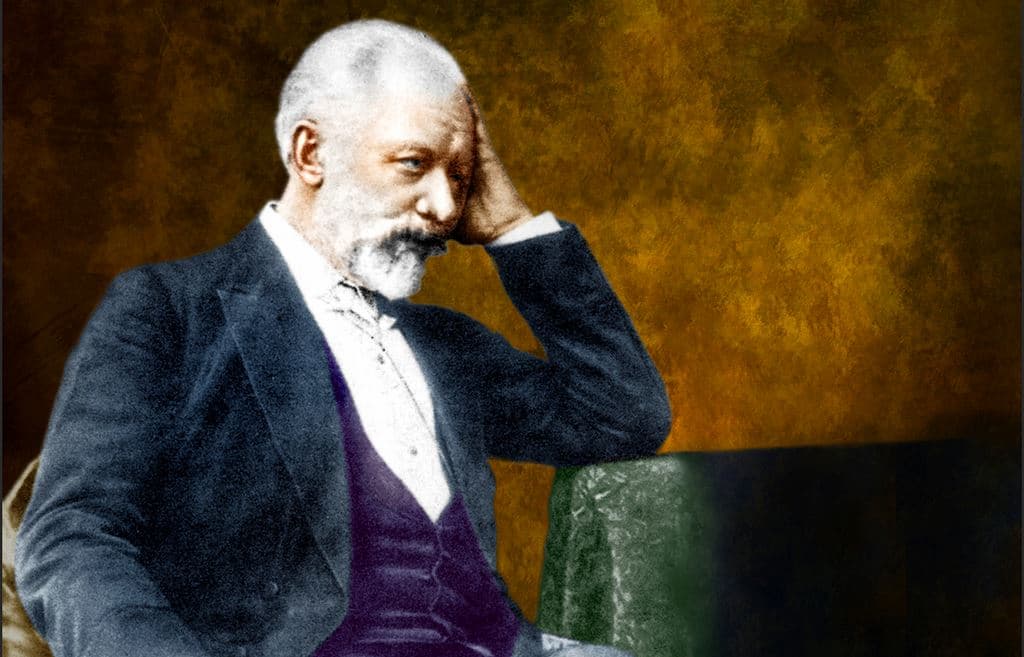
The romanzas of Pyotr Ilyich Tchaikovsky (1840-1893), perhaps surprisingly, have not been accorded the high rank bestowed on his ballets and symphonies. The Russian composer César Cui wrote, “Tchaikovsky viewed poetry as a necessary evil that only hindered the process