
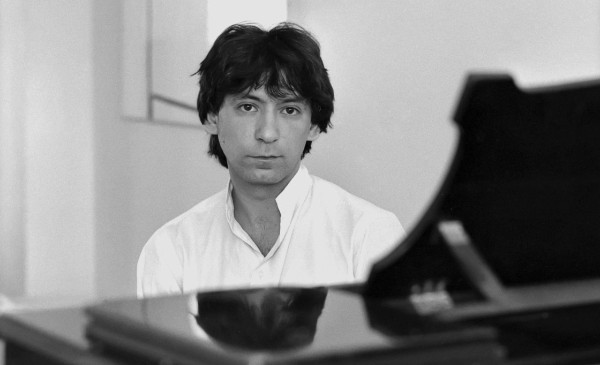
Russian pianist Youri Egorov (1954–1988) was one of the most brilliant and tragic figures in twentieth-century classical music. As a young man, he won prizes at major competitions before shocking the music world with his disappearance and eventual defection. He
Articles
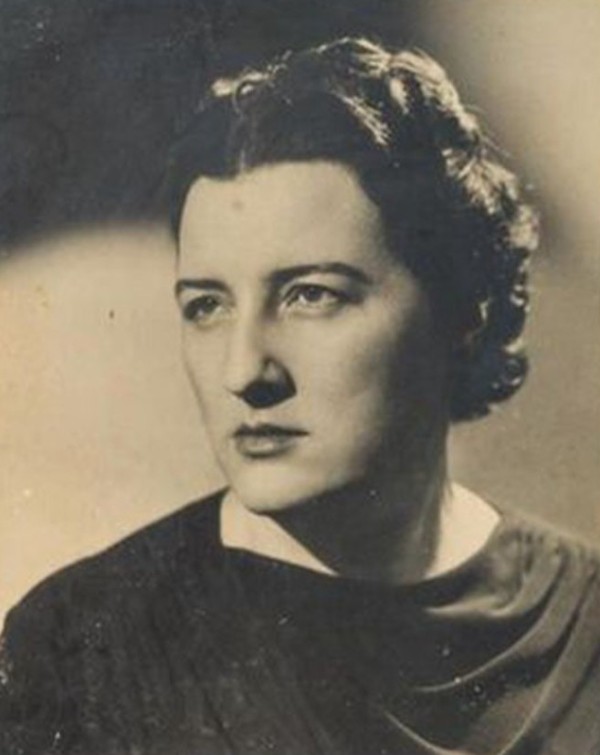
Many classical music lovers are at least vaguely familiar with the name Lili Boulanger. In 1913, she became the first woman to win the prestigious Prix de Rome prize offered by the Paris Conservatoire. Boulanger shattered that particular glass ceiling.
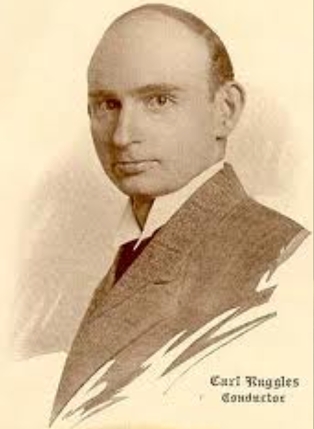
Carl Ruggles (1876–1971) was a musician from a young age, first playing his homemade violin (with a cigar box for the body) and then a quarter-sized violin from a local friend. His mother loved singing, and Ruggles learned his music
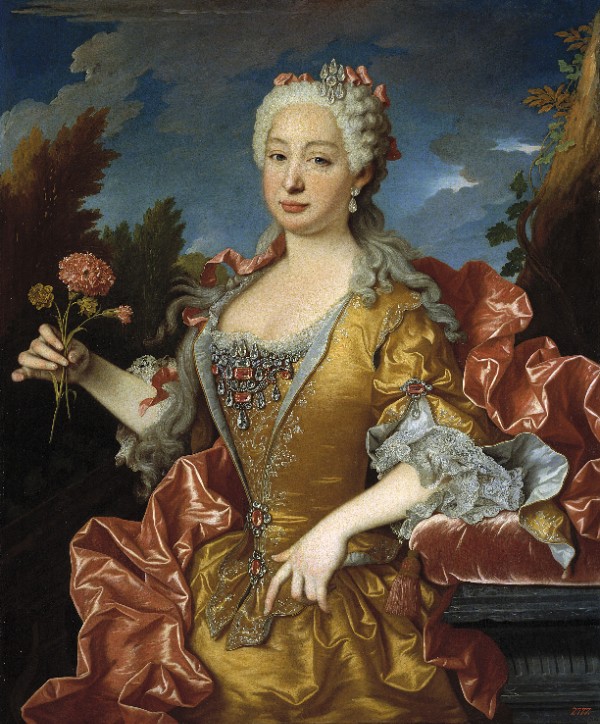
From the Renaissance to the Romantic Era, royal patronage was vital in shaping the course of classical music history. Many of the great composers owed their success to their relationships with kings, queens, and courts, whether it was Domenico Scarlatti
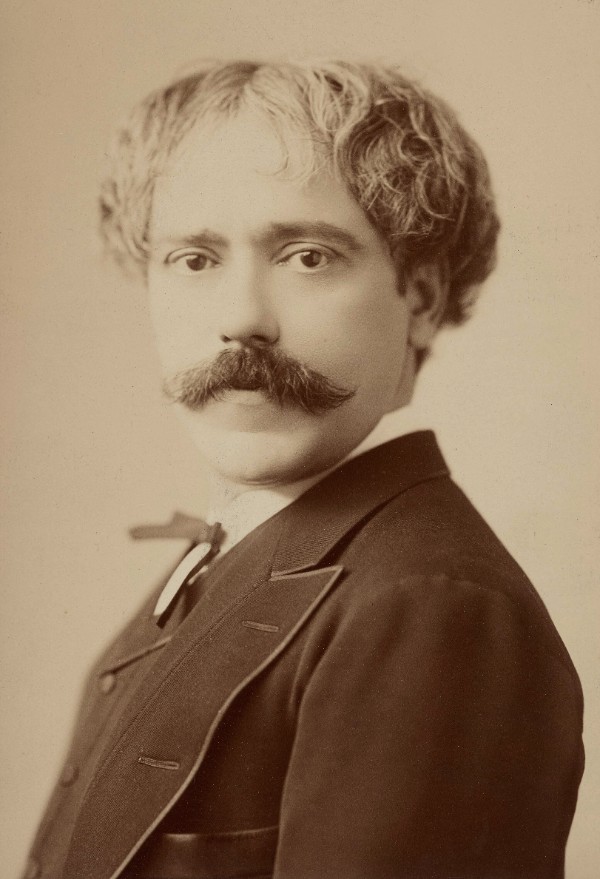
Pablo de Sarasate looked every inch the 19th-century virtuoso. Impeccably dressed, with a finely trimmed moustache, he carried himself with aristocratic poise. He commanded the room before he even played a single note. Audiences who heard him perform on his
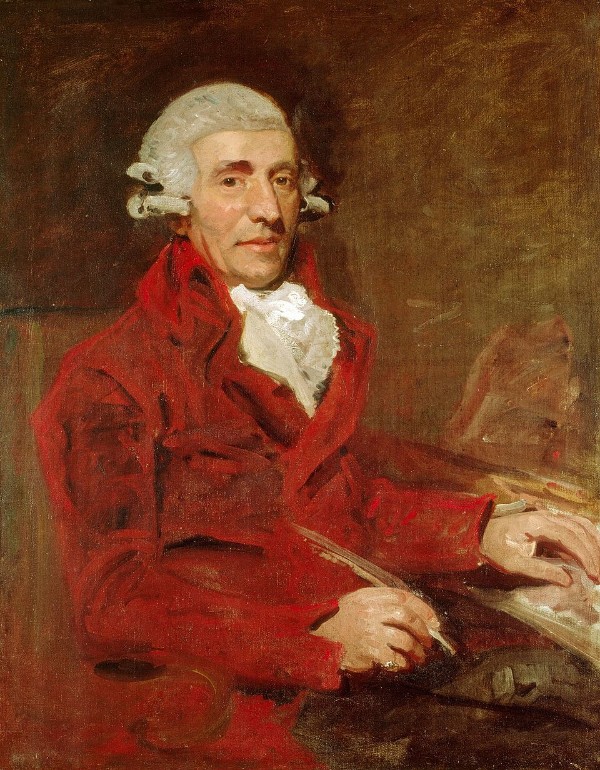
A set of short anonymous poems in Boston’s Musical Herald did a poetical job of setting out the history in limericks, along with unique rhyming spellings. We’ll start with Gluck: An ancient musician named GluckThe manner Italian forsuckHe fought with
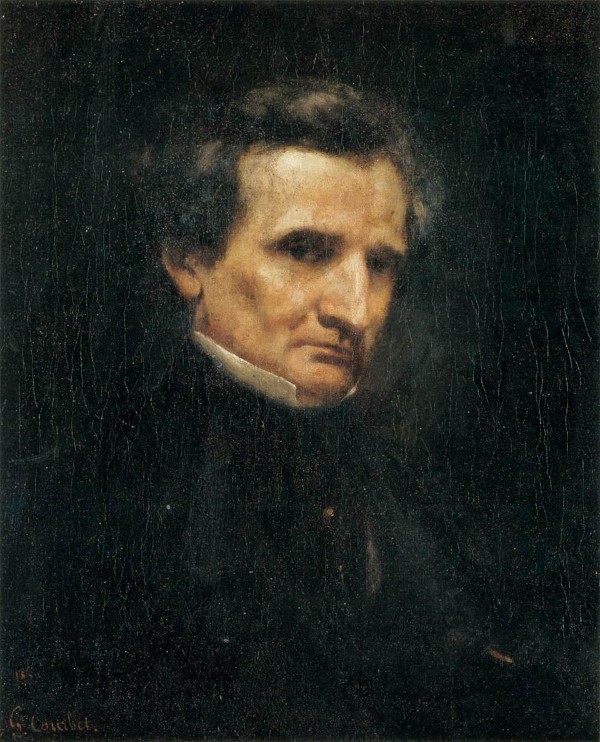
The French Romantic composer Hector Berlioz (1803–1869) lived the Romantic life like no one else. He painted his life into his music, he conducted his love affairs in public, and never stepped back when he could step forward. From this
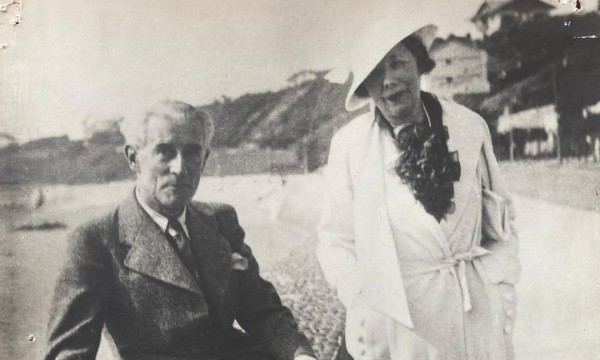
A surprising number of great composers owe their reputations to a particular performer who first championed their music. These partnerships – whether rooted in romance, platonic friendship, sheer admiration, or some mix of all three – helped to shape the