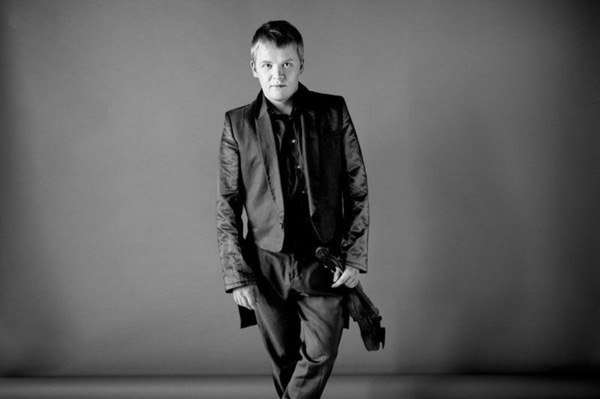
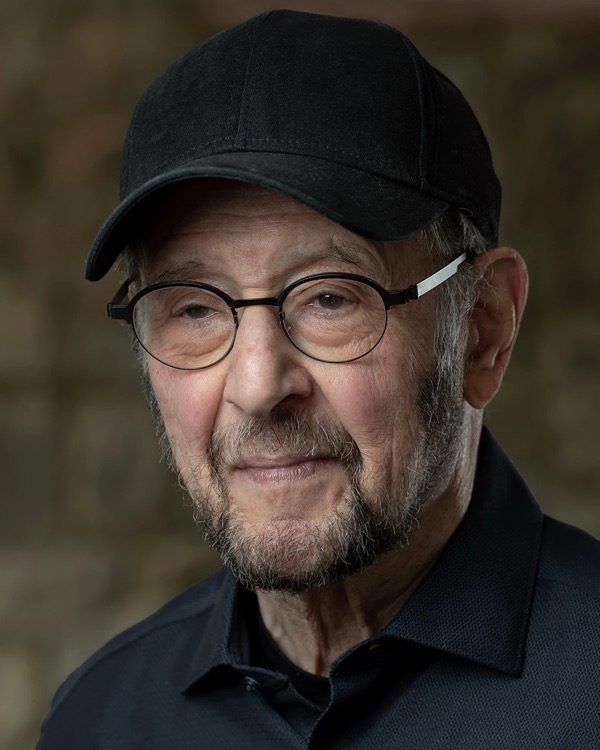
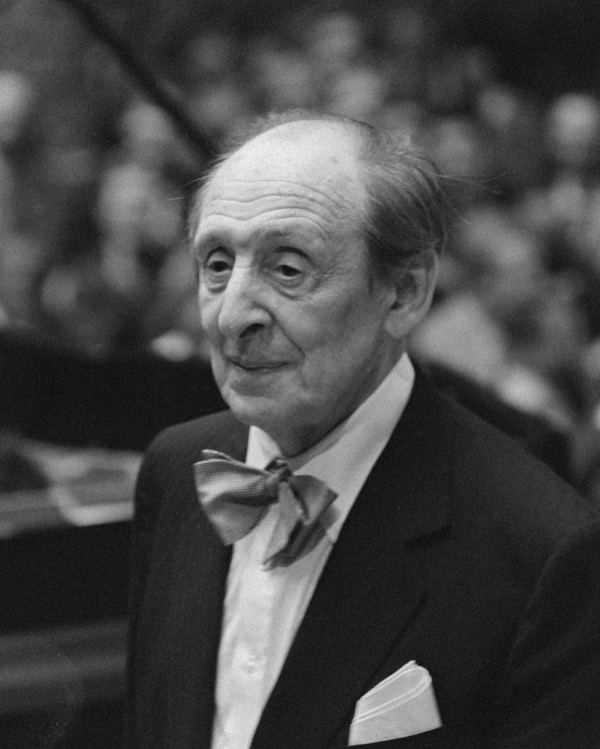
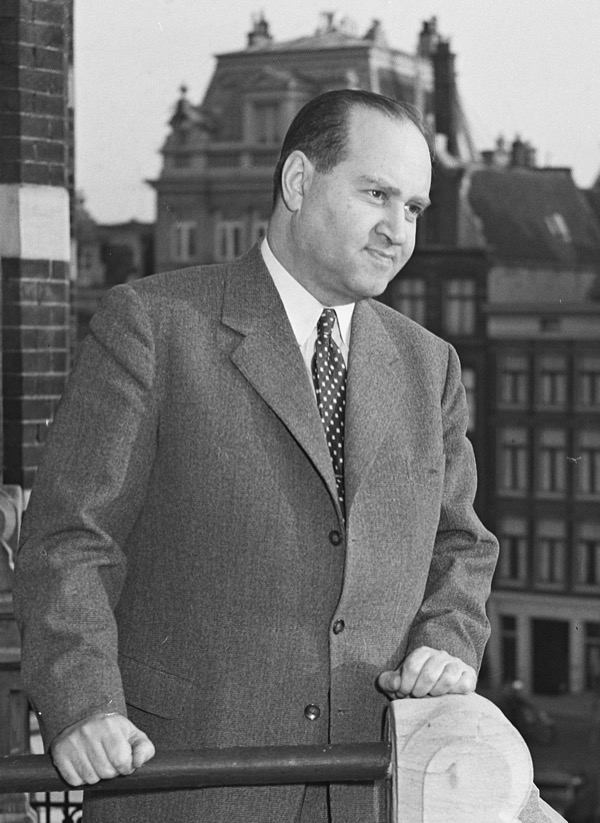
Born on 3 August 1970 in Vilnius, Lithuania, Itamar Golan has collaborated with the most outstanding instrumentalists of our time for more than three decades. Since his early years, Itamar Golan’s passion has been chamber music, and his contributions are marked by exquisite balance and sensitivity.
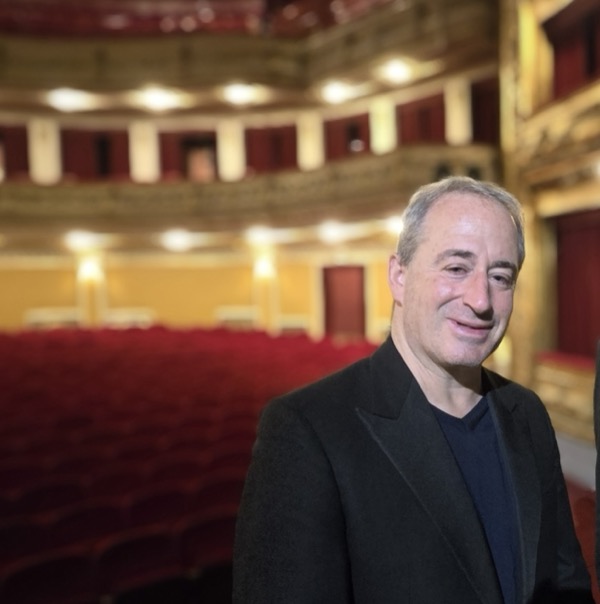
Itamar Golan
To celebrate his birthday, we shine the spotlight on his celebrated partnership with violinist Maxim Vengerov through a wide-ranging selection of works.
Vengerov/Golan perform Beethoven: Violin Sonata No. 5 in F Major, Op. 24
Ludwig van Beethoven: Violin Sonata No. 5 in F Major, Op. 24, “Spring” (Maxim Vengerov, violin; Itamar Golan, piano)
Finding a Musical Voice Together
Itamar Golan and Maxim Vengerov were both based in Israel in the early 1990s, and their collaboration dates back to that period. Yet, their partnership never became an exclusive duo. Rather, Golan became Vengerov’s preferred recital pianist.
They have appeared together in virtually every major concert venue, including the festivals at Verbier, Lucerne, and Salzburg. Wherever they perform, Golan is never merely an accompanist.
Instead, critics frequently describe him as an equal partner, and some have even suggested that his artistry helped Vengerov to shape his mature musical voice.
Vengerov/Golan perform Wieniawski: Scherzo-tarantelle, Op. 16
Henryk Wieniawski: Scherzo-tarantelle, Op. 16 (Maxim Vengerov, violin; Itamar Golan, piano)
The Art of Listening
Both musicians have spoken of chamber music as a conversation of equals, and Vengerov has repeatedly turned to Itamar Golan. Golan seems to have the ability to elevate his partner by maintaining a selfless and nuanced presence at the piano.
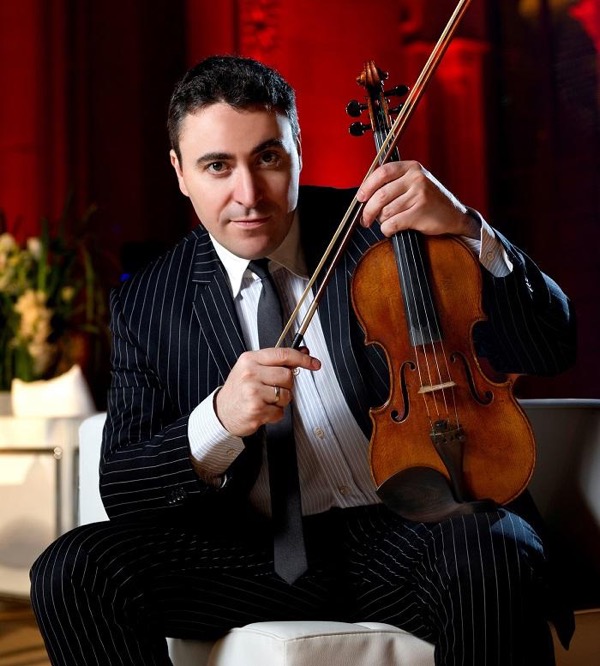
Maxim Vengerov
Reviews frequently suggest that Golan is able to anticipate Vengerov’s rubato, allowing the performance to feel almost improvised.
Instead of projecting spotlight virtuosity, Golan is able to adapt with profound musical intuition. His pianism is marked by crystalline articulation, which allows him to navigate the emotional and technical demands with precision and flexibility.
Vengerov/Golan perform Tchaikovsky: Souvenir d’un lieu cher, Op. 42 (excerpts)
Pyotr Ilyich Tchaikovsky: Souvenir d’un lieu cher, Op. 42 (excerpts) (Maxim Vengerov, violin; Itamar Golan, piano)
Choosing Chamber Music
In his early years, Golan initially concentrated on a solo career. However, he developed a slight memory problem at an early age, which discouraged him from pursuing this particular path.
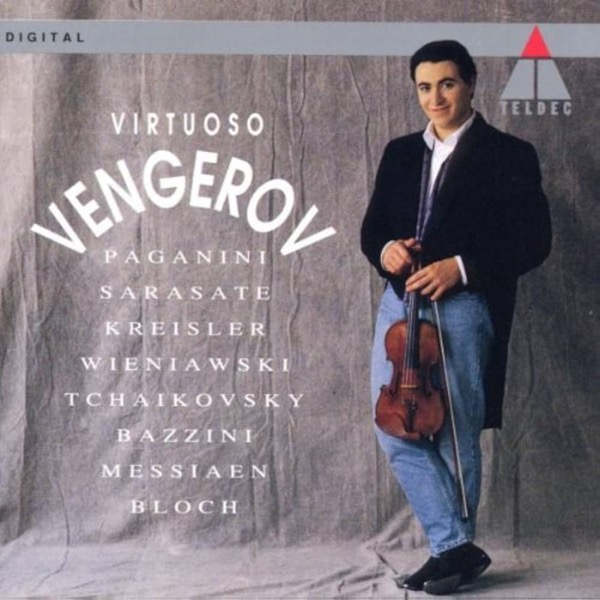
Virtuoso Vengerov (Itamar Golan and Maxim Vengerov)
As he explained in an interview with Maxim Reider for The Jerusalem Post in 2018, “Maybe the second thing why I’ve opted for this genre is that one can play it with music in front of my eyes.”
He further explained that “the (chamber) repertoire is absolutely extraordinary, whether you take piano trios, piano quartets and more, and also lieder. And then come sonatas, which are what I am mostly doing.”
Vengerov/Golan perform Mozart: Violin Sonata No. 26 in B-flat Major, K. 378
Wolfgang Amadeus Mozart: Violin Sonata No. 26 in B-Flat Major, K. 378 (Maxim Vengerov, violin; Itamar Golan, piano)
Expression Above All
Although he benefitted from outstanding chamber coaches, Golan considers himself self-taught. “I see myself as an autodidact,” he explains. “I had wonderful music teachers, great musicians (who) took care of me, but I later made a sort of re-learning; I was very much on my own.”
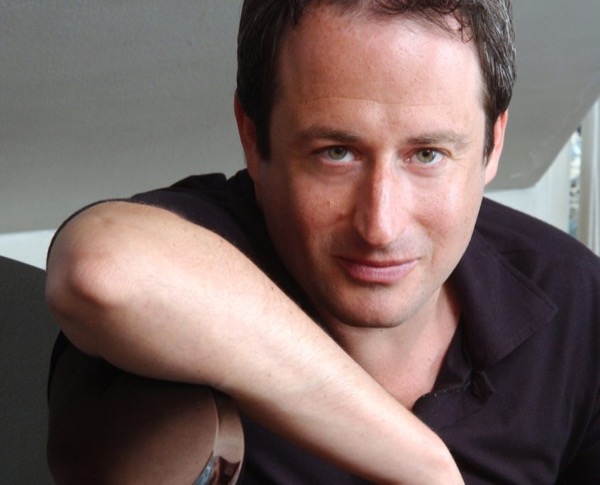
Itamar Golan
In terms of technical and musical challenges, and in questions about performing chamber music, Golan had to find his own way. And he found in Maxim Vengerov a decidedly kindred spirit, as the violinist is known for his extraordinary expressive range and spontaneity in performance.
Virtuosity, for both, becomes a means of expression, one that always serves the musical narrative. This gives their performances a great sense of freedom and spontaneity. Essentially, Golan and Vengerov don’t reproduce music; they continually reimagine and rediscover it on stage.
For more of the best in classical music, sign up for our E-Newsletter