
The spectacular display of superstars in the 2018 Verbier Festival program completely dazzled me. The program comprised of a long list of celebrated “who’s who” in the music universe – András Schiff, Martha Argerich, Richard Goode, Evgeny Kissin, Grigory Sokolov,
Articles

I’ve never felt drawn to the idea of the definitive performance. Music is a performing art which keeps on changing– Michael Tippett When I was learning the piano as a child and teenager, I was led to believe there was
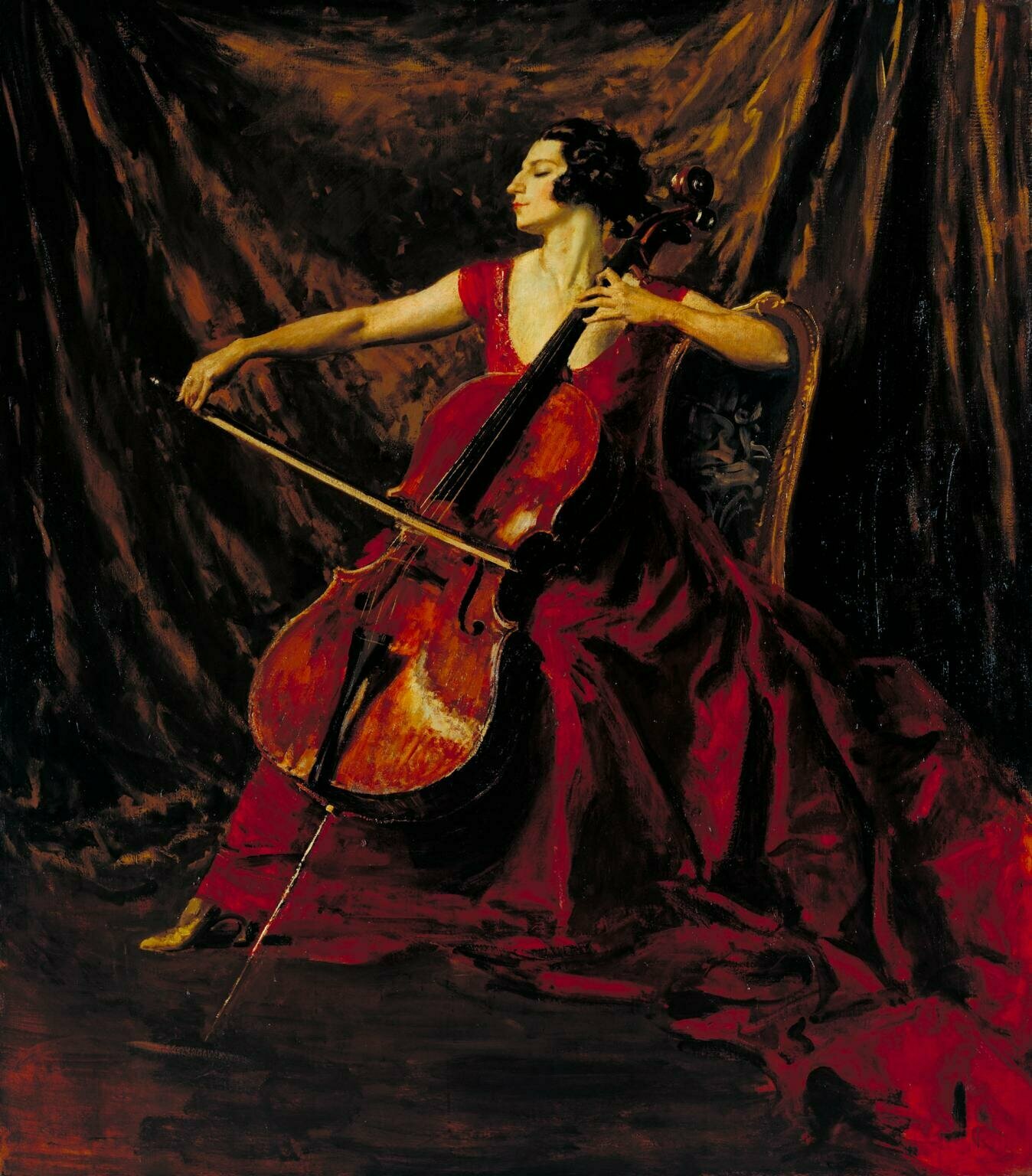
Portuguese cellist Guilhermina Suggia (1885-1950) best-known for an iconic painting by Augustus John —a chestnut, luminescent cello, a beautiful woman in a dazzling, red gown, bow-arm outstretched, head upturned—was one of the first professional female solo cellists. The mystique surrounding
Before the age of recording, devotion to music was a full-time commitment. Composer Georges Bizet (1838-1875) would say: “Ah, Music! What a beautiful art – but what a wretched profession!”
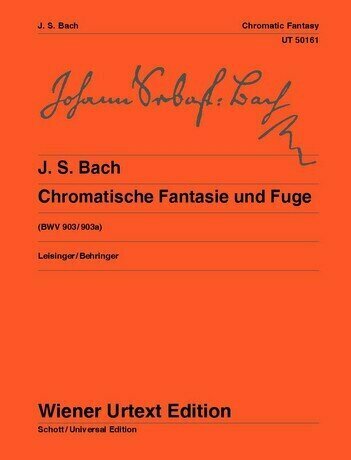
The musical Fantasy (or Fantasia or Fantasie) has its roots in improvisation and rarely follows a strict musical structure (such as Sonata or Ternary form). In this respect the Fantasy is related to the Impromptu. The term was first applied
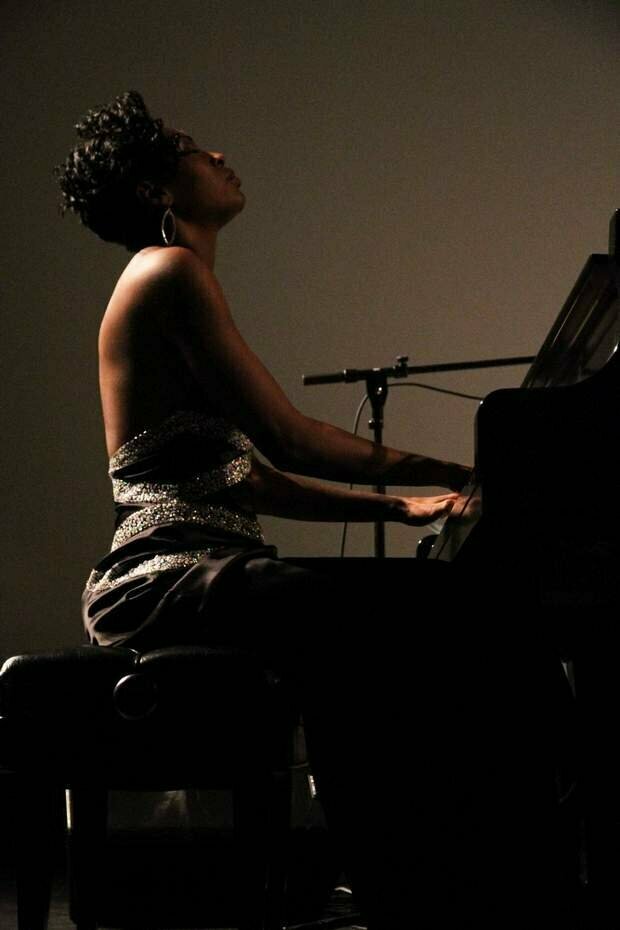
In 2015, a student coming up to her A-level exams looked at the composers assigned for the music syllabus. 63 composers and all male. Jessy McCabe brought this to the attention of the Edexcel program and a month later, Ms.
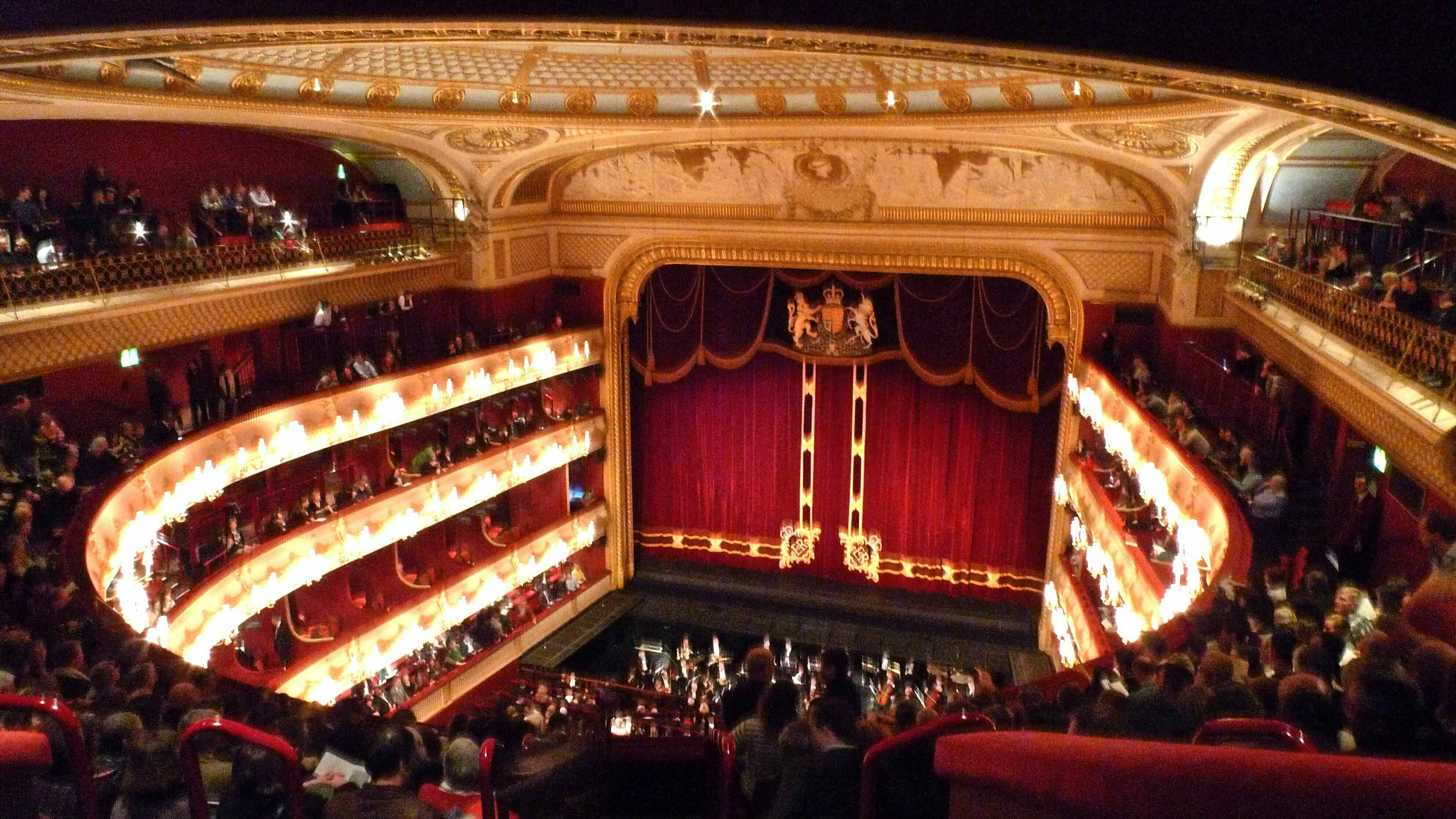
[Opera is] more than entertainment. Opera offers an insight into the complexities of the human psyche – it is a metaphor for, or an exposition, even, of our own personal dreams and nightmares… – Kevin Volans, composer Last week my
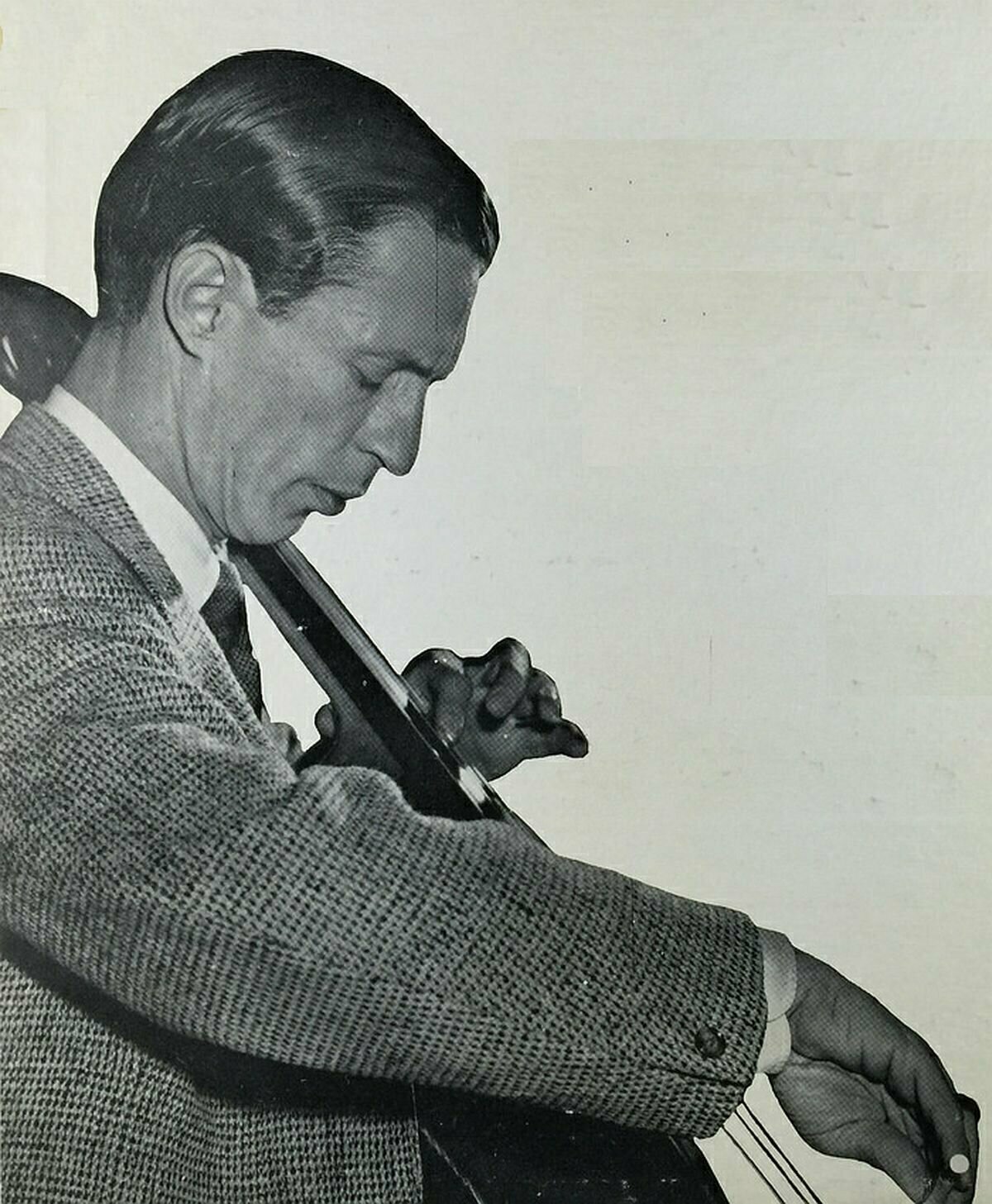
If you listen to the distinguished Italian cellist Antonio Janigro, and his pure, resonant sound in the Bach Suites, you’ll encounter a master of depth and perception. Such beautiful playing. One of the great artists of the twentieth century, cellist,