
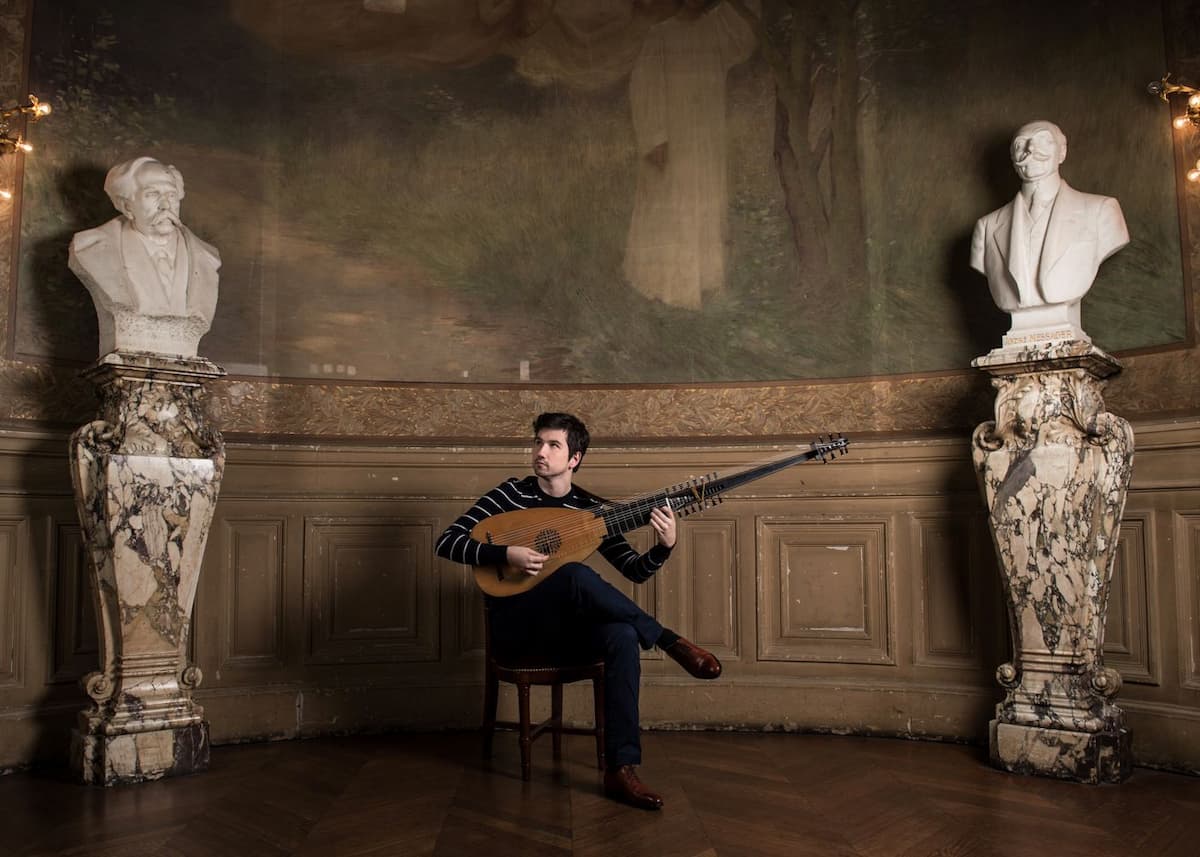
Lutenist and theorbist Thomas Dunford has brought a new life to music that seems to have had its best exposure about 20 years ago. His skill on these two Renaissance instruments brings back many pieces of music we’d heard long
Articles
The new interior designs of the 1930s, particularly in space-conscious New York, reduced the size of many rooms of the apartment and created the three-piece dinette (a table and two chairs) to replace the 8- to 10-seater dining table, with
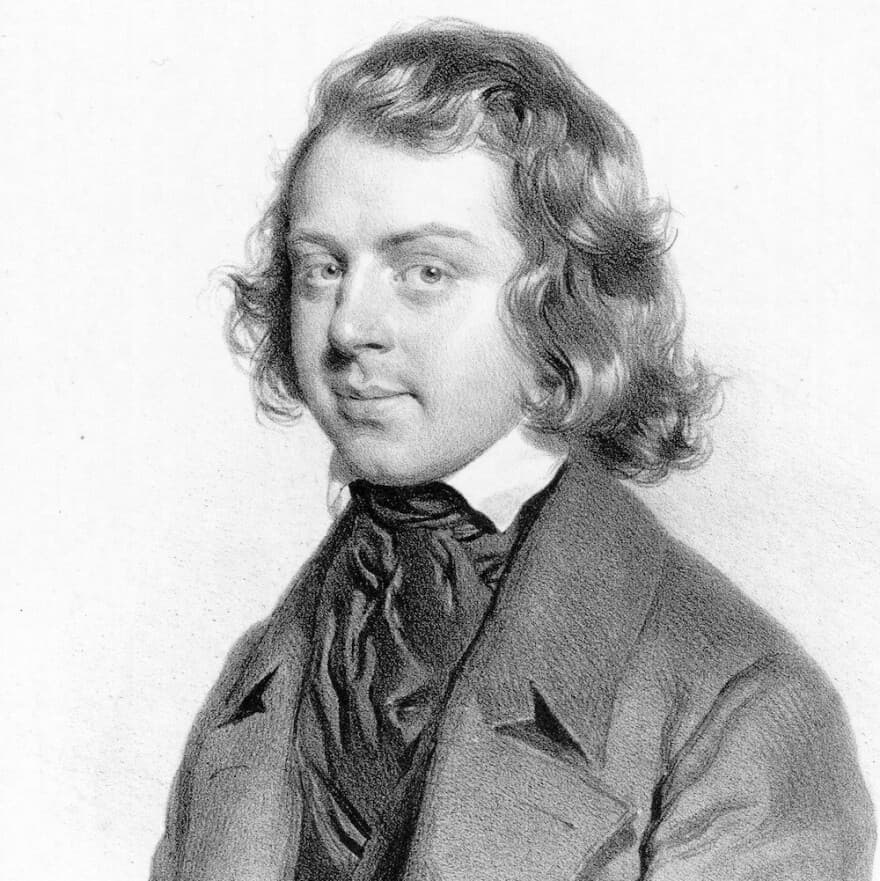
The Danish composer, violinist, organist, educationist, and administrator Niels Gade, born in Copenhagen on 22 February 1817, ranks among the most important figures in 19th-century Danish music. A supremely talented and multifaceted musician, roughly half of his compositions remained unpublished
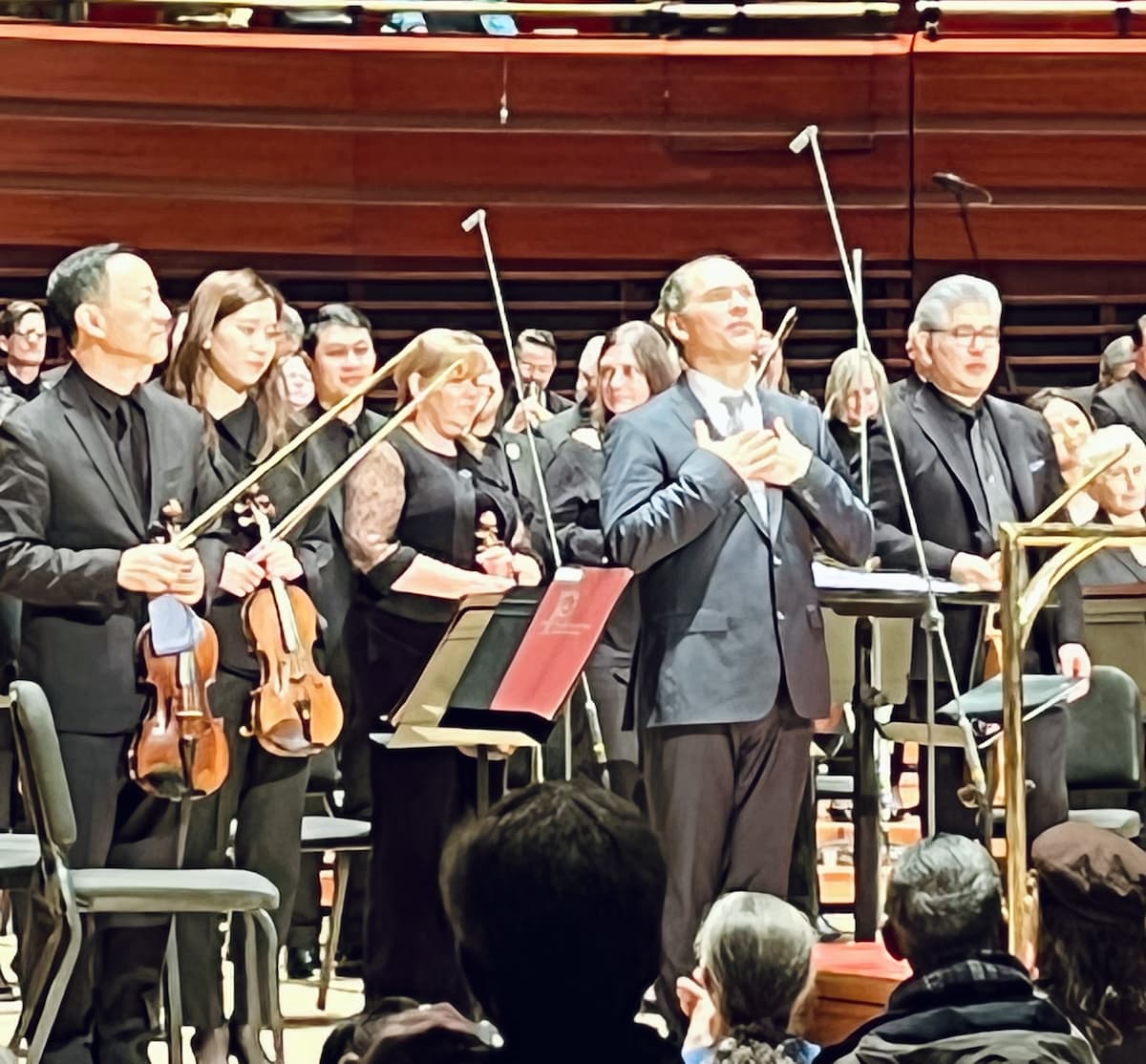
The musicians of the Philadelphia Orchestra rattled the rafters of the Kimmel Center on February 9th as an exciting guest conductor enticed them through the twists and turns of Shostakovich’s Fourth Symphony, one of the symphonic powerhouses of the 20th
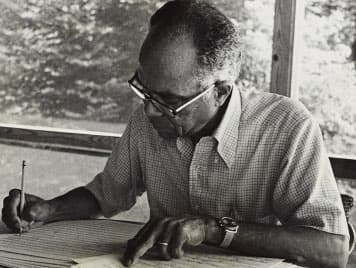
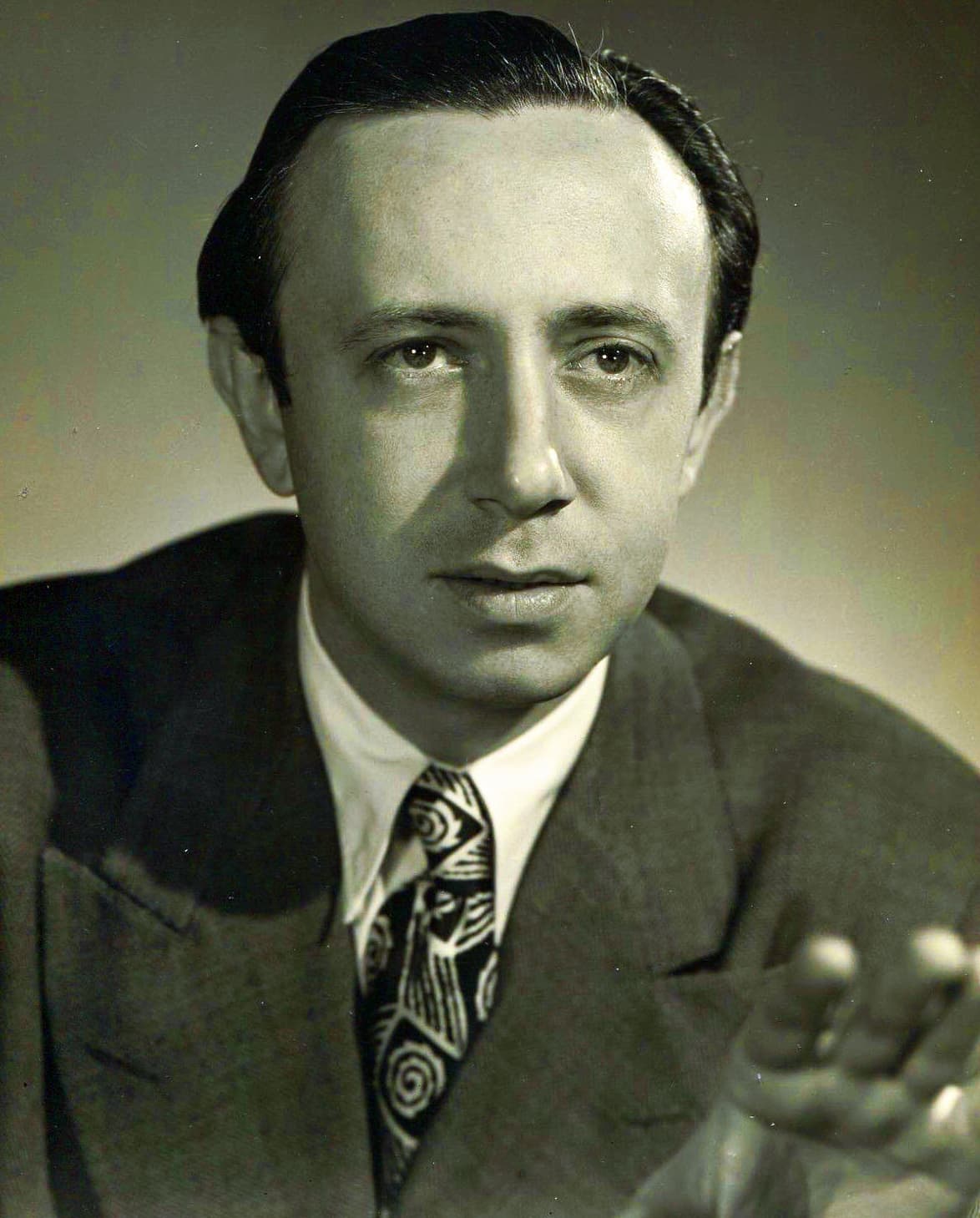
American composer Ulysses Kay (1917–1995) studied with Paul Hindemith at Tanglewood and Yale and, following WWII, With Otto Leuning at Columbia. From 1946 to 1952, he was in Rome, having won the Prix de Rome not once but two times

Classical music and fashion don’t seem like a pair that goes together. Opera performers and music conductors are usually associated with their well-pressed suits or tuxedos in most areas of the classical music industry. There are some classical music icons
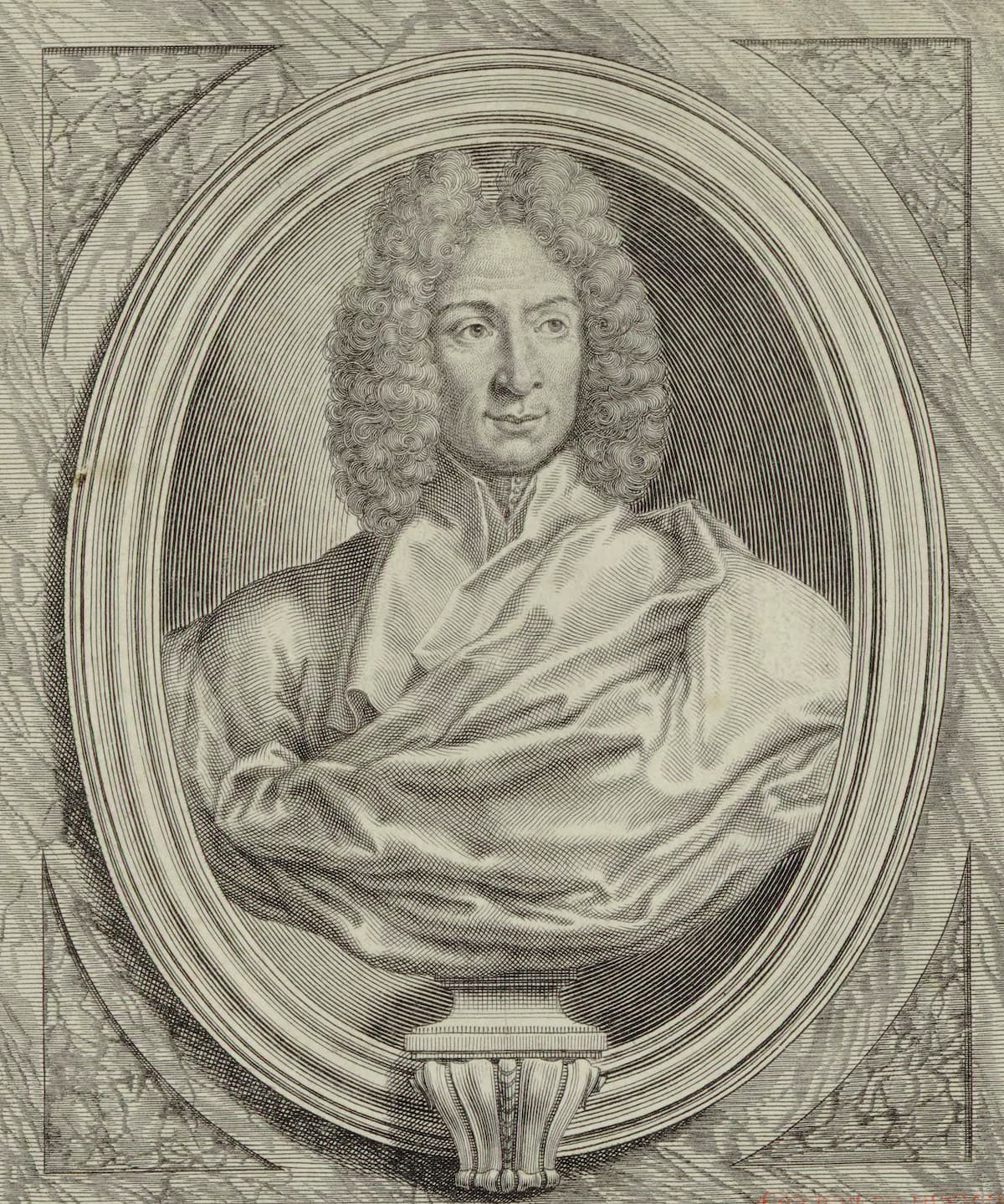
The life of the exceptional Italian composer and violinist Arcangelo Corelli (1653-1713) is surrounded by a wealth of anecdotes and legends. Such tall tales are particularly plentiful when history is attempting to reconstruct the doings of discreetly homosexual composers. Corelli
Over the years, we’ve had the honor of talking with many of the greatest musicians in classical music today. Today, we’re gathering some of their best advice for musicians in one article. If you ever find yourself stuck in a