
The Great American Songbook is a term describing the canon of the most important and influential popular songs from roughly the 1920s to the 1950s. During this era, popular songs were widely disseminated in the United States via phonograph records, radio, sheet music sales, and live big band performances. They were replete with beautiful melodies. People from all walks of life became familiar with the mainstream top hits of the day. Singers were constantly looking for good material, and in the 1930s, 40s, and 50s, an interesting trend arose for composers and arrangers to borrow themes from classical music and create popular songs from them. Most were drawn from the romantic era.
Listeners who were familiar with classical music would probably recognise them, but listeners who were unfamiliar could enjoy the pieces without knowing of the connection. In several cases, major performing artists who embraced such material had beautiful voices and could well have become classical singers had they so chosen.
A fine example is the pop song “Tonight We Love” (1941), which was an adaptation of the piano concerto number 1 in B flat minor by Peter Tchaikovsky (1875).
Tchaikovsky – Piano Concerto No. 1 – 1st Movement
Classic FM Orchestra, Georgii Cherkin, piano soloist
Orchestra leader Freddy Martin arranged the music and Bobby Worth wrote lyrics for it. It became a major hit for Martin in 1941.
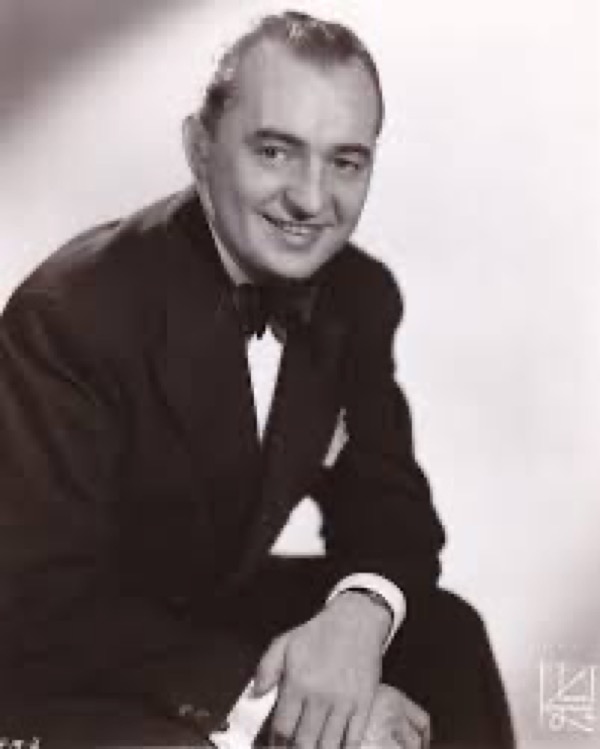
Freddy Martin
Martin’s arrangement is taken from a very long passage of Tchaikovsky’s original work. He recorded it twice with two different soloists. The soloist on this one is tenor Tony Martin (no relation to Freddy Martin).
Tony Martin – Tonight We Love (1941)
The pop song “Till The End of Time” (1944) was an adaptation of Frédéric Chopin‘s Polonaise in A flat major, Op. 53 — the “Polonaise héroique” (1842).
Rubinstein plays Chopin: Polonaise op. 53 (live, correct pitch, HQ)
The pop song was written by composer Ted Mossman and lyricist Buddy Kaye. It was a major hit for Perry Como in 1945.
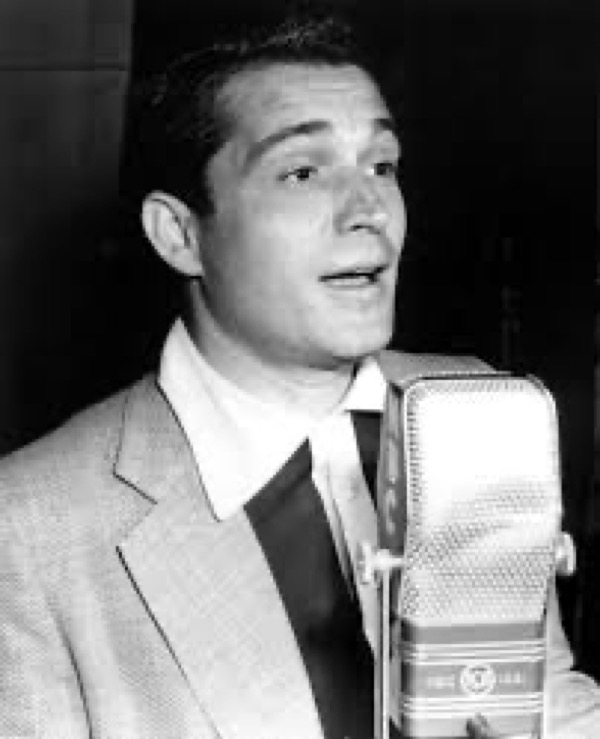
Perry Como
He said it was his favourite of all the songs he recorded in his long career.
Perry Como – “Till The End of Time” (1945)
The pop song “Full Moon and Empty Arms” (1944) was an adaptation of the second theme of the third movement of Piano Concerto number 2 in C Minor, opus 18 by Sergei Rachmaninoff (1901).
Bruce Liu – Rachmaninoff: Piano Concerto No. 2, Op. 18: III. Allegro scherzando
Orchestra dell’Accademia Nazionale di Santa Cecilia, Bruce Liu, piano soloist. The relevant passage begins at 1:54 in this recording.
This pop song was also written by composer Ted Mossman and lyricist Buddy Kaye. It was a major hit for Frank Sinatra in 1945.
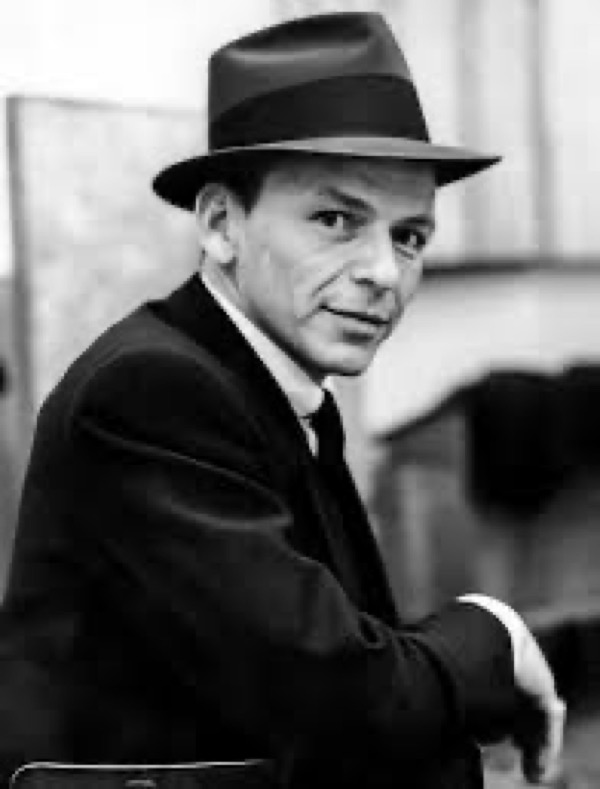
Frank Sinatra
FRANK SINATRA – Full Moon and Empty Arms 1945
The pop song “Stranger in Paradise” was an adaptation of music composed by Alexander Borodin, the Gliding Dance of the Maidens from the Polovtsian Dances in the Opera Prince Igor (1890).
Symphonic Gems: Borodin’s Prince Igor – Polovtsian Dances – Noseda | Concertgebouworkest
Royal Concertgebouw Orchestra. The relevant passage begins at 0:45 in this recording.
The pop song is from the musical Kismet (1953) by Robert Wright and George Forrest.
In this performance, the soloist is Tony Bennett, for whom it was a major hit in 1953.
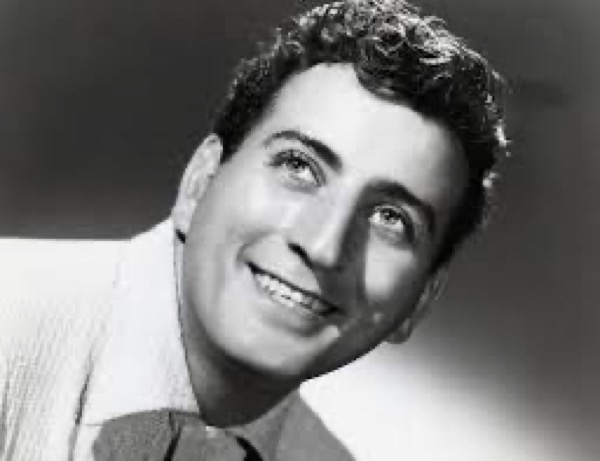
Tony Bennett
Tony Bennett “Stranger In Paradise” on The Ed Sullivan Show
The pop song “I’m Always Chasing Rainbows” (1918) was an adaptation of a passage from Frédéric Chopin’s Fantaisie-Impromptu in C sharp minor, op. posthumous (1834).
Dmitry Shishkin – Fantasy-impromptu in C sharp minor Op. 66 (third stage)
The piano soloist in this recording is Dmitry Shishkin. The relevant passage begins at 1:10.
Harry Carroll composed the music and Joseph McCarthy wrote the lyrics for the pop song for the musical Oh Look in 1918. In this clip from Ziegfeld Girl (1941), a movie about the Ziegfeld Follies, Judy Garland sings a particularly emotional rendition of it that depicts her successful audition to become a Ziegfeld girl.
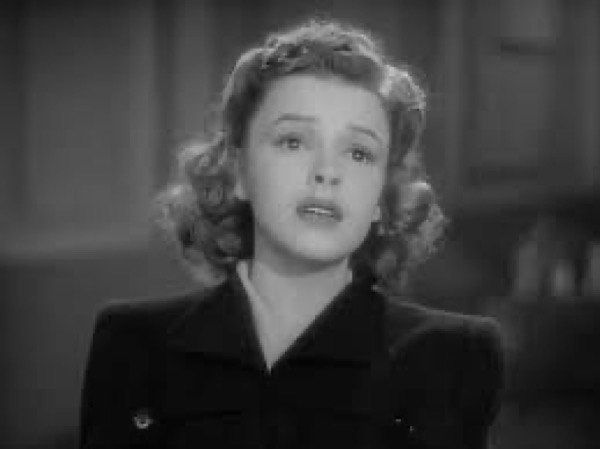
Judy Garland
I’m Always Chasing Rainbows-Judy Garland
The era that inspired these transformations had faded by the 1960s. However, the use of classical themes in popular songs continues in full force to this day, but now it encompasses many vastly different styles that appeal to vastly different audiences. In contrast, in the years of the Great American Songbook, those early examples would have reached a much broader spectrum of the American public and had a much wider influence than any particular style of popular music does today.
For those of us who love classical music and perhaps are intrigued by those elegant plagiarisms and want to explore them further, opportunities abound. Thanks to recording and film technology, there is a treasure trove of them waiting for us to enjoy.
Donna Arnold is the long-time music reference librarian at the large music research library at the University of North Texas in Denton, Texas. She answers questions on a wide range of subjects for the university community, national, and international patrons. She holds a Ph.D. in musicology from the University of North Texas. Her many research interests include the Great American Songbook.
For more of the best in classical music, sign up for our E-Newsletter





What an interesting read, and how enjoyable your research must have been!
Thanks for sharing, Dr. Donna!
Rain and Tears by Aphrodite’s Child is based on Pachelbel Canon ; Bourée Jethro Tull is based on J.S.Bach Bourée from his Lute Suite no.5 in e minor; America by The Nice is an adaption of America from West Side Story by Leonard Bernstein. Many Prog- Rock Bands and Pop Artists adapted Classical Music in Songs and even Concept albums. eg. Ray Manzareck Take on Carmina Burana etc.