Readers have kindly written in with their contributions to our earlier pieces on Bach’s Influence on Jazz. Let’s explore some more!
The Modern Jazz Quartet
The Modern Jazz Quartet’s 1973 album Blues on Bach takes Bach melodies to create works such as Regret?, based on the chorale prelude for organ Das alte Jahr vergangen ist (The Old Year Has Now Passed Away), BWV 614.
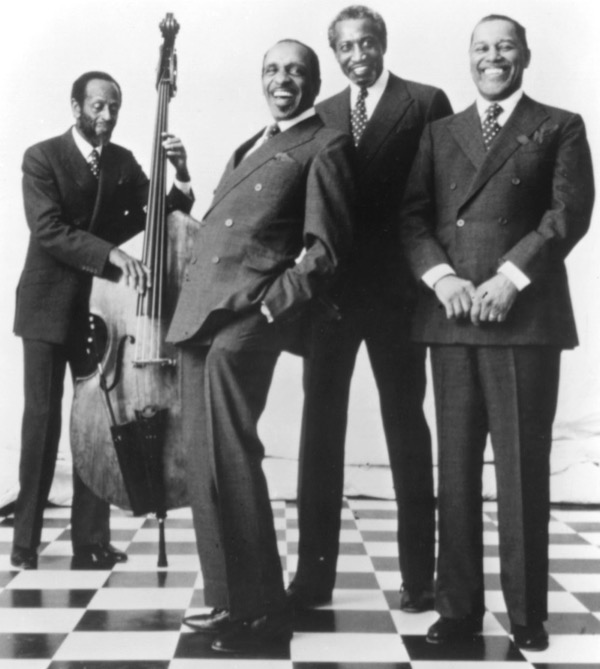
The Modern Jazz Quartet: Percy Heath (double bass), Connie Kay (drummer), Milt Jackson (vibraphone), John Lewis (piano)
Regret?
In a clever translation, the title “Rise up in the Morning” comes from Wachet auf, ruft uns die Stimme, BWV 140 (Sleepers Awake).
Rise up in the Morning
Along with Cantata 140, the MJQ also created Precious Joy from the well-known chorale Jesu, Joy of Man’s Desiring in Cantata 147, Herz und Mund und Tat und Leben (Heart and Mouth and Deed and Life), BWV 147.
Precious Joy
The Well-Tempered Clavier’s Prelude No. 8 in E-flat minor was the inspiration for Tears from the Children.
Tears from the Children
Another work attributed to Bach was a fugue in D minor (BWV Anh. 180), but it was later found to have been written by Johann Peter Kellner, one of Bach’s copyists. This was used to create Don’t Stop This Train.
On the album, between the Bach-inspired tracks, there are four original works by the ensemble. In Blues in a minor, you’ll hear a touch of The House of the Rising Sun.
Full album
John Lewis
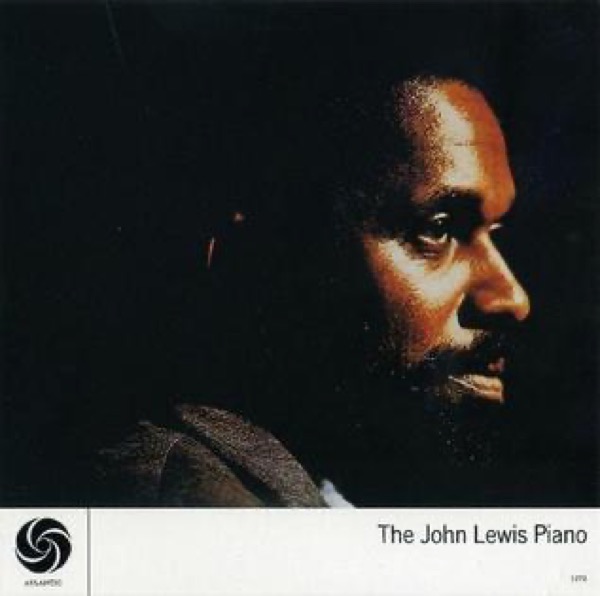
John Lewis
Jazz pianist John Lewis, a founding member of the Modern Jazz Quartet, found much inspiration in Bach, both in the Preludes and Fugues and in the Goldberg Variations.
Starting in 1984, he created a set of albums under the overarching title of The Bridge Game, using Bach’s Preludes and Fugues as a basis.
Vol. 1
Vol. 2
Vol. 3
Vol. 4
The next year, he created The Chess Game, Parts 1 and 2, with Mirjana Lewis on harpsichord, out of Bach’s Goldberg Variations. Just as in The Bridge Game, a straightforward performance of Bach’s original was followed by his own versions.
The full album
Oscar Peterson
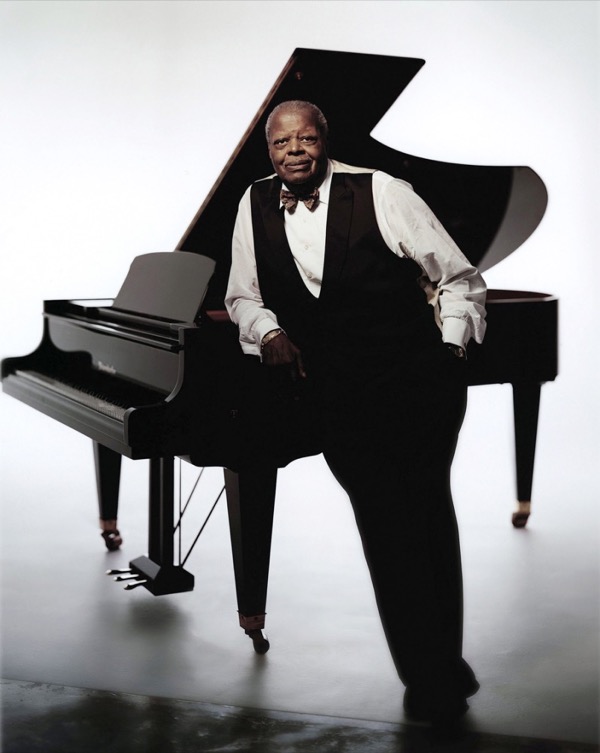
Oscar Peterson
In his 1990 album Oscar Peterson Live!, pianist Oscar Peterson opened with his Bach Suite, with three movements: Allegro, Andante, and Bach’s Blues. Allegro has the feeling of one of Bach’s preludes and fugues from The Well-Tempered Clavier, with the fugue starting at 02:44.
Allegro
Andante
Bach’s Blues
Matt Herskowitz
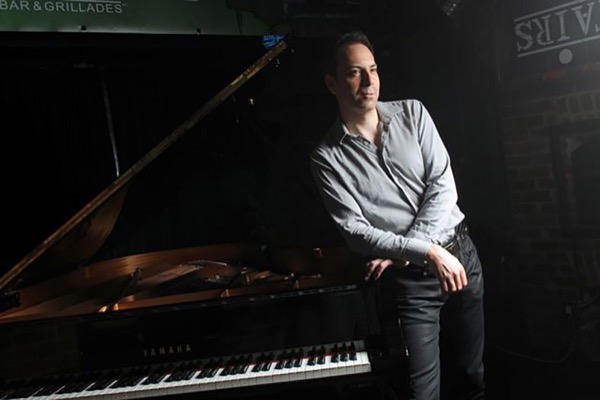
Matt Herskowitz
In this 2013 performance, Matt Herskowitz creates his Bach a la Jazz using the Prelude in C minor, BWV 847 as his starting point.
Matt Herskowitz: Bach a la Jazz
André Bénichou
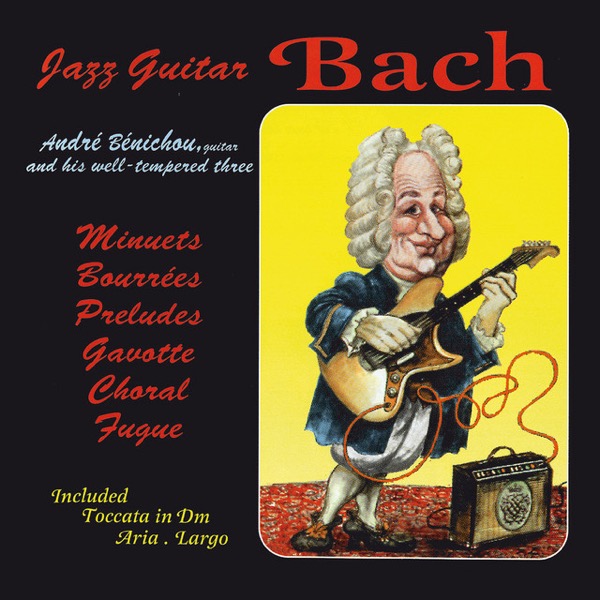
André Bénichou Jazz Guitar Bach cover
Algerian-born André Bénichou put out his Jazz Guitar Bach in 1970, with his ‘well-tempered three’—Bach’s minuets, bourrées, preludes, and many other pieces.
Jazz Guitar Bach
In the 1960s and 1970s, the Swing Bach Ensemble created their own versions of Bach, including this theme song (Prima Ballerina) for the BBC Watch program in the 1970s. Their album Bach Jazz, released in 1966, was highly influential.
The Swing Bach Ensemble
Chris Hinze
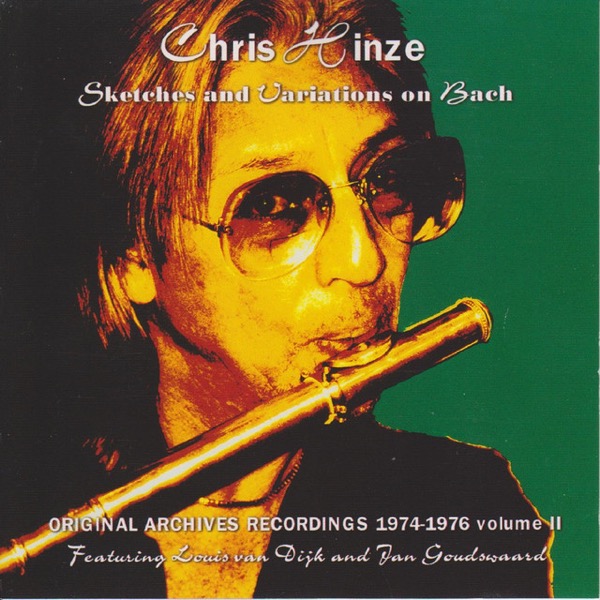
Chris Hinze’s Bach compilation
Dutch jazz flautist Chris Hinze made a small-ensemble recording of his Sketches and Variations on Bach in 1974 and 1976.
Chris Hinze
Bach wasn’t the only Baroque composer he jazzed up. He also recorded Telemann My Way (1969), Vivat Vivaldi! (1970), and Barocco Con Fuoco (1981).
Swinging Bach (Leipzig, 2000)
Swinging Bach was a late-night session held outdoors in Leipzig in July 2000, combining classical ensembles and other soloists, such as vocalist Bobby McFerrin, singing the Air from the Orchestral Suite No. 3 in D major, BWV 1068, while conducting.
Bobby McFerrin
The Turtle Island String Quartet created Bach’s Lunch, a variation set on J.S Bach themes.
Turtle Island
The Quintessence Saxophone Quintet starts with the Toccata and Fugue in D minor in their Toccata & Funk & Choral
Quintessence Saxophone Quintet
As we noted earlier, Bach is everywhere. In one sense, we can think of his music as part of most music students’ DNA. It’s where you start; it’s what you learn from. But, at the same time, it’s free enough for you to start putting in your own ideas. Bach’s Preludes and Fugues are a fundamental of music, and it’s from those fundamentals that we have our own basis in freedom and expression.
For more of the best in classical music, sign up for our E-Newsletter